How cells survive chemo: Israeli researchers find ‘guardian proteins’ protect tumors
Ben-Gurion University scientists show that destroying such proteins forces cancer cells to self-destruct, in potential key to overcoming chemotherapy resistance
The exact switch that determines whether cancer cells survive chemotherapy or self-destruct has long remained a mystery.
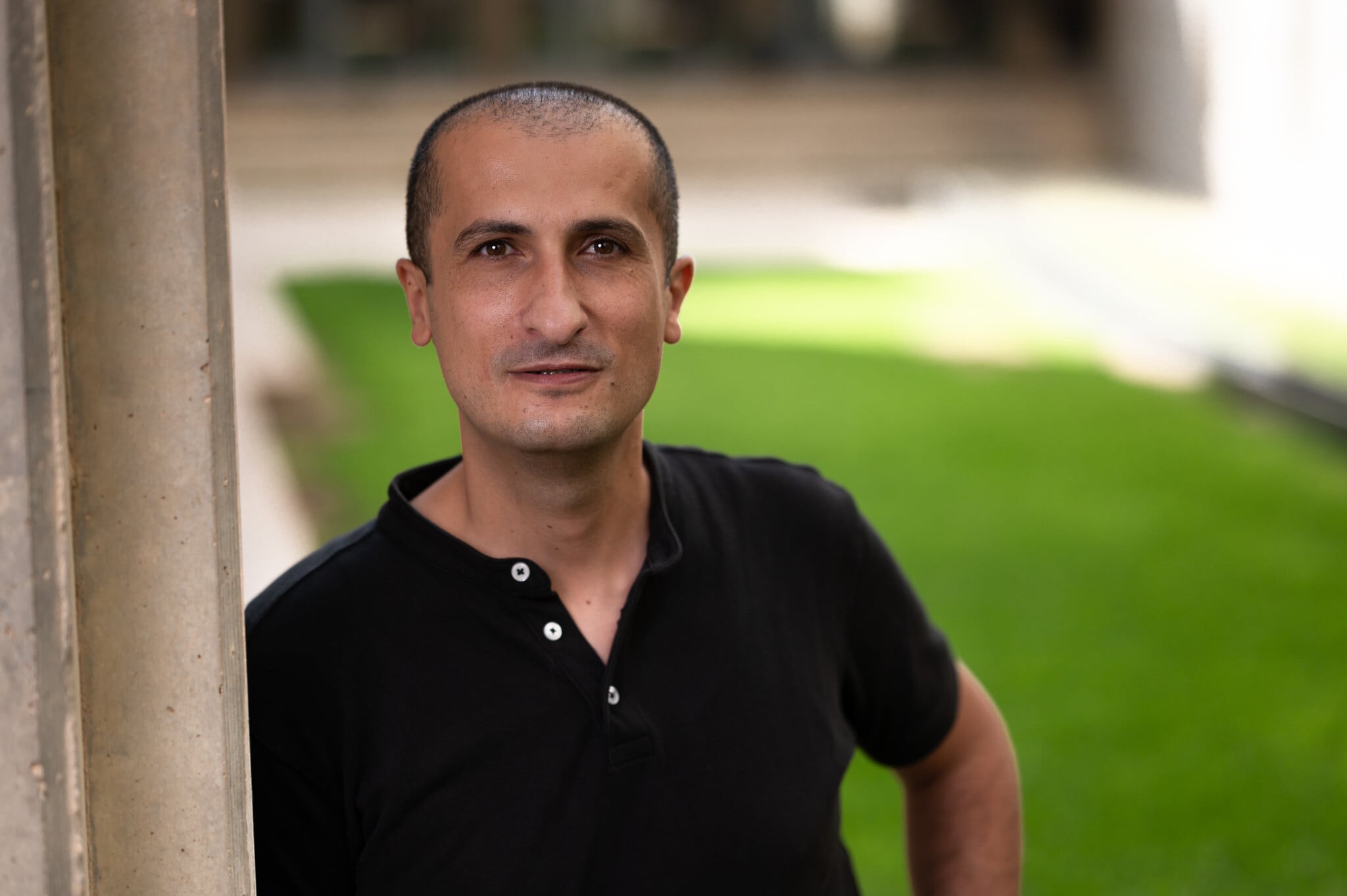
Now, in peer-reviewed research, scientists in Dr. Aeid Igbaria’s lab at Ben-Gurion University of the Negev say they have identified two guardian proteins that hold open an emergency survival valve, allowing cancer cells to stay alive after the treatment.
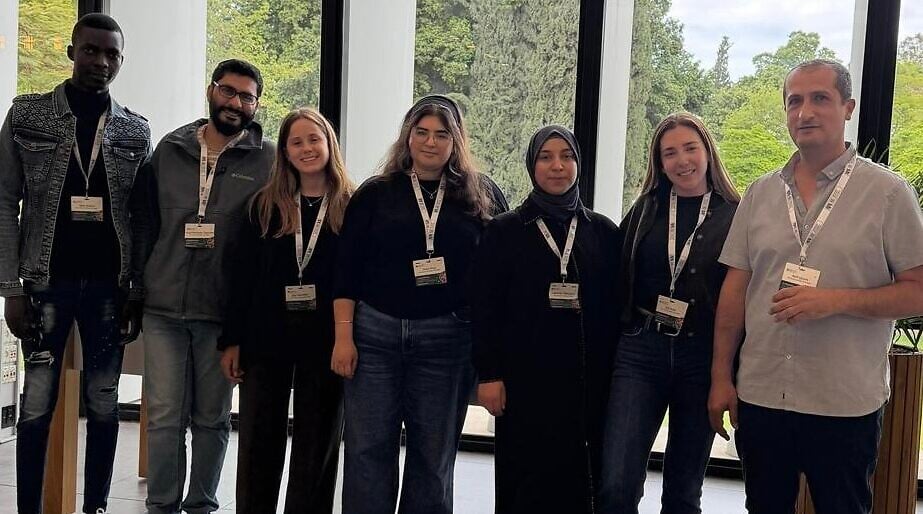
Igbaria led the study alongside co-lead authors Laila Abu Madegam and Noa Gavriel, and researcher Raifu Tolulope Adebisi, all from BGU’s Department of Life Sciences.
“When we talk about cancer, it’s like we are talking about playing chess,” Igbaria told The Times of Israel in a Zoom conference call. “Cancer is wild. We don’t know how cancer will respond, but this research could open up a lot of advancement in the treatment of solid cancers.”
The findings, published in the journal Redox Biology, revealed a precise molecular blueprint, providing insights to help researchers develop treatments to overcome chemotherapy resistance in aggressive tumors.
‘A cancer cell is a different beast’
Igbaria said that when he began his research several years ago, he was interested in glioblastoma, widely considered one of the most aggressive and complicated forms of brain cancer.
“What we discovered then is that the architecture and the structure of cancer cells are very different from that of normal cells,” he said. “A cancer cell is a totally different beast. There are no rules. Proteins can move from one room to another room inside a cell, with different functions.”
During his postdoctoral work at the University of California in San Francisco (UCSF), Igbaria focused on the cell’s inner protein factory, the endoplasmic reticulum, which manufactures, processes, and folds proteins.
His latest research focused on two guardian proteins (DNAJB12 and DNAJB14) that sit on the endoplasmic reticulum’s wall.
The research team used laboratory drug treatments and physiological stress across human cell lines to study the impact of mild stress on the cell.
Igbaria said that under normal conditions, the endoplasmic reticulum acts as a factory that folds proteins and keeps them locked inside to manage routine cellular operations.
However, chemotherapy creates stress on the cell, causing the two guardian proteins to open an emergency valve, which triggers protein reflux. This process allows protective proteins to escape into the cytosol, the cell’s liquid interior. Once there, the escaped proteins take on a new defense role, actively blocking self-destruction enzymes and keeping the cancer cell alive despite the treatment.
“Instead of a passive structural breakdown, the cell actively measures stress levels through the integrity of these chemical bonds,” Igbaria explained. “But if the chemical bonds between the guardian proteins are broken, the guardians fall apart, clearing the path for the cell to undergo programmed self-destruction, in a process known as apoptosis.”
Igbaria added that the same molecular switch operates in heart cells during oxygen deprivation. Controlling this process could lead to new therapies that prevent widespread heart tissue damage following a heart attack.
Understanding why cells survive or self-destruct
Dr. Francisco Laurindo, associate professor and head of the Vascular Biology Unit at the Heart Institute (INCOR), University of São Paulo School of Medicine, São Paulo, Brazil, told The Times of Israel that understanding how cells choose between “surviving stress and self-destructing is a major goal in biology and medicine.”
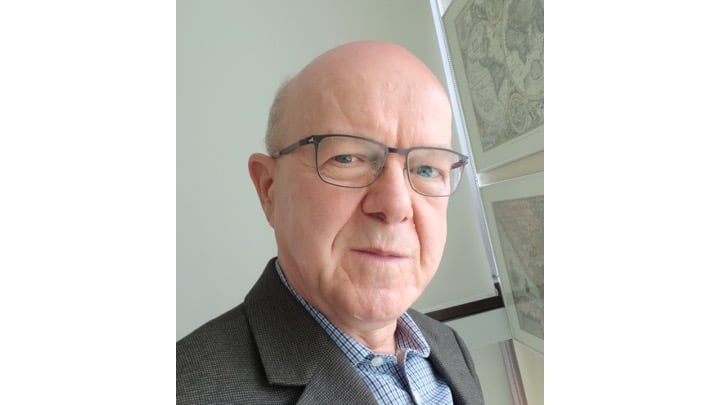
“Dr. Igbaria discovered a novel adaptive mechanism,” said Laurindo, who was not involved in the research.
Igbaria grew up in Mu’awiya, a small village of about 2000 people in the Wadi Ara area of central Israel.
He completed his studies in the village, and then his bachelor’s degree in biology at the Technion-Israel Institute of Technology in Haifa.
He said his parents always encouraged him to study.
His uncle Ahmad Igbaria is a professor at Tel Aviv University. A cousin, Dr. Abed Agbarya, the director of the oncology department in Haifa’s Bnei Zion Medical Center, participated in research to develop an inexpensive blood test for diagnosing lung cancer.
The death of Igbaria’s father from lung cancer at a young age propelled Igbaria to switch from chemistry to biology in the hope of finding a cure. He said that cancer in the Arab Israeli community “is increasing, and the age is decreasing.”
“Sadly, cancer is becoming very common,” he said. “That is what pushes me. It’s the personal story behind my research.”