ICJ set to rule on Myanmar genocide, in potential preview for case against Israel
Thursday judgment on 2017 Rohingya killings will be UN top court's first ruling on genocide in a decade, and could give clues on the court's treatment of Gaza proceedings
THE HAGUE/COX’S BAZAR, Bangladesh (Reuters) — The United Nations’ highest court is set to rule on Thursday on whether Myanmar’s 2017 military campaign against the minority Rohingya amounted to genocide, in a closely watched case that could shape how courts assess state responsibility for the gravest crime under international law.
The decision by the International Court of Justice (ICJ), also known as the World Court, will be its first substantive ruling in more than a decade on alleged violations of the 1948 Genocide Convention.
For the Rohingya, the judgment represents a rare moment of hope that the world will formally recognize their suffering and take a step toward accountability.
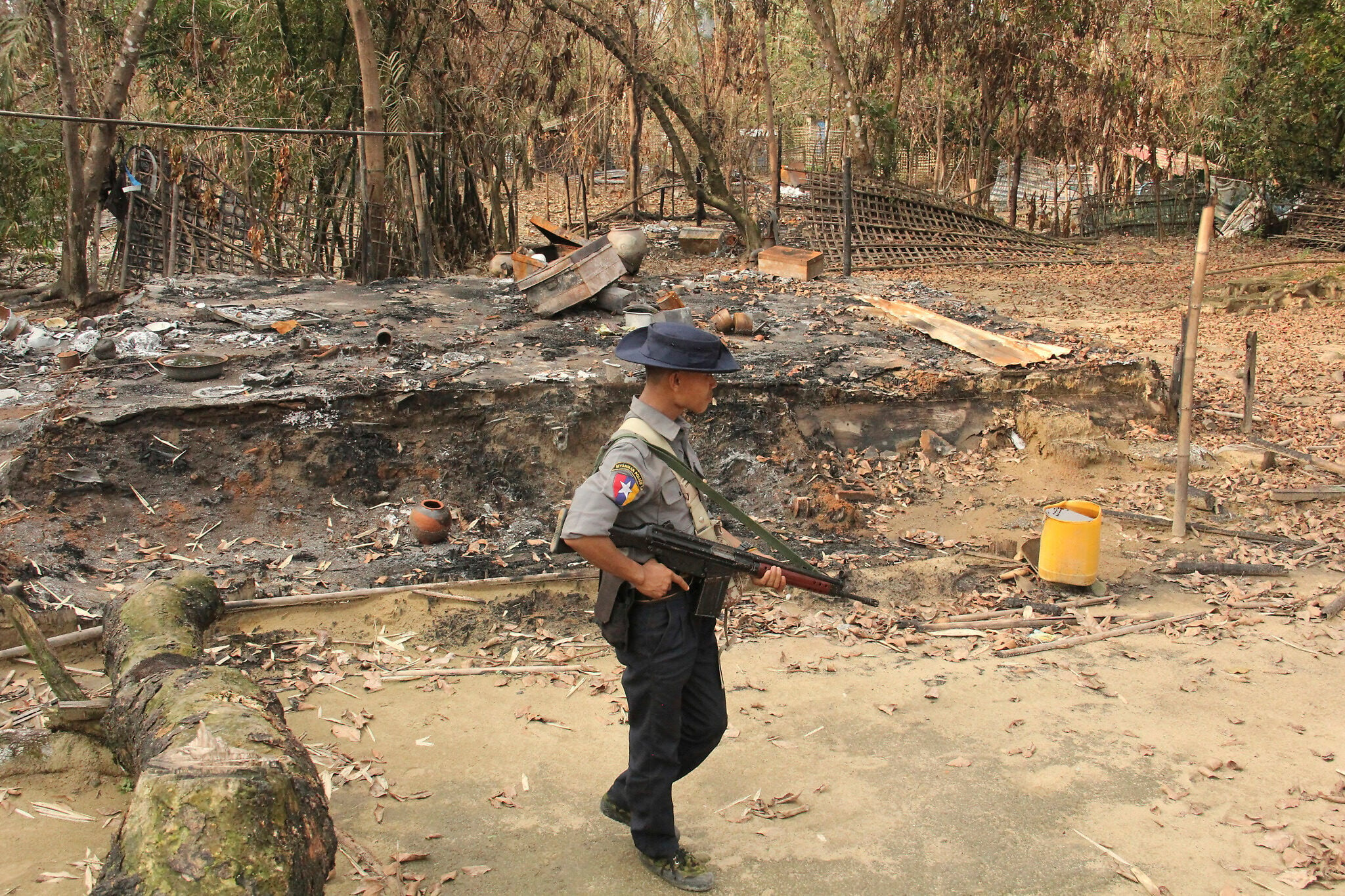
“The military took my husband and other men from the village. We saw it happen with our own eyes,” said Hasina Khatun, 34, who lost her husband and brother in the Inn Din massacre, one of several mass killings in Myanmar’s northern Rakhine State.
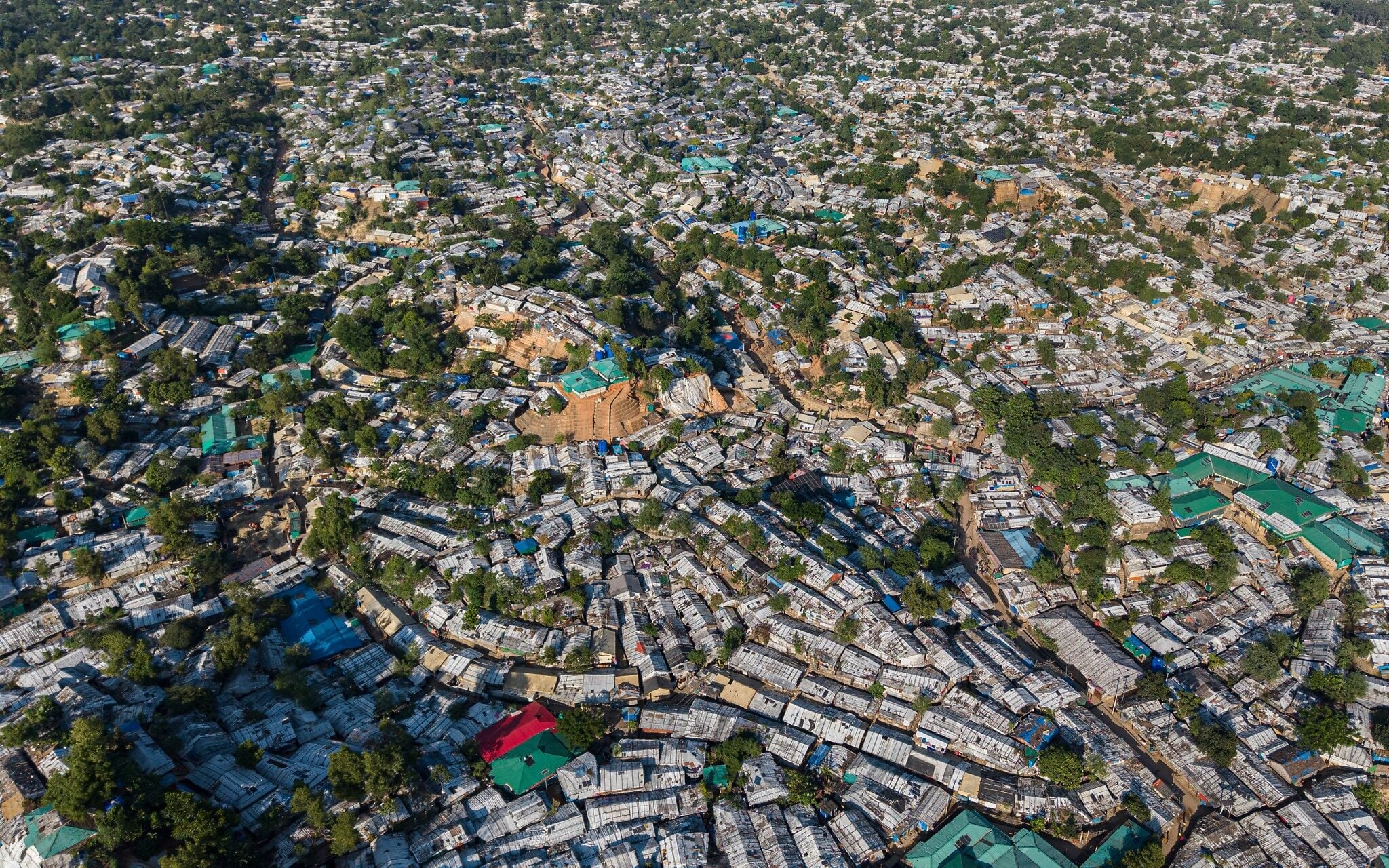
“My husband was gone, my children were crying from hunger, and I was pregnant,” she said. “There was no one to help me. Somehow we survived and reached Bangladesh,” where they now live in a nine-by-12-foot (three-by-four meter) shelter made of bamboo and plastic sheeting.
Khatun is raising her sons, aged 14, 12 and nine, among about 1.2 million Rohingya refugees in Cox’s Bazar, the world’s largest refugee settlement.
“We have been waiting for a long time for the verdict,” she said. “We hope it will bring us justice and pave the way for our return home. We want to return to Myanmar with dignity, security, citizenship, and our full rights,” she said.
Myanmar’s military-backed government did not respond to requests for comment.
Genocidal intent
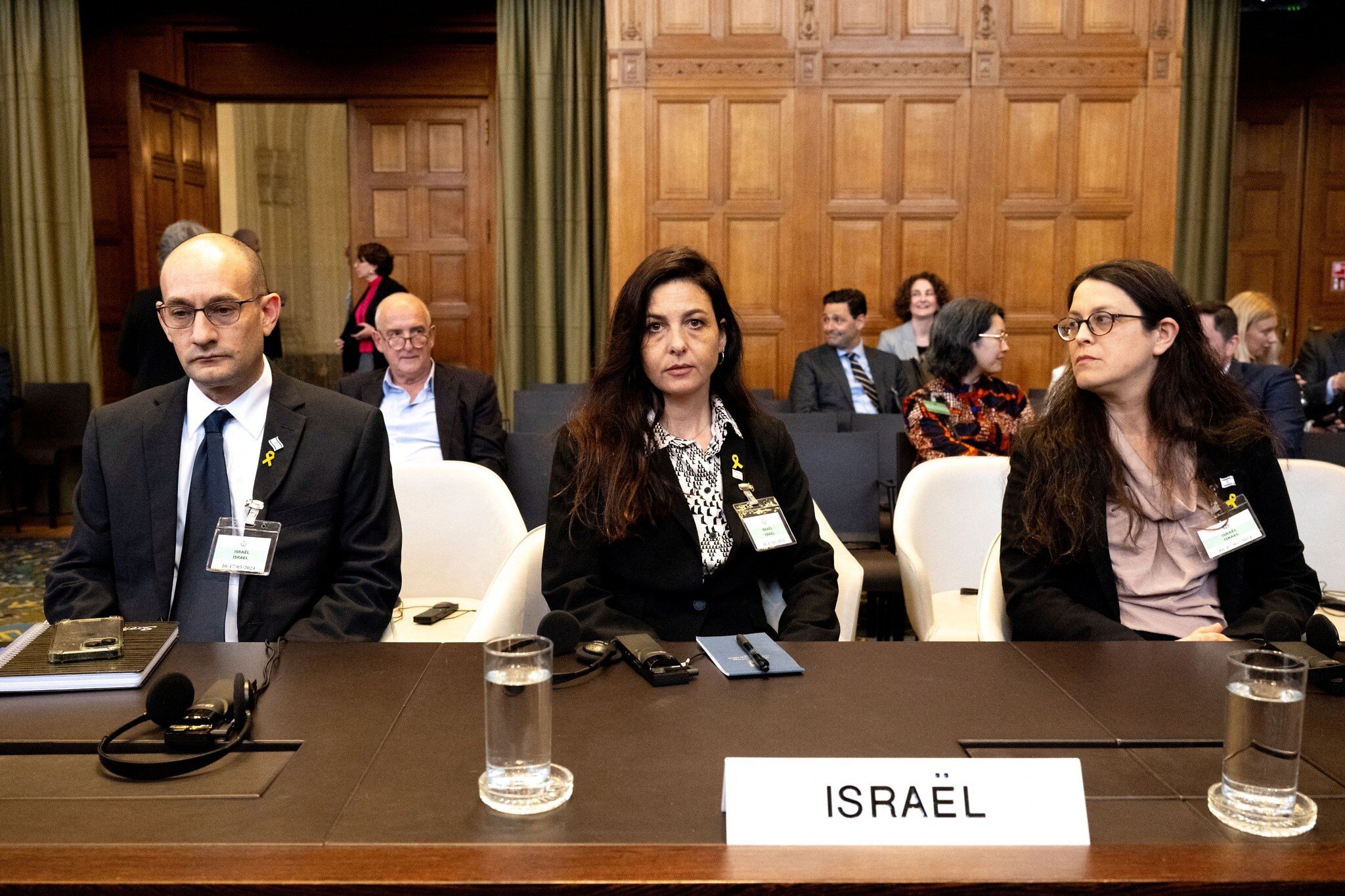
Legal scholars will be scrutinizing the ruling for guidance that could resonate beyond Myanmar, including in South Africa’s 2023 case alleging that the offensive launched by Israel against the Palestinian terror group Hamas after the latter’s October 7, 2023, massacre breached the Genocide Convention.
Israel has strongly rejected the accusation of genocide, which has become widespread among its critics, as baseless, and accused South Africa of acting as an emissary of Hamas. Jerusalem has said it seeks to minimize civilian fatalities and stresses that Hamas uses Gaza’s civilians as human shields, fighting from civilian areas including homes, hospitals, schools and mosques.
The case is ongoing, and proceedings at the ICJ generally last for years.
Gambia brought the Rohingya case in 2019, arguing that Myanmar bears state responsibility for genocide after a military offensive drove at least 730,000 Muslim Rohingya from Buddhist-majority Myanmar into neighboring Bangladesh.
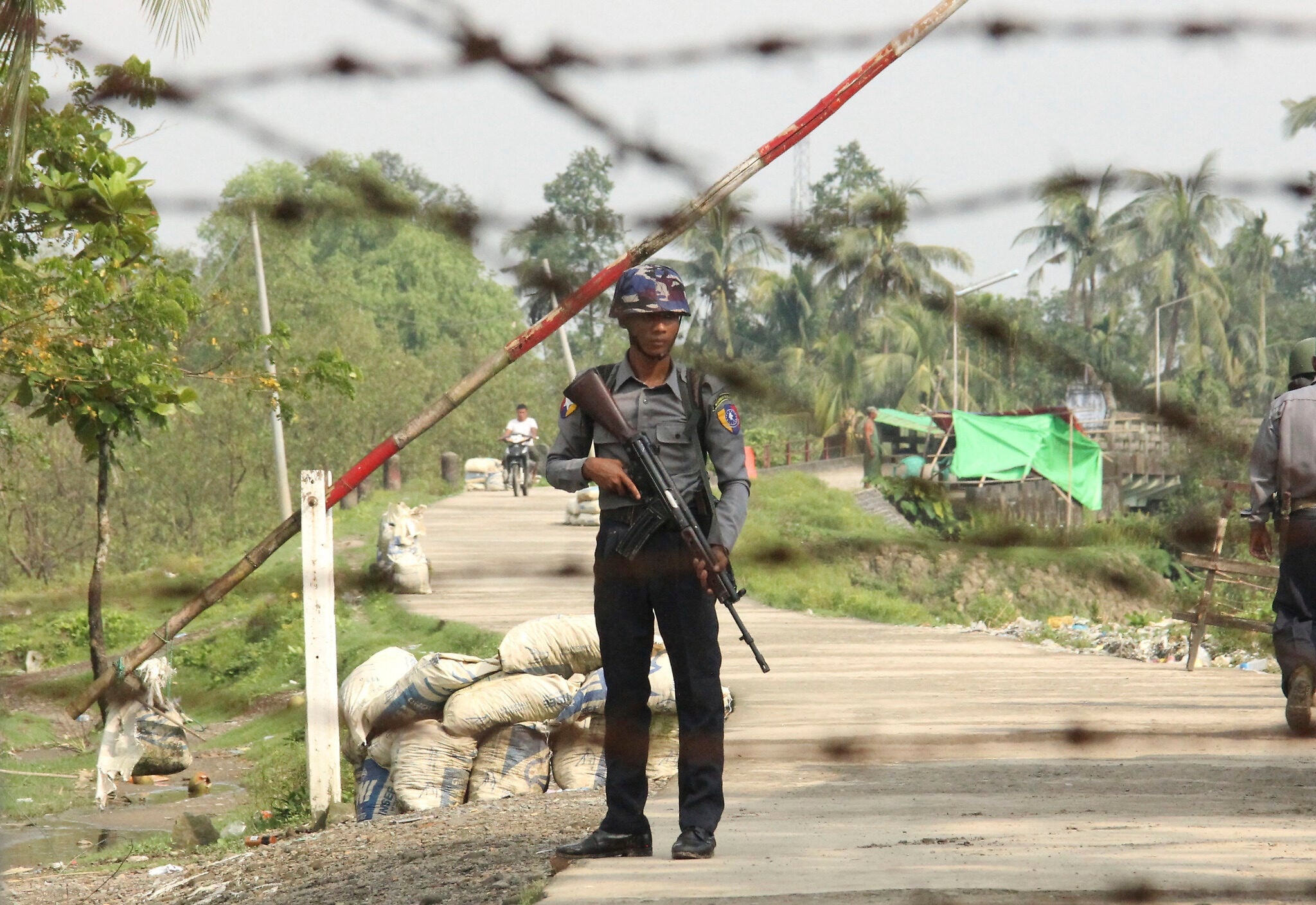
Refugees recounted killings, mass rape and the burning of villages. A UN fact-finding mission concluded the campaign included “genocidal acts.” Myanmar denies genocide and says its forces were carrying out a legitimate counter-insurgency operation.
Genocide has rarely been established in international courts, largely because prosecutors must prove the specific intent to destroy, in whole or in part, a national, ethnic, racial or religious group.
The Myanmar case has echoes of the proceedings against Israel, particularly over arguments that military operations were legitimate responses to attacks by armed groups, said Melanie O’Brien, a professor of international law at the University of Western Australia.
Lawyers will be watching how much weight the panel of UN judges gives to various independent UN inquiries — some of which found genocidal intent in Gaza and Myanmar — and whether the court looks beyond mass killings to crimes against women and children to establish genocidal intent.
“This case will certainly impact other genocide cases,” Priya Pillai, an international lawyer who heads the Asia Justice Coalition, said.
International courts have recognized genocide in only a handful of cases since the Holocaust, including the 1994 Rwanda genocide, the 1995 Srebrenica massacre in Bosnia, and crimes committed by Cambodia’s Khmer Rouge in the late 1970s.
As part of its case, Gambia has also asked the court to order Myanmar to pay reparations and ensure the safe return of Rohingya refugees.
The ICJ settles disputes between states and rules on alleged breaches of international treaties. It should not be confused with the International Criminal Court, which prosecutes individuals for crimes including war crimes, crimes against humanity and genocide. ICJ rulings are final.
Times of Israel staff contributed to this report.