IDF plans shorter reserve duty, more training for standing forces in 2027
Plan caps reservists' annual service days at 58, down from 63, while reducing number of battalions on all fronts; military says changes will preserve defense along Israel's borders
With Israel’s multi-front war winding down, the Israel Defense Forces announced Wednesday that it plans to reduce the number of battalions assigned to security missions on all fronts, allowing for longer training periods.
The military also said it plans to reduce the number of days reservists are called up for, to a maximum of 58 days in 2027, down from 63 or, in some cases, more.
Earlier this week, IDF Chief of Staff Lt. Gen. Eyal Zamir held a meeting with senior officers to set out the principles for the military’s 2027 “combat chart.”
The military said the chart “serves as the basis for planning and deploying IDF troops throughout the year, including operational deployment missions, training, defensive posture, and the allocation of forces to the various commands.”
During the discussion, “several decisions were made regarding the IDF’s preparations for the coming year, in accordance with operational needs in the various theaters of war,” the army said.
As part of the updated combat chart, the military said the number of battalions “assigned to ongoing defensive missions will be reduced,” allowing standing army brigades to conduct more training and increase their readiness for war.
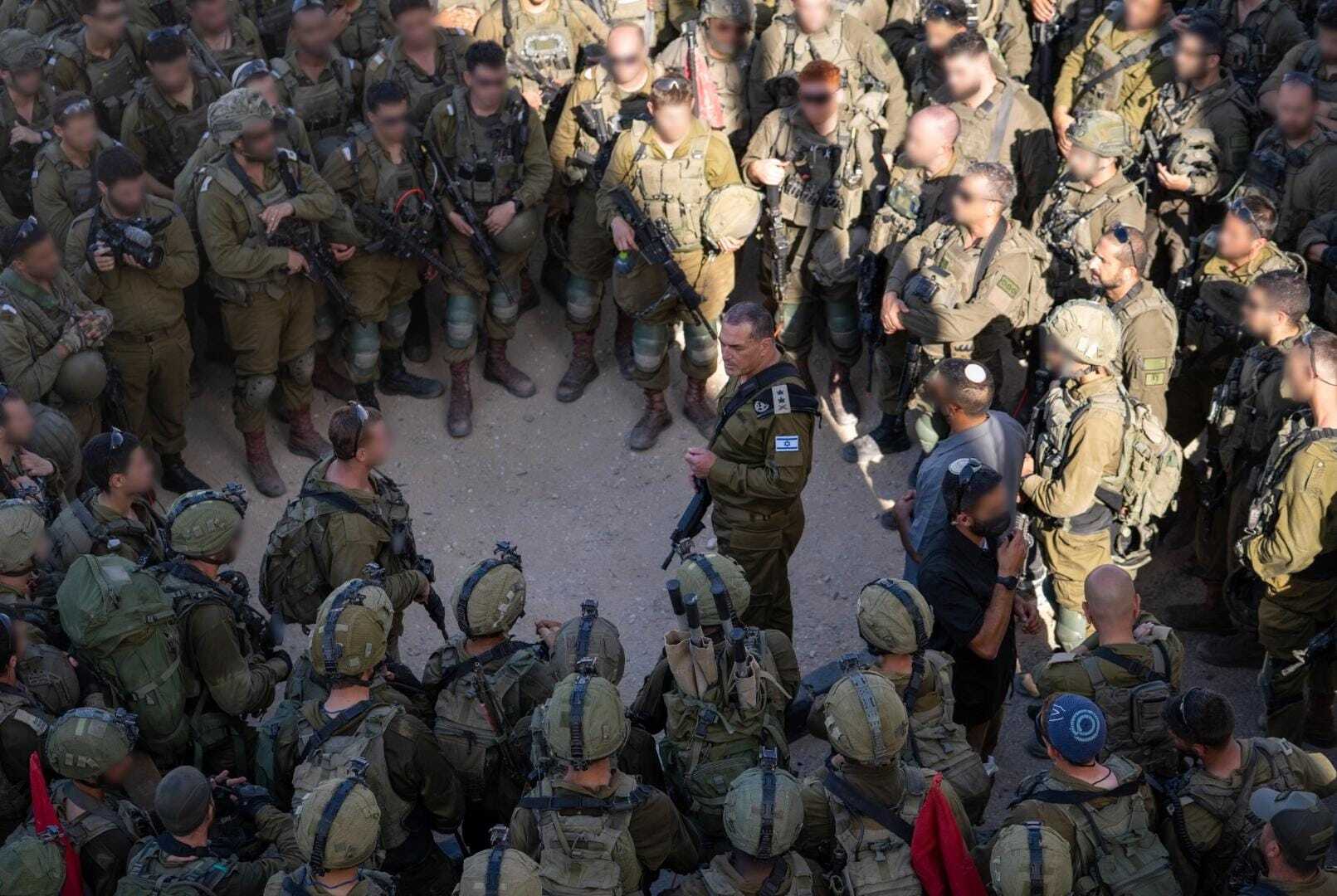
Standing army forces will carry out eight weeks of training in 2027, along with four weeks of rest and relaxation, according to the updated chart.
The IDF said the change will be carried out “while maintaining defensive capabilities and operational responses along all borders.”
Additionally, the updated combat chart calls for reducing reserve duty to a maximum of 58 days, including 42 days of operational activity, with the remaining days dedicated to training and organizational activities.
Earlier this year, amid the war in Iran and against Hezbollah in Lebanon, the IDF had extended the time reservists would serve from six to nine weeks.
The military said Wednesday that it was working with the Defense Ministry to ensure that reservists remain entitled to all benefits in 2027, despite the reduction in the number of days when they are called up.
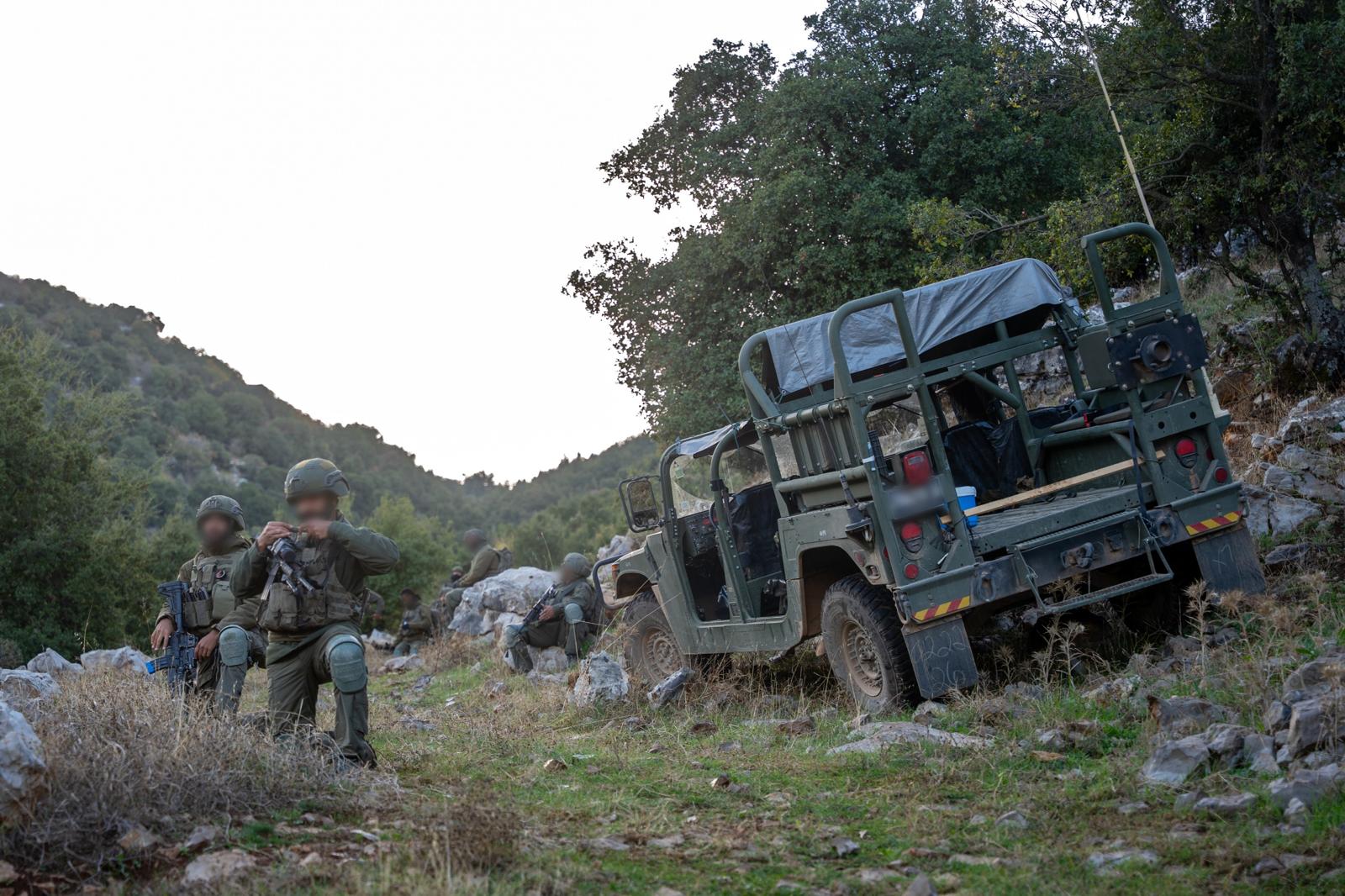
The ongoing multi-front war, triggered by Hamas’s October 7, 2023, invasion of southern Israel, prompted the IDF to mobilize some 300,000 reservists within 48 hours — the largest call-up since the 1973 Yom Kippur War.
While that initial mobilization has since eased, the IDF has continued calling up thousands of reservists in successive waves, with reserve troops serving an average of 94 days in 2024 and 78 days in 2025.
The IDF has repeatedly said it urgently needs 12,000 recruits — including 7,000 combat troops — due to the strain on standing and reserve forces caused by the years-long conflict.

The IDF’s Personnel Directorate has intensified its efforts over the past three years to “maximize manpower” and expand its pool of recruits, including by opening more combat roles to women, calling on those exempt from reserve duty to return to service, and working to integrate ultra-Orthodox men, who historically received exemptions, into the army.
Some 80,000 ultra-Orthodox men aged 18 to 24 are currently believed to be eligible for military service but have not enlisted. The issue of ultra-Orthodox military service is subject to fierce debate across Israeli society and politics, with Haredi politicians pushing for continued blanket exemptions, while their opponents have pledged legislation mandating universal service.