IDF says Hamas tunnel commander and Oct. 7 hostage-holder killed in Gaza strikes
Army also says 2 Palestinians cross Yellow Line in separate incidents, one shot and one detained; kites from Gaza land in southern Israel, without any objects attached
The IDF said Saturday it had killed a Hamas commander involved in efforts to restore the terror group’s tunnel network in central Gaza. It also said it had killed an October 7 terrorist who had held hostages, shot a Palestinian who crossed into Israeli-held territory in the Strip, and detained an armed Hamas operative who breached the same boundary.
The Saturday strike in Deir al-Balah killed Sharif al-Hasanat, whom the IDF identified as a company commander in the terror group’s Deir al-Balah battalion. The military said Hasanat had spent much of the war helping restore Hamas’s underground infrastructure and had recently continued efforts to advance attacks against Israeli troops and civilians.
“Throughout the war, the terrorist led efforts to restore the underground infrastructure of the Hamas terror organization,” the IDF said, adding that Hasanat had posed an “immediate threat to our forces and was eliminated.” The military indicated it viewed that threat as justifying the strike despite the general ceasefire in Gaza.
The announcement came a day after the IDF said another Hamas operative, Sobhi Sami Mahmoud Shahtot, had been killed in a Wednesday strike in Nuseirat, also in central Gaza. The military identified Shahtot as a platoon commander in Hamas’s military wing who invaded Israel during the terror group’s October 7, 2023, onslaught.
According to the IDF, Shahtot “took part in holding numerous hostages in Hamas captivity during the war” and was seen participating in Hamas hostage-release ceremonies in November 2023.
The IDF justified the attack by saying he had recently been advancing attacks against Israeli troops and civilians and was killed “to remove the threat.”
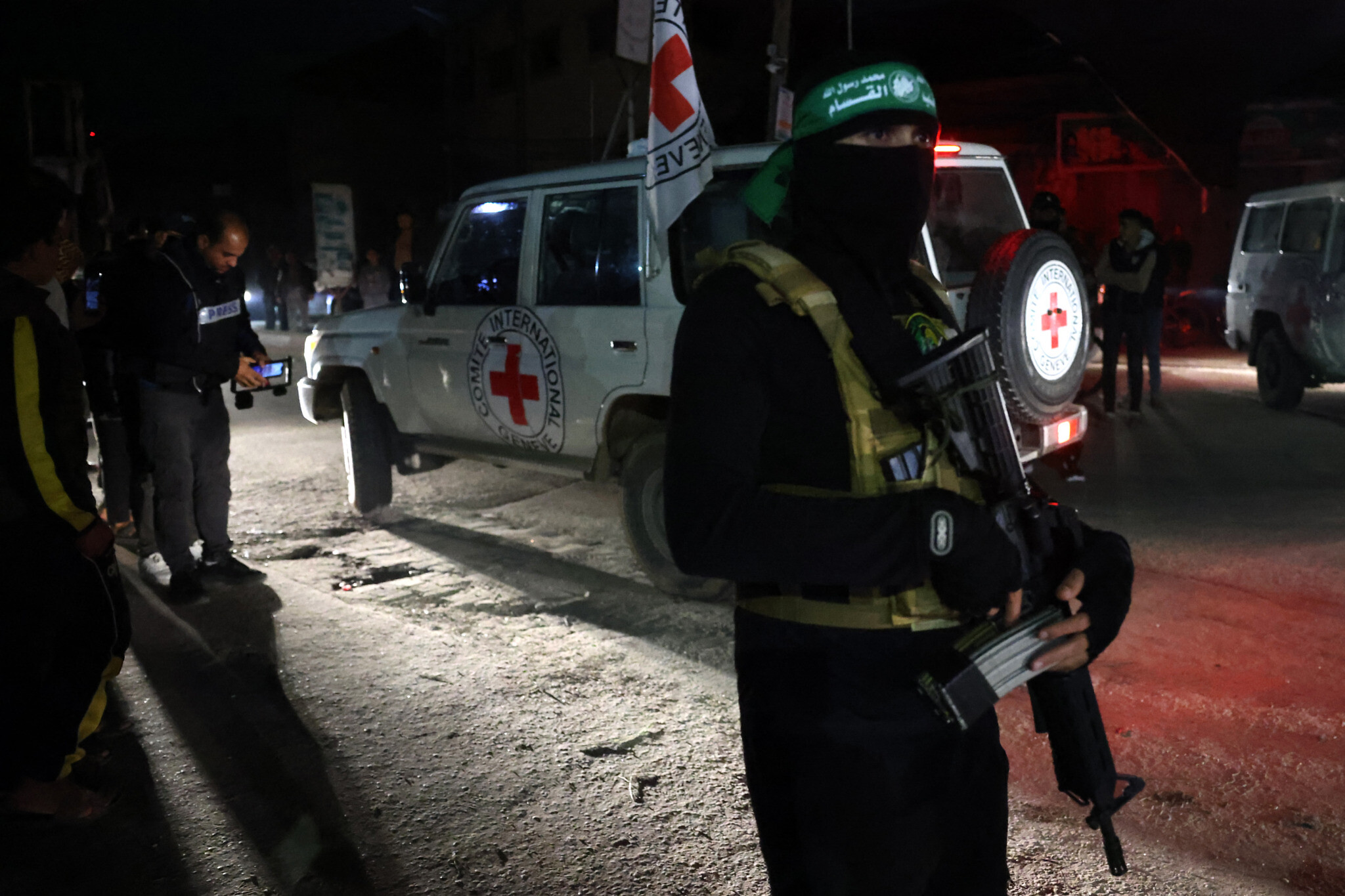
Incidents along the Yellow Line
The military also reported two separate confrontations along the “Yellow Line” on Friday. The line divides the Strip between areas controlled by the IDF and those under Hamas control under the current ceasefire arrangements. As drawn by mediators, it encompasses 53% of the Gaza Strip, most of it outside urban areas. The IDF, however, does not physically hold all of that territory, with many of the army’s positions located closer to the Israeli border.
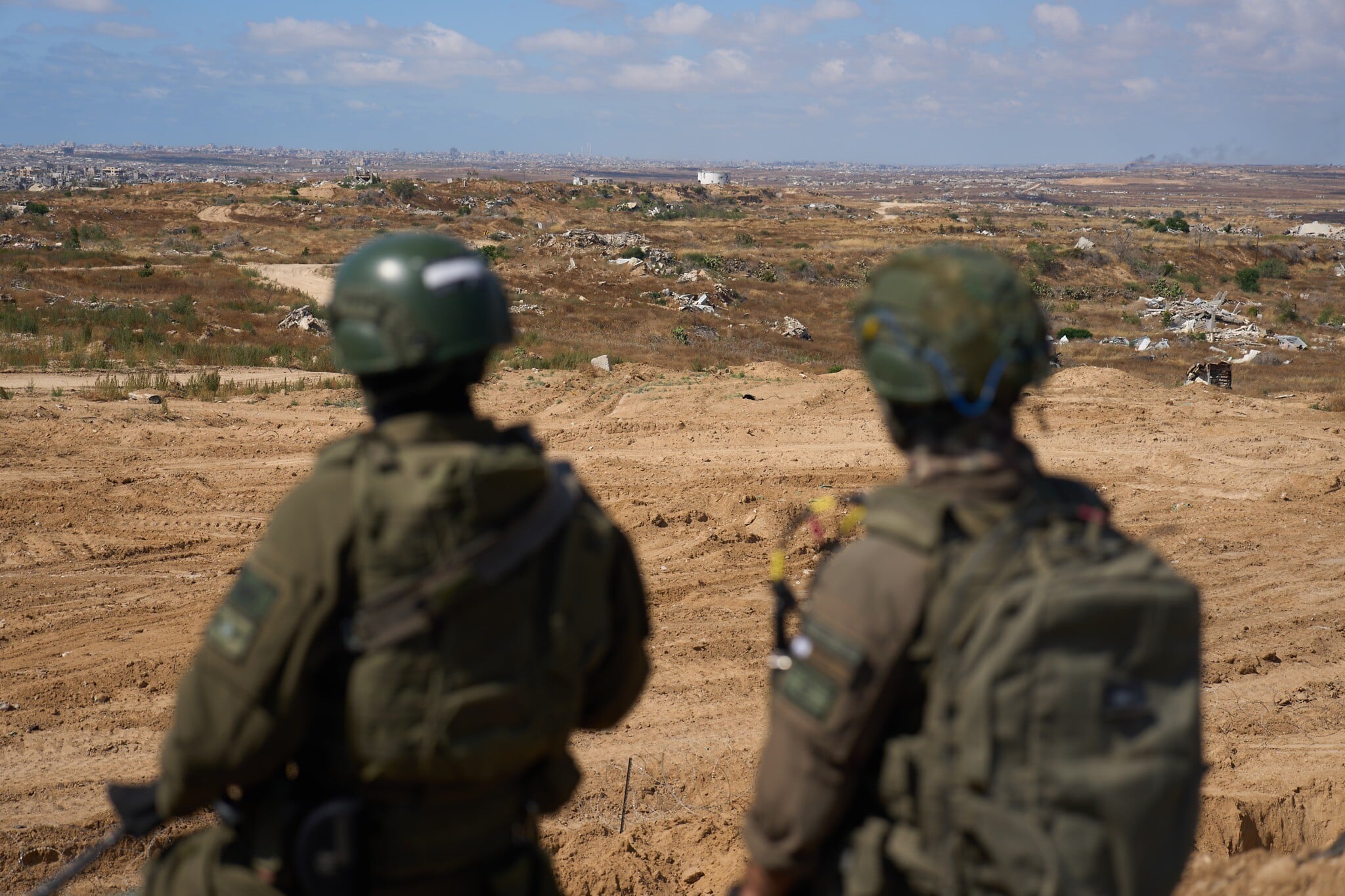
In southern Gaza, Givati Brigade troops shot a Palestinian who crossed the line and approached Israeli forces in a manner the military said posed an immediate threat. The IDF described the man as a terrorist and said troops opened fire to “neutralize” him and remove the threat.
Later Friday, troops from the 99th Division operating in central Gaza spotted what the army identified as a Hamas operative armed with a knife approaching the Yellow Line. Soldiers monitored the man after he crossed into the Israeli-held portion of the Strip and then detained him, the IDF said. He was taken to Israel for questioning.
Kites flown from Gaza land in southern Israel
Across the border, four kites with strings stretching for kilometers were located in Kibbutz Nahal Oz, a civilian kibbutz in the Gaza Envelope. The army said the kites were not carrying anything suspicious and did not pose a threat.
Their purpose was not immediately clear, nor was it known who had sent them or why they had strings with a length no ordinary kite would have.
Hebrew media reports said the military assesses that Hamas was behind the kites, and was testing Israel’s response.
In response, the Shaar Hanegev Regional Council on the border with the Strip demanded that the military respond to kites flown over the border from the Hamas-run territory.
“We demand that the IDF act against every kite that crosses into Israeli territory, locate it, and deal with it in real time. Not after it has landed. Not retroactively. In real time,” said the head of the council, Uri Epstein.
In 2018, Palestinian terrorists regularly launched kites carrying incendiary devices at Israeli border communities, setting fire to wide swaths of land.
דג'ה וו מסוכן מאוד.
*4 עפיפונים בפחות מיממה בעוטף. אורי אפשטיין, ראש מועצת שער הנגב: "שומע הקטנה של האירוע ממערכת הביטחון. והם לא יודעים מי עומד מאחורי העפיפונים".
*אזהרות של תצפיתניות
*לוחמים לא מקבלים פקודות לתקוף מחבלים
*משאיות אספקה שמממנות את חמאס, בעצם המשך מימון… pic.twitter.com/4SS364UnCb— אסף פוזיילוב (@pozailov1) August 22, 2026
“These incidents must not become a routine the security establishment learns to live with. A kite that crosses into Israeli territory is an incident that requires a response. When there is no response, the message that gets across to the other side is that they can continue,” he added.
“We must not make this mistake again. We demand an immediate investigation of the incidents, and to ensure that there is a response that is activated in real time, not after the incident has ended,” Epstein said.
Ceasefire remains under strain
The weekend incidents came after Israel carried out targeted strikes against Hamas commanders despite the ceasefire, arguing that operatives actively planning attacks on Israeli troops or civilians remained legitimate targets. Turkey, Egypt and Qatar, which have been involved in efforts to mediate the Gaza conflict, condemned an increase in Israeli strikes on Thursday and urged Jerusalem to abide by the ceasefire and avoid actions that could escalate tensions.
The three countries said the strikes risked undermining international efforts to implement the US-backed plan for ending the Gaza conflict. The plan calls for Hamas to disarm in exchange for a gradual Israeli withdrawal from the Strip, but progress has remained stalled.

Hamas has said it accepts the proposal, but Prime Minister Benjamin Netanyahu has rejected moving ahead with the plan until Hamas fully gives up its weapons.
Netanyahu’s office on Thursday stressed that Israel had not yet approved the deployment of the nascent International Stabilization Force to Gaza, following Hebrew media reports suggesting otherwise.
“Contrary to media reports, the political echelon has not approved the entry of the international force to the Gaza Strip,” the statement read, adding that “Israel has made it clear that there will not be any reconstruction in the Strip before Hamas is fully disarmed.”
Hamas tightening grip
The weekend military activity also came as Israel accused Hamas of tightening its grip on Gaza’s civilian population as it seeks to retain control of the enclave.
In a joint statement Thursday, the IDF and Shin Bet alleged that Hamas has been using Nasser Hospital in Khan Younis to interrogate and torture Palestinians as it faced what Israeli authorities described as an “erosion of support” in Gaza. The military said Hamas had stepped up the activities of its internal security apparatus and was seeking to maintain control through “intimidation, interrogations and torture of residents.”
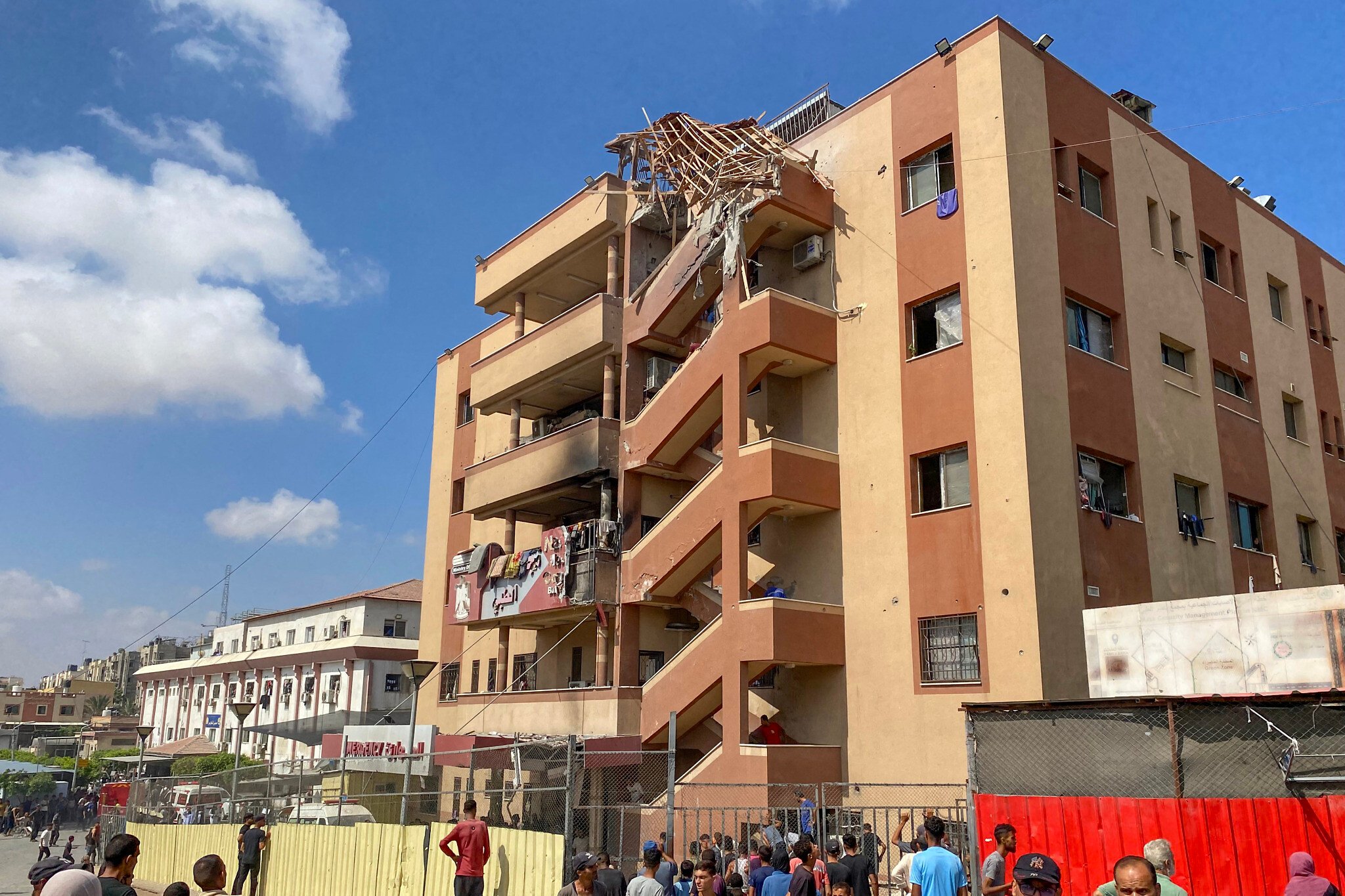
According to Israeli intelligence cited in the statement, Hamas internal security and military intelligence personnel were conducting interrogations on the second floor of the hospital’s outpatient-clinic building.
The IDF and Shin Bet also alleged that Hamas was using parts of the hospital complex for governance, interrogations and collecting money, as well as using a former hospital office building converted into a place of worship as another interrogation center.
The military said masked Hamas operatives maintained a regular presence in areas of the hospital compound and that the use of the medical facility created fear among patients and staff.
Israel has long accused Hamas and other Palestinian terror groups of exploiting hospitals and other protected civilian sites for military purposes. Israeli hostages have also said they were held at Nasser Hospital.
Earlier in 2026, Doctors Without Borders suspended noncritical medical activities at Nasser Hospital because of the presence of armed men there. The previous year, a doctor who also served as a Nasser Hospital spokesman hinted that Palestinian Islamic Jihad had threatened him after he refused to allow its operatives to use the facility.