In first, Palestinian accused of lethal terror attack to be eligible for death penalty
Qadri Samara is expected to be charged with the murder of Netanel Shukrun, paving way for him to be sentenced to death by hanging; Ben Gvir celebrates 'correct, moral' decision
In a first, military prosecutors intend to file an indictment against a Palestinian accused of carrying out a deadly terror shooting in the West Bank in September, making him eligible for the death penalty that was instituted in Israel earlier this year.
The Israel Defense Forces said Sunday that the Military Prosecution has informed the family of Netanel Shukrun, who was killed in the September 20 shooting attack, that it intends to indict the alleged terrorist, Qadri Samara, on a charge of intentionally causing death — the military-law equivalent of murder in the West Bank — under Section 209(A1) of the Order regarding Security Provisions.
It will be the first indictment filed under an amendment to the Security Provisions Order, introduced in May 2026, which established a mandatory death sentence by hanging for West Bank Palestinians convicted of carrying out deadly terror attacks, unless the military court imposes a life sentence under “special circumstances.”
Far-right National Security Minister Itamar Ben Gvir, whose Otzma Yehudit party was the driving force behind the legislation, hailed the IDF’s “historic” announcement. Party lawmaker Limor Son Har-Melech, who sponsored the bill, urged the military court to “uphold the provisions of the law” and sentence Samara to death.
Opponents of the death penalty, meanwhile, accused the IDF Military Prosecution of “sanctifying death.”
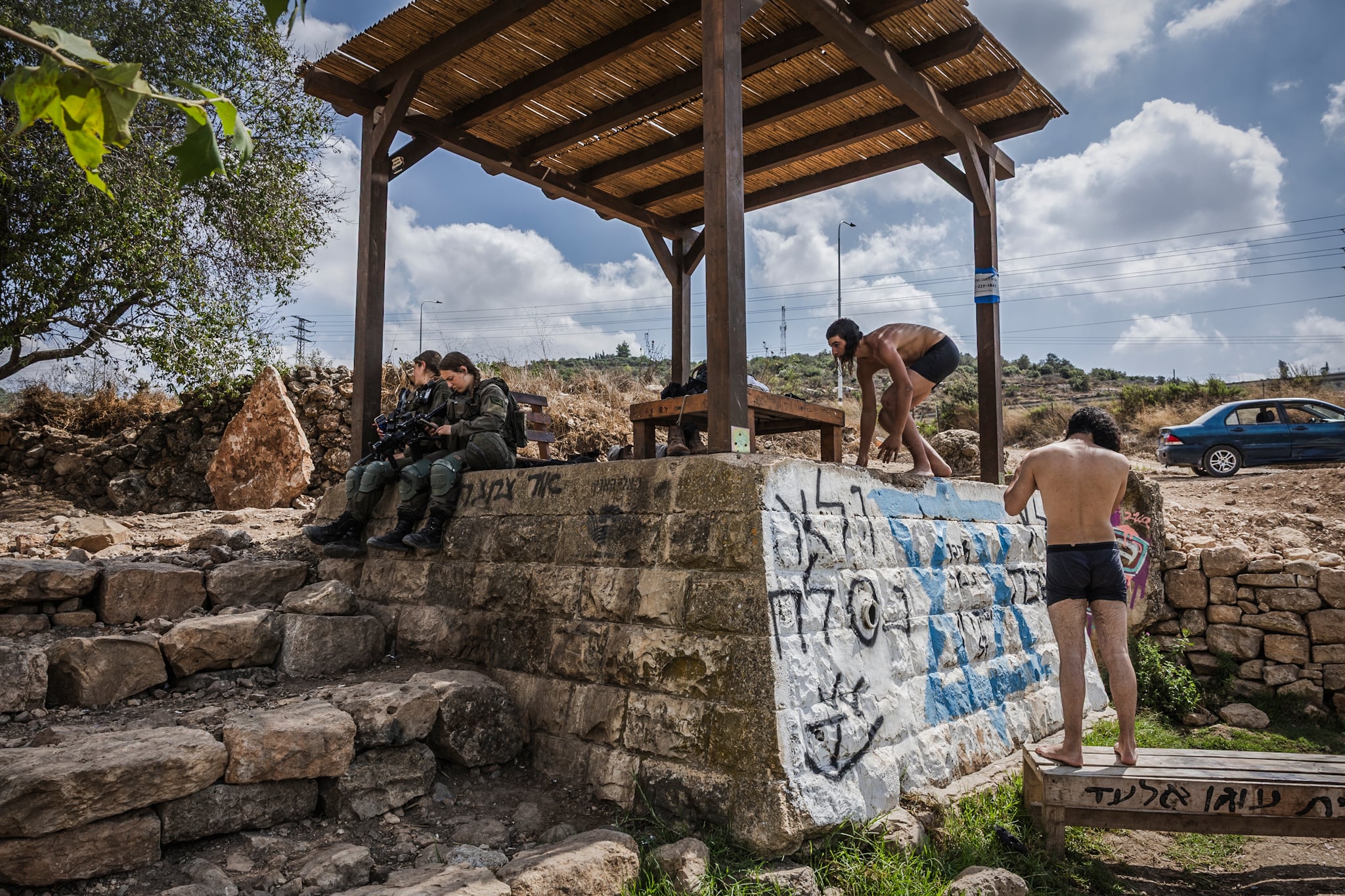
According to the indictment, which has yet to be filed, Samara arrived by car at a natural spring near the West Bank settlement of Neve Tzuf hours before the start of the Yom Kippur holiday. Armed with an assault rifle, he opened fire on Israeli bathers at the site.
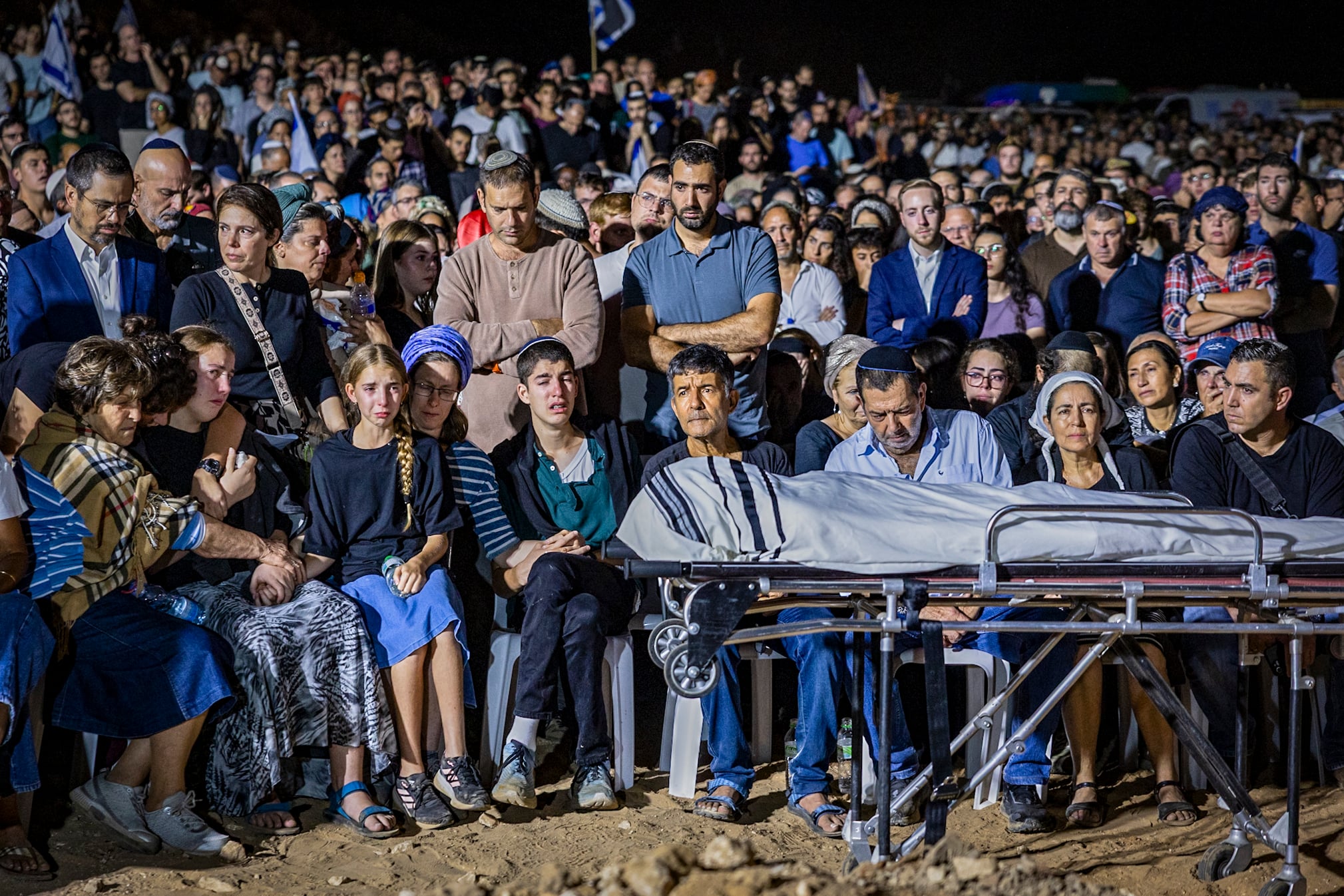
Shukrun, who was inside his car, was fatally wounded in the shooting and died of his wounds at Beilinson Hospital in Petah Tikva.

Shortly afterward, the combat tracker for the military’s Binyamin Regional Brigade opened fire on the gunman as he fled, wounding him, according to the IDF.
Samara then got back into his car and drove to a hospital near Ramallah, where Israeli commandos from the Duvdevan Unit located him several hours later.
Samara was interrogated for two months by the Shin Bet and Israel Police, “under the close supervision of military prosecution officials,” the IDF said.
In addition to the murder charge, the indictment will include further offenses related to shooting at people at the spring and at the IDF soldier, as well as illegal possession of the weapon, according to the military.
The Military Prosecution was seeking to keep Samara in custody until the conclusion of legal proceedings.
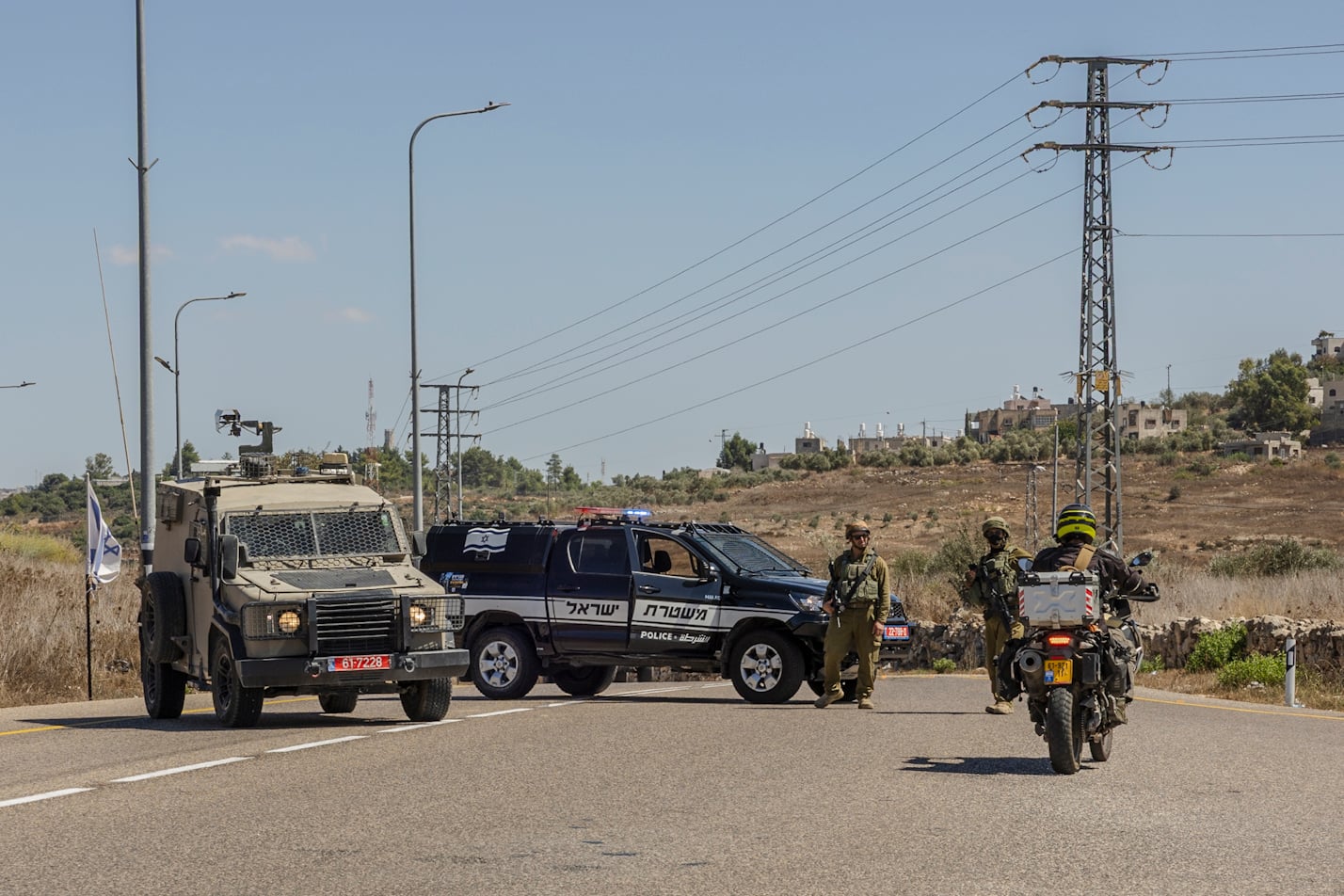
According to the Palestinian Prisoners’ Club, a court hearing for Samara is scheduled on Monday in the Ofer military prison north of Jerusalem, in which the indictment against him will be presented.
The IDF said the Military Advocate General’s Corps was “accompanying the Shukrun family, maintaining regular contact with them, and providing them with all the rights to which they are entitled under the law.”
Shukrun’s family welcomes decision
Shukrun’s family welcomed the announcement of intent to seek the death penalty, calling it “an important step toward achieving justice.”
“The terrorist did not just murder Netanel; he sought to harm all of us,” the family said in a statement. “When a terrorist chooses to murder a Jew simply for being a Jew, he is aiming his weapon at all people of Israel. Netanel was the victim, but we were all the target.”
Shukrun’s widow, Meirav, had written to Military Advocate General Maj. Gen. Itai Ofir to request that the military prosecution seek the death penalty, rather than life in prison.
Anything less than execution, she wrote, would be “rewarding terrorism.”
Sunday’s announcement was also warmly received by members of Prime Minister Benjamin Netanyahu’s outgoing coalition, which oversaw the legislation’s passage earlier this year.
“This is the appropriate punishment for the despicable terrorist and a measure of justice for the Shukrun family,” Defense Minister Israel Katz declared.
“My position has been, and remains, clear: The death penalty is the only appropriate punishment for terrorists who have committed cold-blooded murder,” Katz said. “Seeking the death penalty for terrorists should be the rule, not the exception.”
Ben Gvir, meanwhile, reiterated his stance that the death penalty was the “correct, moral” response to terrorism.
While most Otzma Yehudit lawmakers struck a celebratory tone — with freshman MK Hanamel Dorfman demanding apologies from anyone who doubted the law would ever be implemented — Son Har-Melech remained cautious.
“Seeking the death penalty is an important step, but the true test lies in the actual sentencing and execution,” she wrote.
Rights group: Military Advocate General is ‘sanctifying death’
The Public Committee against Torture in Israel (PCATI), which warned in September that Shukrun’s killing could be the first “real test” of the death penalty legislation, accused the Military Advocate General on Sunday of “sanctifying death.”
“The death penalty is always wrong, because it’s a cruel punishment that violates the right to life, but implementing it in a system tainted with torture is egregious even among the few countries that still execute prisoners,” said PCATI executive director Sari Bashi.
The organization said that Samara was denied access to his defense attorney for much of the interrogation period, and said there were “reasonable grounds to believe he was interrogated under torture.”
“Throughout the world, countries are abolishing the death penalty, but Israel is embracing a racist and draconian form of it, targeting Palestinians and based on confessions extracted under torture,” Bashi’s statement continued.
PCATI called on the international community to intervene and prevent Israel from enacting the death penalty.
Under the law, judges can opt for life imprisonment under vaguely defined “special circumstances.” The death penalty would otherwise be mandatory and be carried out within 90 days of sentencing.
The law effectively enshrines capital punishment for Palestinians alone, as it explicitly excludes Israeli citizens or residents, and only Palestinians are tried in military courts. Israelis are tried in civilian courts.
While the death penalty formally exists in Israeli law, it has been carried out only once — the 1962 execution of Nazi war criminal Adolf Eichmann. Until now, Israeli courts could impose capital punishment only under extremely narrow circumstances and only with a unanimous decision from a panel of judges, a threshold that has never been met in terrorism cases.
Agencies contributed to this report.