In Taiwan, a new cemetery marks rebirth of Jewish life
Recent openings of $16 million Jewish center, ritual bath, school and kosher restaurant highlight small community's rapid growth from 70 to 1,500 people, say community leaders
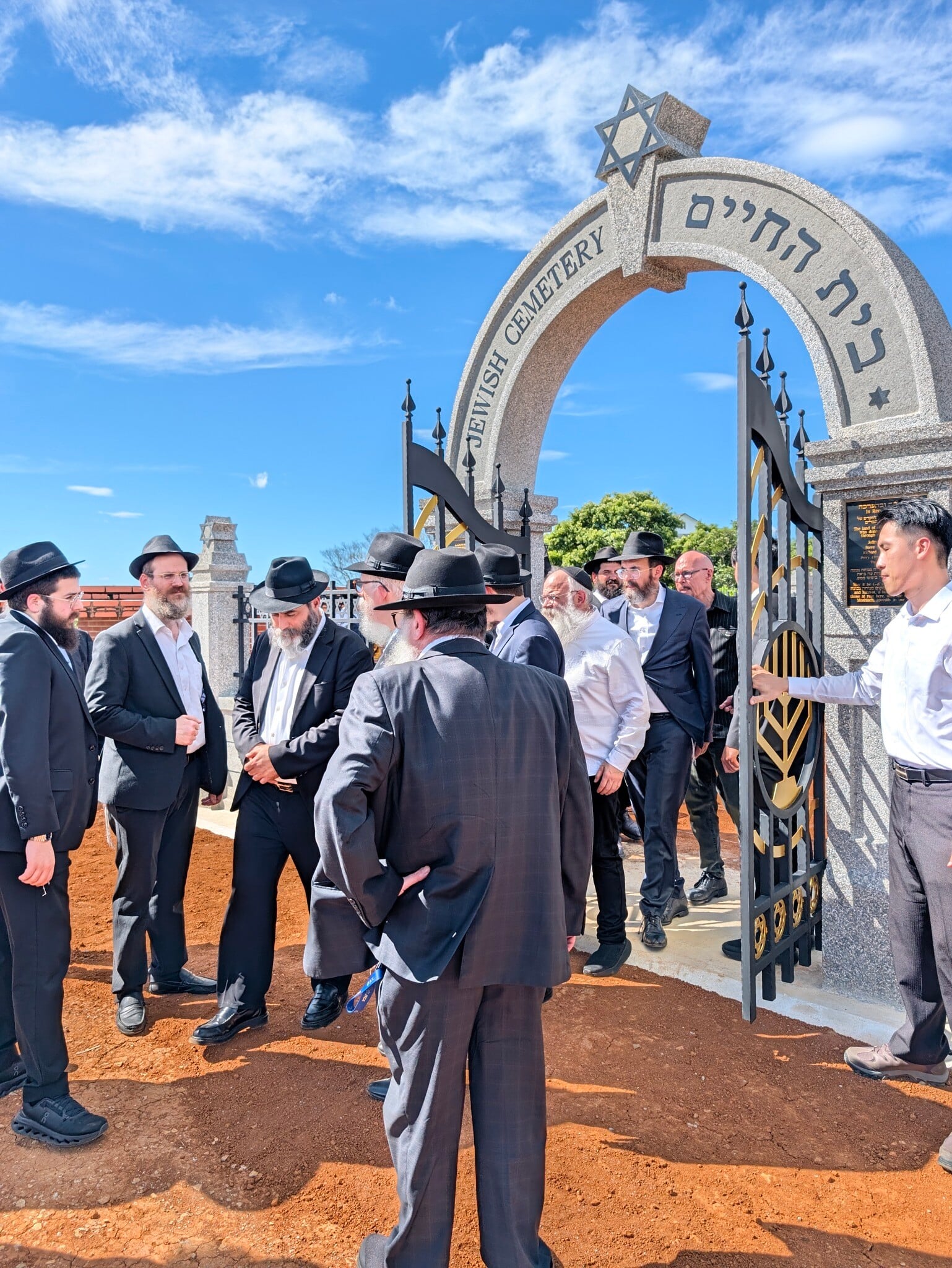
On a warm day in Taiwan last week, dozens of bearded rabbis walked slowly in a circle around the grounds of a new cemetery on a forested hillside outside Taipei.
Until recently, a Jew who died in the island country would have to be flown abroad to be buried in a Jewish cemetery. The consecration ritual, conducted by a group of Chabad emissaries, set the stage for local Jewish burial in a country that has seen a surge in Jewish life in recent years.
Aside from the cemetery, the country’s capital, Taipei, has seen the addition of a new synagogue, school, mikveh (ritual bath), and kosher restaurant. Last week, some 75 Chabad emissaries from 15 countries gathered there to visit the new institutions and discuss the outreach-focused Hasidic group’s recent expansion across Asia.
“The renaissance of Jewish life in the region is nothing short of miraculous,” said Rabbi Mendy Kotlarsky, who heads efforts to expand the movement internationally from Chabad global headquarters in Brooklyn, New York. “Just a few years back, many predicted the end of Jewish life in Southeast Asia. [Now], we’ve witnessed a complete transformation of Jewish life in the region.”
Roughly 1,500 Jews currently live in Taiwan, a country of about 23 million people, according to Rabbi Shlomi Tabib, who runs the Chabad of Taiwan. When Tabib and his wife arrived in Taipei in 2011 to establish the local Chabad House, they only knew of 70 Jews in the country.
“We had a list of names from within the community, but within a short while, it started to grow quickly,” Tabib told The Times of Israel in a telephone call. “It’s a community where people typically come for two or three years for work and then leave, and the people who are grounded here are mostly older, and not necessarily observant. But as we built a community here, people started coming out of the shadows.”
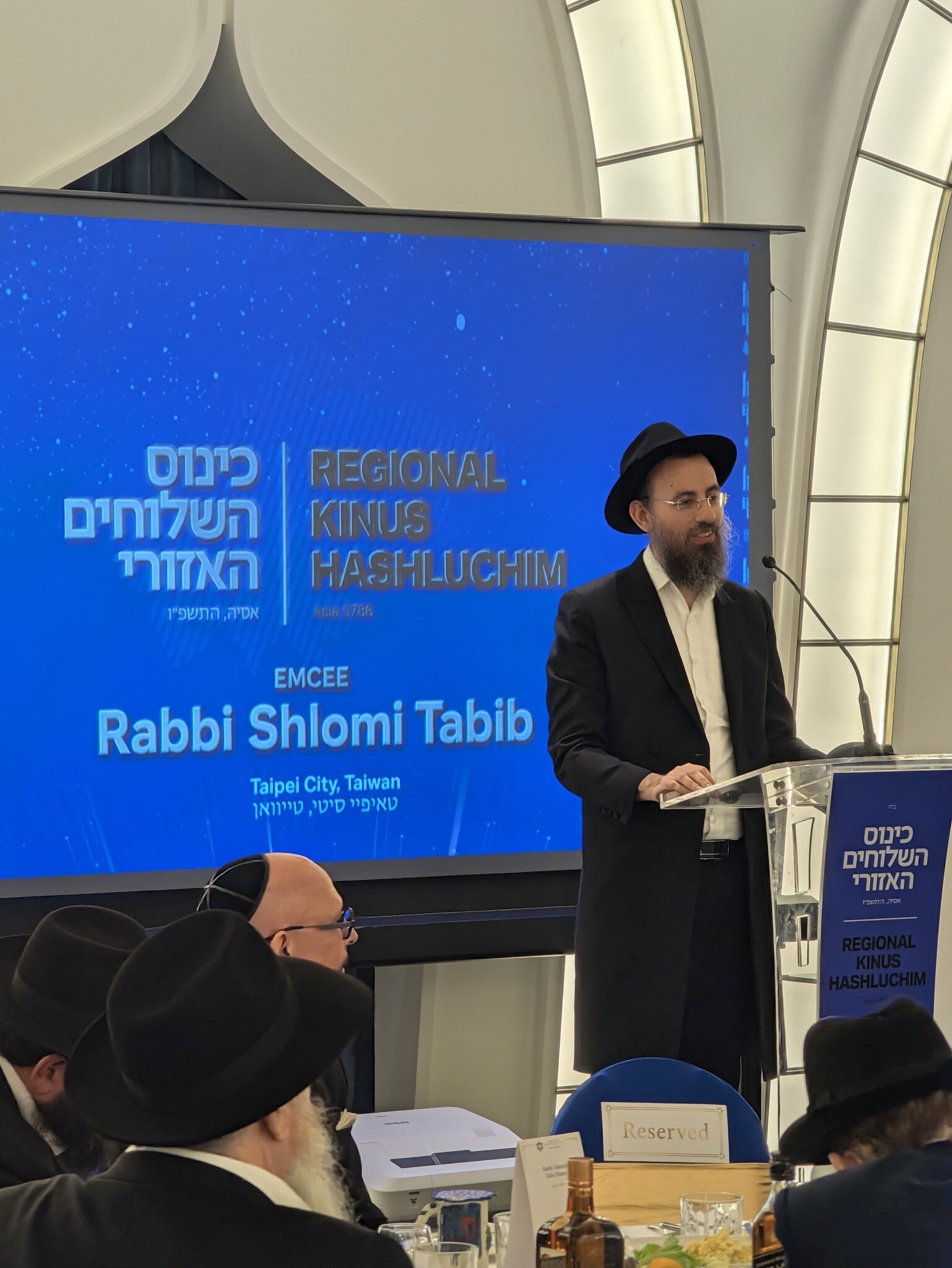
Now, Tabib’s synagogue gets 60 to 70 people on a typical Shabbat, and up to 300 on Jewish holidays, he said.
“We get a lot of travelers, especially people coming here for business and high-tech,” he said. “There has also been a rise in Israeli backpackers coming here, although they tend not to stay so long because this country isn’t cheap to visit.”
The Far East has become an increasingly popular destination for Jewish travelers since antisemitism began to surge around the world after the bloody October 7, 2023, Hamas onslaught. The country is safe to visit, and residents are generally supportive of Jews and Israel, Tabib said.
Organized Jewish life in Taiwan began in the 1950s, when American Jewish servicemen stationed on the island gathered for Shabbat and holidays. A synagogue founded at the time is still in operation.
But Tabib’s arrival 15 years ago helped galvanize interest, according to Chabad. Shortly after Tabib arrived, he met Jeffrey Schwartz, a Jewish businessman living in Taiwan who wanted to strengthen Jewish continuity in the country. Several years later, he helped open the city’s first Jewish community center, a $16 million complex spanning 2,100 square meters (22,500 square feet).
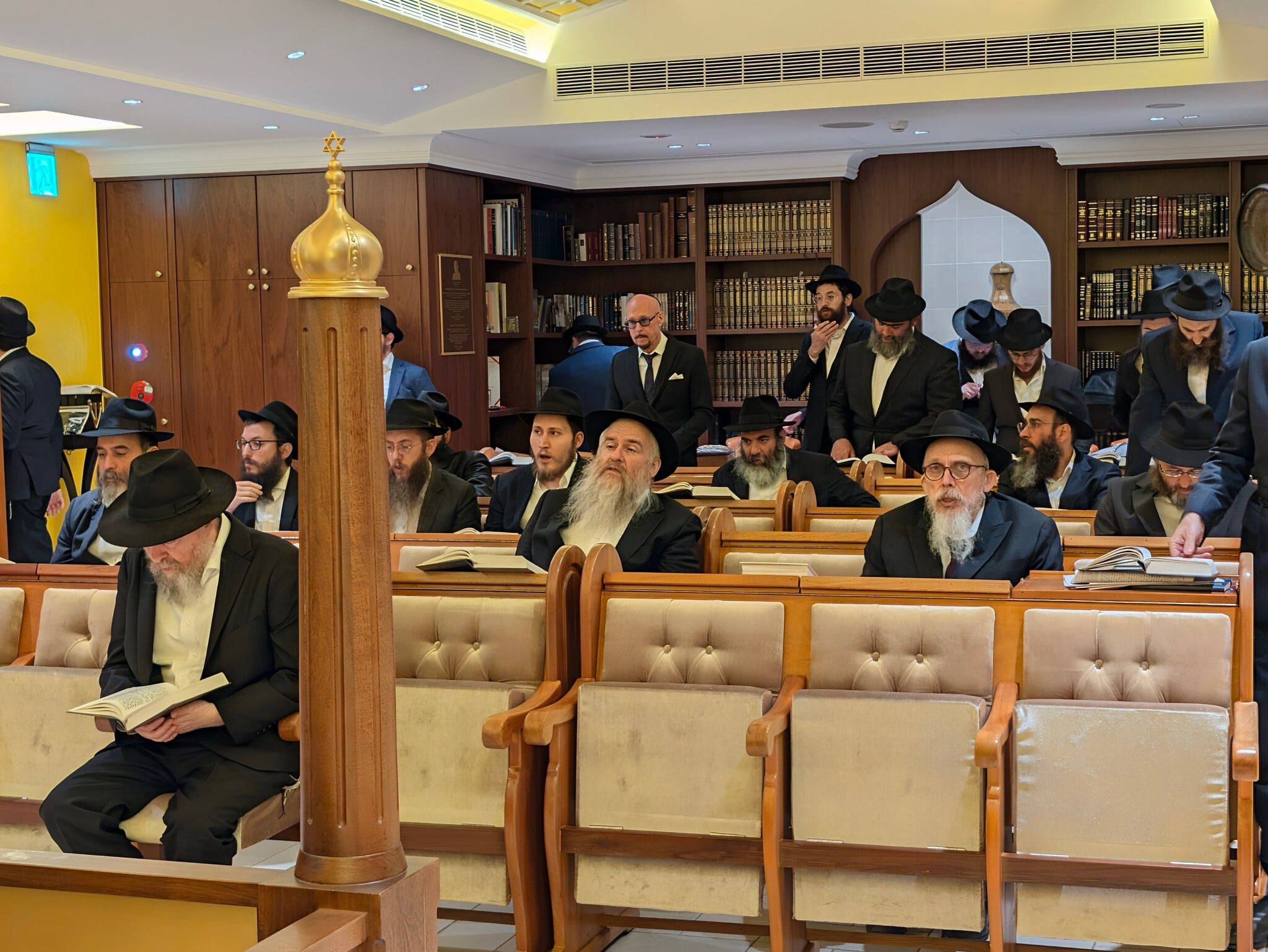
Today, the Jeffrey D. Schwartz Community Center is home to an upscale kosher restaurant, a 300-capacity ballroom, a Judaica museum, a synagogue, classrooms and a luxurious mikveh with a gold-leaf ceiling.
The community opened the cemetery this summer, three years after a dying member asked Tabib to make sure others would be able to be buried locally in the future. The first burial took place there on June 23, several months before the official consecration ceremony.
“This is really a sign of a thriving Jewish community which we have here,” Tabib said.
Chabad’s success in Taiwan reflects the movement’s larger story in the Far East, Kotlarsky said. Forty years after the movement opened its first center in Hong Kong, it now operates about 60 centers across the region, he noted.
Participants at this week’s conference, held alongside the dedication of the cemetery, included emissaries from India, Seoul, Tokyo and Bangkok, among other locations. They discussed issues including Jewish education, security measures, supporting young people in crisis, kosher certification and challenges in Jewish law that they face on a daily basis.
In one session, Schwartz asked loudly, “What’s next?” and then followed with an answer: a new fund dedicated to creating new Chabad centers, bringing new emissary couples to the Far East, building Jewish infrastructure, and supporting communities in the region.
The announcement was greeted with a uniquely Chabad response, said a spokesperson for the movement: joy filled the room, and the rabbis broke out in spontaneous dance.