In the West Bank, a violent storm is brewing
With Palestinians losing faith in their leaders and lionizing terrorists, the post-Abbas era is shaping up to be tumultuous
The fatal stabbing attack Wednesday morning near Karmei Tzur, as well as the rioting in recent days in Jenin, Burkin and, mainly, Tuesday night in Nablus, reveal a great deal about the prevailing winds in the West Bank. These are reminiscent of the fateful days of December 1987 and October 2000, when the first and second intifadas broke out.
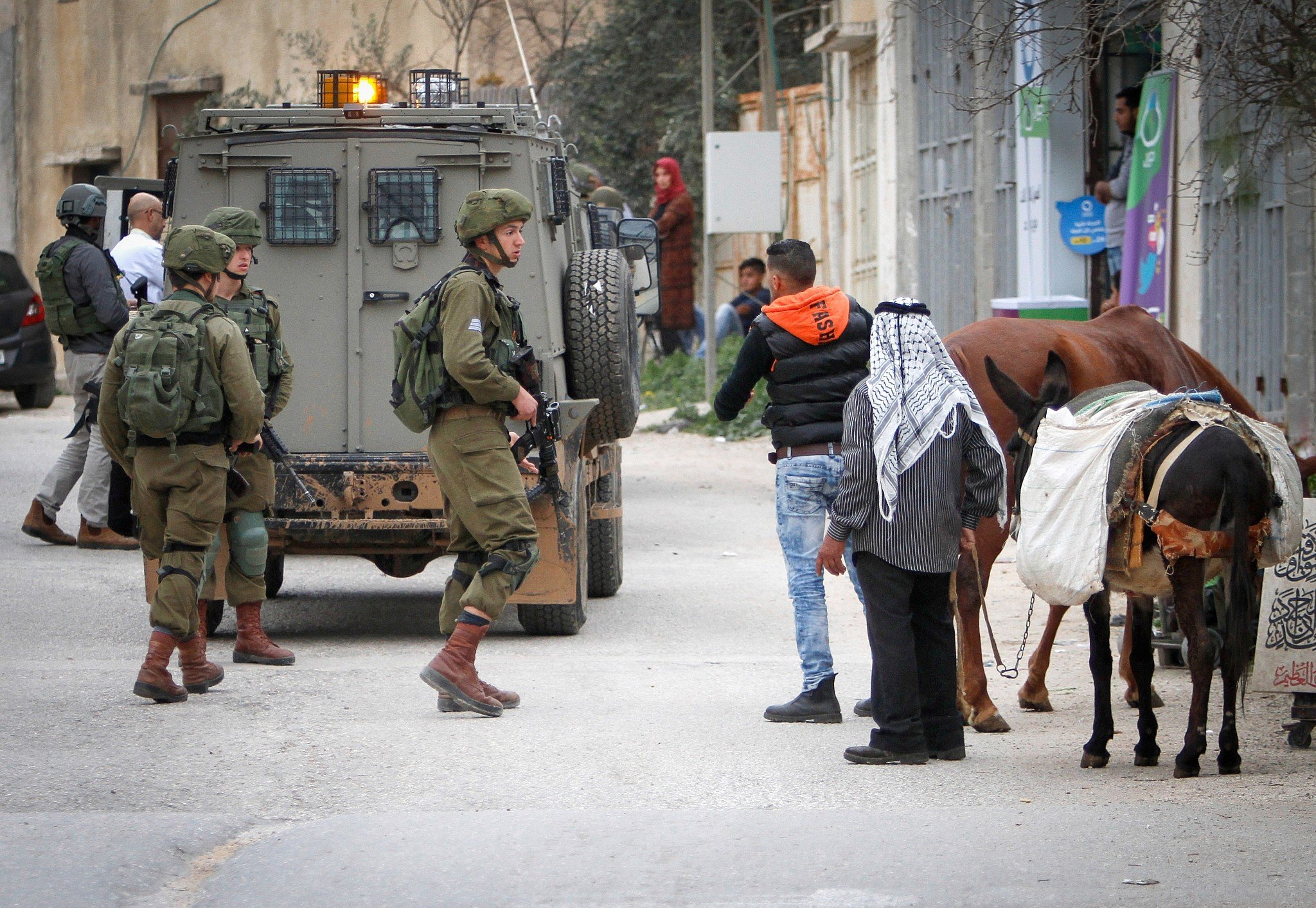
As IDF troops continued their manhunt on Tuesday in Nablus for the terrorist who murdered Rabbi Itamar Ben-Gal in Ariel, soldiers came face to face with some 500 violent protesters, according to Israeli estimates, in a clash that left one Palestinian dead and 45 wounded.
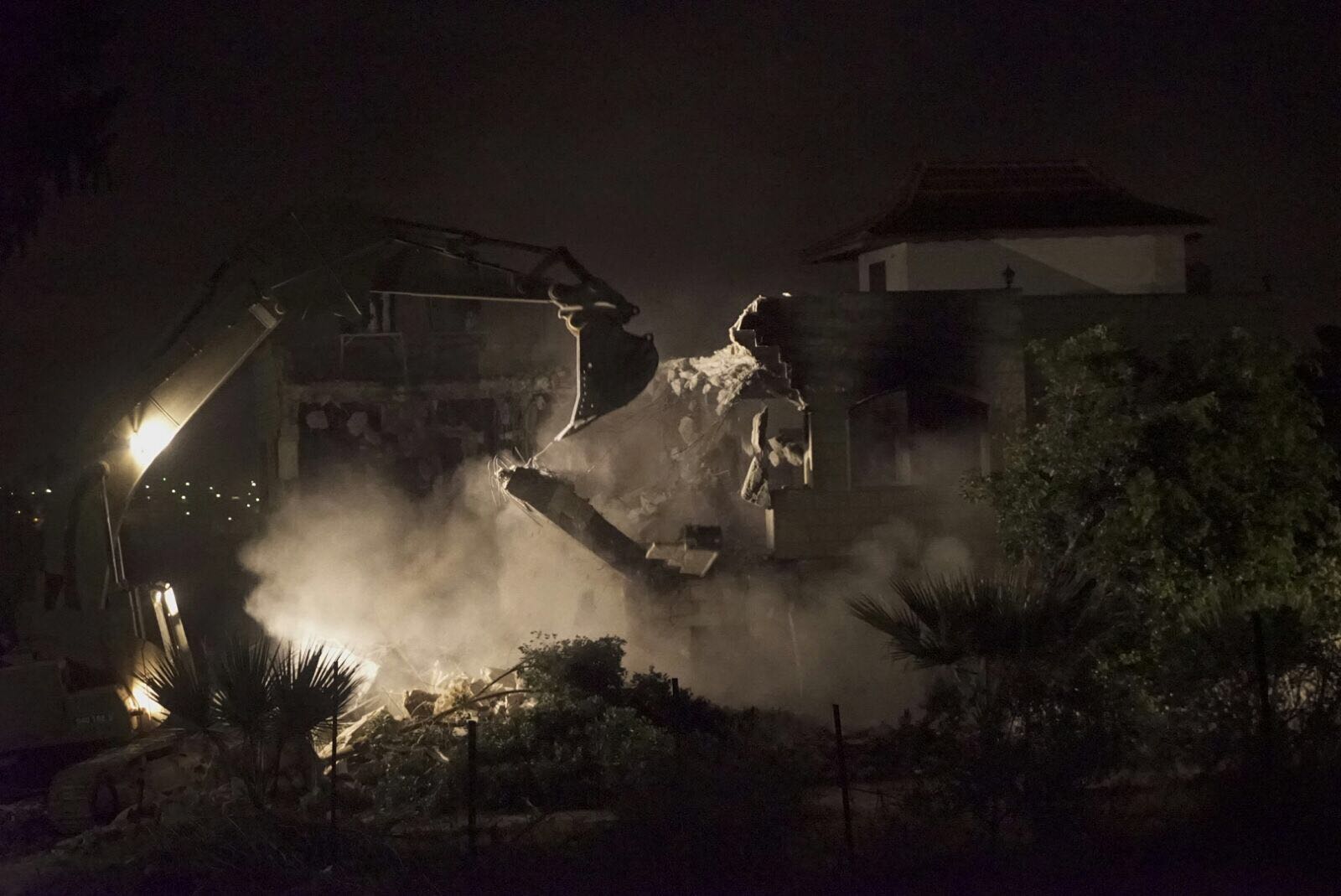
Similar, though smaller, violent clashes were seen in recent days in Yamoun, Burkin and Jenin, all surrounding attempts to capture the terrorist Ahmad Jarrar, the suspected murderer of Rabbi Raziel Shevach in an attack in Havat Gilad last month. In the wake of that attack, as IDF soldiers launched raid after raid in search of the elusive Jarrar, his fame grew in the West Bank. By the time Israeli special forces finally reached him in Yamoun before dawn on Tuesday, he had become a hero to Palestinians throughout the West Bank.
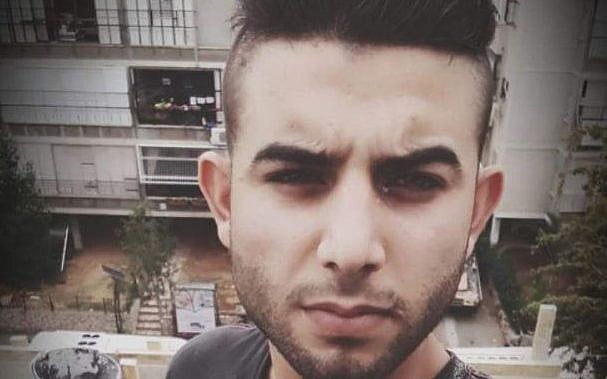
Jarrar’s visage can be found seemingly on every other account in Palestinian social media. For his supporters, his heroism was twofold: He managed not only to kill a settler, but also to become a kind of superhero for his ostensibly preternatural ability to evade Israeli forces time and again.
Despite the Israeli army announcement that Jarrar was killed in a shootout in Yamoun, many Palestinians are refusing to believe he is truly dead, with many arguing that he escaped yet again.
In the end, Jarrar and the suspected Ariel terrorist, Abed al-Karim Assi, have become role models for many Palestinian youth. Assi, who in better days might have been sent to a home for at-risk youth, or for teens with serious emotional and family troubles, filled the vacuum left by Jarrar after his death. That, at least, is how the Palestinian public, especially young people, now see him.
Violent protests involving hundreds, and many dozens hurt, in multiple locations throughout the West Bank, may be a sign of things to come as the reign of 82-year-old Palestinian Authority President Mahmoud Abbas comes to an end. In many ways, the relative calm that has largely marked his leadership has already begun to crumble.
To be sure, the sense of the dawning of something new and unpredictable is not felt everywhere. In Ramallah on Tuesday, business continued as usual. Palestinian Authority security forces kept order, and the city’s iconic Manara Square suffered from the usual debilitating traffic jams. Even so, in off-record conversations in Ramallah, Hebron and Bethlehem with sources who are thought to be good gauges of public opinion, the despair comes through, the worry over the direction in which young Palestinians are headed.
Everyone knows that the Abbas era is all but over; they’re just waiting for him to actually leave. No one knows exactly what the “day after” will look like, but there is a general consensus that it will be violent and tumultuous. Abbas’s regime is viewed with open hostility, and Hamas is gaining support.

On Tuesday, the Associated Press published a strange report: Top Fatah official Tawfiq Tirawi, the PA’s West Bank intelligence chief from 1994 to 2008, is suing the Palestinian Authority over a reported years-long policy of mass surveillance by its security services against leaders of Fatah and, of course, Hamas. Among the names targeted by PA intelligence are no small number of potential candidates to succeed Abbas: Mahmoud al-Aloul, Marwan Barghouti, associates of Mohammad Dahlan, and many officials from Hamas.
A Palestinian friend who met this reporter in Ramallah on Tuesday joked that “every word you say here is recorded, so be careful.” It wasn’t entirely a joke.
Those revelations only add to the disgust among Palestinians with their leadership and the PA, and suggest these institutions may not be able to ensure calm after Abbas steps down. The stage has been set for a full-fledged war of succession between the various heads of Fatah and the PA, all while the Palestinian public is shedding any allegiance it once had to its leaders. The coming domestic strife is almost certain to spill over into acts of serious violence against Israelis.
Some on the Israeli right argue that annexing the West Bank would deal a death knell to Palestinian hopes for a state there, and so permanently end the violent efforts by resistance groups. But even as proposals for annexation are bandied about in Jerusalem, and with the Palestinian leadership seems intent on demonstrating to its people its own inability to bring them statehood, there is a storm brewing on the horizon. For Israel, that should be a source of grave worry.