In unusual move, judges in Netanyahu corruption trial order AG to appear in court
Day after Baharav-Miara declined to show up, justices say that as prosecution decision-maker her presence would be beneficial to discuss 'different possibilities' in how to proceed
In an extraordinary step on Thursday, the Jerusalem District Court ordered Attorney General Gali Baharav-Miara to appear in court to discuss how to proceed with Prime Minister Benjamin Netanyahu’s criminal trial.
Baharav-Miara declined a proposal by the judges presiding over the case for her to appear in court on Wednesday, saying it was unnecessary.
In a decision issued on Thursday, the judges said that the idea of having the attorney general appear was to examine “different possibilities” for how to move forward with the trial.
Noting Baharav-Miara’s reluctance to come, the judges stated that they nevertheless believe it will be beneficial for her to appear in person in order to hear the issues directly, since she is the official empowered to make decisions regarding the prosecution of the case.
“After we weighed the position of the attorney general, we came to the conclusion that there is nevertheless added value in the presence of the attorney general herself,” they said in a statement.
The court ordered her to appear in court next Wednesday, saying the session could be conducted behind closed doors if necessary.
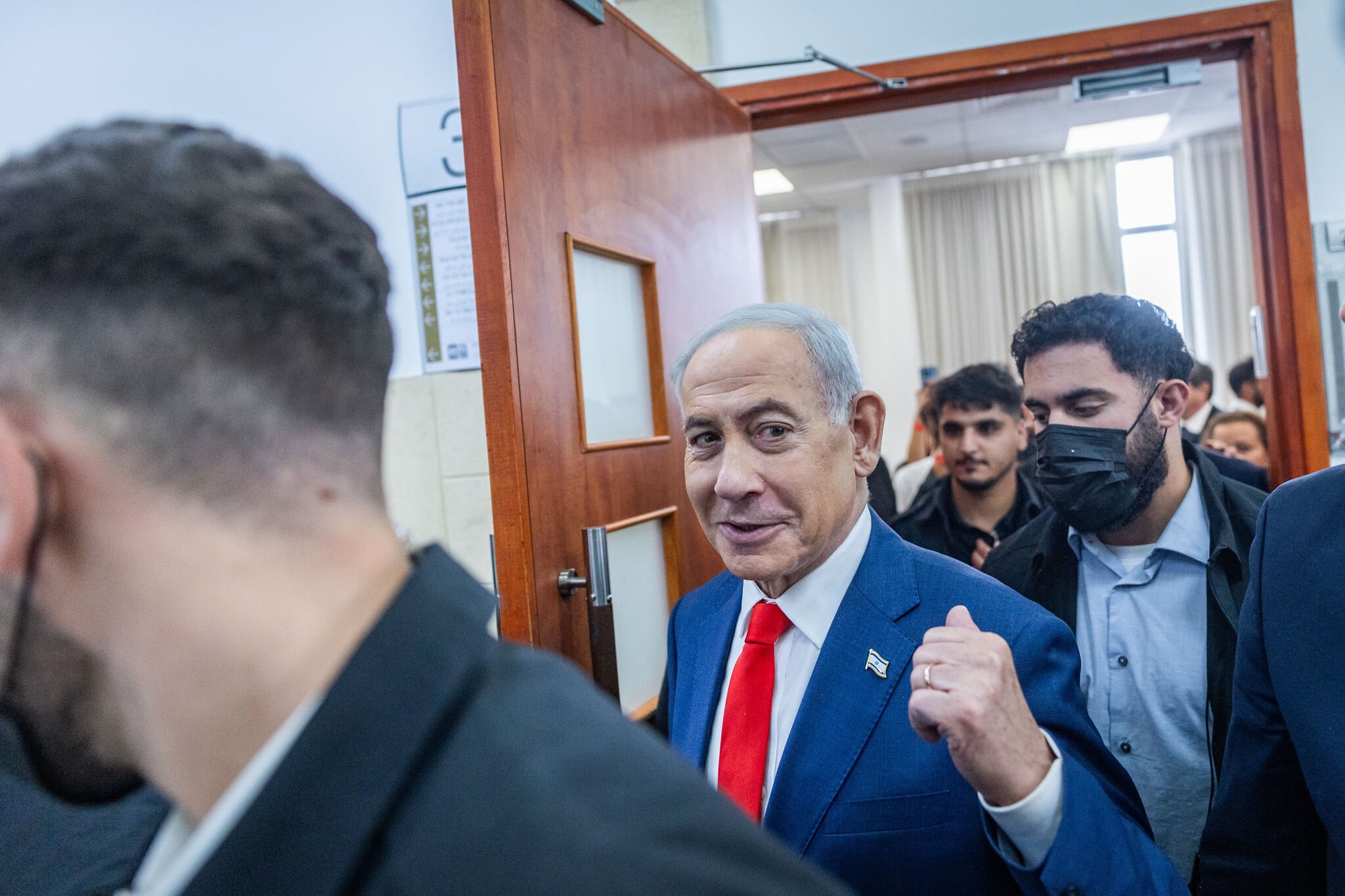
The highly unusual summons to the attorney general comes against the background of testimony by her predecessor Avichai Mandelblit, who indicted Netanyahu in 2020. Mandelblit’s court testimony raised concerns about the seemingly problematic manner in which the investigation into Netanyahu was conducted, as well as how the subsequent decision to indict him was made.
Mandelblit acknowledged in court that the wording of the caution he gave in 2018 was “ambiguous” to enable a wide probe for Case 4000. In that case — the most serious charge he faces in the trial — Netanyahu is accused of taking a bribe in the form of coverage altered in his favor on the Walla news website, in return for regulatory decisions benefiting Walla owner and Bezeq majority shareholder Shaul Elovitch.
The wording of the caution to Netanyahu is important, because if he was never told he was suspected of bribery before being charged with the offense, he would not have been given a fair chance to defend himself from that allegation during the investigation phase before his indictment.
In addition, Mandelblit acknowledged in court that he had not reviewed a key part of the indictment in Case 4000, in which Netanyahu is charged with bribery, before signing off on it.
The Jerusalem District Court has twice recommended that the prosecution drop the bribery charge, most recently in June this year, but Baharav-Miara and her prosecutors did not respond to the proposal.
The court’s summons to the attorney general could be connected to this recommendation.
Netanyahu’s lawyer Amit Hadad argued on Wednesday that Baharav-Miara should be summoned to court even if she does not wish to go, saying: “I think the authority certainly exists. It is appropriate and correct for her to come.”
Netanyahu is on trial in three corruption cases. He faces charges of fraud and breach of trust in Case 1000 and Case 2000, and charges of receiving a bribe, as well as fraud and breach of trust, in Case 4000.
He strenuously denies any wrongdoing and has argued that the charges against him were fabricated in an attempted coup by his political rivals.