Iran expert: New enrichment an effort to show strength after Fakhrizadeh killing
With brazen breach of 2015 nuclear accord, Islamic Republic exerts 'calibrated strategy of pressure' on West, analysts say
Iran resumed enriching uranium to 20 percent this week, well in excess of the threshold set out in its landmark 2015 nuclear deal with world powers.
Experts on the Islamic Republic told AFP Wednesday that the decision to take another step back from the tattered accord has vast-reaching domestic and international consequences for Iran.
One said it was a show of strength in the wake of the assassination of a top nuclear scientist in November, in an attack Iran blames on Israel.
In 2015, Iran and six nations — Britain, China, France, Germany, Russia and the United States — agreed on the Joint Comprehensive Plan of Action to settle the nuclear issue after 12 years of tensions.
The agreement offered Iran an easing of international sanctions in exchange for drastic limits on its nuclear program and guarantees proving it is not seeking an atomic bomb.
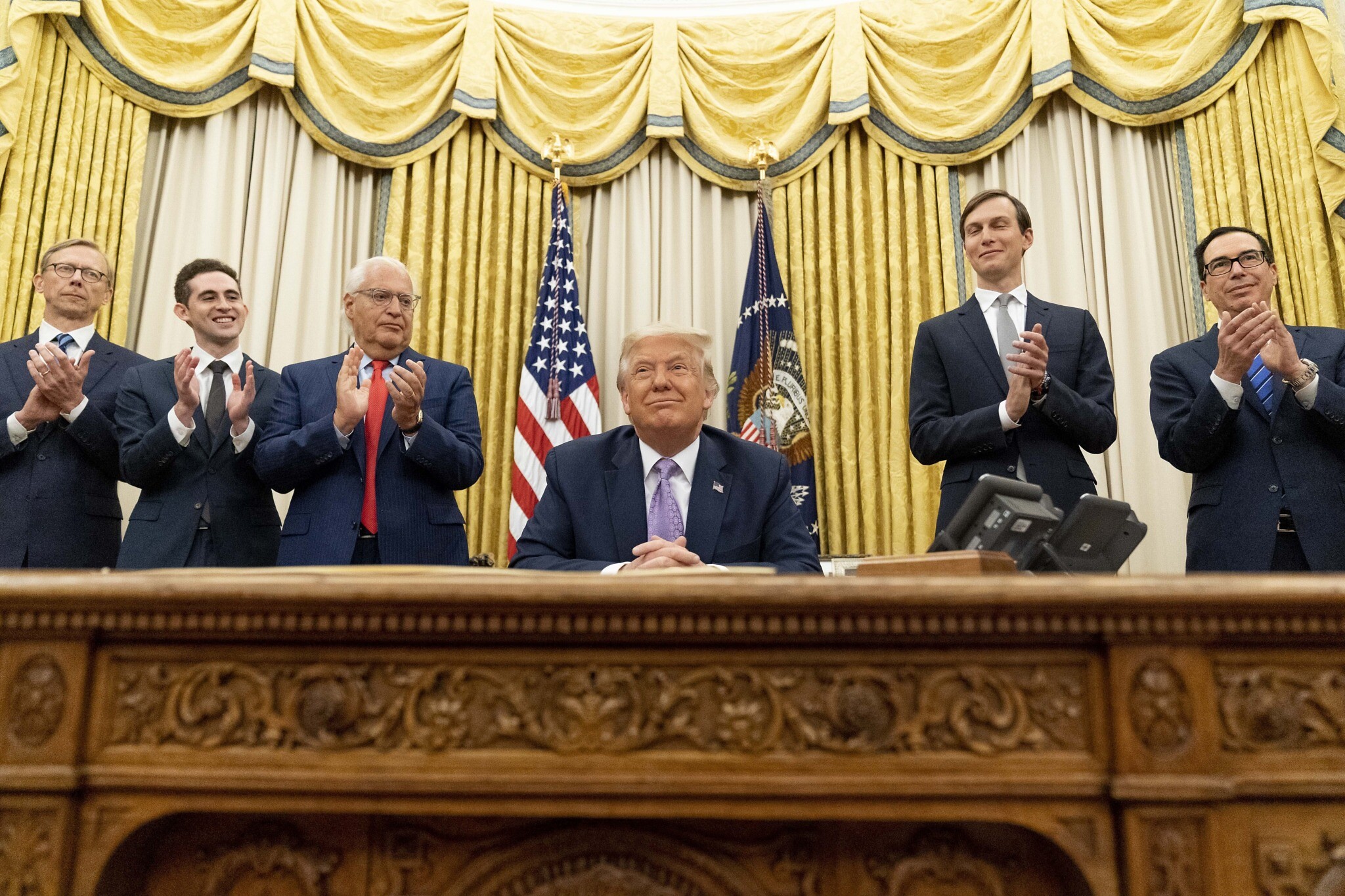
In 2018, US President Donald Trump withdrew from the JCPOA and reinstated US sanctions that had been lifted against Iran, plunging it into recession.
A year later, Tehran declared it would gradually reduce its nuclear commitments with the aim of forcing other parties to the accord to help it circumvent Washington’s sanctions and get the benefits it expected from the deal.
Iran decided to enrich uranium beyond the 3.67 percent limit set out in the JCPOA, but without exceeding 4.5%. It insisted it was ready to return to full compliance of the agreement if its demands are met.
The decision to enrich uranium to 20% — below the 90% required for an atomic bomb, but a relatively short technical step from that benchmark — was not initiated by President Hassan Rouhani’s moderate-reformist government, but by parliament, which conservatives have dominated since last year.
After the assassination of top scientist Mohsen Fakhrizadeh on November 27, deputies approved a bill requiring Iran to resume uranium enrichment to 20% purity, as it had been doing before the JCPOA, and to stock 120 kilograms (265 pounds) of uranium each year.
“The Rouhani government is clearly dragging its feet to implement the law… but it cannot completely ignore it,” said Francois Nicoullaud, former French ambassador to Iran, adding that he saw the move as a domestic matter.
“It has therefore chosen to relaunch enrichment at 20%… but without excessive haste and under the close control” of the UN’s Vienna-based nuclear watchdog, he told AFP.
The legislation had already been in the pipeline, but it was advanced after Fakhrizadeh was killed.
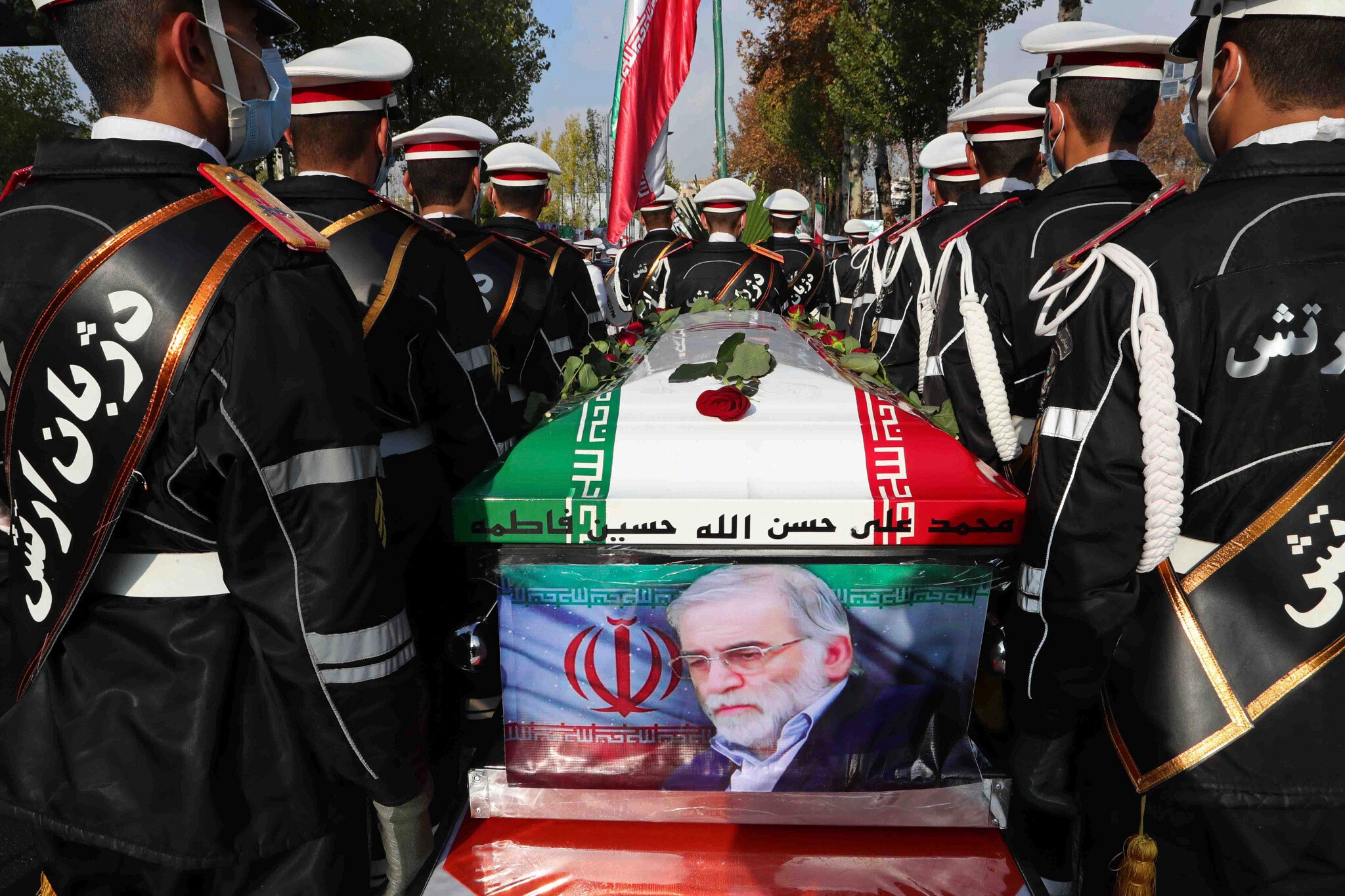
The measure was a way to show “that targeted assassinations… do not slow down the Iranian nuclear program but, on the contrary, lead to [its] acceleration,” said Clement Therme, an Iran researcher at the Center for International Studies (CERI) at Sciences Po university in Paris.
The resumption of 20% enrichment comes little more than two weeks before US President-elect Joe Biden takes office in the White House. Biden has signaled his intention to bring the United States back to the JCPOA, although with new conditions.
Like Paris and Berlin, Biden says he wants to negotiate more broadly with Tehran, notably over its missiles and regional influence, which the Islamic Republic does not view favorably.
While Rouhani has repeatedly shown openness towards the incoming Biden administration, he has demanded the unconditional lifting of American sanctions.
For Tehran, “it is a question of raising the stakes against the will of the future Biden administration but also of Paris and Berlin to negotiate beyond nuclear issues,” Therme told AFP.
By resuming 20% enrichment, he said, Iran was hopeful the West would base its negotiating strategy on the lifting of sanctions in exchange for nuclear curbs, and exclude any new measures.
But does Rouhani really favor diplomacy?
“Yes,” said Nicoullaud, who believes “a diplomatic victory would restore shine to Rouhani’s ending mandate.”
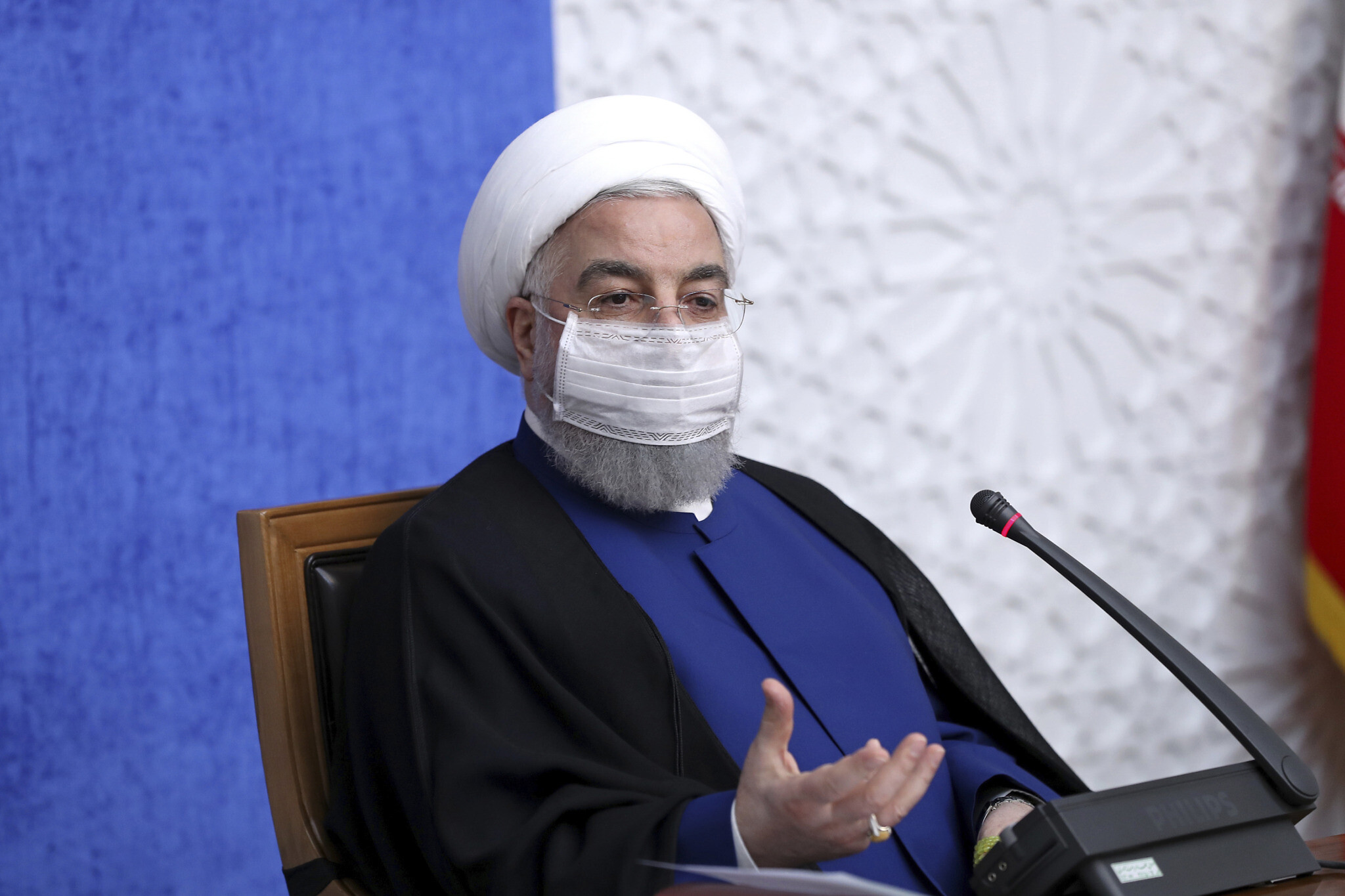
If he manages to get sanctions lifted, “his political movement, centrist and moderate, will regain its colors… but it must happen quickly,” said the retired diplomat, alluding to Iran’s looming presidential election on June 18.
According to Therme, Rouhani “has based his international strategy on de-escalation and the will to achieve dialogue and detente” and he remains on this path.