Iran said constantly honing ballistic missiles to better avoid air defenses
According to The Wall Street Journal, the Kheibar missile, which can reach Israel, is being continuously adapted, employing complex maneuvers to get past interceptors
Iran is increasingly relying on its Kheibar Shekan ballistic missile in its regional attacks, all the while adapting and enhancing its capabilities to better evade air defenses, The Wall Street Journal reported Saturday.
The Kheibar Shekan, or Kheibar-buster, is named after a Jewish castle overrun by Muslim warriors in the early days of Islam.
It has a range of 1,450 kilometers (900 miles), making it fully capable of reaching Gulf nations and Israel. Its ability to be quickly deployed and launched has helped the Iranians avoid air strikes during the war by the Israeli and US air forces as they hunted for and eliminated launch sites.
The report said Iranian forces have been using the missile in recent attacks on US assets in the region in recent weeks, as fighting restarted, often varying its trajectory, speed, and maneuvering to complicate interception efforts. Some models of the missile are able to perform last-minute maneuvers in the final stage of flight, helping them avoid interceptors.
A US official speaking to the paper said most Kheibar Shekan missiles launched at the region have been successfully shot down, but some have been able to punch through defenses using such advanced methods, indicating the Iranians are studying interceptions and learning how to better circumvent them.
Missile expert Fabian Hinz told The Journal that Tehran “has seen what types of maneuvers are the most effective ones for overcoming missile defense. Every single combat use gives you some sort of data, so that’s very useful for the Iranians.”
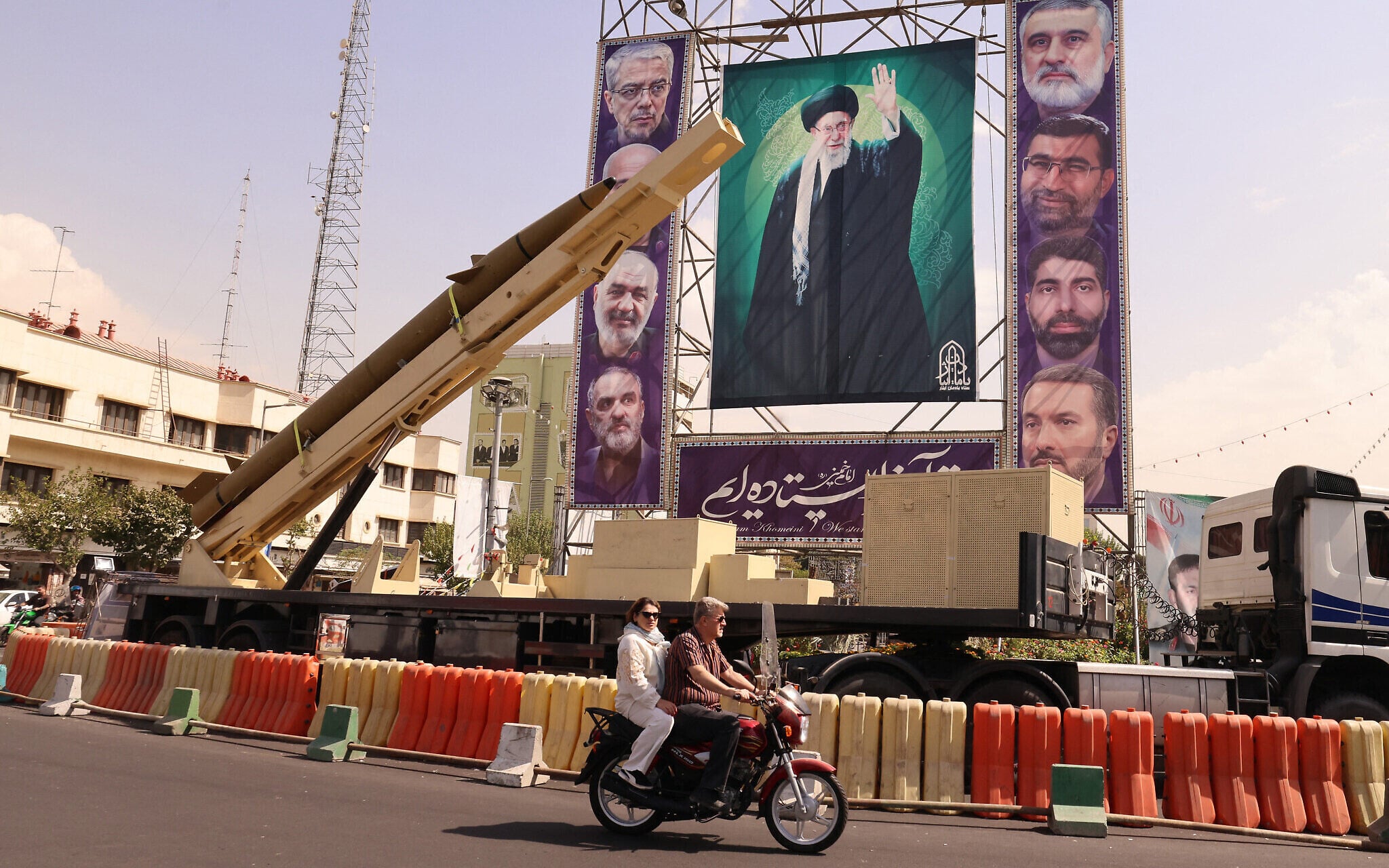
Despite intense Israeli and American efforts to destroy Iran’s ballistic missile capabilities during this year’s war, Iran is believed to retain significant capabilities.
In April, shortly before a temporary ceasefire was announced in the fighting, Channel 12 news reported that the Israeli military believes Iran still had more than 1,000 ballistic missiles that could reach Israel, citing an Israeli Air Force intelligence officer.
In late May, the network reported that Iran had resumed production of ballistic missiles, launchers and other critical weapons systems far faster than initially expected, citing updated US intelligence assessments and a senior Israeli official.
According to that report, Tehran restarted manufacturing using surviving components, improvised underground facilities, and partially restored production lines, with assistance from Russia and China.
The report said Israeli defense officials assessed Iran could significantly ramp up ballistic missile production within about a year, or possibly sooner. Channel 12 reported that updated intelligence assessments also indicated that roughly two-thirds of Iran’s missile launchers remained operational, contradicting earlier wartime estimates that about half had been destroyed.
During most of the war, Iran would fire some 10-15 missiles at Israel a day. Though this allowed Israel’s air defenses to intercept most of the missiles, limiting damage and casualties, it also preserved Iran’s capabilities for the long term while keeping Israelis repeatedly running to shelters every day for weeks, exhausting the home front.
The April ceasefire put a stop to the Iranian barrages, but Tehran has increasingly targeted Gulf nations in recent weeks as the conflict has erupted once more, and Israel is increasingly braced for the possibility it will be drawn into the fighting.
AP and Stav Levaton contributed to this report.