Iran vows ‘devastating’ response after US threatens toughest-ever economic hit
Iranian army chief vows 'crushing' retaliation to 'enemy's new threats,' as parliament speaker accuses US and Israel of 'cognitive' warfare while the president calls to end the conflict: 'We're in a position of power'
Iran said on Friday that its response to any new US threats would be “devastating” after Washington pledged to impose the toughest financial penalties in history with the aim of toppling the Iranian leadership.
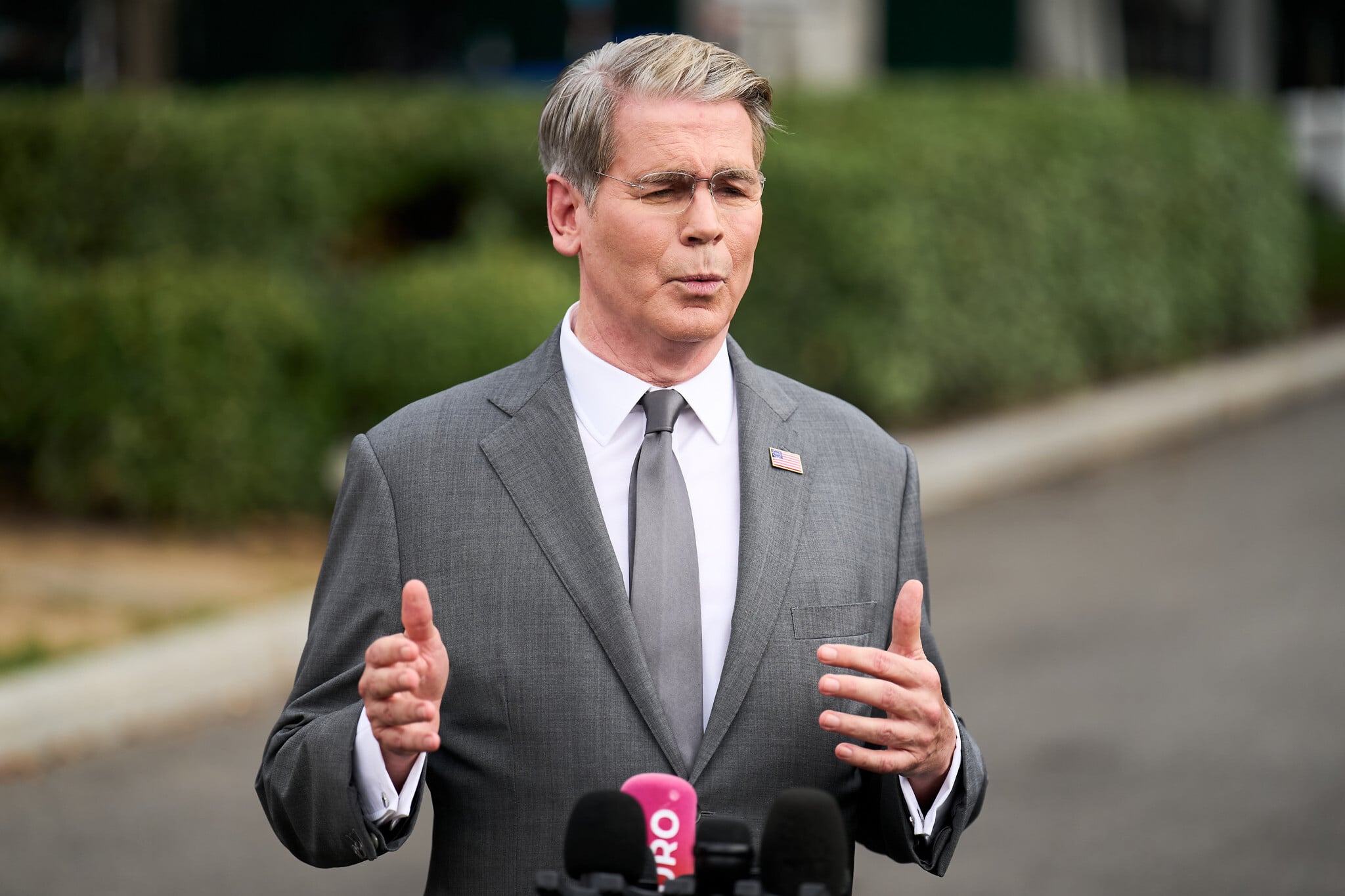
US Treasury chief Scott Bessent’s comments on Thursday followed a warning from President Donald Trump of economic consequences against any country that provided “any type of lifeline to Iran.” Bessent promised details on Monday.
The chief of staff of Iran’s Armed Forces, Major General Ali Abdollahi, said the Islamic Republic’s reaction would be broad and decisive.
“With preparedness across land, sea, air, air defense and cyberspace, Iran’s armed forces will respond to the enemy’s new threats with crushing, punishing and devastating responses,” Abdollahi was quoted as saying by Iranian media.
Iran’s powerful parliament speaker Mohammad Bagher Ghalibaf, the country’s main negotiator in mediated negotiations with the United States, said Washington appeared to have concluded it could not prevail in its direct military confrontation.
“We must make plans to deal with the unjust sanctions so that we can overcome them,” he said during a visit to neighboring Iraq, accusing the US and Israel of resorting to what he said was economic and “cognitive” warfare.
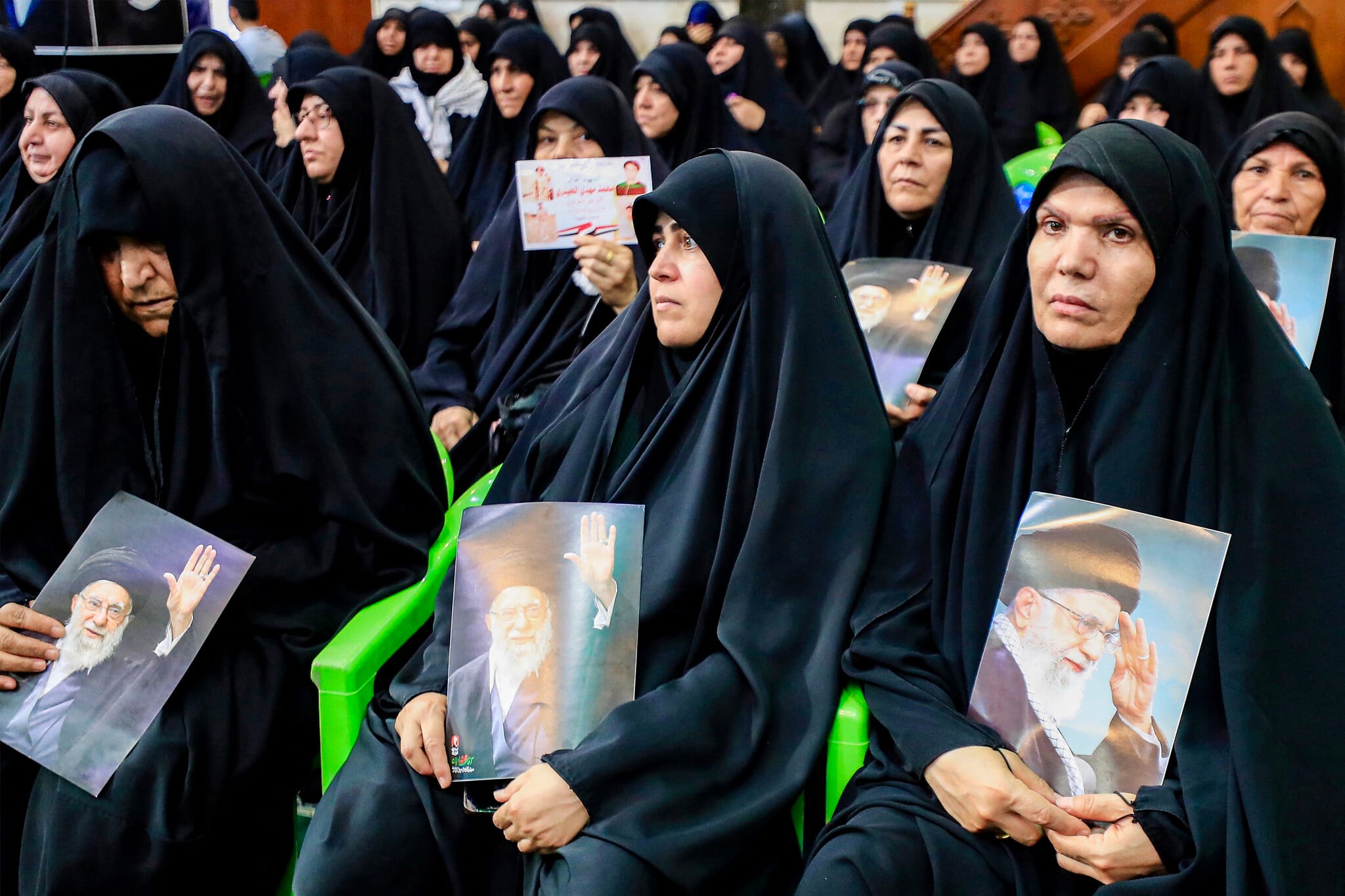
Iranian President Masoud Pezeshkian meanwhile said it was time to end the war because Tehran appeared to be in a stronger position than Washington.
“It is better that we bring the war to an end now as we are in a position of power and dignity,” Pezeshkian said in a meeting with doctors.
“The whole world acknowledges our victory and emphasises that America has attacked our schools, hospitals and infrastructure in violation of all regulations and is hated around the world.”
Pezeshkian also defended a memorandum of understanding agreed with the US in June aimed at ending the war, claiming it did not signal a defeat for Tehran.
“They cannot find even a single clause in this agreement that indicates capitulation. All the commitments concern the other side,” he said.
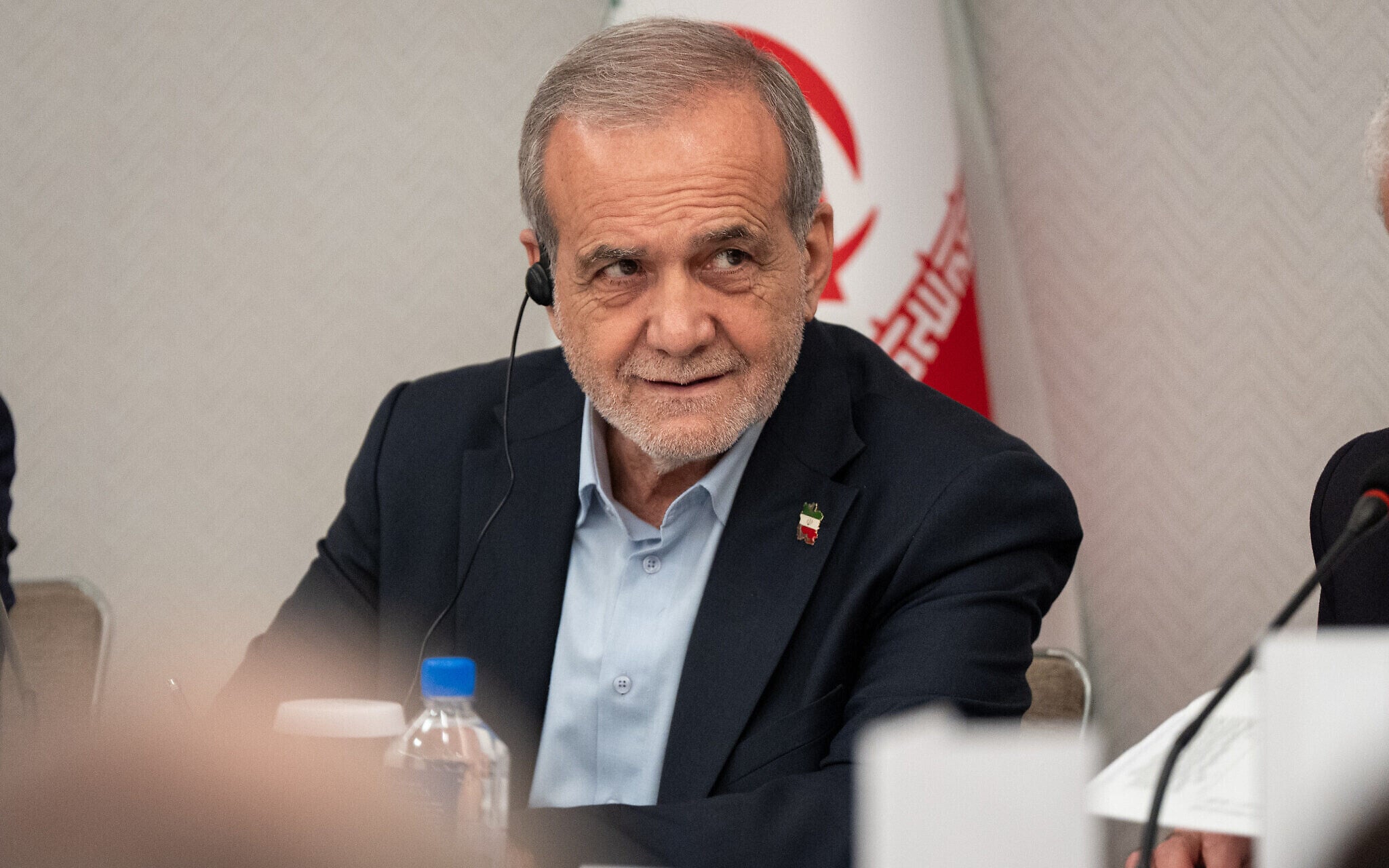
Oil prices steadied on Friday but were on track for a second weekly rise on concern over Gulf energy exports. Oil hit a more than three-week high on Thursday after the sanctions threat, intended to force Iran to agree to an end to a conflict that has stranded millions of barrels of Middle Eastern oil.
“I’m not sure why oil has popped up on this,” Bessent told CNBC. “If we are doing the maximum economic pressure, then that means that likely there will not be a large-scale kinetic restart,” he said, using a term referring to military force.
Thousands of people have been killed in the war, which drew in Gulf nations and shocked markets as Iran flexed its ability to curb shipping through the Strait of Hormuz — a waterway that carried about a fifth of all traded oil before February.
The US and Iran have twice announced ceasefire deals, in April and June, aiming to restore the free flow of shipping through Hormuz on a path towards ending the nearly six-month-old conflict, but both quickly crumbled.
Iran has weathered near-continuous, punishing economic sanctions for nearly 50 years, since the Islamic Revolution of 1979.
Before Bessent spoke, Iran’s foreign ministry said it condemned US economic and trade sanctions, calling them “economic terrorism” that would not “create even the slightest hesitation in Iranians’ determination to safeguard Iran’s independence, dignity and national sovereignty.”
Trump is under pressure at home to end the war, with high fuel prices dragging down his approval ratings and potentially threatening his Republican Party’s control of Congress in midterm elections in November.
China buys more than 80% of Iran’s shipped oil, according to 2025 data from analytics firm Kpler, but engaging in further economic warfare with Beijing, a major exporter to the US including of vital rare-earth minerals, risks retaliation against Washington.
When asked if the United States could target China for doing business with Iran, Bessent said many conversations were best to have in private, but that “the Chinese get 50 percent [of their] energy from inside the Gulf. So it would do them a big service to get with the program.”
China’s embassy in Washington said “sanctions and pressure do not help resolve the problem.”
“China calls on the relevant parties to take responsible actions and resolve the issue through political and diplomatic means,” according to an embassy spokesperson.
Offers of Iranian crude to Chinese buyers have already declined and prices have jumped this week as the US blockade on Iranian ports — reimposed on July 13 — has cut Tehran’s shipments, trade sources told Reuters.
NATO mulls ‘non-NATO mission’ to secure shipping in Hormuz
With oil shipments through the Strait of Hormuz continuing to remain well below their pre-war levels, NATO’s top commander convened a videoconference earlier this week to facilitate possible contributions to support freedom of navigation in the key waterway, his spokesperson told Reuters, adding that this is not a NATO mission.
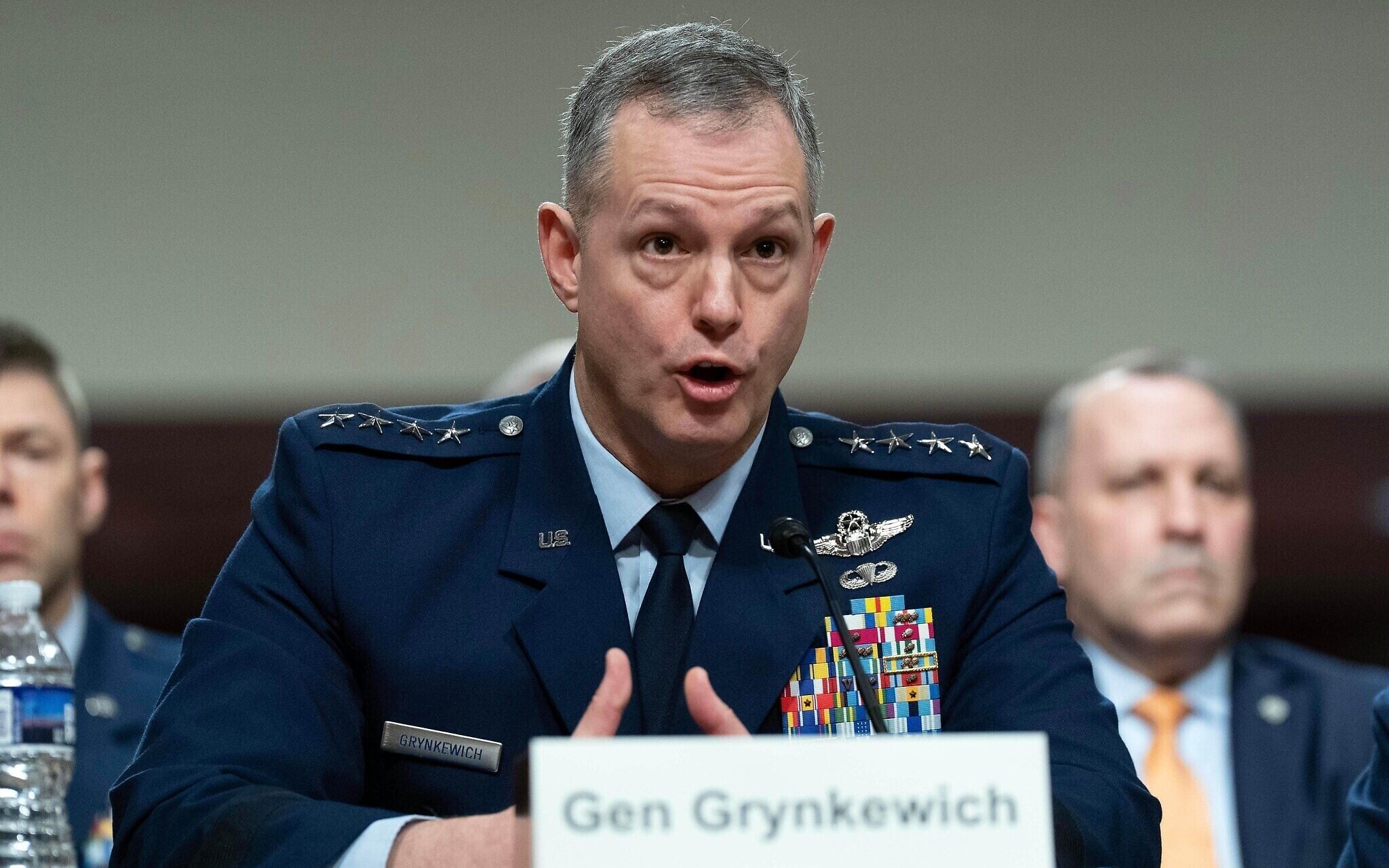
“Supreme Headquarters Allied Powers Europe hosted a meeting of interested Allies at the chief of defense level on Wednesday, 19 Aug 26, in order to facilitate their possible contributions to support freedom of navigation in the Strait of Hormuz,” a spokesperson for the alliance’s top commander US Air Force Gen. Alexus Grynkewich said on Friday.
“To be clear, this is not a NATO mission. But given NATO’s unique strengths in its ability to bring together Allies and understand the capabilities they bring to bear, it makes sense for NATO to facilitate in this way,” the spokesperson added.
NATO allies have sought to avoid direct involvement in the Iran conflict, instead focusing on plans outside the alliance to reopen the strait, which before February carried about a fifth of all traded oil.
France and Britain have led efforts to build a coalition among roughly a dozen countries to guarantee safe passage through the strait once tensions ease or the conflict is resolved, though any long-term arrangement would ultimately require Iranian acquiescence.
Also Friday, Oman’s state news agency reported that the Omani and Iranian foreign ministers discussed in a phone call ways to create suitable conditions for resuming dialogue and negotiations, and developments affecting navigation in the Strait of Hormuz.
Tehran and Muscat have been negotiating a framework that would see service fees or other costs charged to shipping companies who look to transit the Strait, which has sparked ire from Trump, who this week even threatened to bomb Oman for its involvement in the talks.