Iran warns Iraq not to be ‘tool’ of US blockade efforts amid oil smuggling crackdown
US ramps up sea and land blockades, sending Iran's rial plunging to record low; defiant, Iranian naval commander says efforts to 'cut off the lifeblood of our economy' have failed
An Iranian official on Saturday warned Iraq not to become a “tool” of US President Donald Trump, after Iraq had closed several border crossings following US efforts to blockade Iran’s land borders.
The statement came as the Iranian rial plunged to a record low, in large part due to the US military blockade of Iranian ports since April, and as the US looks to widen the scope of its restrictions on all Iranian trade, including the so-called Task Force Iron Gate, which aims to disrupt the transfer of goods across Iran’s land borders and the Caspian Sea.
Mohammad Mokhber, an adviser to Iran’s Supreme Leader Ayatollah Mojtaba Khamenei, warned Baghdad in a post on X not to become a “tool of Trump” after Iraq last week announced it would put the Kurdistan region’s border crossings and several oil fields under federal control in an effort to curb oil smuggling, in large part to Iran.
Prime Minister Ali al-Zaidi, who has vowed to fight rampant corruption in Iraq, has been cracking down on the illicit oil trade, arresting officials and challenging an Iran-backed armed group after smuggling was uncovered in its stronghold near Baghdad.
Trump on Friday praised the move, saying: “We support Iraqi Prime Minister Ali al-Zaidi’s efforts to assert state authority throughout Iraq, stop the smuggling of Iraqi oil, end corruption, and bring all weapons under the exclusive control of the state.”
Meanwhile, the US military on Friday said it disabled a commercial ship that attempted to run the maritime blockade, prompting defiant statements from Iranian officials, who said that efforts to break the blockade are underway.
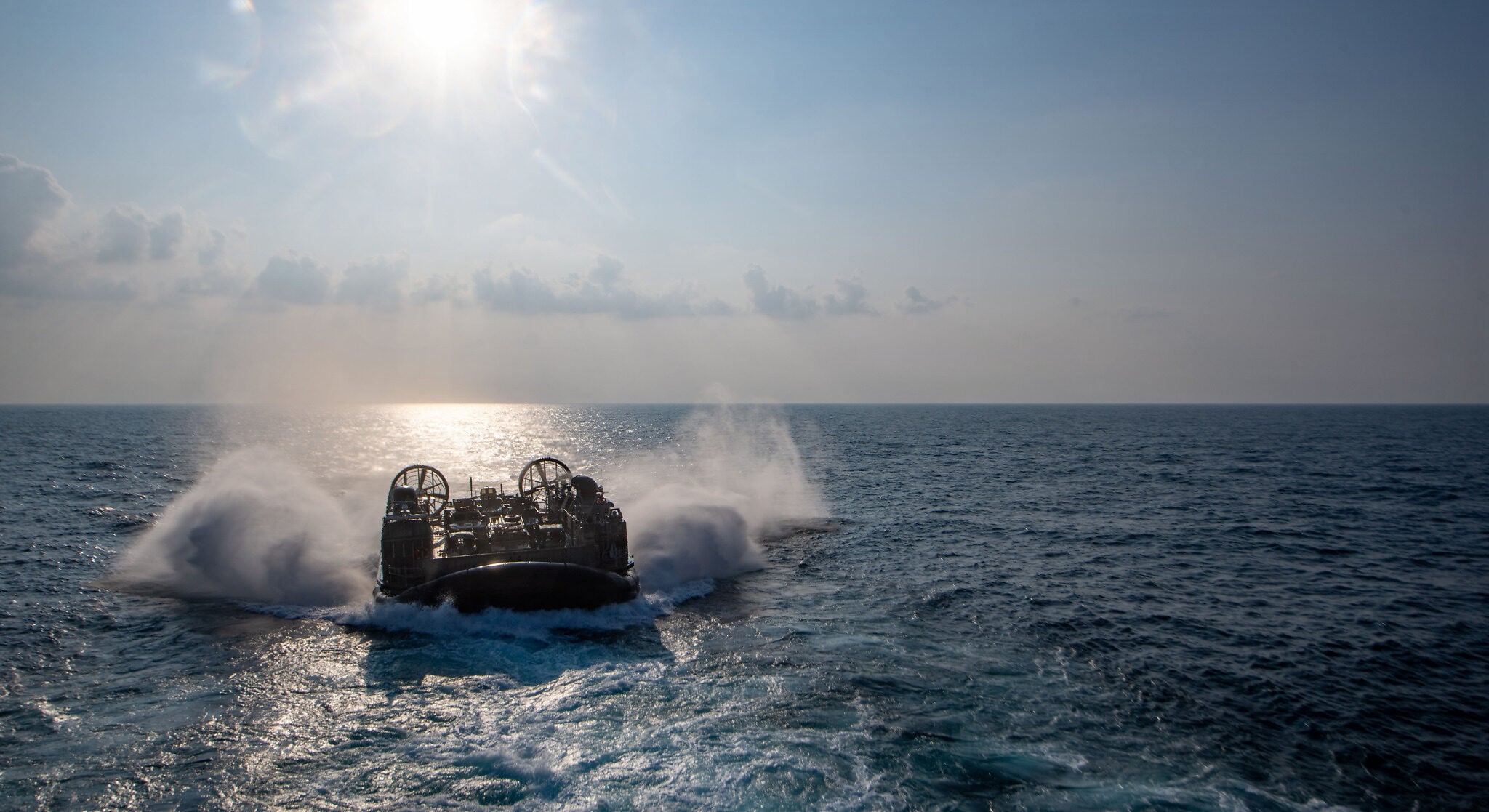
US Central Command said in a statement that military aircraft launched precision munitions that struck the stern of the Palau-flagged M/V Pacific Archer in the Gulf of Oman on Thursday after it departed from the Iranian port city of Bandar Abbas. The ship’s propulsion was disabled while the civilian crew was unharmed, Central Command said.
But Iranian navy commander Shahram Irani was defiant in a statement on state television: “Breaking through the enemy blockade is underway and our ports are active today. Contrary to all propaganda, maritime escorts are taking place and we stand with the shipowners and sailors.”
“The enemy’s attempt is to cut off the lifeblood of our economy in whatever way it can, and this has so far failed,” Irani said, without giving details.
Iranian rial falls to near 3 million to one US dollar
Despite the naval official’s assertion of economic stability, Iran’s currency plunged to a record low on Saturday, approaching the psychological threshold of 3 million rials to the US dollar, amid rising inflation, hardening US sanctions and a widening embargo.
The US dollar was sold at around 2.990 million rials, up from 2.938 million on Friday, according to free-market tracking website bon-bast.com, while alanchand.com reported 2.997 million rials per dollar, up 1.77 percent.
Iran is facing one of its worst inflation surges in decades, driven by the nine-month-old Iran war, with a particularly sharp rise in food prices.
“Iran’s economy is underwater, and its leaders are panicking,” US Treasury Secretary Scott Bessent said in a statement earlier this week after imposing new sanctions aimed at isolating Iran from the global economy and disrupting its shadow banking networks.
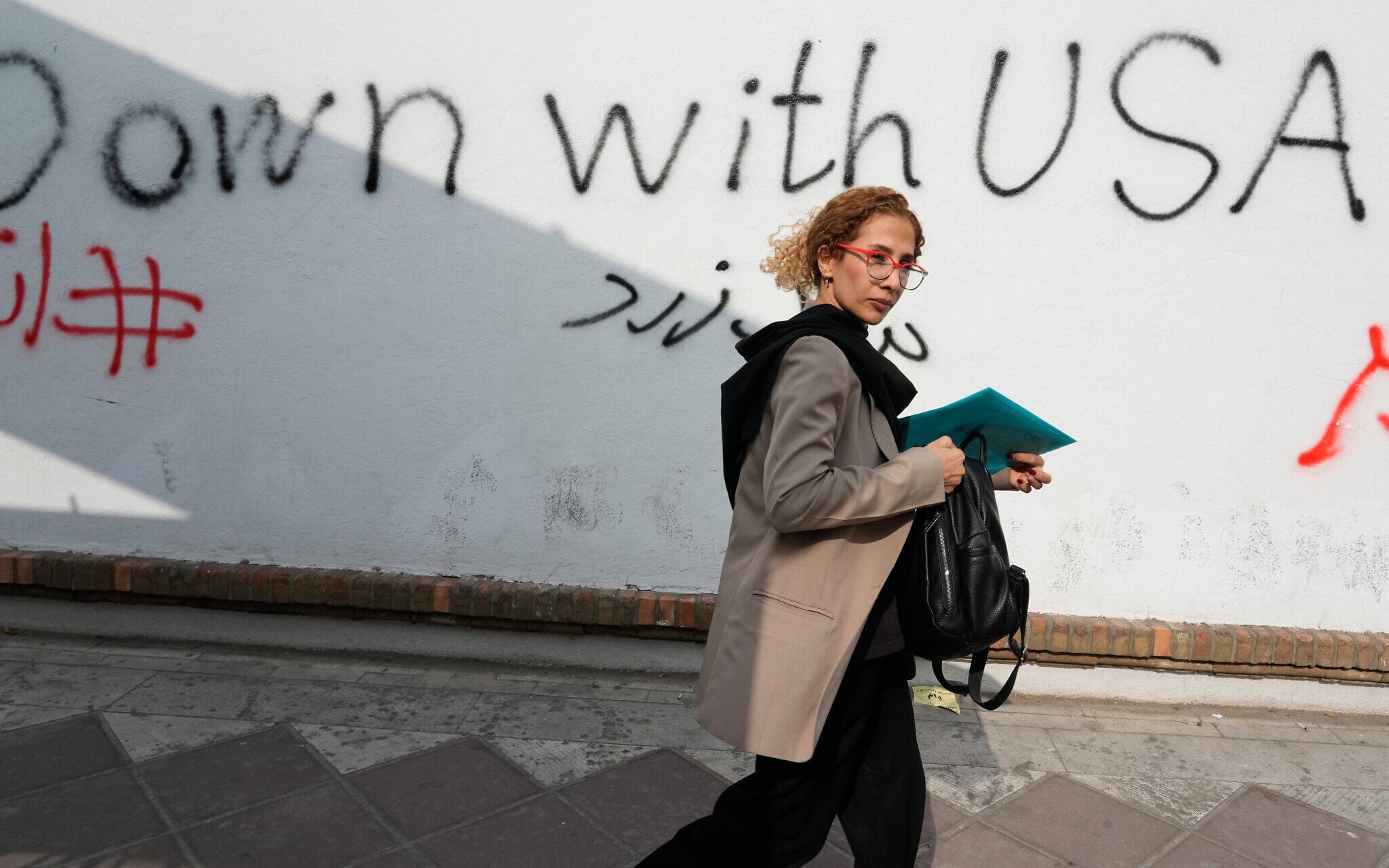
Iranian Central Bank Governor Abdolnaser Hemmati said on Saturday that Iran had sufficient hard currency to pay for basic goods and medicine for months to come, but added that the foreign exchange market was affected not only by economic fundamentals but also by psychological factors.
“Foreign exchange is affected by many factors such as the economy, expectations and politics … We are trying to stabilize the market as much as we can,” Hemmati told state television.
Many Iranians seeking safe havens for their savings have been buying dollars, other hard currencies or gold.
Consumer prices in Iran in October were 88.7% higher than a year earlier, while annual average inflation accelerated to 76.8%, according to the Statistical Centre of Iran. Food and beverage prices rose 112.6% year-on-year.
Iran’s currency plunged to a record low in August, crossing the threshold of 2 million rials to the US dollar, while annual inflation reached 66% in July.