Iranian regime plans to permanently cut people off from internet — watchdog
Blackout imposed amid brutal crackdown likely to last until March 20, and authorities are implementing plan to turn country into a 'communication black hole,' says Filterwatch
Iranian authorities plan to permanently seal the country off from the internet, and limit all but a select few citizens to a much narrower national network, both at home and abroad, according to a report from Filterwatch, an organization that tracks internet censorship in Iran.
The internet blackout imposed amid the recent anti-regime protests is part of a broader plan to turn Iran “into a communication black hole under the looming dominance of the Khatam al-Anbia base,” the joint command base of Iran’s armed forces, said Filterwatch in the report it published Thursday.
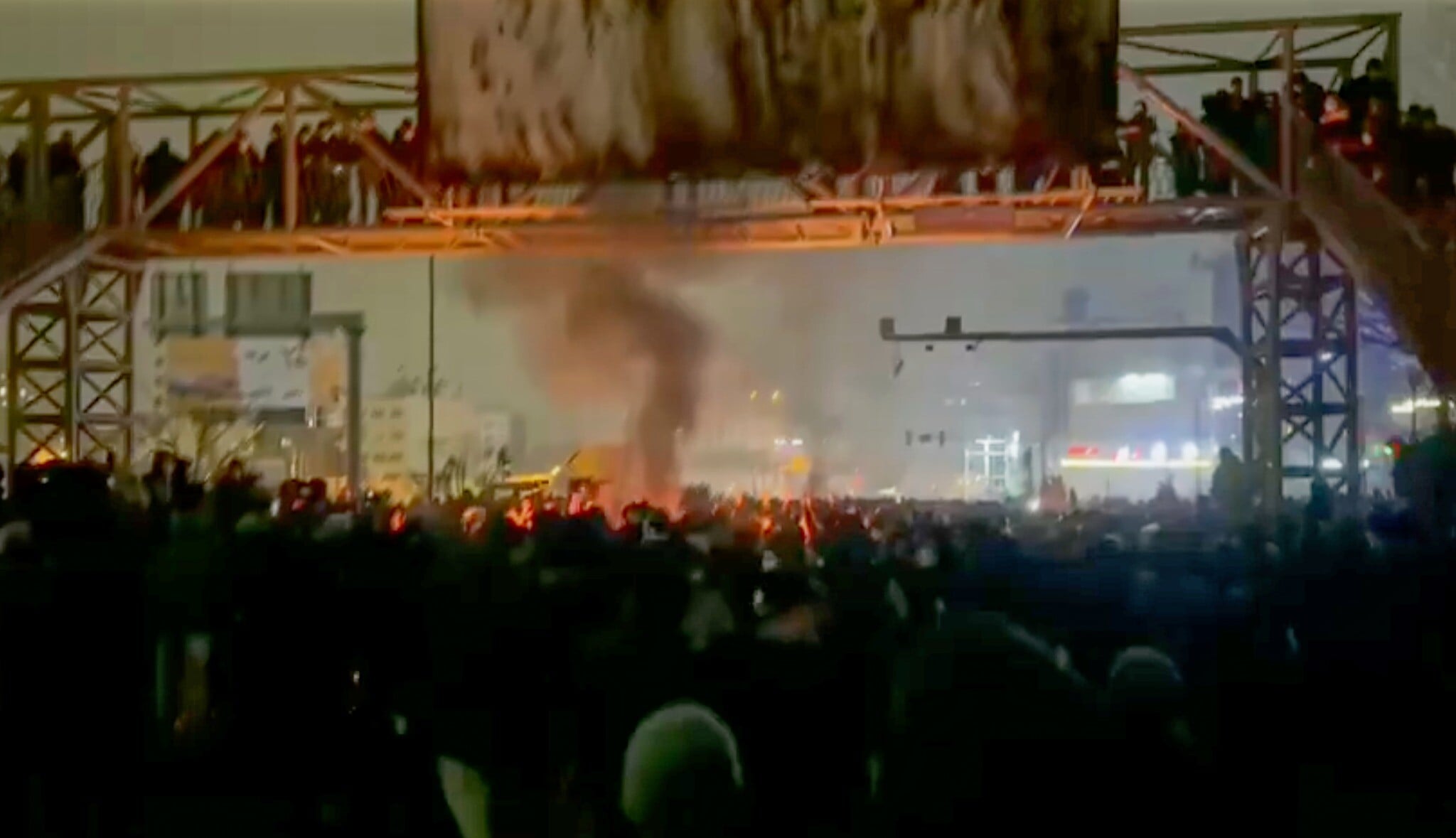
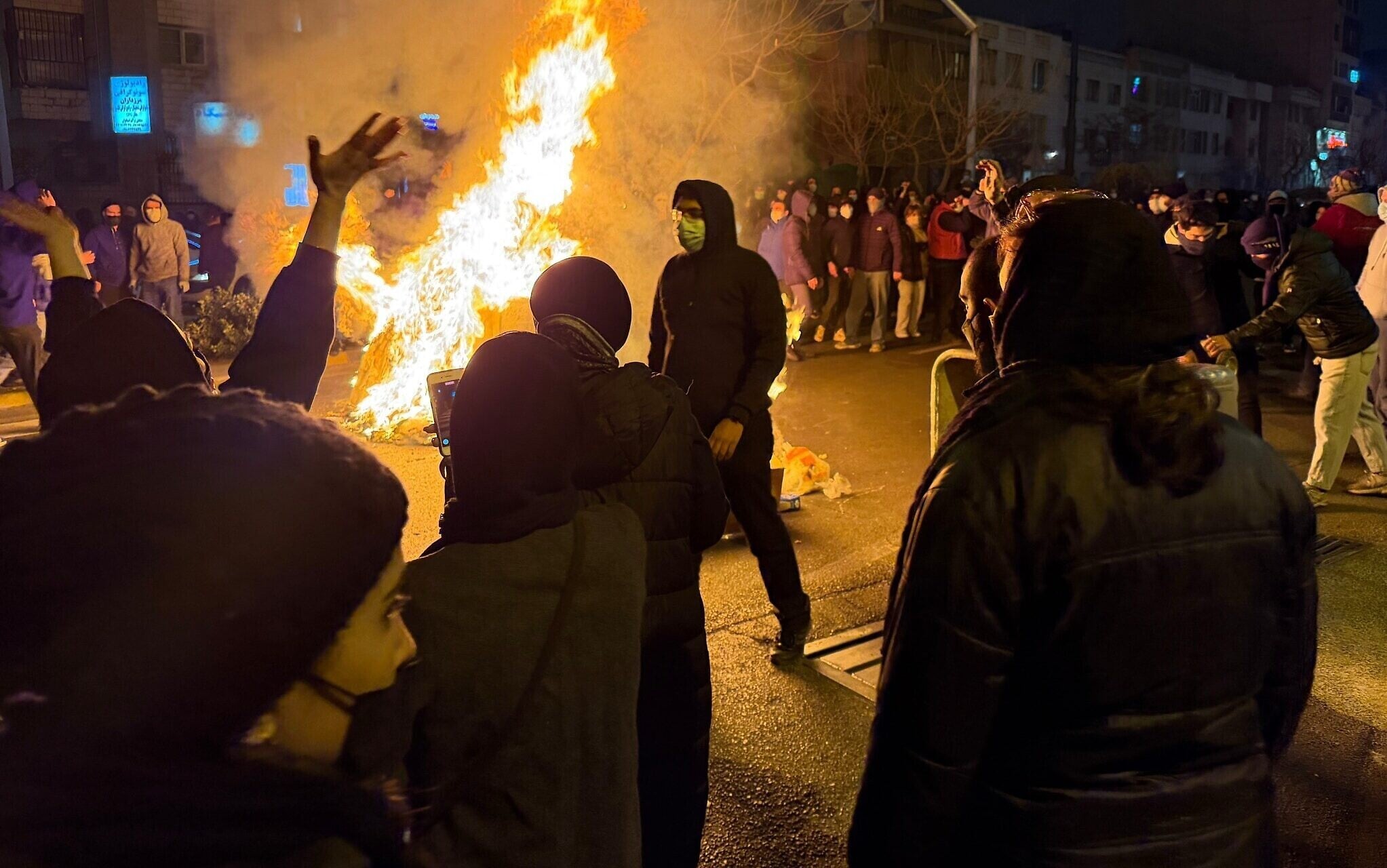
Thousands have been killed under cover of the blackout, according to rights groups.
Information from government sources, including spokesperson Fatemeh Mohajerani, confirmed that the internet blackout imposed on January 8, as Iran brutally cracked down on the protests, will last until at least the Iranian new year on March 20, Filterwatch said.
But authorities are also implementing a “confidential state project… to transform the country’s internet infrastructure into a ‘Barracks Internet.'” according to the group.
Recent steps taken to implement the “Barracks Internet” project include the collection of satellite dishes, blocking of Starlink terminals, quiet departure of foreign telecommunications partners, and dismissal of the CEO of Irancell, a major Iranian communications firm, who was reportedly accused of treason for delaying orders to cut connectivity, Filterwatch said.
The group indicated that the internet shutdown could exacerbate the economic concerns that drove Iranians to the street in the first place.
For example, private postal company Tipax’s daily shipments dropped from some 32,000 to “fewer than a few hundred after the complete internet shutdown,” demonstrating that the blackout “not only causes financial losses for companies but also directly results in unemployment for thousands of drivers and warehouse workers across the country,” said Filterwatch.
A former US State Department official quoted by the Guardian said “the impacts of this will be really severe for Iranian authorities, who will bear responsibility for that harm to their economy.”
“It’s not out of the question that they’re going to do it, but seeing these situations unfold, the economic impact and the cultural impact will be really massive. And they may overplay their hand,” said the unnamed former official.
“The digital rights community is right to raise the alarm,” said the former official, describing as “plausible and terrifying” the possibility that Iran would try to splinter off the global internet.
Citing researchers from digital rights groups Project Ainita and Outline Foundation, the Guardian said Iran had already begun planning its separate internet in 2012, after realizing the huge costs of the wholesale shutdown that was imposed during Iran’s 2009 anti-regime protests.
The current shutdown, imposed on January 8, is among the most severe in history, the Guardian said. On Saturday, more than 200 hours after the regime shut down the internet amid widespread protests, monitoring group NetBlocks said internet connectivity in Iran rose “very” slightly.
Activists have warned the Iranian regime would use the internet blackout to mask the extent of its violent repression of the protests that began on December 28 and morphed into a mass movement demanding that Iran’s theocracy be dismantled. The protests appeared to have been stifled by Friday.
The US-based Human Rights Activists News Agency on Friday put the death toll in Iran’s demonstrations at 3,090, including at least 163 people identified as affiliated with the government. The group relies on a network of activists inside Iran that confirms all reported fatalities. The toll cannot be independently verified.
Agencies contributed to this report.