Iranian women defy restrictions to embrace clothing freedom
After decades of strict modesty rules, Iran's younger generation has started pushing back, prompting shopkeepers to adapt even as they remain wary of potential backlash
TEHRAN, Iran (AFP) — At her shop in central Tehran, Pariya Senyari sells crop tops and short skirts that many Iranian women now wear in public, but still keeps long coats in the window to avoid trouble with the authorities.
For decades, Senyari’s shop catered mainly to women accustomed to the modest attire required by the strict dress code implemented after the 1979 Islamic revolution, which includes covering the head and neck.
But now the 47-year-old is adapting her selection to attract younger customers who have embraced greater freedom in their clothing choices, despite the legal restrictions that remain in place.
“We can’t force this new generation to wear headscarves anymore — they want to be free,” she said.
Adherence to hijab rules has become more sporadic since 2022 protests that followed the death in custody of Mahsa Amini, who had been arrested over an alleged dress-code breach.
But the transformation in women’s clothing became more visible amid mounting political and economic pressure due to wars with the United States and Israel and protests against the rising cost of living that peaked in January.
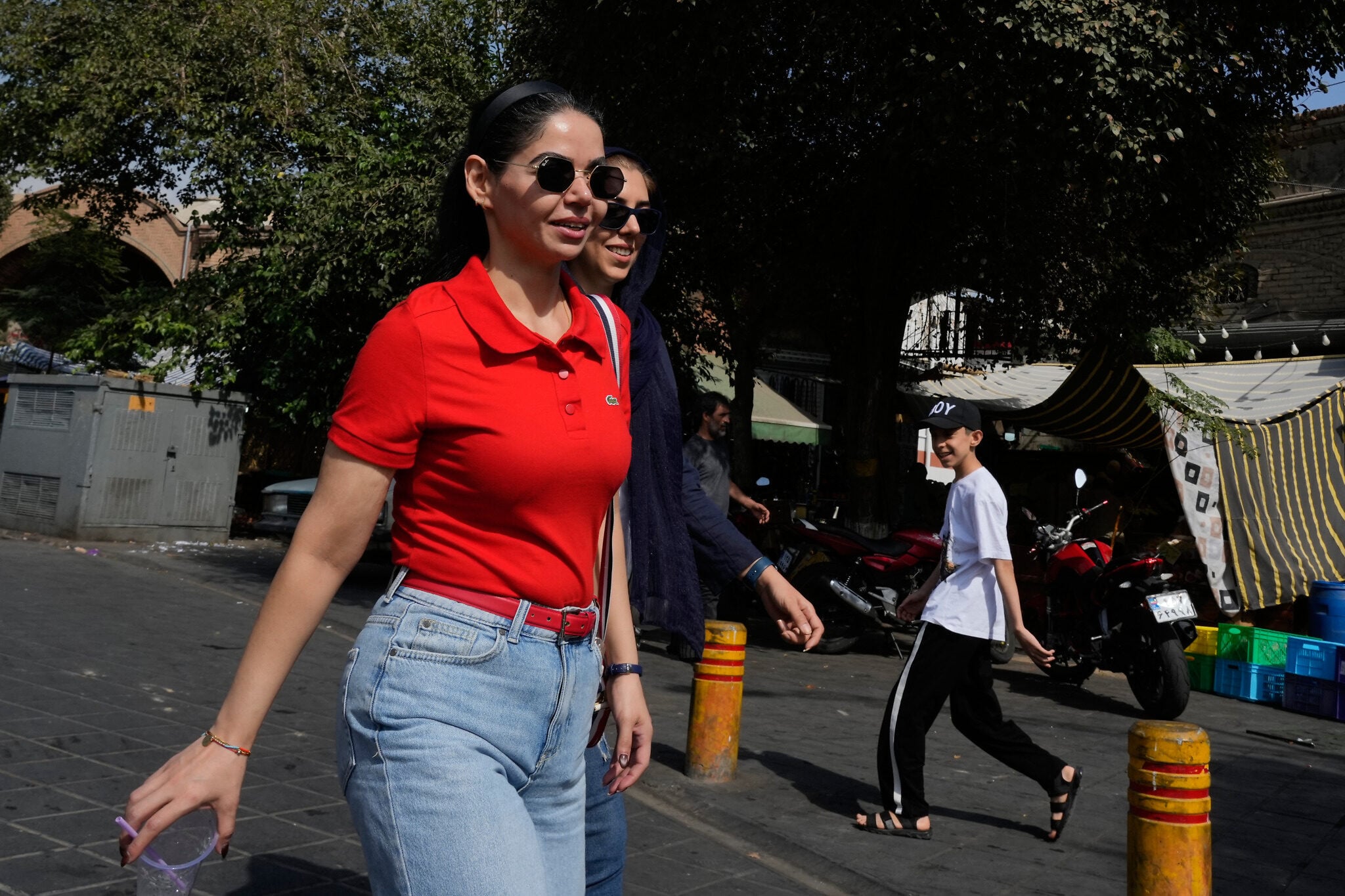
Now, women’s streetwear, particularly in Tehran, has gone far beyond shunning the headscarf and includes crop tops, sleeveless shirts, ripped jeans, and short skirts.
Senyari, however, says the widening freedoms have yet to show in her window display.
“We can’t stock ripped jeans or put very short skirts on our mannequins,” she said.
“We hope that somehow these limitations will eventually be lifted.”
‘Abnormal behavior’
Despite the shift on the streets of Iran, compulsory hijab rules remain in force and the changing norms face stiff resistance from conservatives.
On Tuesday, Iran said it arrested several people in central Tehran for “promoting the abandonment of the hijab and public nudity” after judiciary chief Gholamhossein Mohseni Ejei called for action against what he described as “abnormal behavior” on Iranian streets.
Last week, the ultraconservative Kayhan newspaper described the removal of headscarves as “a destructive weapon” used by Iran’s enemies during the ongoing Middle East war.
Lawmaker Hassan Ali Akhlaghi Amiri said claims that hijab laws had been abandoned were “entirely false” and called for measures to enforce the rules.
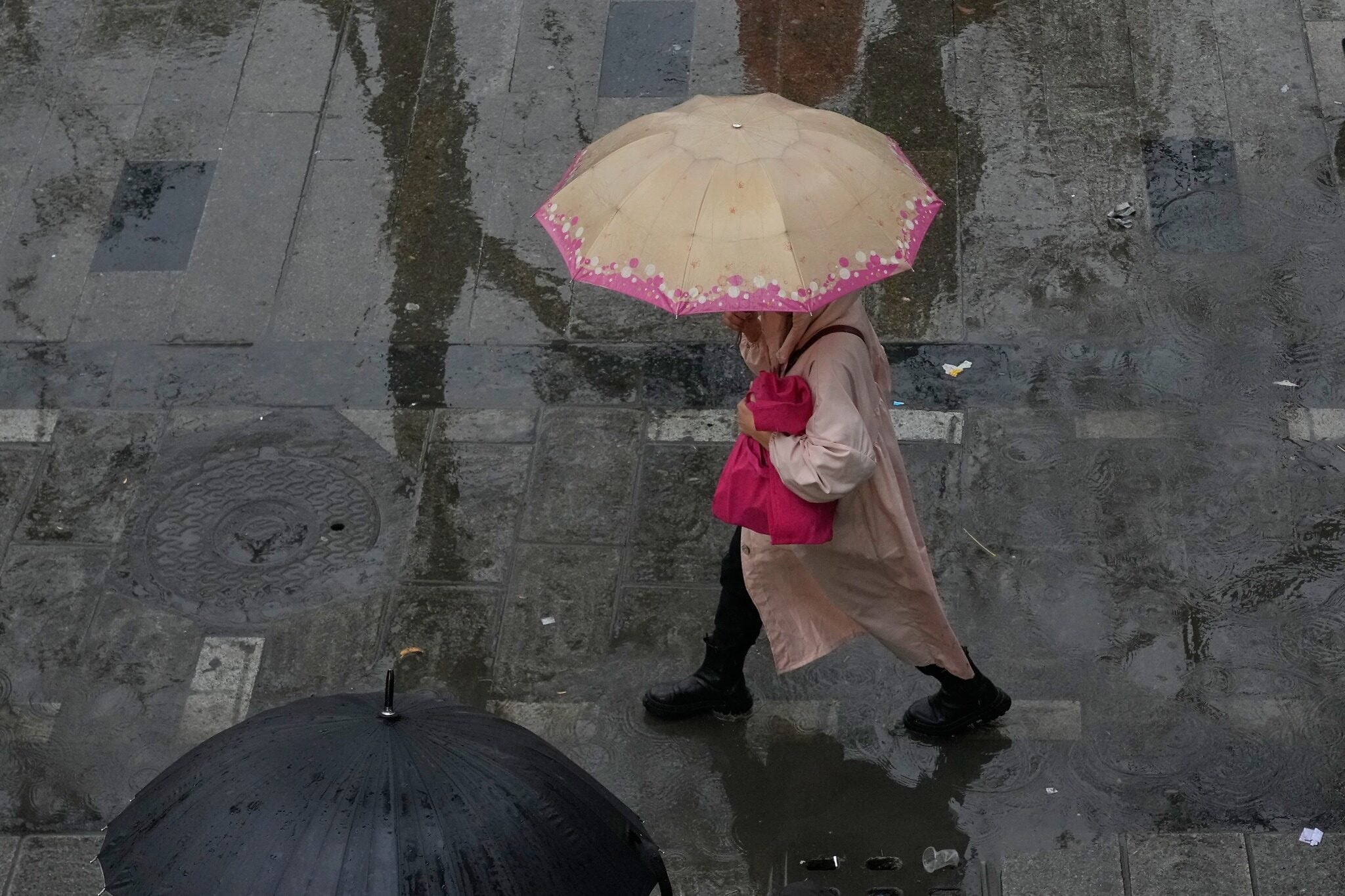
But Niyusha, a 57-year-old woman who works at a jewelry store and who asked to use a pseudonym, says authorities appear to be increasingly turning a blind eye to clothing in order to avoid mass protests and unrest similar to what occurred in 2022.
“The authorities have given people a little more freedom for now, so that people don’t make a fuss, stay in their place and say, ‘Well, everything is fine, everything is great,'” said Niyusha.
She added that although she generally goes without a headscarf nowadays, she is still careful to put it on in areas where it is expected to be worn.
“Right now, for example, I’m not wearing one here because I see other women without hijabs,” she told AFP while walking in downtown Tehran.
“If I go somewhere where I see that I have to observe the hijab rules, I have to comply. You never know — they might suddenly stop you and harass you over something trivial.”
Still wary
Alireza, a 42-year-old clothing shop owner who has worked in the business for 29 years, has added shirts and shorter coats to his selection but kept the long topcoats.
“Some still wear topcoats because they hold more conservative Islamic beliefs; it really depends on individual taste and convictions,” he said.
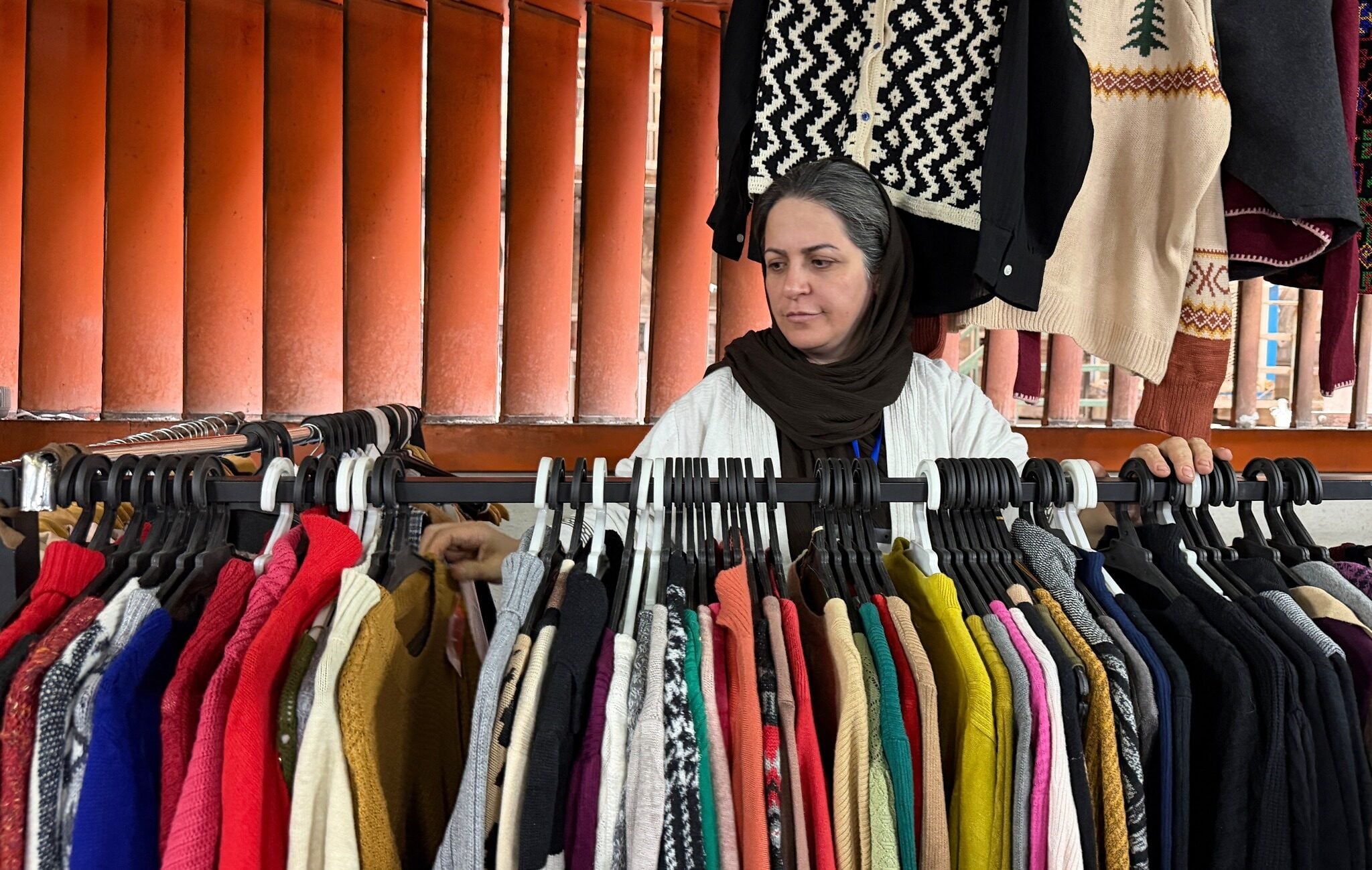
And while he does not mind restrictions being eased, he believes “Islamic hijab and proper standards of modesty need to be observed” and that people should refrain from wearing “revealing outfits.”
In northern Tehran, Maryam, a 38-year-old designer who sells clothes online, says it has become easier “to wear what you like” but she remains mindful of how she presents her work to her Instagram followers.
She puts photographs of the designs, which include revealing evening gowns, short skirts, and tight trousers, in carousel form, leaving images of models to later slides, without showing their faces.
She opts for writing the posts in English to give the impression that the page is not local.
“Of course, I am afraid that they (authorities) would question me,” she said.
“These kinds of restrictions still exist. We can’t be certain that everything is completely fine now.”