Iran’s military command says it’s been informed US plans to resume strikes
Tehran vows Hormuz will stay closed, regime won’t negotiate until Trump accepts its conditions -- including ending war, unfreezing Iranian funds and removing naval blockade
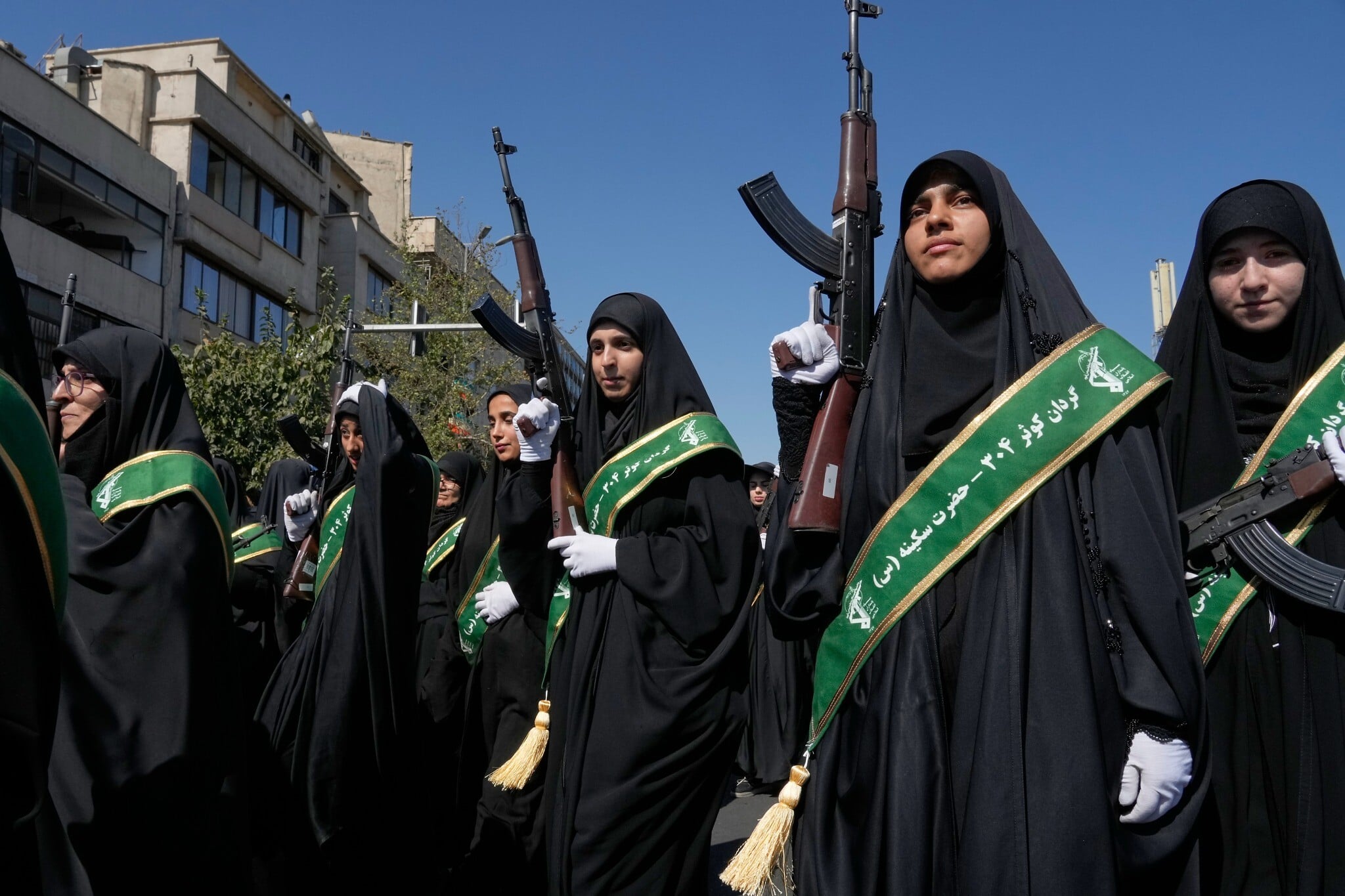
Iran’s central military command said in a statement on Sunday that it had received information that the United States, with the backing of some regional countries, was preparing to resume military actions against it, state media reported.
The statement said that any US attack would trigger sustained strikes on US bases and interests in the region, warning that regional countries supporting US aggression against Iran would be considered parties to the conflict.
On Saturday, Al Jazeera cited Iran’s security chief Mohsen Rezaei as saying in an interview that Iran had conveyed to mediators its conditions for re-engaging in negotiations aimed at ending the war with the US.
The conditions included ending the war on all fronts, unfreezing Iranian funds and ending the naval blockade, Rezaei said, adding that consultations were continuing with Qatari and Pakistani mediators and that Tehran was awaiting a response from US President Donald Trump.
Iran’s Parliament Speaker Mohammad Bagher Ghalibaf said his country would not reopen the Strait of Hormuz until its conditions were met and US commitments implemented.
Iran must both fight and negotiate, Ghalibaf said, adding that Tehran would use military force to push back its enemies and diplomacy to consolidate battlefield gains when the time is right.
Saturday saw Trump return to the White House from Camp David after cutting his vacation there short, having originally been scheduled to return on Sunday night.
The White House did not offer an explanation for the change to his schedule, but it came after the Saudi-led coalition fighting Yemen’s Houthis said that the Iran-backed group had fired a ballistic missile at Riyadh, and a fire was reported near the Saudi capital’s international airport.
The Riyadh-led coalition said Saturday evening on X that a ballistic missile launched by the Houthis towards the capital was “successfully intercepted and destroyed.”
The coalition added that the pro-Iranian fighters had tried to target “civilians and civilian infrastructure” in several cities in the west of the kingdom, including the port of Yanbu on the Red Sea, an important export hub for Saudi oil.
It said these attacks were “thwarted by the Gulf monarchy’s air defenses.”
This was the first time since Yemen’s civil war resumed that strikes have threatened the Saudi capital, piling further pressure on a global economy already rocked by seven months of war between the US and Iran.
The Houthis’ lightning offensive seizing swaths of Yemeni territory in recent weeks has left hundreds dead and, according to the UN, displaced more than 110,000 people.
Saudi Arabia has responded with scores of airstrikes on Houthi-held areas but failed to stop the advance.
The flare-up in fighting between the Houthis and Saudi Arabia also prompted the US embassy in Israel to issue a security alert late Saturday, instructing American citizens in the Middle East to “exercise heightened vigilance and be aware of potential flight cancellations, airspace closures and travel disruptions.”
It noted that the Houthis have targeted civilian airports in their fight against Saudi Arabia and said that “the military conflict has the potential to escalate rapidly.”
“Americans traveling to or from the region should monitor information about airport and airline operations,” the alert added.
On Sunday, US Central Intelligence Agency Director John Ratcliffe met Egyptian President Abdel Fattah el-Sissi in a rare visit to Cairo.
Sissi stressed “the paramount importance of settling regional crises through political and diplomatic tracks,” according to a presidency statement.
The visit came days after Saudi Crown Prince Mohammed bin Salman was also in the Egyptian capital, where he and Sissi urged safe and secure navigation through Bab el-Mandeb, after the Houthis seized the Yemeni coast.
The Bab el-Mandeb strait is a Red Sea waterway that is crucial to energy flows and global shipping and which has become even more strategic since Iran imposed a blockade on the Strait of Hormuz.