Iran’s newest hit app helps users dodge morality police
Android app relies on data submitted by users to let Iranians to steer clear of notorious modesty patrols
Days after its debut, a new smartphone app helping Iranians avoid Gasht-e Ershad, Tehran’s notorious morality police, has become a hit in the Islamic Republic.
Anonymous developers in Iran said they released the Android app to help users avoid being stopped, harassed or arrested for failing to adhere to the patrol’s interpretations of Islamic morality, by sharing the locations of Ershad checkpoints in real time.
Called “Gershad,” the app works a lot like popular Israeli-made crowdsourcing app Waze, but instead of marking traffic information, the app employs user-provided data to mark police checkpoints throughout the city.
According to the creators of Gershad, the morality police issued official warnings to some three million Iranians in 2014 and prosecuted another 18,000; more than 200,000 people were also made to write formal pledges of repentance for various “morality violations.”
On its Google Play Store page, the app’s developers say they created the app to “restore part of our freedom,” and slammed the morality patrols for humiliating, and abusing innocent women.
“Why do we have to be humiliated for our most obvious right, which is the right to wear what we want? Social media networks and websites are full of footage and photos of innocent women who have been beaten up and dragged on the ground by the Ershad patrol agents,” the blurb says, according to a translation by the BBC.
“Police need to provide security for citizens, not to turn into a factor for fear. A while ago, angry with such unreasonable oppression, we looked for a solution to find a practical way to peacefully resist the volume of injustices, with a low level of risk, to restore part of our freedom,” they wrote.
The Gasht-e Ershad patrols Tehran searching for people, especially women, in Western-style clothing or immodest dress, then snatch them off the street into a van to for detainment and sometimes punishment.
Under Islamic law in force in Iran since the 1979 revolution, women must wear a loose scarf, known as a hijab, that covers the head and neck and which conceals their hair.
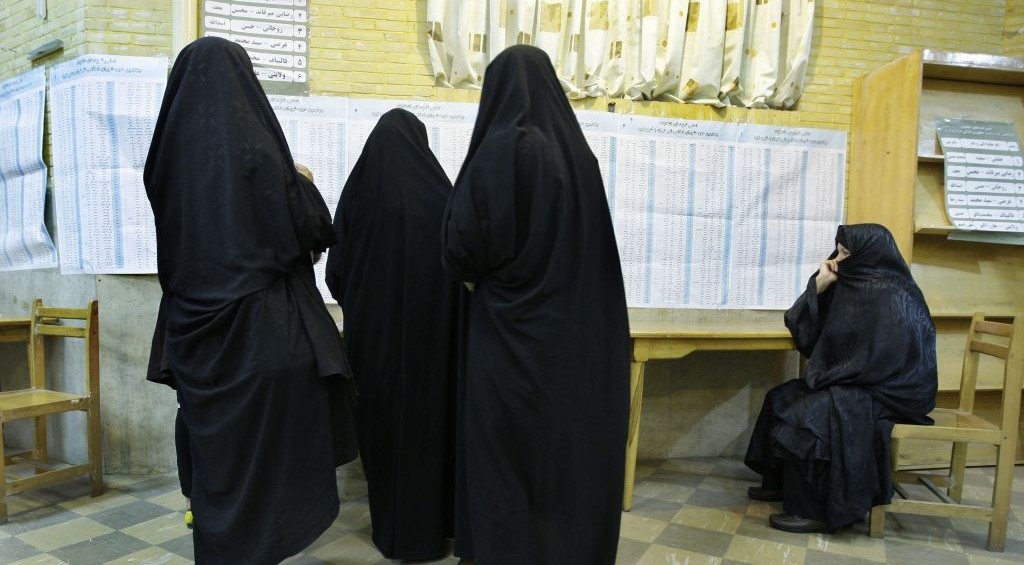
But many now push the boundaries by wearing thin head scarves, tight leggings and fashionable coats rather than a chador, a long and traditional black garment that covers the entire body from head to toe.
This has led to claims from lawmakers and religious leaders that the rules are being flouted and not upheld by morality police whose job it is to ensure Islamic dress code is complied with in public.
AFP contributed to this report.