Iraqi Kurds reach Turkey to join battle of Kobani
Peshmerga fighters head for Syria to help fight against Islamic State
SURUC, Turkey — A convoy of heavily armed Iraqi Peshmerga fighters reached the Turkish-Syrian border Thursday to join fellow Kurds in the battle against the Islamic State group for the besieged town of Kobani.
After travelling through southeastern Turkey along roads clogged with flag-waving Kurds, the convoy arrived overnight Thursday in the border town of Suruc, an AFP photographer said.
The fighters linked up there with a second group of Peshmerga who had flown in on Wednesday, but it was unclear when they would cross into Kobani, where local Kurds have been holding off an IS onslaught for six weeks.
A small advance party was reported to have entered the town to coordinate the arrival of their comrades.
Officials have said there are about 150 Peshmerga fighters in total in the group, armed with machine guns, heavy artillery and rocket launchers.
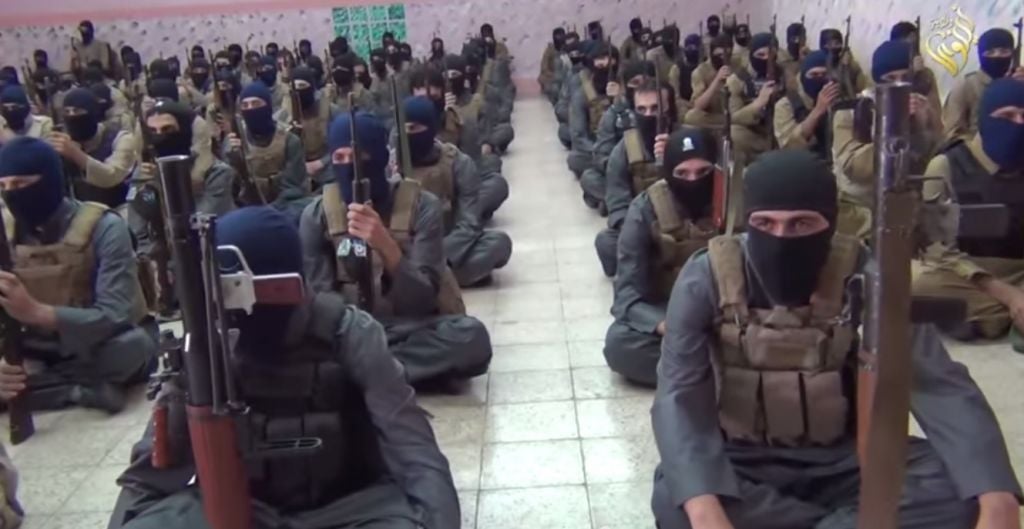
The IS jihadists were pounding northern areas of Kobani along the border with mortars and heavy artillery on Thursday, a monitoring group said, in an apparent bid to prevent the Peshmerga from crossing.
They had also launched an assault of a northern neighbourhood overnight but were pushed back by forces from the Syrian Kurdish People’s Protection Units (YPG) militia, said the Britain-based Syrian Observatory for Human Rights.
“The bombardment of the border area will likely delay the entry of the Peshmerga” to Kobani, said Observatory director Rami Abdel Rahman, whose group relies on a wide network of sources inside Syria.
Kobani has become an important symbol of the battle against IS, an extremist Sunni Muslim group that has seized swathes of Syria and Iraq, committing atrocities and declaring an Islamic “caliphate”.
Under pressure from the United States, Turkey agreed last week to allow the Peshmerga to reinforce the town.

The Peshmerga reinforcements were waiting in a storage facility in Suruc, 10 kilometres (6 miles) from the border, which was heavily guarded by Turkish security forces who prevented media approaching.
It took the road convoy some 24 hours to make the roughly 400 kilometre (250 mile) journey from the Iraqi border to Suruc, held up along the way by crowds of Turkish Kurds who greeted their arrival.
The Observatory said 10 of the Peshmerga had crossed over to Kobani to coordinate the arrival of the others.
In Iraq, hundreds of Iraqi soldiers and pro-government fighters were gathering for an assault on the strategic jihadist-held northern town of Baiji, officers said.
“Iraqi forces are massing at the town of Baiji, preparing to enter the town and regain control of it,” said Lieutenant General Abdulwahab al-Saadi, who heads the provincial military command.
Baiji lies on the main highway to Iraq’s IS-controlled second city Mosul and the assault could open the way to breaking a months-old jihadist siege of government forces defending Iraq’s largest oil refinery, which is located near the town.
The refinery has come under repeated attack by IS.
Washington has forged an alliance of Western and Arab nations to combat IS and the coalition has carried out a barrage of air strikes on the jihadists in recent weeks.
US ‘horrified’ at barrel bombs
The group arose in the chaos of Syria’s civil war, an uprising against President Bashar al-Assad’s regime that has killed more than 180,000 people and forced millions from their homes in the last three-and-a-half years.
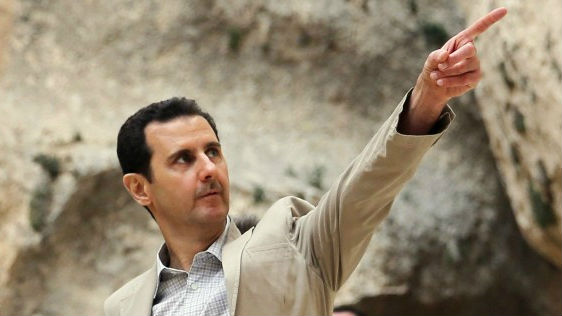
The regime has been accused of carrying out widespread abuses in its fight against a diverse group of rebels who include IS, other jihadists and secular rebels.
Washington expressed horror on Wednesday at reports Syrian government forces had dropped barrel bombs on a displaced persons camp in the northwestern province of Idlib.
Damascus has faced repeated criticism for its use of barrel bombs — improvised explosive devices that have little accuracy and can cause widespread devastation.
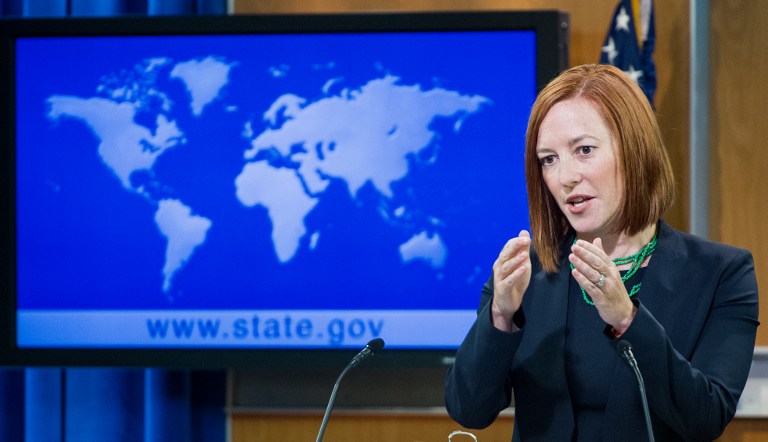
“We are horrified by the reports that the Assad regime barrel bombed the Abedin displaced persons camp in Idlib and the images we saw of the carnage against innocent civilians,” US State Department spokeswoman Jen Psaki said.
“The attack on the Abedin camp was nothing short of barbaric.”
The Observatory said the attack Wednesday killed at least 10 people and wounded dozens more in the camp.
Video posted on YouTube by activists showed bodies lying among olive tree branches littered with shreds of white canvas from tents that had been ripped apart by the bombs.