Israel bakes in record heat as temperatures expected to approach 50ºC
Jerusalem, which experienced unusual summer rain Tuesday night, set to reach 39ºC; Dead Sea experiences highest-recorded minimum daily temperature of 36.6°C
A record-breaking heat wave was expected to send temperatures to nearly 50ºC (122ºF) in some parts of Israel Wednesday, with the eastern parts of the country set to swelter under the hottest conditions.
Data from the Israel Meteorological Service showed that the mercury was set to hit 39ºC (102ºF) in Jerusalem by midday, while in coastal Tel Aviv, temperatures would reach 32ºC (88ºF) by afternoon.
Nearby cities in central Israel that are further from the sea, such as Ramat Gan and Givatayim, were expected to feel temperatures approach the mid-30s.
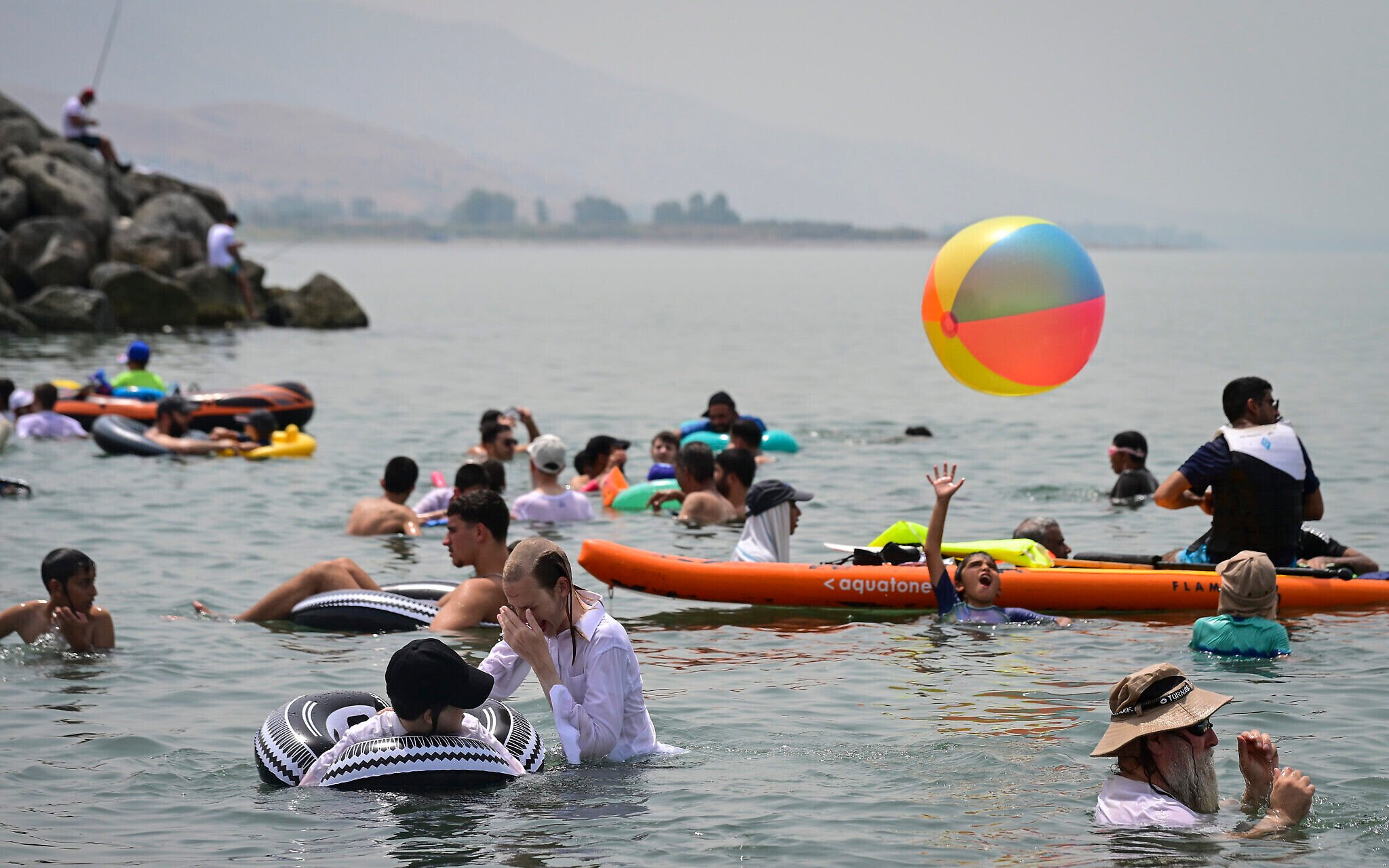
Temperatures in the interior parts of the country and the West Bank were projected to approach a sizzling 50ºC during the hottest parts of the day, particularly around the Sea of Galilee.
Beit She’an in the northern Jordan Valley was set to hit 46ºC (115ºF), with Tiberias, on the Sea of Galilee, and Katzrin in the Golan Heights, both steaming at 44ºC (111ºF).
According to the IMS, temperatures at Mount Arbel will top out at 48ºC (118º F), while a station at the Qasr al-Yehud pilgrimage site in the West Bank’s Jordan Valley is expected to bask in 49ºC.
Other areas are expected to be nearly as hot, especially from the Hula Valley down to the Arava Desert in the south.
Beit Shemesh, near Jerusalem, as well as Dimona in the south, will likely hit 40ºC.
At the Dead Sea, temperatures are expected to soar to the mid-40s, while the popular resort city of Eilat is set to reach 49ºC (120º F) by mid-afternoon.
The Health Ministry has recommended that people limit their time outdoors and in the sun and take other necessary precautions to avoid heatstroke, dehydration and other health issues.
Meanwhile, the Nature and Parks Authority said entry into hiking trails in open areas was prohibited until Saturday night, with the exception of short trails with shade and places to access drinking water, which would be open in the early morning.

The scorcher is expected to slacken slightly on Thursday before breaking over the weekend, though temperatures will still remain relatively high for the season.
Overnight, the IMS said the Dead Sea area and Negev experienced record-setting temperatures.
According to the service, the mercury at the Sodom weather station near the Dead Sea evaporation pools fell to 36.6°C (97.8°F) at night, the highest daily minimum ever recorded in Israel. The previous record was 35.5°C (95.9°F).
Eilat and Yotvata also experienced record-setting lows, only cooling to 35.8°C (96.4°F) and 33.7°C (92.7°F) overnight, the IMS said.
In an unusual sight, rain fell in Jerusalem on Tuesday night while the capital sweltered in the heat.
The soaring temperatures come after more than half of Europe and the Mediterranean basin were hit by drought in July for the fourth consecutive month, according to an AFP analysis of European Drought Observatory data.
Israel is a climate “hotspot,” where temperatures are rising faster than the global average. In 2020, Israel experienced its hottest recorded day ever, though the hottest ever temperature recorded was in 1942, before the state was established, with a temperature of 54°C (129.2°F) recorded at Tirat Zvi in the Beit She’an Valley.
Last month, the IMS predicted that average temperatures inland and in the mountains could rise by 4.5-5°C on average by the end of the century, and by 3-3.5°C along the coast and in the lowlands.