Israel: ‘No place’ for Macron visit if Paris persists with Palestinian state recognition
FM Sa'ar tells counterpart Israel wants good ties with France but move to recognize Palestine harms Israeli interests; Netanyahu warns Jerusalem can also take unilateral steps
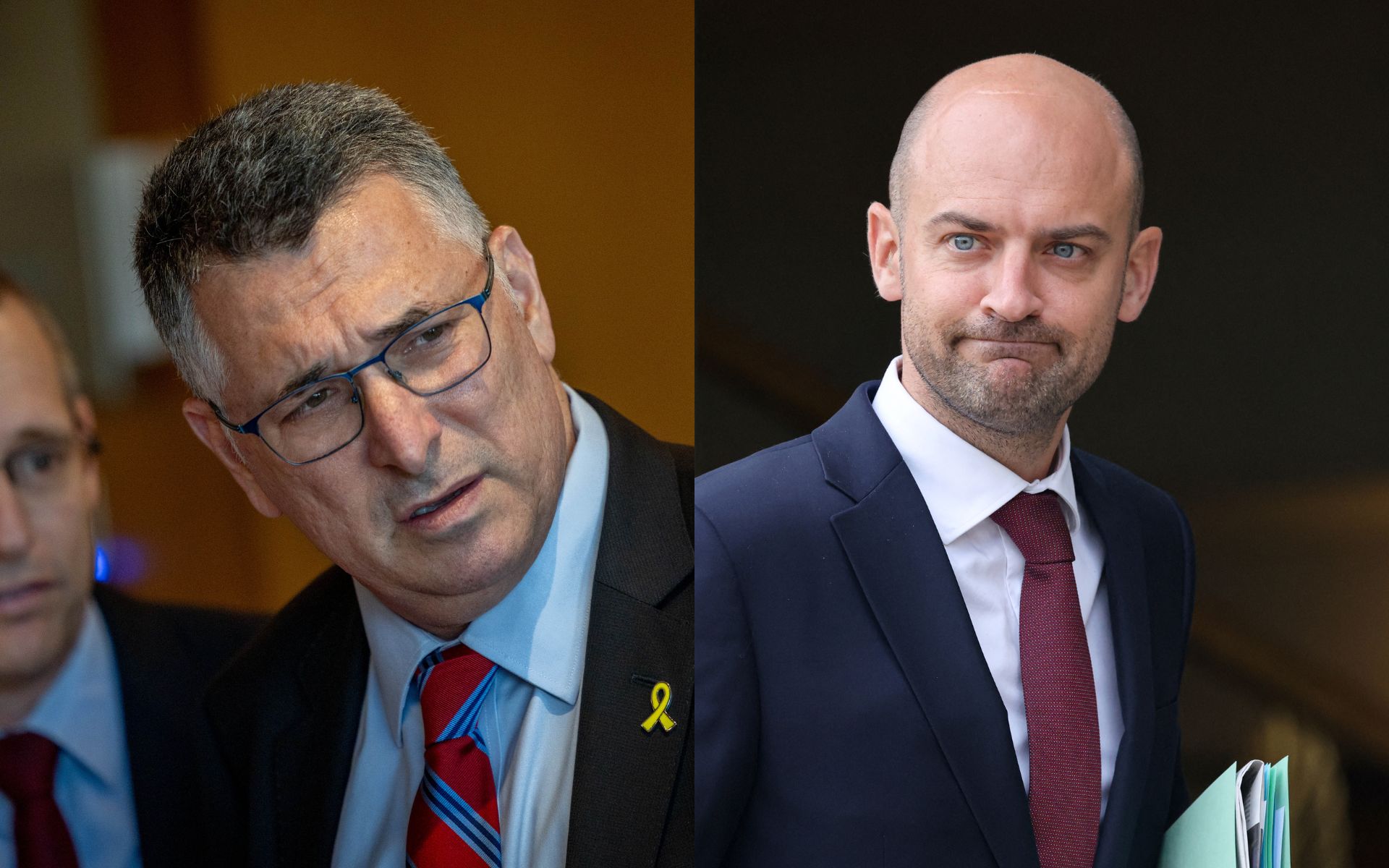
Foreign Minister Gideon Sa’ar on Thursday urged his French counterpart to withdraw Paris’s planned unilateral recognition of Palestinian statehood this month, telling him that French President Emmanuel Macron will not be welcome to visit Israel so long as the move remains on the agenda.
In a phone call, Israel’s top diplomat called on French Foreign Minister Jean-Noel Barrot “to reconsider France’s initiative to recognize a ‘Palestinian state,’ stating that the French initiative undermines stability in the Middle East and harms Israel’s national and security interests,” according to a statement from Sa’ar’s office.
“Israel seeks good relations with France, but France must respect Israel’s position when it comes to matters essential to its security and future,” Sa’ar stressed during the conversation.
Sa’ar also said that any visit by French President Emmanuel Macron to Israel “has no place” so long as France “persists in its initiative and in efforts that harm Israel’s interests.”
Last night, the Kan public broadcaster reported that Prime Minister Benjamin Netanyahu conditioned a request by Macron to visit on France scrapping the recognition initiative — a demand the French president rejected.
The two foreign ministers also discussed the situation in the Gaza Strip, the European snapback process against Iran, Lebanon, and the war in Ukraine, Sa’ar’s statement added.
There was no immediate French readout of the call.
Israel has been under mounting pressure to wrap up its campaign in Gaza, where the war — which began with the Hamas-led October 7, 2023, massacre in southern communities — has created a humanitarian crisis and devastated much of the territory, and bring home the hostages held there.
Amid the mounting criticism, Macron announced that France would formally recognize a Palestinian state during a UN meeting in September. Many Western nations have followed in Paris’s footsteps.
Netanyahu told “Abu Ali Express,” a popular account on the Telegram messaging app, during an interview Thursday that such moves contradicted agreements between Israel and the Palestinian Liberation Organization, which determined that disputed issues would be solved through negotiation.
“But if they take unilateral steps against us, don’t be surprised if we take unilateral steps as well. What we will do exactly, I won’t reveal here,” he said.
Rubio indicates he warned countries Israel might consider annexation
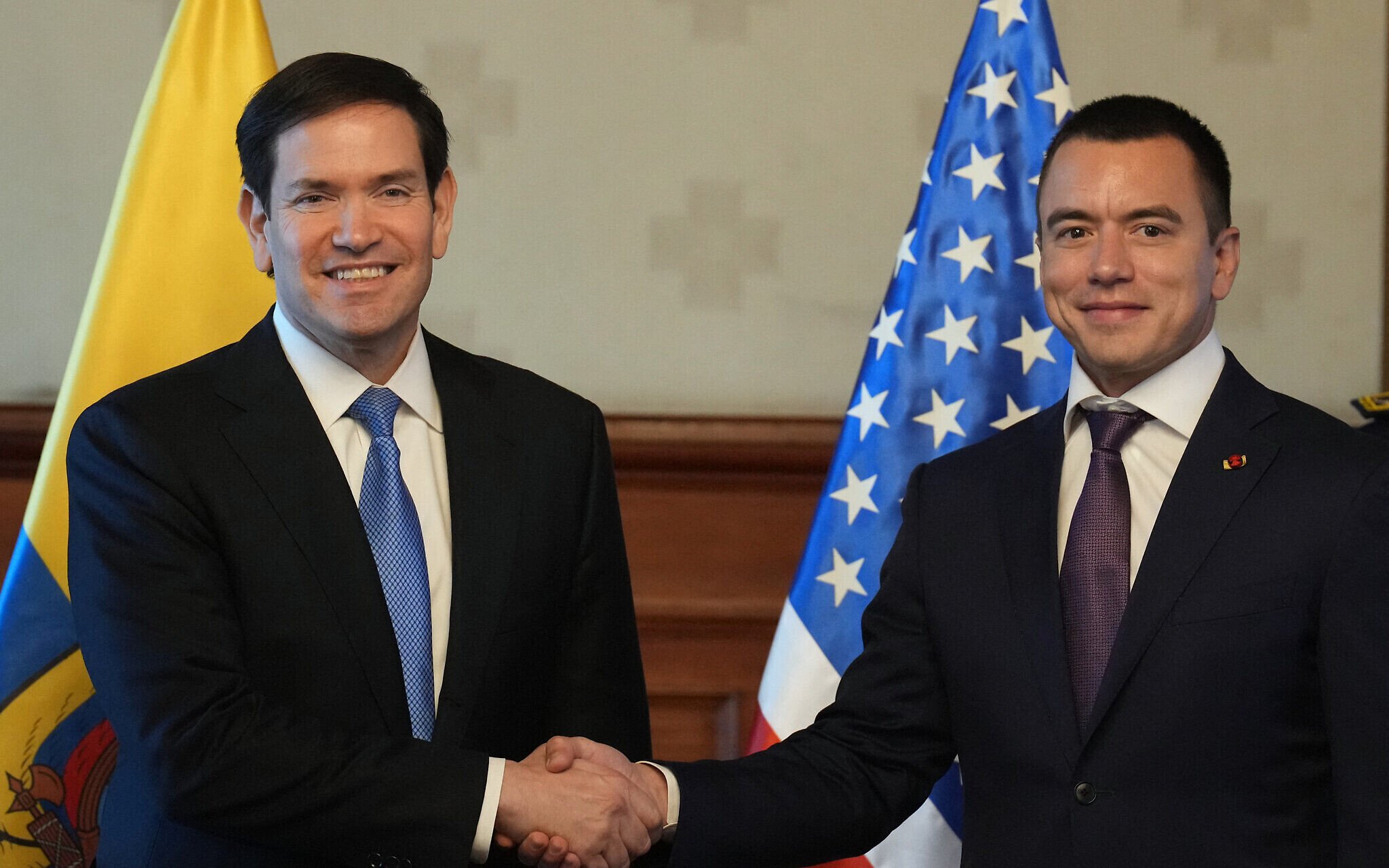
Meanwhile, US Secretary of State Marco Rubio said the US is “watching closely,” but he will “not opine” today on whether the Trump administration supports Israel annexing the West Bank.
While dodging the question regarding Washington’s stance on the controversial move during a press conference in Ecuador, Rubio claimed the US predicted that Israel could take such steps in response to Western countries recognizing the state of Palestine.
“We’re watching it closely. I’m not going to opine on it today,” Rubio said of the annexation issue.
“As far as what you’re seeing with the West Bank and the annexation, that’s not a final thing. That’s something that’s being discussed among some elements of Israeli politics,” he added.
However, he noted, “We told all these countries…. ‘If you do this recognition stuff’… there [isn’t] going to be a Palestinian state, because that’s not the way a Palestinian state is going to happen — [by having] a press conference somewhere, and we told them that it would lead to these sort of reciprocal actions, and [that] it would make a ceasefire harder.”
Rubio then reiterated his claim that the July 24 French announcement that it would recognize a Palestinian state at the UN in September led Hamas to raise its demands in negotiations — an assertion that Arab diplomats have disputed to The Times of Israel, explaining that Hamas had submitted its response that day — one that was rejected by Israel and the US — several hours before the declaration out of Paris.
The secretary of state was also asked about his decision last week to bar the PA’s leadership from attending the UN General Assembly later this month and whether Washington views the PA as illegitimate.
“The Palestinian Authority has its own set of problems,” he said, highlighting Ramallah’s welfare system that includes payments to security prisoners based on the length of their sentence in Israeli jail.
Abbas signed a decree in February that ended the policy and replaced it with a new one, which the PA has begun implementing. In June, Ramallah invited the US to certify that the new policy is now in place, though, the Trump administration has yet to send a delegation to Ramallah.
In a letter sent to the French president in mid-August, Netanyahu complained that Macron’s promise that France would recognize a Palestinian state was fueling antisemitism.
Macron hit back last week, rejecting the premier’s criticisms and warning the issue of antisemitism should not be “weaponized.”
Times of Israel staff contributed to this report.