Israel reopens Gaza border crossings despite overnight rocket fire
Jerusalem moves ahead with Egyptian-brokered deal after Hamas tamps down violence at Saturday's mass-rallies at border
The two crossings between the Gaza Strip and Israel reopened Sunday morning despite rocket fire from the Palestinian territory overnight.
The Erez pedestrian crossing and the Kerem Shalom commercial terminal were both shuttered last Monday after a rocket fired from Gaza toward the central Israeli village of Mishmeret destroyed a home and left seven people wounded.
A fishing ban that has been in place since then was also lifted on Sunday morning.
Israel committed to reopening the crossing after Hamas reined in a massive border protest on Saturday, under an informal ceasefire deal brokered by Egyptian mediators after a violent week in the coastal enclave.
The new commitment to calm was challenged early Sunday, when five rockets were fired from Gaza at Israel, officials said, triggering sirens in the Eshkol region starting at about 12:40 a.m.
There were no reports of injuries or damage from the rocket fire, the Eshkol Regional Council said in a statement.
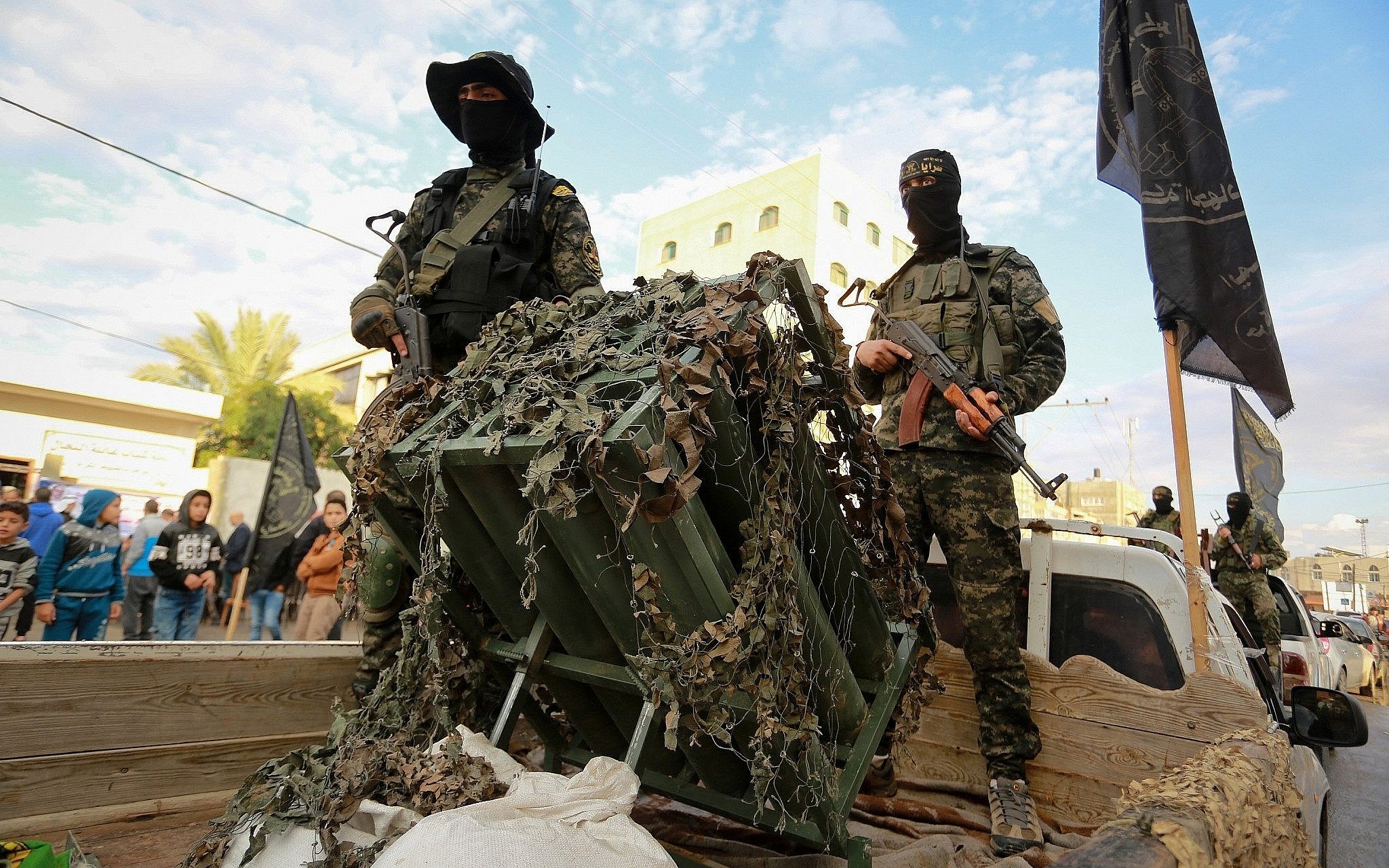
Israel Defense Forces planes struck at Hamas posts on the border in response, though Israeli officials were quoted in Hebrew media reports as saying the rockets were likely launched by the Iran-backed Islamic Jihad organization.
The reopening of the Kerem Shalom and Erez crossings Sunday morning suggests Israeli and Hamas officials are committed to the calm, and means goods will flow once more to Gaza from Israel.
Both sides, Hamas and Israel, expressed satisfaction Saturday with the relative lack of violence during the large protests along the border.
Egyptian mediators, shuttling between Israel and Gaza’s Hamas rulers, have been engaged in exhaustive efforts to broker a long-term ceasefire deal. Preliminary understandings between the sides reportedly included Hamas making arrangements for preventing violence during Saturday’s protests.
Earlier, an official with the terror group said the sides could reach understandings for a long-term calm “within days,” and Israeli officials were reportedly looking into easing some restrictions on the Strip in place since last week after the relative lack of violence over the weekend.
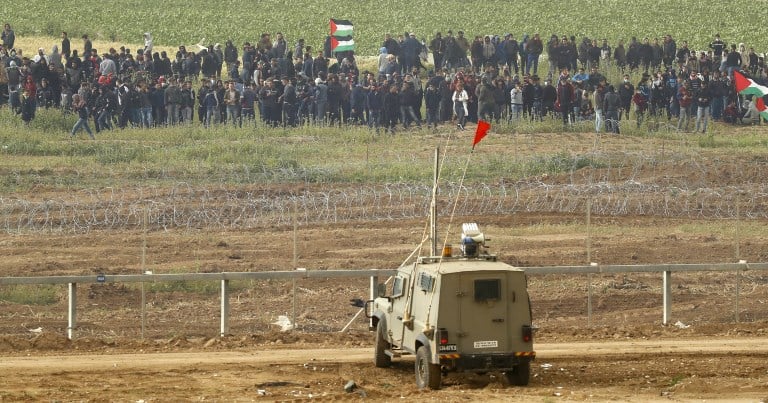
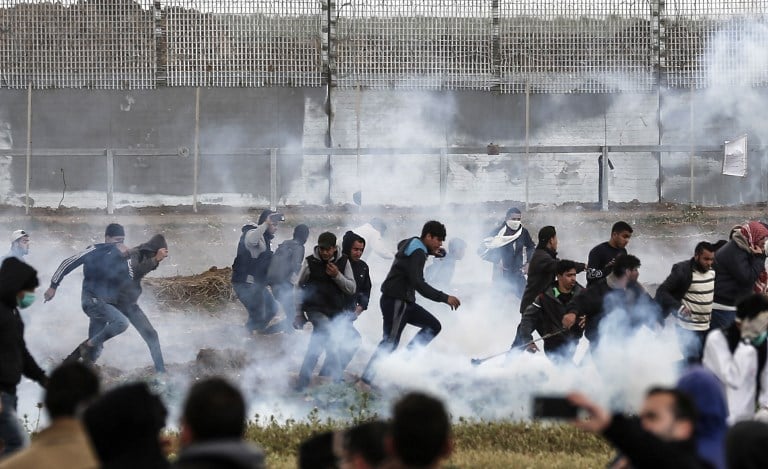
Over 40,000 Palestinians took part in the rallies at the Gaza border Saturday afternoon, with some rioters throwing grenades and explosives toward the security fence as well as lobbing rocks at troops and burning tires.
The enclave’s Hamas-run health ministry said three 17-year-old Palestinians were killed during the protests, while at least 300 were injured. Another Palestinian was shot and killed in the early morning before the main demonstration began, reportedly as he approached the border fence during overnight protests.
Most of those hurt were lightly wounded, but three were said to suffer critical injuries.
The army said soldiers responded with “riot dispersal means” as well as live fire in accordance with IDF regulations, noting that most Palestinians attending the one-year anniversary of the “March of Return” protests remained at a distance from the border.
During the protests Hamas actively worked to keep protesters away from the security fence as part of the apparent understandings with Israel.
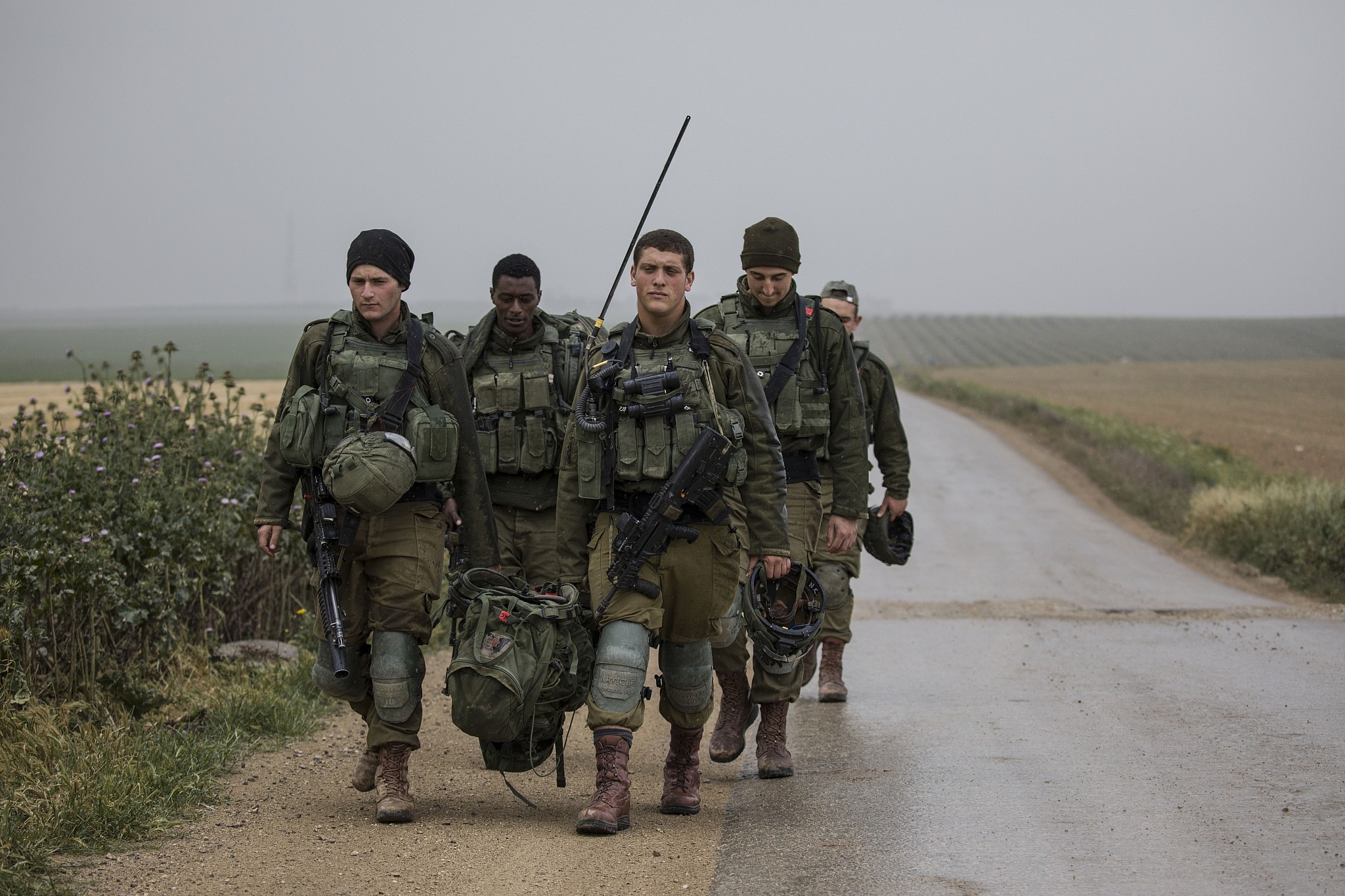
IDF spokesman Ronen Manelis said Hamas had “operated with restraint not seen in the past year.”
He said Israeli forces had observed hundreds of Hamas members wearing orange vests spread out between the crowd and the fence, preventing the masses from rushing toward the border.
In the past, Israel has accused Hamas of encouraging the protests and using them as cover to carry out attacks on Israeli troops stationed along the frontier. Previous demonstrations have seen dozens of deaths, including among Gazans who crossed the fence with weapons.
An Israeli diplomatic official said Israel was “satisfied” with Egyptian mediation efforts that had contributed to the relatively calm protests in Gaza. He also credited “Israeli policy that included strong air force attacks, severe warnings to Hamas and the massive deployment of the IDF.”
Speaking to the Lebanese al-Mayadeen TV channel Saturday night, Hamas deputy chief Saleh al-Arouri said “there is a good chance of reaching understandings in the coming few days.”
However, Arouri clarified that any long-term truce reached with Israel would not mean a cessation of their “resistance” efforts.
“As far as we are concerned, there is no political or national commitment. We…will continue to [participate] in all national activities and [undertake] all forms of resistance against the occupation in every place on the Palestinian land,” the Hamas official said.
He said the organization’s main aim was “to remove the blockade” on Gaza, which Israel and Egypt have enforced since the group took over the territory from Fatah in a violent coup in 2007. Israel says the blockade is necessary to prevent Hamas, a terror group that openly seeks to destroy Israel, from acquiring weapons it will use to attack it.
Under the Egyptian plan, Israel is to offer economic incentives for Gaza in exchange for calm. These are said to include easing restrictions on imports and exports, extended fishing zones and more.
Saturday night and Sunday morning also saw dozens of Gazans demonstrating near the border fence as part of nightly protests by so called “confusion units.” The demonstrations normally include rolling burning tires at the fence as well as hurling stun grenades and improvised explosives, and shining laser pointers at troops across the border.