

Israel resumes activity as Yom Kippur ends
2,319 people by medical teams during the fast, 18 of them requiring resuscitation; several incidents of stone throwing
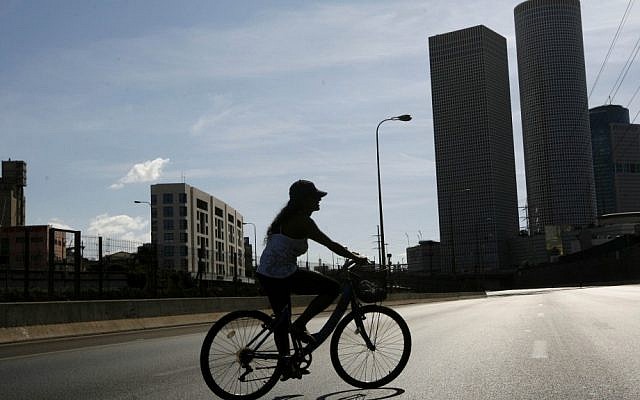
As the fast of Yom Kippur ended Saturday evening, Israelis were slowly returning to their regular lives, with cars once again occupying the roads and public transportation resuming service around 8:30 p.m.
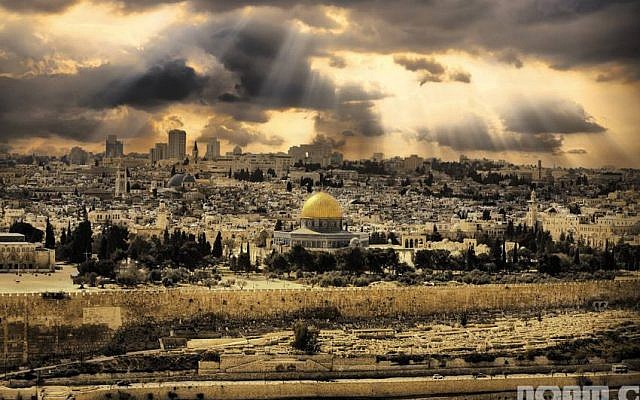
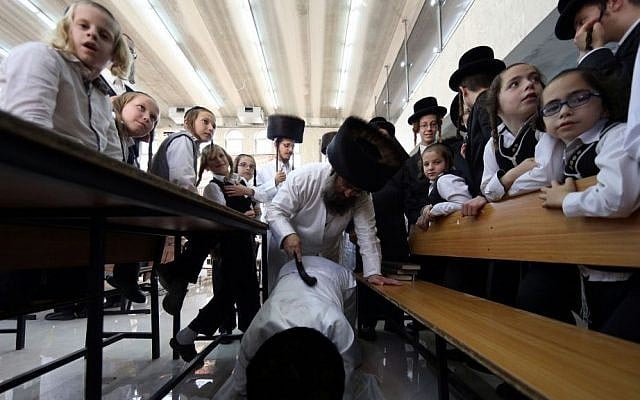
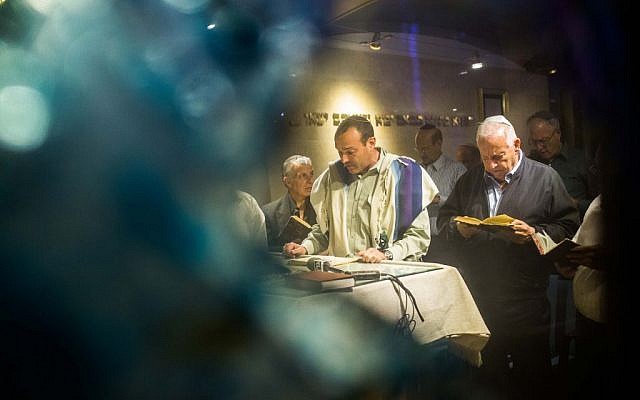
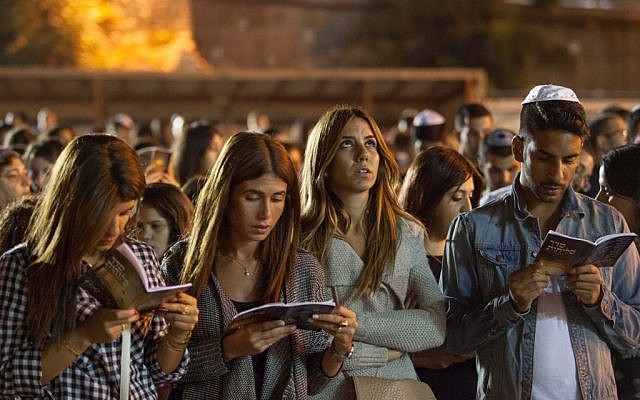
Thousands attended the day’s closing prayer, known as “Neila,” at Jerusalem’s Western Wall.
Police and medical teams had been on high alert throughout the holiday to treat medical and other emergencies. Magen David Adom said it treated 2,319 people throughout the fast. Sixty-eight fasters were treated after fainting, and 18 people required resuscitation; medics treated 241 cyclists, most of them children and teenagers; 116 pregnant women were rushed to hospitals to give birth.
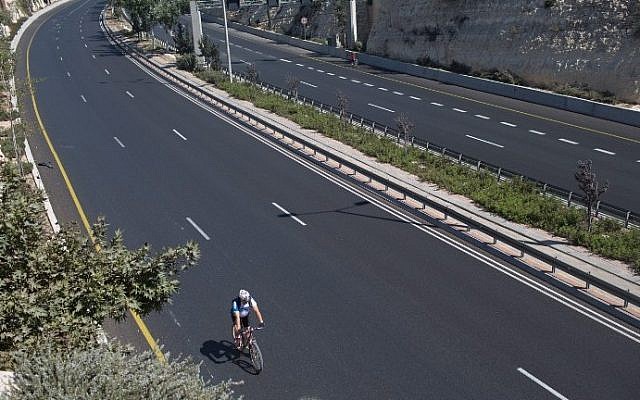
Children are often hurt during the fast as many seize the opportunity to ride their bikes in the empty streets. A 12-year-old child was seriously injured when he rode his bicycle off a seven meter high bridge in Haifa. A 14-year-old girl was moderately hurt in the city after falling off her bike.
Except for several reports of stone throwing, no exceptional events were noted during the holiday, despite worries over inter-religious tensions due to the the holiday coinciding with the Muslim celebration of Eid al-Adha.
It was the first time in three decades that the two holidays took place at the same time, and Israel tightened security in flash-point mixed Jewish-Muslim areas to ward off possible unrest. The security measures came after the arrest of two Palestinians in the northern West Bank Thursday when Israeli forces discovered them carrying three pipe bombs and other weapons, raising fears they may have been planning a terror attack.
Police reported several instances of rock throwing in the north, including two cases in Tiberias and one in Nahariya, both of which resulted in no injuries. In the northern town of Shlomi, a motorcycle rider was moderately wounded after skidding on stones that had been hurled at the street earlier.
Rocks were also thrown in the Jerusalem neighborhoods of Ras al-Amud and Armon Hanatziv. No injuries were reported in either case.
In Ashkelon, a stone hurled by an unknown assailant smashed through an ambulance window, but caused no further damage or injuries. Police did not immediately report who was suspected of throwing the rocks. Both ultra-Orthodox Jews and Arab-Israeli civilians have been arrested for throwing stones during past Yom Kippur fasts.
Police Commissioner Yohanan Danino said ahead of the two holidays that he expected the public to respect the religious customs of all communities, adding that the police would crack down on anyone who attempts to harm worshipers of any faith.
Ahead of the holy days, against a backdrop of high tension over the summer’s seven-week Israel-Hamas war, the IDF implemented a general closure of the West Bank and Gaza, with exceptions for humanitarian cases and emergencies. The closure expired Saturday night.
Israeli security forces had deployed additional personnel in East Jerusalem and the West Bank city of Hebron for the fast.
Public transportation had halted across the country ahead of Yom Kippur. Israel Railways terminated all train operations from 2 p.m. Friday until 11:15 p.m. Saturday. Buses were not running either and officials at Ben Gurion Airport said no flights would take off from, or land at, the site from 3 p.m. Friday until after the holiday. A flight that had been delayed in London was permitted to land at the airport on 3:15 p.m. Friday.
Authorities came to agreements with the Jewish and Muslim communities in mixed Israeli cities on the timing of celebrations.
The clash of festivals has not occurred for 33 years, because the two faiths use different lunar calendars.




The Times of Israel Community.