Israel targets arms shipment in rare strike in Lebanon’s eastern Beqaa Valley
IDF says it hit weapons transport near Lebanon-Syria border in first strike in area in months; US envoy is visiting Lebanon to push for new force to replace UNIFIL - report
The Israeli Air Force carried out a rare strike in Lebanon’s eastern Beqaa Valley overnight early Monday, in what marked the first Israeli strike in the area in several months.
The strike, which was first reported in Lebanese media, hit an area near the Lebanon-Syria border.
Confirming the attack, the IDF said it targeted a weapons shipment destined for the Hezbollah terror group.
In a statement, the military said the Israeli Air Force bombed the shipment of weapons in the Janta area in Lebanon’s Beqaa Valley, close to the Syrian border, after it had been transferred from Syria into Lebanon, en route to Hezbollah.
“The weapons were intended to strengthen Hezbollah’s operational capabilities to carry out terror attacks against Israeli civilians and IDF troops,” the military said in a statement.
The IDF said that the Janta area has been used by Hezbollah to conduct “numerous weapons shipments” in the past.
الطيران الحربي شن فجر اليوم غارة على جرود الشعرا عند الحدود اللبنانية السورية من الجهة اللبنانية وهي الأولى على البقاع منذ ثلاثة أشهر pic.twitter.com/ZMx4VQx2oQ
— bintjbeil.org (@bintjbeilnews) November 16, 2026
“The Hezbollah terror group continues to exploit various areas in Lebanon for terrorist activities, weapons smuggling and the movement of terrorists, in violation of the understandings and to threaten the State of Israel,” the military added.
The strike came just two days after the Lebanese army seized “a large quantity of weapons and military ammunition” during a raid in Beirut’s southern suburbs, a Hezbollah stronghold. They did not say who owned the seized weapons, but added that law enforcement officials had launched an investigation.
Also overnight, Israeli troops apprehended two Lebanese men on the outskirts of the southern town of Shebaa, according to Lebanese media.
Lebanon’s National News Agency reported that the troops raided and searched the home of the two men, who are brothers, “ransacking its contents and damaging belongings,” before taking the pair away and leaving the area.
The IDF did not immediately comment on the reports.
شهدت بلدة شبعا في جنوب لبنان تطوراً أمنياً خطيراً، بعدما نفذت قوة من جيش الاحتلال الإسرائيلي دورية عسكرية واسعة داخل البلدة، وتحديداً في حي القاطع، حيث أقدمت على اختطاف الشابين محمد حمدان وأسعد حمدان، واقتادتهما إلى الأراضي الفلسطينية المحتلة.
وبحسب المعلومات المتداولة، سبقت… pic.twitter.com/930j7G49Ap— مصدر مسؤول (@fouadkhreiss) November 16, 2026
Washington pushing new force to replace UNIFIL – report
With the UNIFIL international force facing the end of its mandate at the end of the year, Washington is examining the option of a new peacekeeping force in southern Lebanon, the Saudi Al-Hadath reported Monday, citing a diplomatic source.
The force of up to 100 troops would focus on implementing the security agreement signed between Israel and Lebanon in June, according to the report. It would expand to areas north of the Litani River and would be anchored in a UN Security Council resolution.
European and Gulf countries have been pushing the US not to leave southern Lebanon without a peacekeeping force after UNIFIL, the source said.
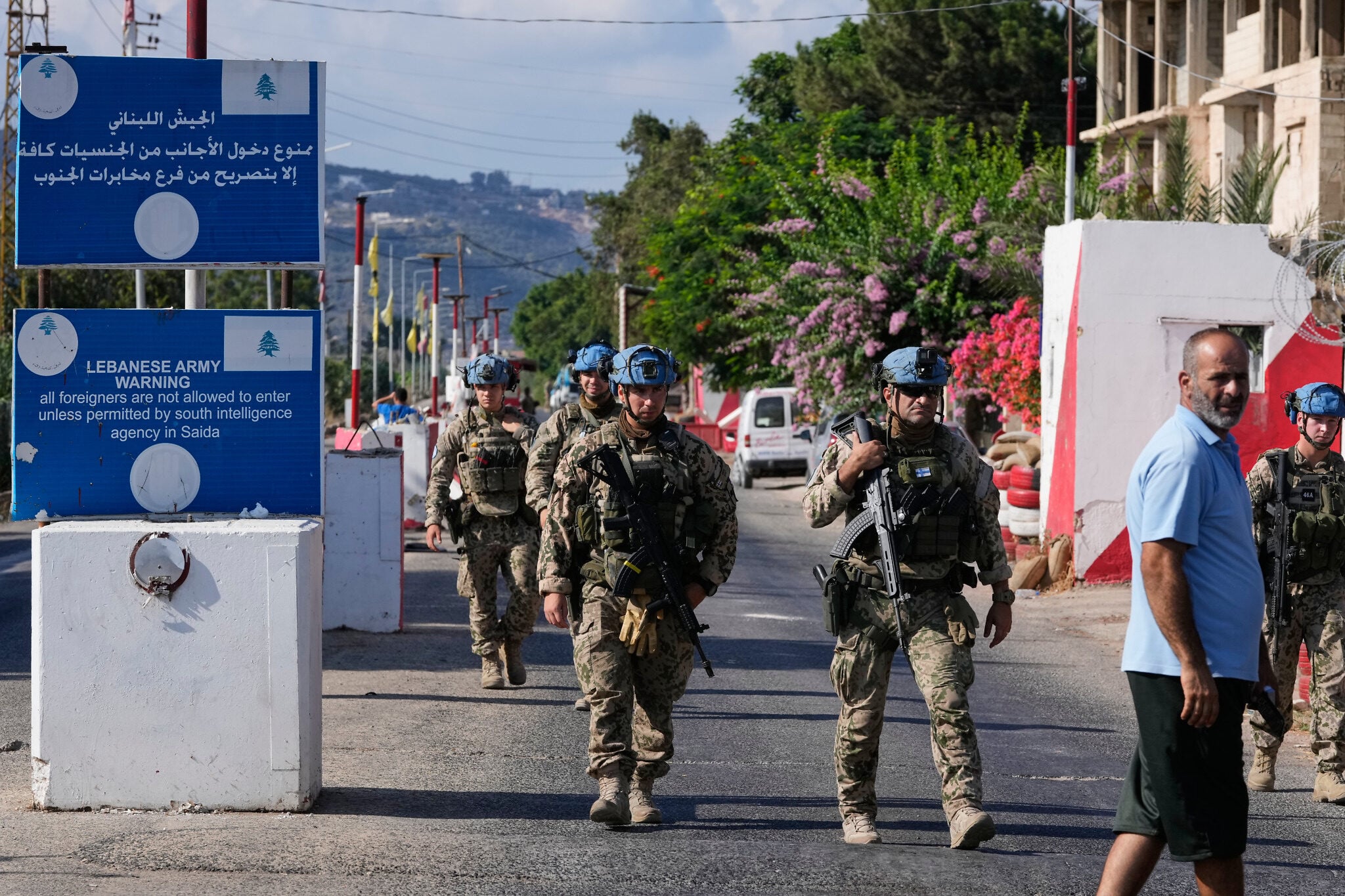
US ambassador to the UN Mike Waltz was set to meet Lebanese President Joseph Aoun in Beirut Monday morning to discuss a new force.
Last week, G7 foreign ministers agreed on “the need to avoid a security void” in Lebanon, and backed “the need to move quickly toward a new security architecture,” said French Foreign Minister Jean-Noel Barrot.
US Secretary of State Marco Rubio suggested that what replaces UNIFIL “doesn’t have to be a military mission; it could be a civilian mission.”
Under US pressure and after Israeli criticism, the UN Security Council voted last year to end UNIFIL’s mandate on December 31, 2026.
UNIFIL was created to oversee the withdrawal of Israeli troops from southern Lebanon after Israel’s 1978 invasion.
Following the month-long 2006 war between Israel and Hezbollah, UNIFIL’s mandate was expanded to ensure the Iran-backed terror group could not set up military infrastructure in southern Lebanon.
Israel has long accused UNIFIL of failing to fulfill its mission, pointing to Hezbollah’s extensive construction of border-area military infrastructure, which enabled the terror group to attack Israel on October 8, 2023, a day after the Hamas onslaught in southern Israel that sparked the Gaza war.
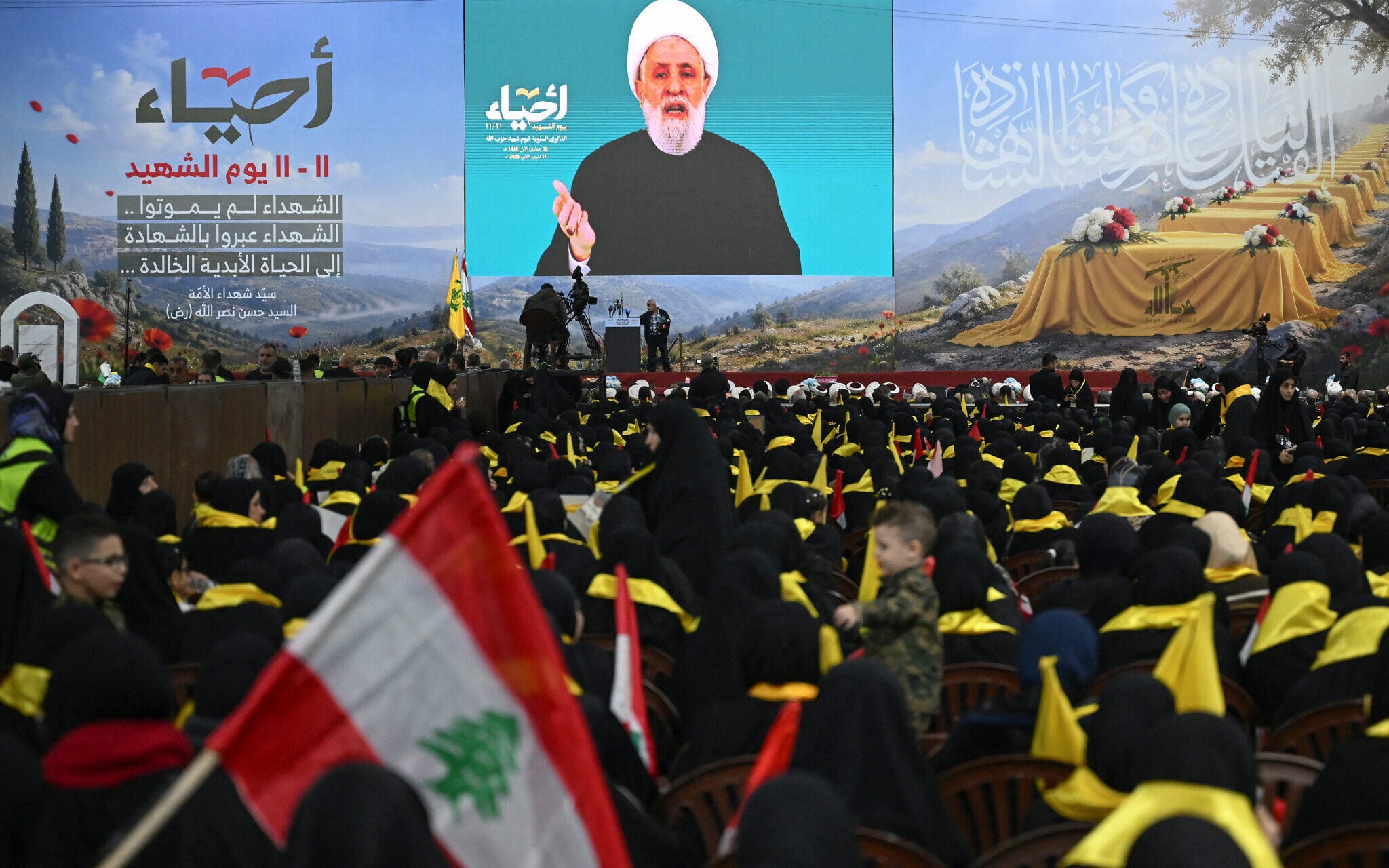
Those attacks ultimately led to an IDF invasion and massive strikes that decimated the terror group’s leadership. Israel later withdrew from Lebanon, except for five strategic border posts, under a November 2024 US-brokered ceasefire deal that also required the Lebanese military to dismantle Hezbollah infrastructure in southern Lebanon.
Lebanon’s new leadership has pledged to dismantle Hezbollah’s infrastructure in south Lebanon, but Israel has accused Beirut of failing to uphold the pledge.
Israel most recently invaded Lebanon in March, after Hezbollah renewed its rocket attacks on Israel in response to the war that the US and Israel launched against Iran on February 28.
Subsequent US-brokered talks between Israel and the Lebanese government have secured a framework that envisions Israeli troops gradually withdrawing as Lebanese authorities disarm Hezbollah and deploy across the country’s south. The arrangement has already been implemented in certain “pilot zones” in south Lebanon, but progress has stalled in recent months.