Israel targets Iran’s Basij members and drones, as Tehran’s missile attacks continue
IDF says it destroyed over 250 Iranian drones and dozens of launchers as US boasts of hitting 6,000 targets since start of war; UAE, Saudi Arabia, Oman continue to intercept UAVs
Israel and the US continued to strike targets across Iran on Thursday, the 13th day of the conflict, as Iranian missiles repeatedly targeted Israel and the Islamic Republic continued to strike Gulf states.
At least six salvos of Iranian missiles targeted Israel throughout Thursday, sending millions of Israelis from Eilat in the south to Kiryat Shmona in the north to shelters. According to initial military assessments, a small number of missiles were launched and were intercepted. No serious injuries were reported.
The IDF said it continued to strike key strategic targets across Iran, while the US military said it had struck around 6,000 targets since the start of the war. Among the targets hit by US forces were more than 90 Iranian vessels — around 60 ships and 30 minelayers — according to US Central Command, which is responsible for American forces in the region.
Targets struck by Israel included members of Iran’s Basij paramilitary force as well as its drone operations and capabilities.
According to the IDF, the Basij established checkpoints in several areas of Iran’s capital in recent days. Following the identification, the Israeli Air Force struck the Basij checkpoints and members of the force, the IDF said.
Iranian media reported that several members of Iran’s internal security forces and Basij stationed at checkpoints were killed.
Drone strikes are carried out by the Israeli Air Force against checkpoints and soldiers of Iran’s Basij paramilitary force in Tehran, in footage published by the military on March 12, 2026. (Israel Defense Forces)
“These armed forces are part of the Iranian regime’s security apparatus and have for years been responsible for carrying out terror activities,” the Israeli military said, adding that “these forces lead the main repression operations against internal protests, particularly in the recent period, employing severe violence, widespread arrests, and the use of force against civilian demonstrators.”
The IDF also said Thursday that its strikes had destroyed more than 250 Iranian drones and dozens of launchers, and killed numerous soldiers and commanders in Iran’s unmanned aerial vehicle (UAV) array.
During one wave of strikes, the military said, the Air Force identified Iranian soldiers from the UAV array preparing to launch drones at Israel. Within a short while, the launcher and the soldiers were struck by the IAF, thwarting the planned attack, the military said.
“So far, the Air Force has struck more than 250 unmanned aerial vehicles, launchers, and dozens of launch sites. In addition, many commanders and soldiers in the UAV array responsible for numerous launches toward the State of Israel have been eliminated,” the IDF said in a statement.
According to the IDF, since the start of the war, more than 110 drones launched from Iran have been intercepted by the IAF with fighter jets and helicopters. The Navy has also intercepted several drones.
Iran’s drone capabilities have been a key element in its targeted attacks against many of its neighbors, in particular the United Arab Emirates, which has borne the brunt of Iran’s drone warfare.
The UAE’s defense ministry said that it intercepted 10 ballistic missiles and 26 drones launched by Iran on Thursday. Since the start of the war on February 28, the UAE said its air defenses had intercepted 278 ballistic missiles, 15 cruise missiles and 1,540 drones. Six people have been killed, all foreigners.
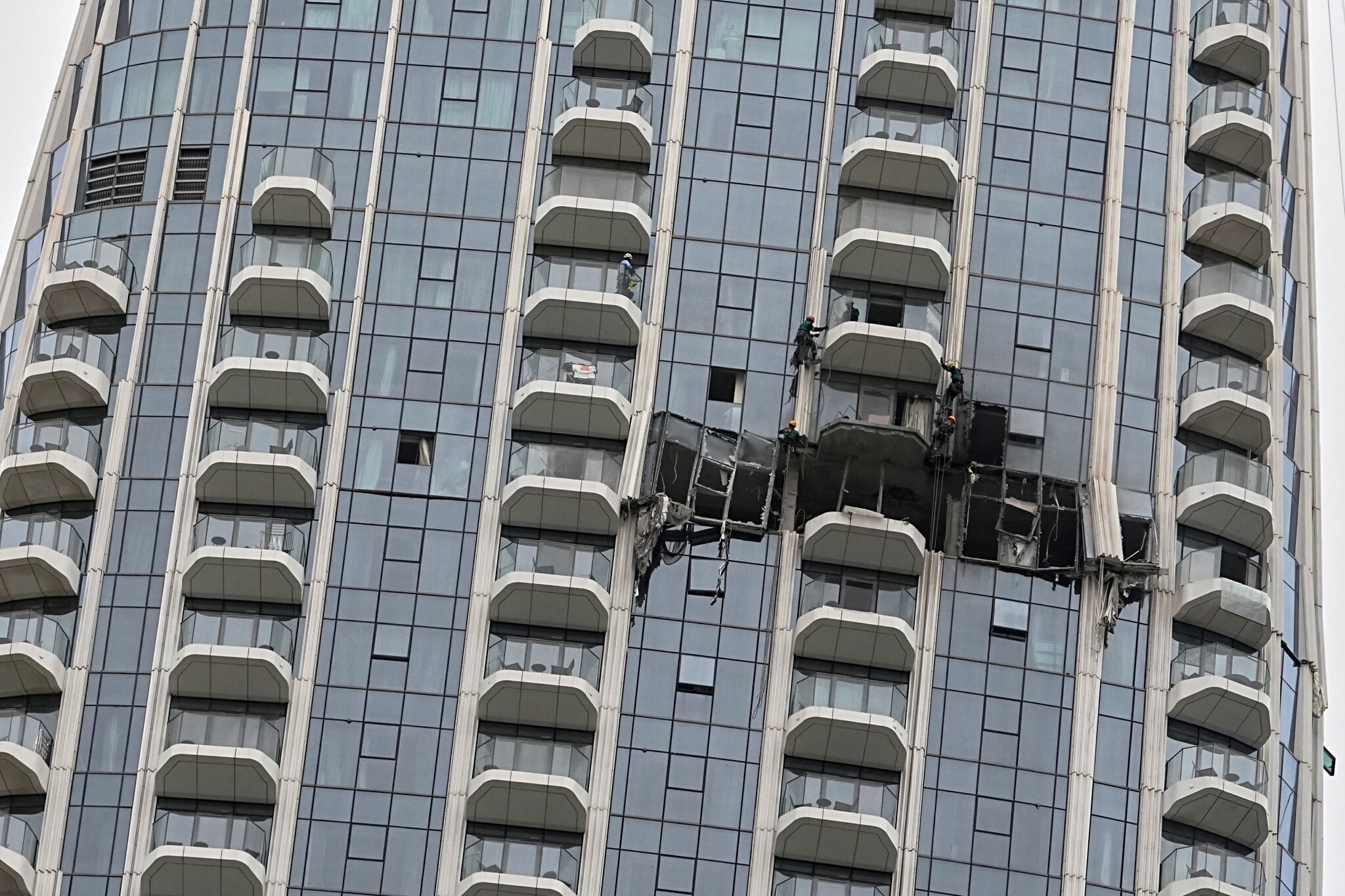
Saudi Arabia’s defense ministry said Thursday that it intercepted three drones headed toward the Shaybah oil field, which is crucial to the country’s oil production.
Oman on Thursday also reported intercepting a drone attack, and said there were no casualties.
In addition, airstrikes from both the US and Iran rained down on Iraq Thursday, as the country continued to serve as a proxy battleground between the two rivals.
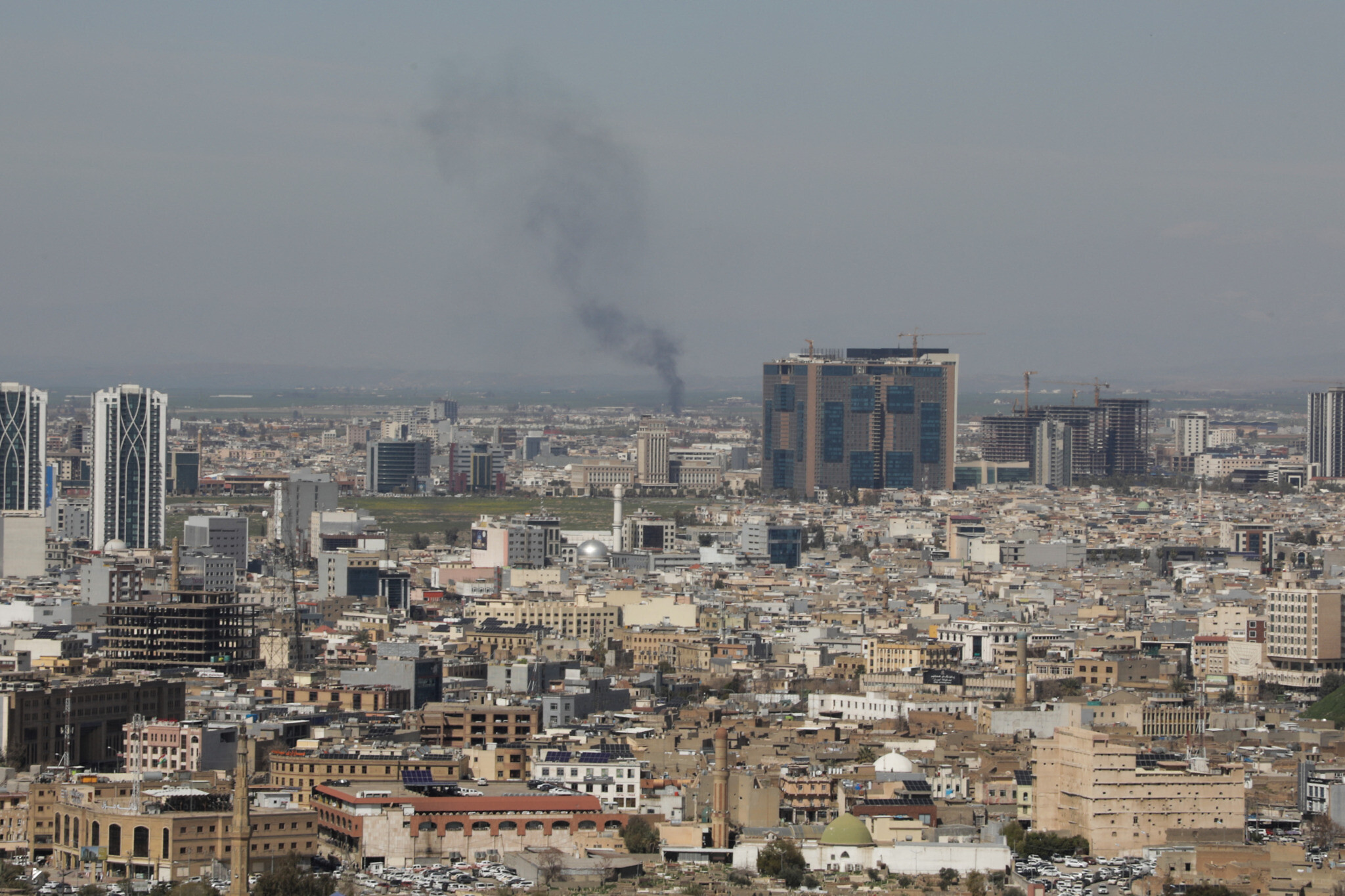
Italy said Thursday it was temporarily withdrawing all personnel from a military base in Iraqi Kurdistan that came under a drone attack, completing a retreat that was already underway.
“A retreat was already planned” before Wednesday’s attack that caused no injuries, Defense Minister Guido Crosetto told Italian news program TG1, a withdrawal confirmed by Foreign Minister Antonio Tajani.
Airstrikes attributed to the US killed at least 11 Iran-backed fighters in Iraq on Thursday near the Iraqi-Syrian border and in the capital Baghdad, senior security and armed faction officials told AFP.
Iraqi authorities denounced the “blatant attacks” on bases that belong to the Hashed al-Shaabi, a former paramilitary group now integrated into the regular army, which also encompasses brigades from Iran-backed armed groups.
Nine fighters were killed and another 10 wounded in strikes that targeted a base housing the US-blacklisted Harakat Ansar Allah al-Awfiya, two security officials said.
“The base was destroyed, and the rescue teams who arrived at the site were also targeted,” one of the officials said on condition of anonymity.
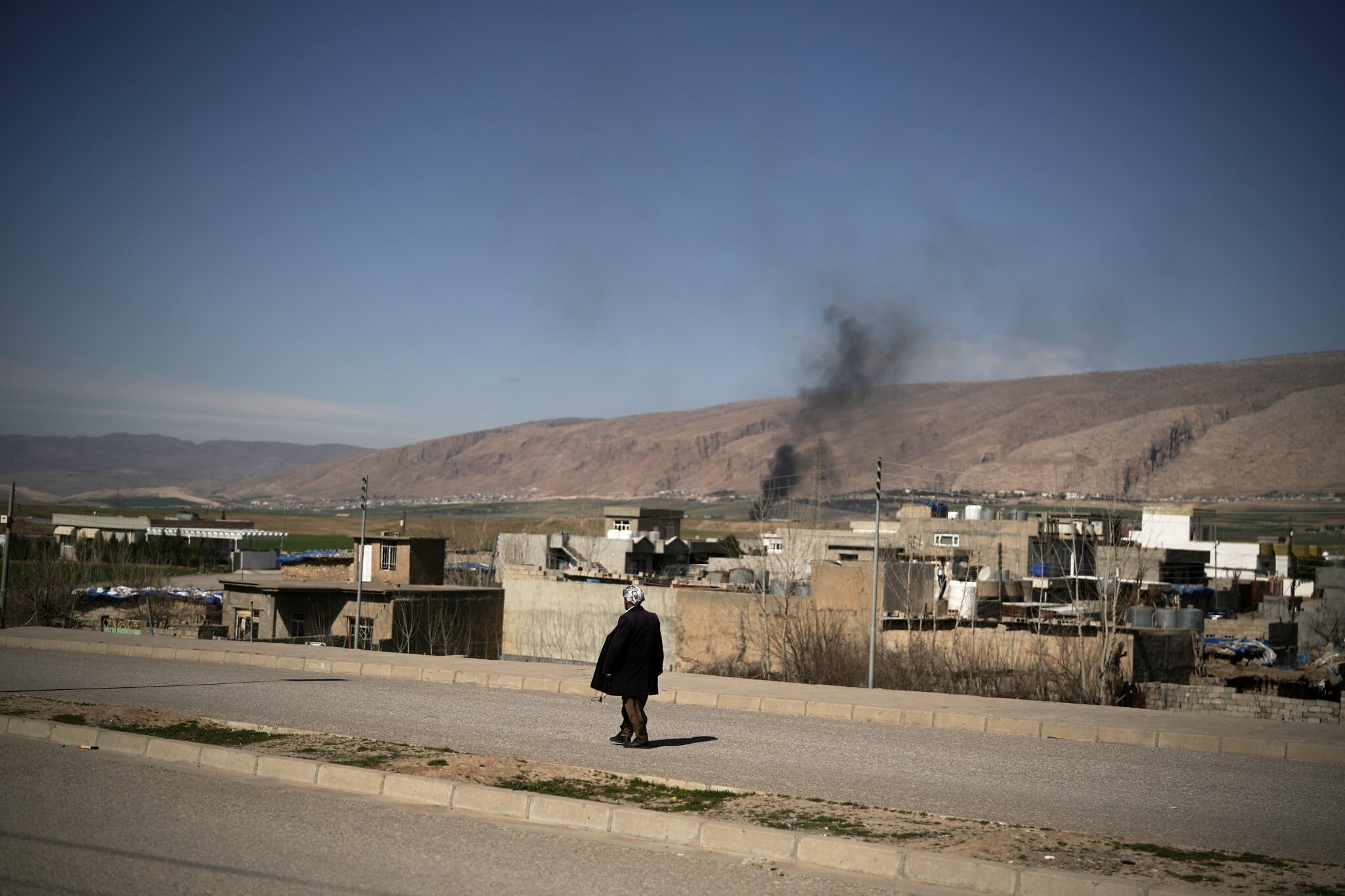
The base belongs to the Hashed al-Shaabi or the Popular Mobilization Forces (PMF), whose positions have been repeatedly targeted in attacks likely carried out by the United States.
The PMF confirmed that nine of its members were killed in Thursday’s attack. It accused the US of striking its positions, and said that these sites “had no role in targeting US bases in Iraq or elsewhere.”
In a separate attack, at least two Iran-backed fighters from a different group were killed in a strike on a base in Baghdad’s suburbs, according to officials in the powerful Hezbollah Brigades, allied with Tehran (and separate from Lebanon’s Hezbollah terror group).
The bombing targeted a site shared by police and PMF forces, a government security source told AFP. It marks the first such attack so close to the Iraqi capital.
Lazar Berman contributed to this report.