Israeli airlines often lease foreign planes and crew, while leaving extra security behind
Loophole means passengers who think they are flying an Israeli carrier can end up on another company's plane, with no special screenings of pilots or stringent procedures meant to avoid situation like the flydubai attack
The target of aviation-based terror plots for decades, Israel has built a reputation as possessing some of the world’s most stringent commercial air traffic security, from baggage scans to background checks on passengers and crews.
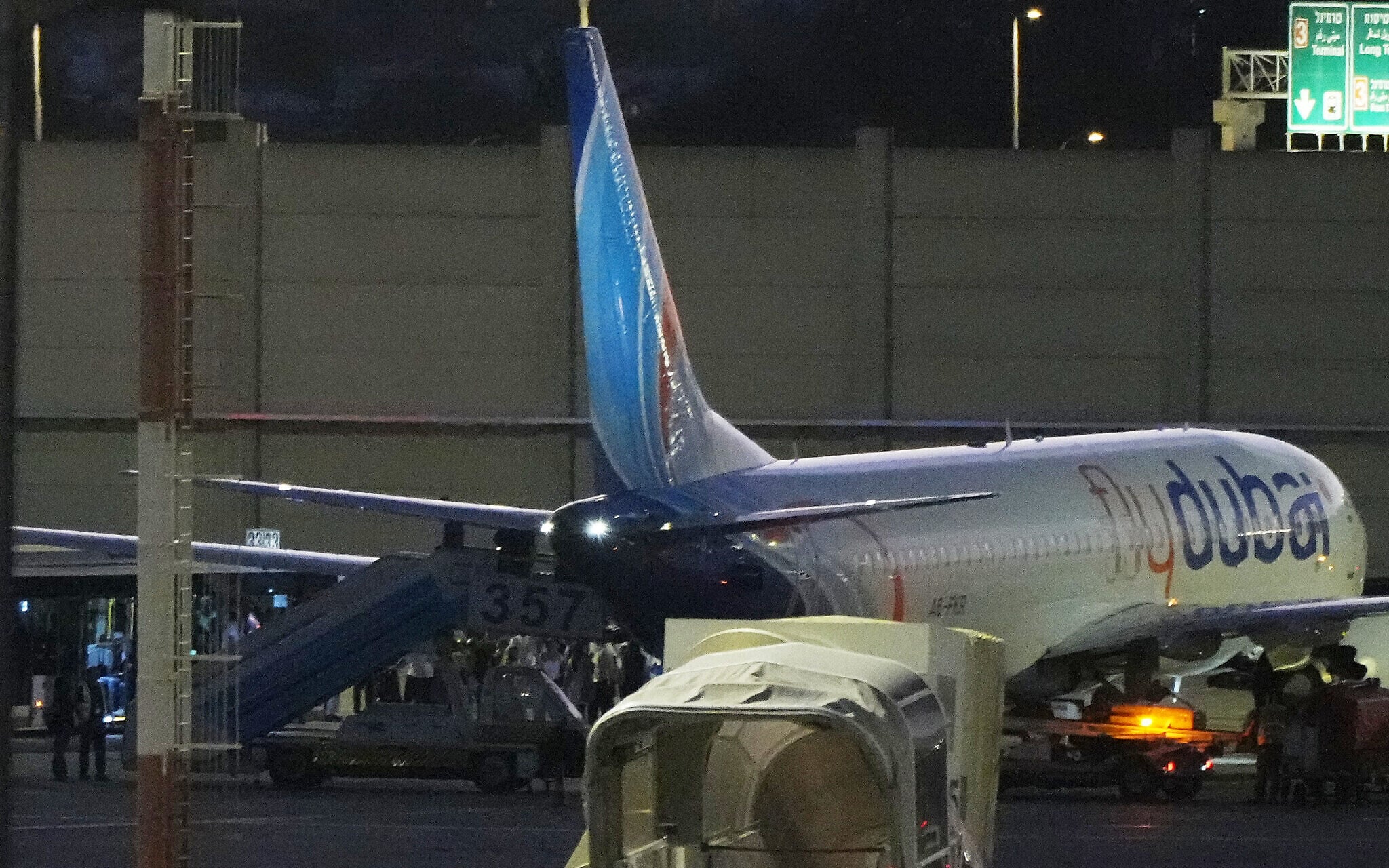
Much of the security apparatus is centered on Israeli airlines and those departing from the country’s shores, with Israeli authorities unable to impose the same level of oversight on inbound flights operated by foreign carriers. The gap in security procedures was underscored last week when an Omani flydubai pilot attempted to crash a plane full of Israelis as it flew toward Tel Aviv.
But changes in the aviation industry mean many flights ostensibly operated by local airlines are not actually subject to any more stringent procedures than the nearly doomed flydubai jet, thanks to a gaping and largely overlooked loophole: so-called “wet” leases.
A wet lease refers to an arrangement, usually short-term, in which airlines rent planes, complete with pilots, crew, fuel and maintenance support, to bolster capacity and overcome shortages, especially during peak travel periods.
That means passengers buying tickets for flights with El Al, Arkia or Israir may unwittingly find themselves on a plane owned and operated by a small European carrier, with its own pilots and maintenance staff and none of the extra security, from sky marshals to anti-missile tech to extra baggage screenings, they would normally get from an Israeli carrier.
“The flydubai incident is just the tip of the iceberg, exposing a net with more holes than strings,” Joseph Fischer, an aviation and tourism expert, told The Times of Israel.
Wet leases, and the “dry” version involving only the aircraft, are standard in the aviation industry, where carriers operating on thin margins don’t always have the fleets necessary to meet constantly shifting demand.
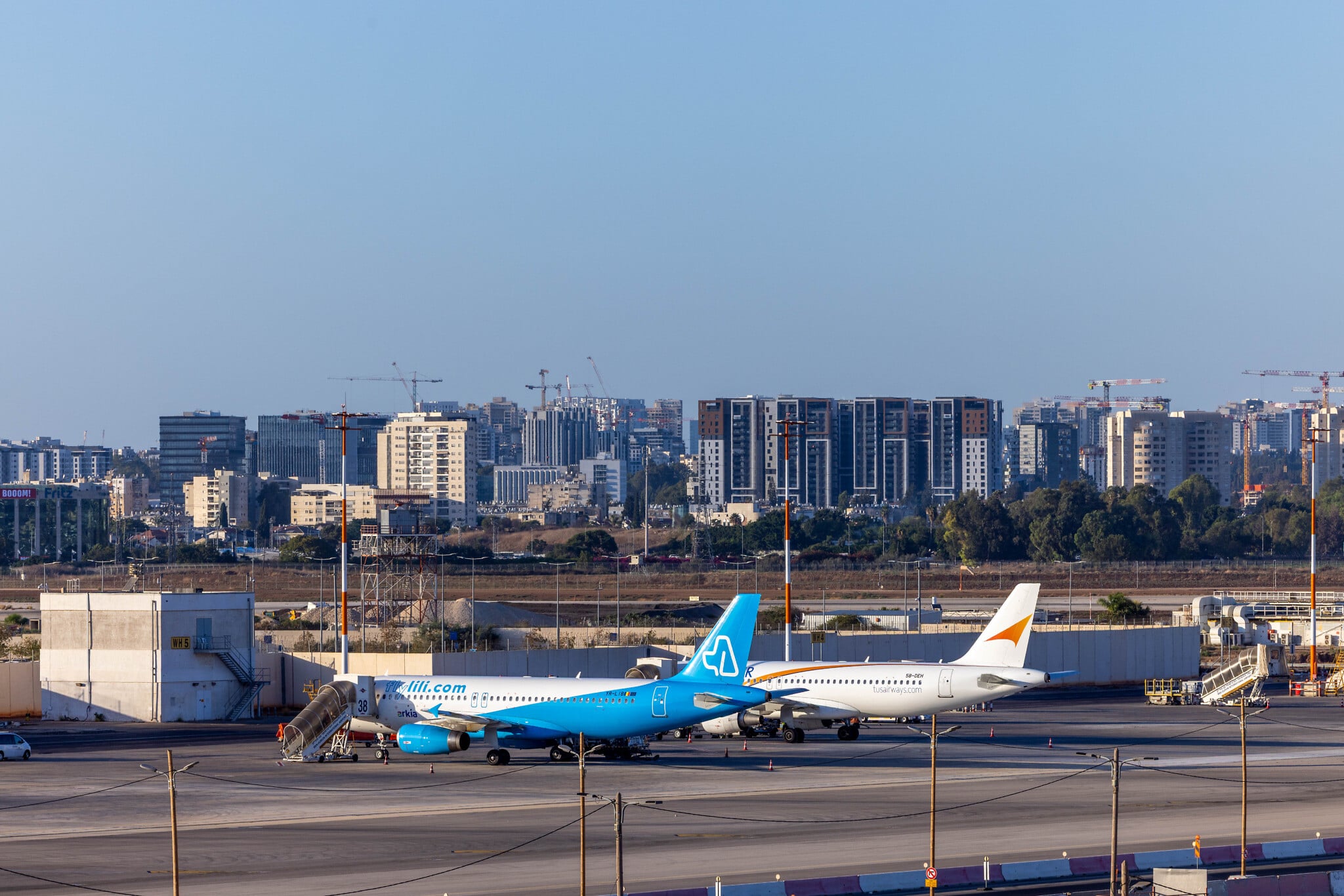
Israeli airlines, led by charter carriers Israir and Arkia, heavily rely on wet-leasing from foreign carriers such as Bulgaria’s GullivAir and Electra Airways, Romania’s Fly Lili and Portugal’s charter airline Hi Fly. The leases have allowed the Israeli carriers to expand long-haul routes, including to New York, Bangkok and the Far East, and to add other destinations.
To quickly increase capacity and meet high demand during peak season, in July about two-thirds of Arkia’s flights and more than half of Israir’s flights were operated by wet-leased foreign aircraft. El Al said 5 to 8 percent of its flights are operated by foreign aircraft.
Yet Israeli airlines chartering wet-leased foreign aircraft are not subject to the security protocols imposed by the Shin Bet security agency, which mandates the presence of armed sky marshals on Israeli commercial planes, the installation of advanced anti-missile defense systems on aircraft, special passenger and luggage security screenings, and the stationing of dedicated Israeli security personnel at foreign airports globally to secure the aircraft. The costs for the extra security are subsidized by the state, under a long-standing arrangement.
“We booked and paid a premium price for an El Al flight but were quite displeased to discover that we were on a plane by Bulgarian charter Electra,” said a traveler who flew with his wife and daughter from Munich to Israel on September 30, just hours after the flydubai attack. “To fool the passengers into believing that they were receiving what they had paid for, an El Al representative was on the flight, ready to ‘answer questions,’ and pieces of cloth with the El Al logo were placed on the headrests of seats.”
“The pilot was not an El Al pilot, as he was addressing passengers only in English with a strong Eastern European accent, the crew was foreign, and the whole experience was like flying with a budget airline — this is unacceptable, considering current security events,” the traveler, who gave his name as Ben, told The Times of Israel.
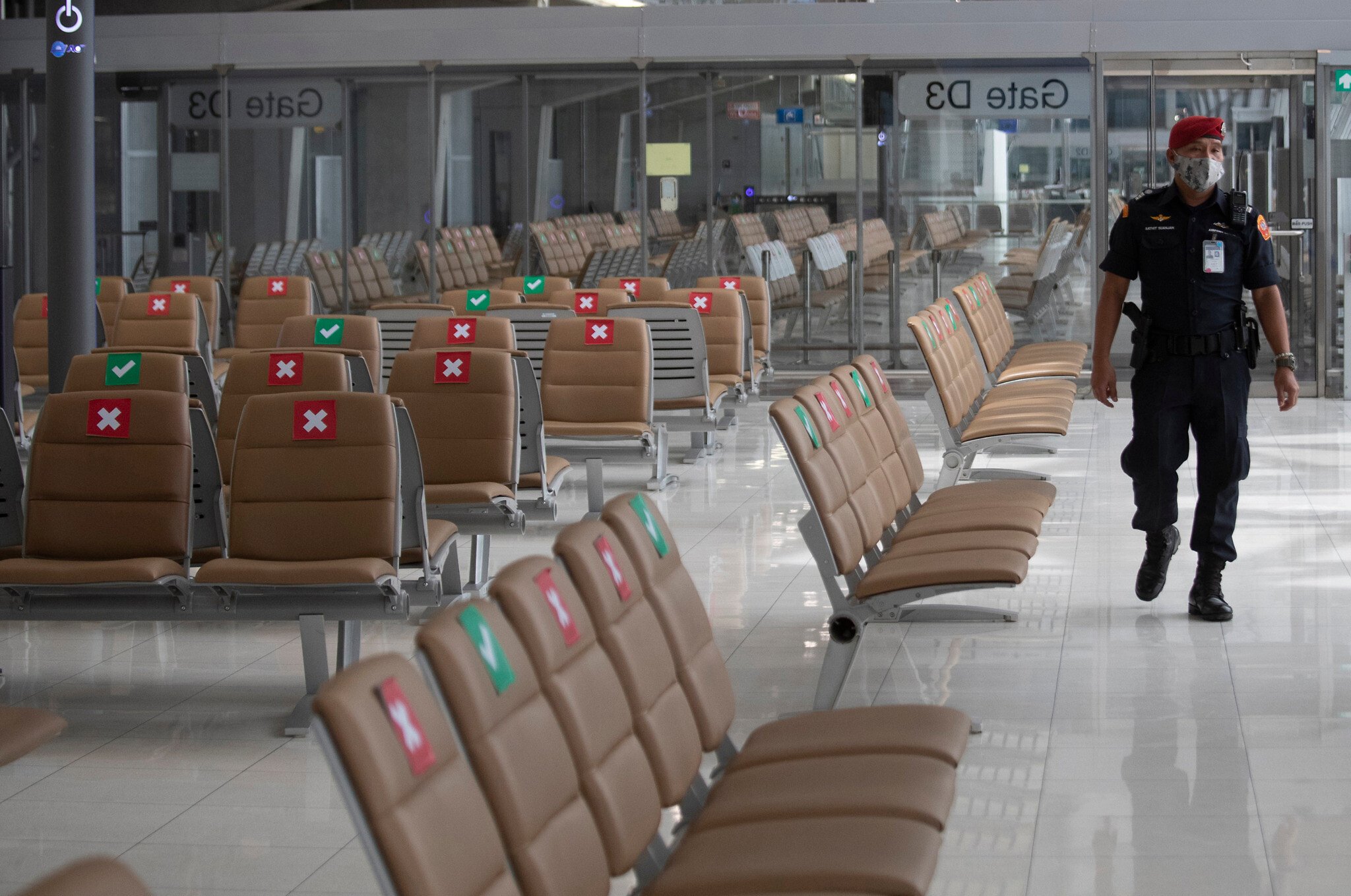
In the wake of the flydubai incident, local media has reported that Israeli security bodies have been warning for years that the Transportation Ministry is not meeting its responsibilities in performing adequate security checks on foreign airlines and their crew members flying into Israel and inspecting Israeli flights operated by foreign carriers. The Transportation Ministry has responded that it doesn’t have the intelligence apparatus needed to inspect the names of pilots and crew members on flights by foreign airlines arriving in Israel.
According to Fischer, the wet lease security loophole is chiefly a problem for incoming flights, as outgoing trips from Israel are all subject to the same screening procedures, regardless of airline.
“For all flights departing from Ben Gurion, whether these are Israeli or foreign planes, the screening is uniform because Tel Aviv airport, in coordination with Israeli security and aviation authorities, is responsible for passenger and aircraft safety,” he said.
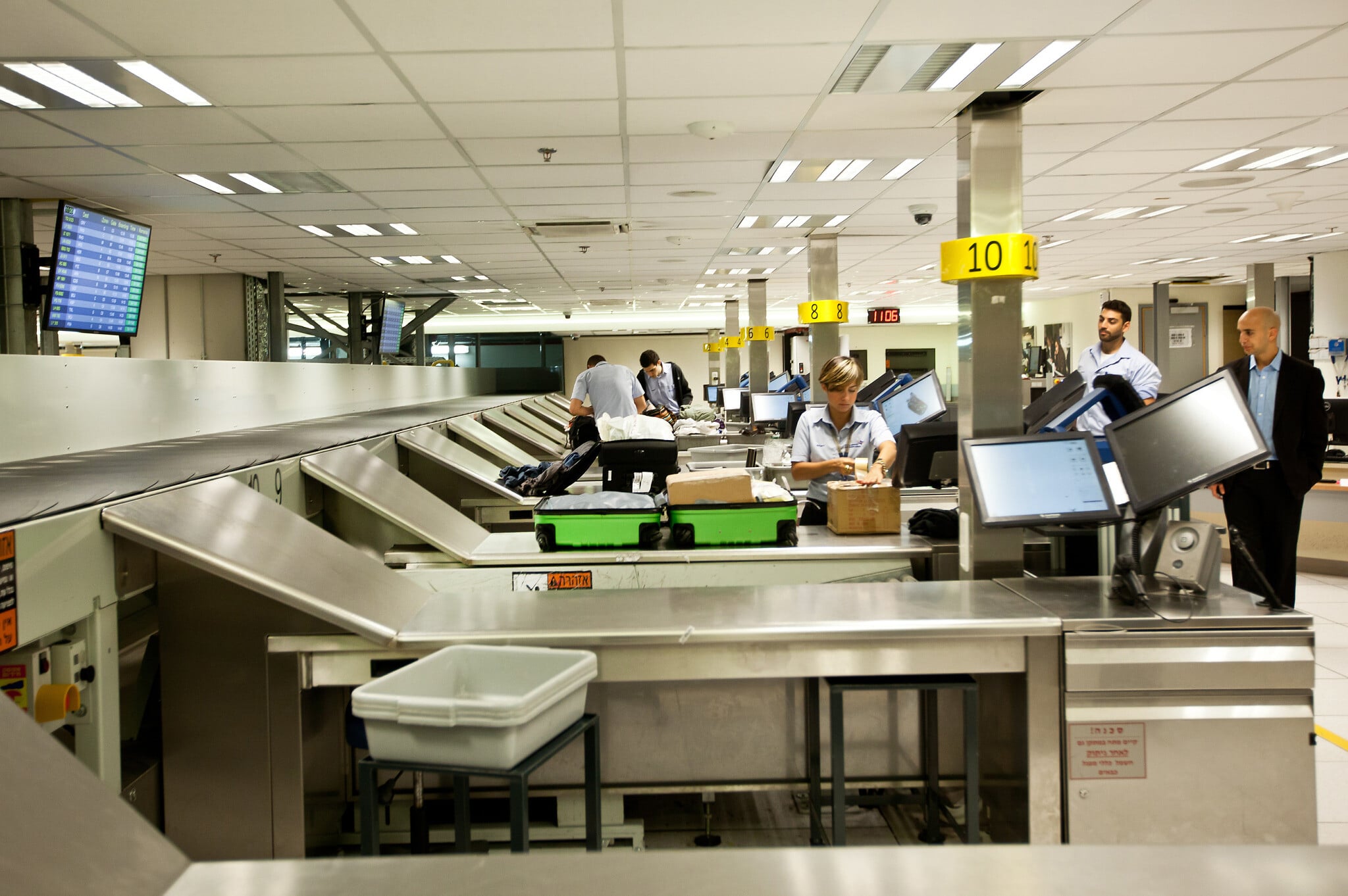
However, with no clear mechanism for Israeli security screening of foreign crew and passengers before they arrive at Ben Gurion Airport, aircraft wet-leased by Israeli carriers are subject only to the security protocols of their originating overseas airports, regardless of the name of the airline on the ticket or seatback, Fischer said.
Still, while leased flights taking off from Ben-Gurion are subject to the same screening procedures as other airlines, they do not fly with Israeli security personnel aboard, in contrast to genuinely Israeli flights, Fischer said.
Aviation experts told The Times of Israel that Israeli flights operated by foreign aircraft are probably not deemed by relevant Israeli authorities as an immediate target by terrorists, as the planes are not marked as Israeli but are from Central or Eastern Europe.
That may be relevant to any attempt to target a plane on the tarmac, but the flights themselves are still widely and openly publicized under the Israeli airlines’ name, and for a hostile actor wishing to board a flight to harm Israelis, it would likely matter little whether the plane has Israeli livery or otherwise on the outside.

In response to questions about security for wet-leased flights, Israeli airlines said they were operating aircraft on the leased arrangement in full accordance with all Israeli regulations and security requirements.
Israir emphasized that the practice is a widely accepted model in the aviation sector, and was approved by Prime Minister Benjamin Netanyahu.
Arkia said that one of the conditions of the arrangement requires that foreign crew members on wet-leased aircraft are from countries that maintain diplomatic relations with Israel. In addition, crew details are submitted in advance to relevant security authorities, the Israeli carrier said.
The company’s CEO told Channel 12 news that Shin Bet security arrangements did not extend to wet-leased flights departing foreign airports.
The Shin Bet and El Al did not respond to requests for comment.
Arik Arad, chairman of the aviation cybersecurity consultancy CYVIATION, warned that the flydubai security failure shows the danger of the gap between the security models for Israeli-run flights and those operated by leased foreign aircraft and crew carrying Israeli passengers to Tel Aviv.
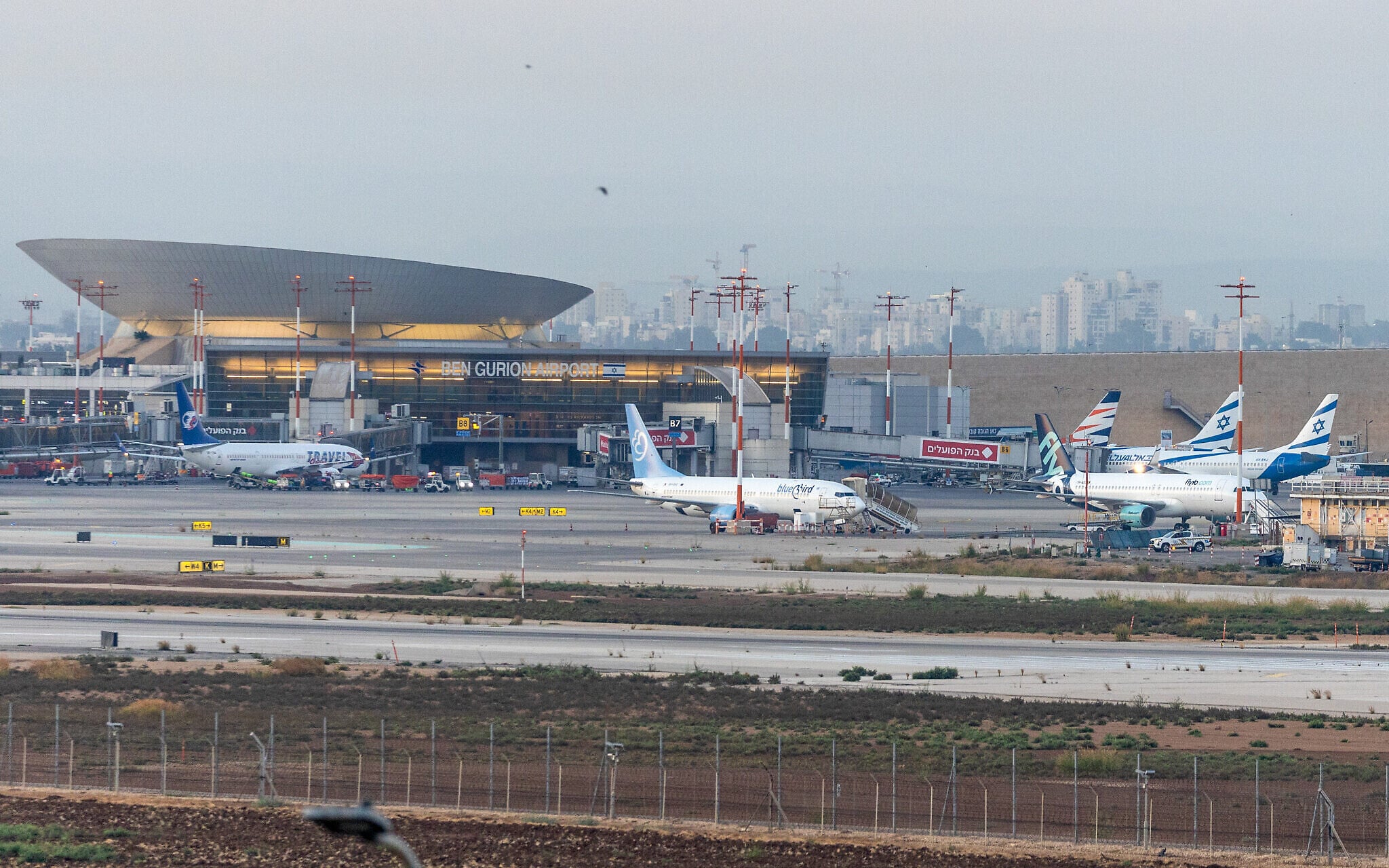
“Flydubai, a foreign airline, carried mostly Israeli passengers, and was an attractive potential terror attack target, which should be treated as a successful one because it was lucky that a catastrophe was averted,” said Arad, a former El Al head of security at Ben Gurion Airport. “If I buy a ticket on Israir or any other Israeli carrier but end up flying with a Portuguese or other foreign aircraft, then the security should be equally stringent as… for Israeli planes, including pilot vetting and screening of flight crews, en route to Tel Aviv.”
“As a nation, Israel needs to take care of this issue immediately by conducting its own thorough screening, including the airline that is lending Israeli airlines foreign aircraft and the foreign crew members, to make sure that they don’t pose any type of potential threat to Israel, because the flydubai incident can happen again tomorrow,” Arad said.