Israeli scientists use common drugs to cure 30% of mice with ‘Type 1.5 diabetes’
Bar-Ilan University researchers predict which animals respond to 3-drug combo for Latent Autoimmune Diabetes in Adults; study could pave the way for personalized medical care
Marking World Diabetes Day on November 14, Israeli researchers say they have found a treatment that can restore normal blood sugar levels in about 30 percent of mice with Latent Autoimmune Diabetes in Adults, or LADA.
LADA is similar to Type 1 diabetes because the body’s immune system attacks its own insulin-producing cells. Yet it is also akin to Type 2 diabetes, striking in adulthood without an immediate need for daily insulin. Therefore, LADA, colloquially known as “Type 1.5 diabetes,” presents a diagnostic and therapeutic challenge.
Now, scientists from Bar-Ilan University’s Azrieli Faculty of Medicine have demonstrated a potential breakthrough using an experimental combination of three drugs tested in mice engineered to have conditions that mimic LADA.
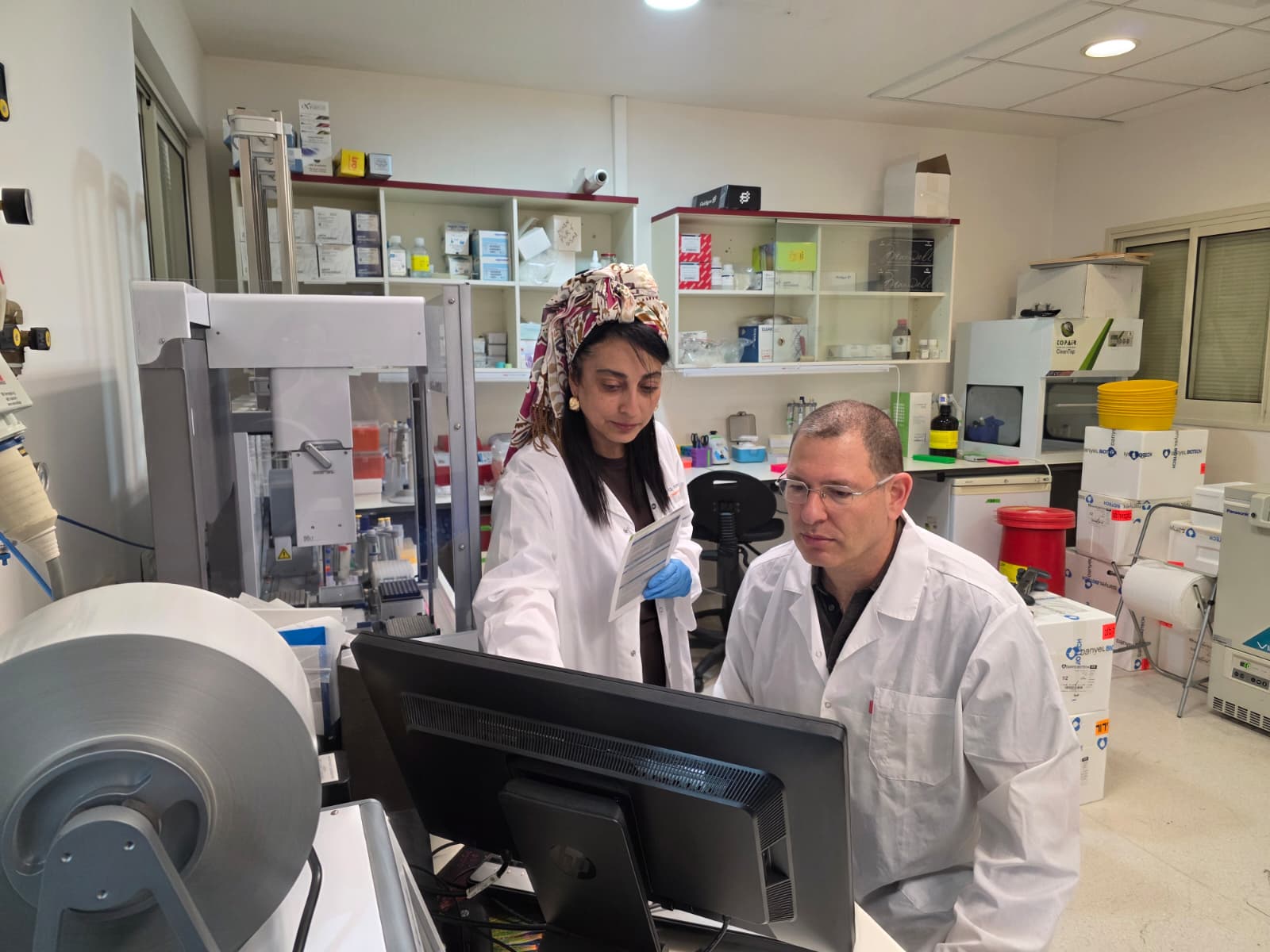
Dr. Ron Piran, who led the study, and Wisal Sawaed, the lead author, told The Times of Israel in a video call that one-third of the treated animals achieved complete remission after receiving the drug cocktail of GABA, a neurotransmitter that supports beta-cell function and eases inflammation; sitagliptin, a standard diabetes medication that helps regulate insulin; and omeprazole, a widely prescribed inhibitor for acid reflux.
Moreover, the research team led by Dr. Shira Perez, head of the faculty’s genomic center, pinpointed specific RNA biomarkers in blood samples that accurately predicted which of the mice would respond to the protocol.
The study, published in MedComm, could lead to improved targeted treatment for humans.
“My goal was not only to develop a more effective therapy, but also to determine whether we could predict in advance who would benefit from it,” Sawaed said.
Diabetes on the uptick worldwide
In healthy individuals, the human body breaks down food into glucose and relies on insulin, a hormone, to move the sugar from the bloodstream into cells for energy.
People with Type 1 diabetes have an autoimmune condition in which the immune system destroys the pancreas’s ability to produce insulin. People with Type 2 diabetes initially continue making insulin, but their blood sugar levels continue to build up. Unlike Type 2 diabetes, LADA develops primarily because the immune system attacks the insulin-producing cells, rather than from insulin resistance or obesity.
Almost 600 million adults (20-79 years) live with diabetes around the world, and the number is predicted to rise to 853 million by 2050.
In Israel, approximately 548,000 individuals aged 18 and over had diabetes as of 2021, nearly 10% of the adult population, according to data from the National Program for Quality Indicators in Community Healthcare.
That number is higher than the OECD average of 6.7% of the adult population. The data also show that individuals in the lowest socioeconomic bracket face a greater risk of developing the condition, largely due to reduced access to nutritious food, higher rates of obesity, and chronic stress.

LADA is often misdiagnosed
“LADA accounts for 9.1% of all diabetes cases [worldwide],” said Sawaed.
“It is a very prevalent form of diabetes,” added Piran. “It is much more common than people think.”
Piran recounted that he started the research after someone asked him about a 60-year-old patient who had been diagnosed with high blood glucose levels, a hallmark of Type 2 Diabetes, but his condition was worsening.
A C-peptide test revealed the patient had surprisingly low insulin production, which is uncharacteristic of early Type 2 diabetes.
“So, we started to think about LADA, which is not as famous a diabetes as the other two,” Piran said.
Sawaed joined the research for her master’s degree, and then continued for her PhD, becoming the first person from Salama, the Galilee Bedouin village where she grew up, to receive a doctorate.
Giving the drug combination to mice
Although each of the three medications had been studied individually, the research team investigated whether combining them could meet two goals: reducing the autoimmune attack on the pancreas while encouraging insulin-producing cells to recover.
Sawaed recounted that during the study, when she gave some adult mice the treatment of the three drugs, “a third of them were cured.”
Their blood glucose levels returned to normal, they no longer required insulin, and they remained diabetes-free for weeks after treatment had ended, she explained.
The mice had grown new insulin-producing cells, primarily through the active replication of existing cells within the pancreas.
“The remaining mice, however, showed little or no response to the therapy,” Piran said.
Searching for biomarkers
The researchers then sought to discover whether they could predict which mice would respond to the treatment and enlisted the help of Perez, who analyzed blood samples collected before the treatment.
Perez’s team identified two cell-free RNA (cfRNA) biomarkers, Adgrb1 and Chd5, that distinguished those mice that would recover from those that would not.
“These RNA markers gave us a hint that animals with these specific markers were the ones that responded to the treatment,” Piran said. “This is an important step toward precision medicine for autoimmune diabetes.”
Instead of “exposing every patient to the same therapy,” he said, “we may one day be able to identify those most likely to benefit before treatment even begins.”

Piran added that the research paper’s second author, Ahmad Dallasheh, is studying whether human patients have similar RNA signatures.
“It’s an ongoing project,” Piran said, adding that the next step would be to have a clinical trial in humans with the three drugs.
“The reason that we can jump directly to a clinical trial is that these three drugs are already on the market and FDA-approved,” he said. “We don’t need to prove their safety, and people already take them.”
For now, Sawaed said it’s important for individuals to know the type of diabetes they have.
“People go to the doctor, and if they’re over the age of 30, people automatically assume they have Type 2 diabetes,” she said. “But people should do the C-peptide test to get the right diagnosis and treatment. I think that’s the important thing.”