Israeli shares rise and shekel gains as investors watch truce, hostage deal efforts
Analysts expect further strengthening of the shekel amid talks for a lengthy ceasefire in the Gaza Strip that would also help calm tensions along the northern border with Lebanon
The shekel gained and shares on the Tel Aviv Stock Exchange rose Tuesday as reports of increased efforts toward a prolonged Gaza truce agreement and a potential deal for the release of the hostages held by the Hamas terror group tempered investor concern over a wider regional escalation.
The local currency appreciated 2 percent and was trading around 3.74 against the dollar versus 3.81 on Friday. Tel Aviv Stock Exchange’s benchmark TA-125 index rose 1.1%, while the TA-35 index of blue chip companies increased 1.3%.
The TA-90 index, which tracks the shares with the highest market capitalization not included in the TA-35 index, edged up 0.6%, and the TA-Bank index jumped 2.2%.
“The reports of a possible ceasefire which may include the release of hostages is driving optimism and positive momentum in the market,” Sabina Levy, head of research at Leader Capital Markets, told The Times of Israel. “However, the geopolitical situation is still fragile and investors will be focusing on whether tensions along the northern border will escalate, which would further weigh on economy and deepen the deficit.”
Momentum for a potential ceasefire has been building after US Secretary of State Antony Blinken called on Hamas on Monday to accept Israel’s latest and “extraordinarily generous” proposal for a Gaza truce to secure a release of hostages, amid a diplomatic push to bring an end to the war.
The Israeli stock market and the shekel rebounded after recording losses earlier this month as investors braced for Israel’s response to Iran’s first-ever direct drone and missile attack on the country and fears were growing over an escalation of conflict with the Lebanon-based Hezbollah terror group to the north.
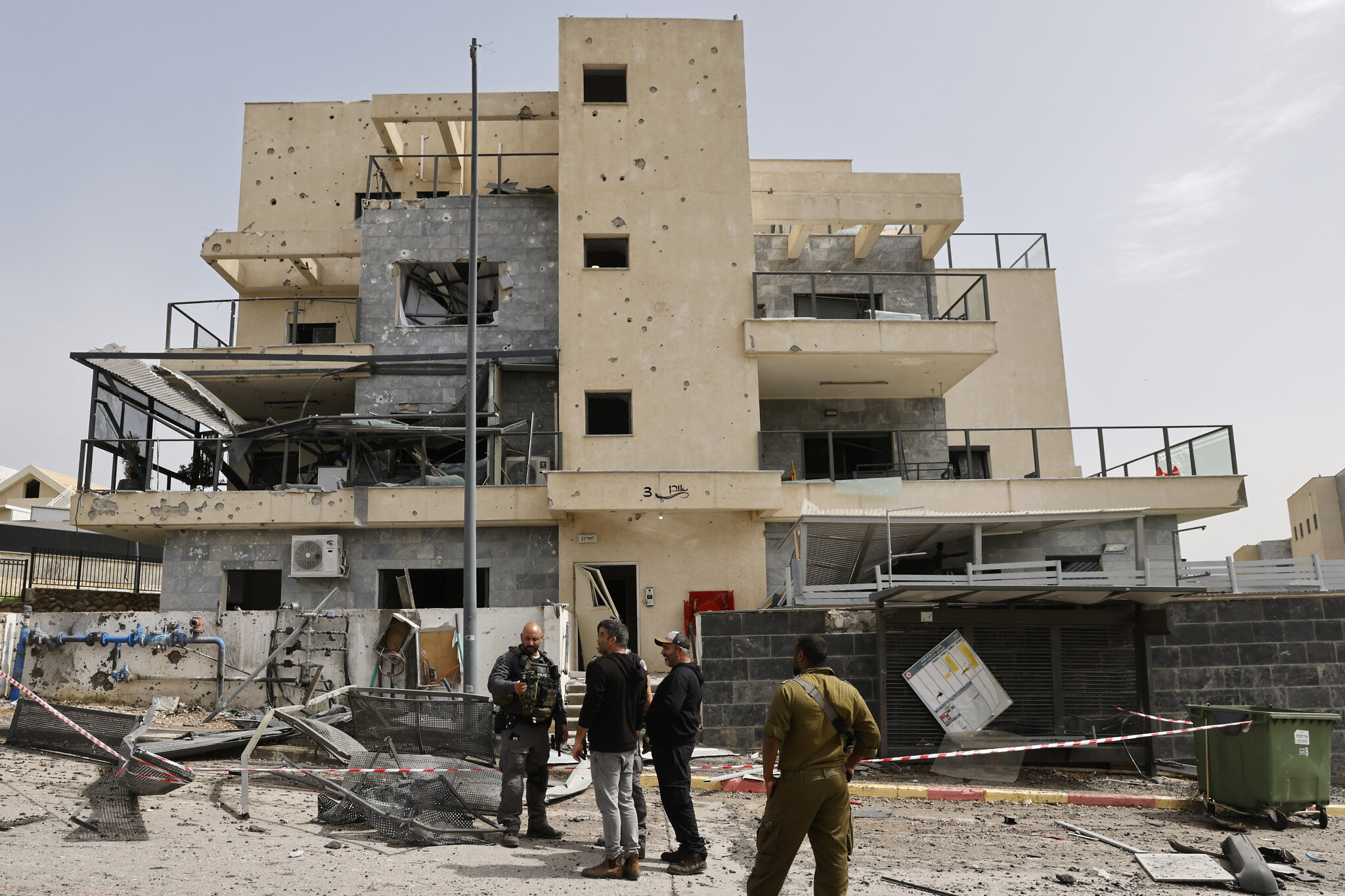
Israel is in its seventh month of war with Hamas in Gaza, which broke out in response to the terror group’s October 7 massacre in southern Israel in which close to 1,200 people were slain and 253 were kidnapped to Gaza, where more than half are believed to remain.
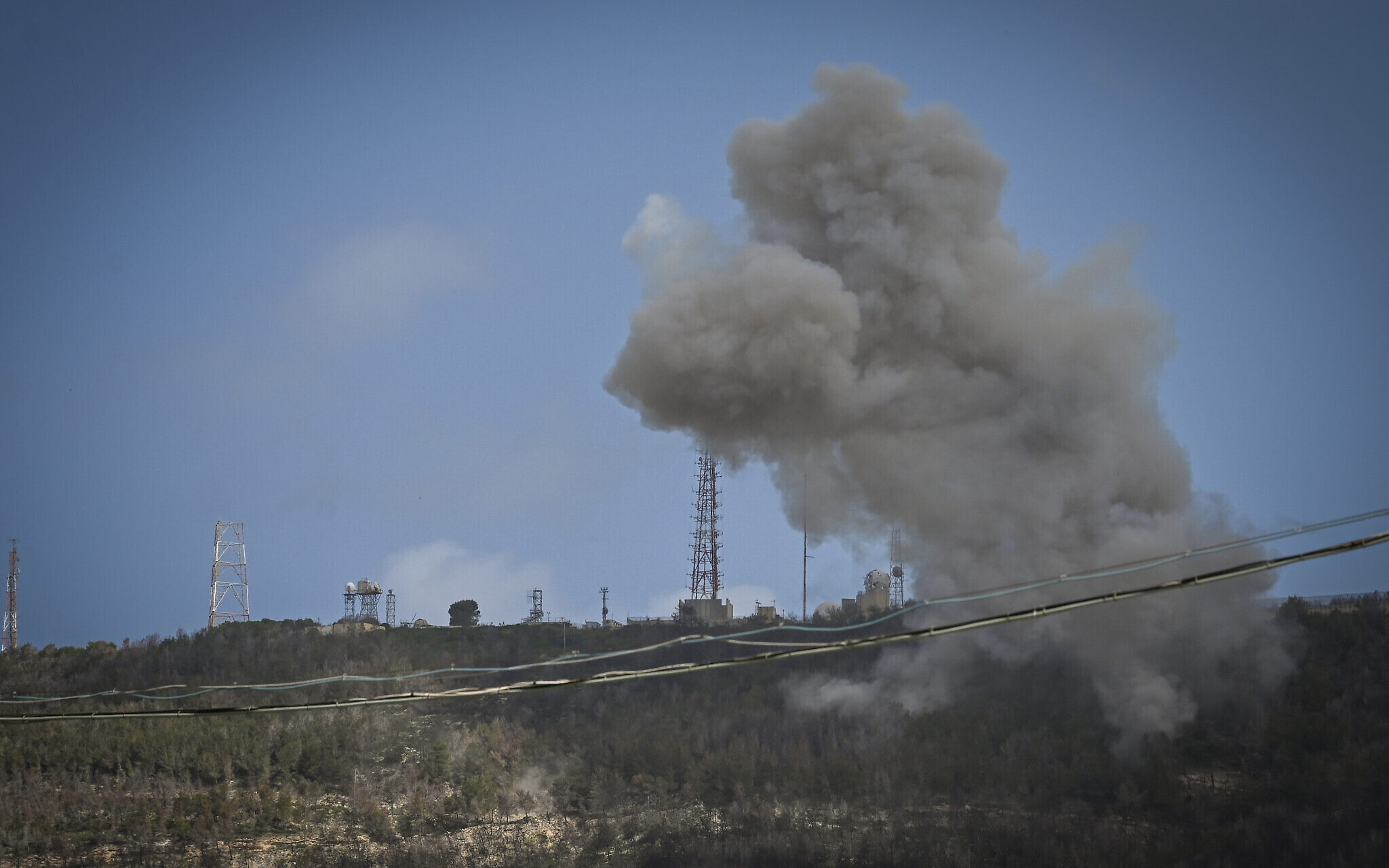
Meanwhile, Iran-backed Hezbollah has attacked Israeli communities and military posts along the northern border almost daily with rockets, drones, anti-tank missiles, and other means saying it is doing so to support Gaza during Israel’s war against Hamas. Israel has threatened to go to war to force Hezbollah away from the border if it does not retreat and continues to threaten northern communities, from where some 70,000 people were evacuated to avoid the fighting.
The war in Gaza has already taken a heavy toll on Israel’s economy which shrank an annual 20.7% in the last three months of 2023 from the previous quarter as consumer spending, trade, and investment were curtailed. Overall, Israel’s economy expanded 2% in 2023 after growing at a fast pace of 6.5% in 2022.
Bank of America warned in a report this week that the war continues to weigh on Israel’s fiscal balance and as a result the deficit is expected to widen to 6.5% of GDP in 2024. The economy is forecast to grow 2.4% this year and 3.5% in 2025 amid a slow recovery, according to BofA.
“Depending on how long the conflict goes on, the cost of the war could be higher,” said BofA economist Zumrut Imamoglu. “We believe that there is significant risk premium on the currency, and it has room to appreciate once the conflict ends.”
“This in turn will support disinflation over the course of next year,” Imamoglu added.
In the report, BofA noted that Israel’s current account surplus is improving bolstered by “subdued imports,” which in turn is expected to continue to support the shekel. The US bank sees more room for the shekel to gain further against the dollar in the coming months to a level of 3.55 by the end of 2024 and 3.50 in the beginning of 2025.
During the month of April the shekel weakened by about 3.7% against the dollar, taking this year’s decline in the local currency to about 5.3%, according to Tel Aviv bourse data.