Israelis impeding West Bank ambulances, costing precious time, medics allege
Proliferation of IDF checkpoints and unchecked settler violence since Oct. 7 putting both patients and those trying to help them at risk, medical workers say in new Physicians for Human Rights report
A few years ago, Yousef Diriyah, an ambulance driver and paramedic from the village of Aqraba, was attempting to transport a critically wounded gunshot victim to a hospital in the nearby city of Nablus when his progress was stopped by soldiers manning a checkpoint.
Troops could tell the man was in bad shape, according to Diriyah, but instead of allowing the ambulance to proceed quickly, they held the vehicle up for 10 minutes while his patient’s life hung in the balance.
“The army… questioned us — the paramedics — about the wounded man, even though the soldiers could see he was bleeding heavily,” Diriyah recalled recently. “They demanded everyone’s IDs, including the wounded man’s, and because he didn’t have his ID with him, they insisted we find a picture of it. We told the soldiers he would die because of the delay, and one soldier replied, ‘Let him die. I don’t care.'”
Eventually, the soldiers let the ambulance through and they managed to get the wounded man to a hospital.
Such delays are not rare occurrences, according to Diriyah and two dozen other paramedics from the Nablus area cited in a report published Monday by Physicians for Human Rights Israel.
Medics describe a growing number of checkpoints that they say endanger patients’ lives, alongside an increase in violence against medical personnel by settlers and even soldiers since October 7, 2023.
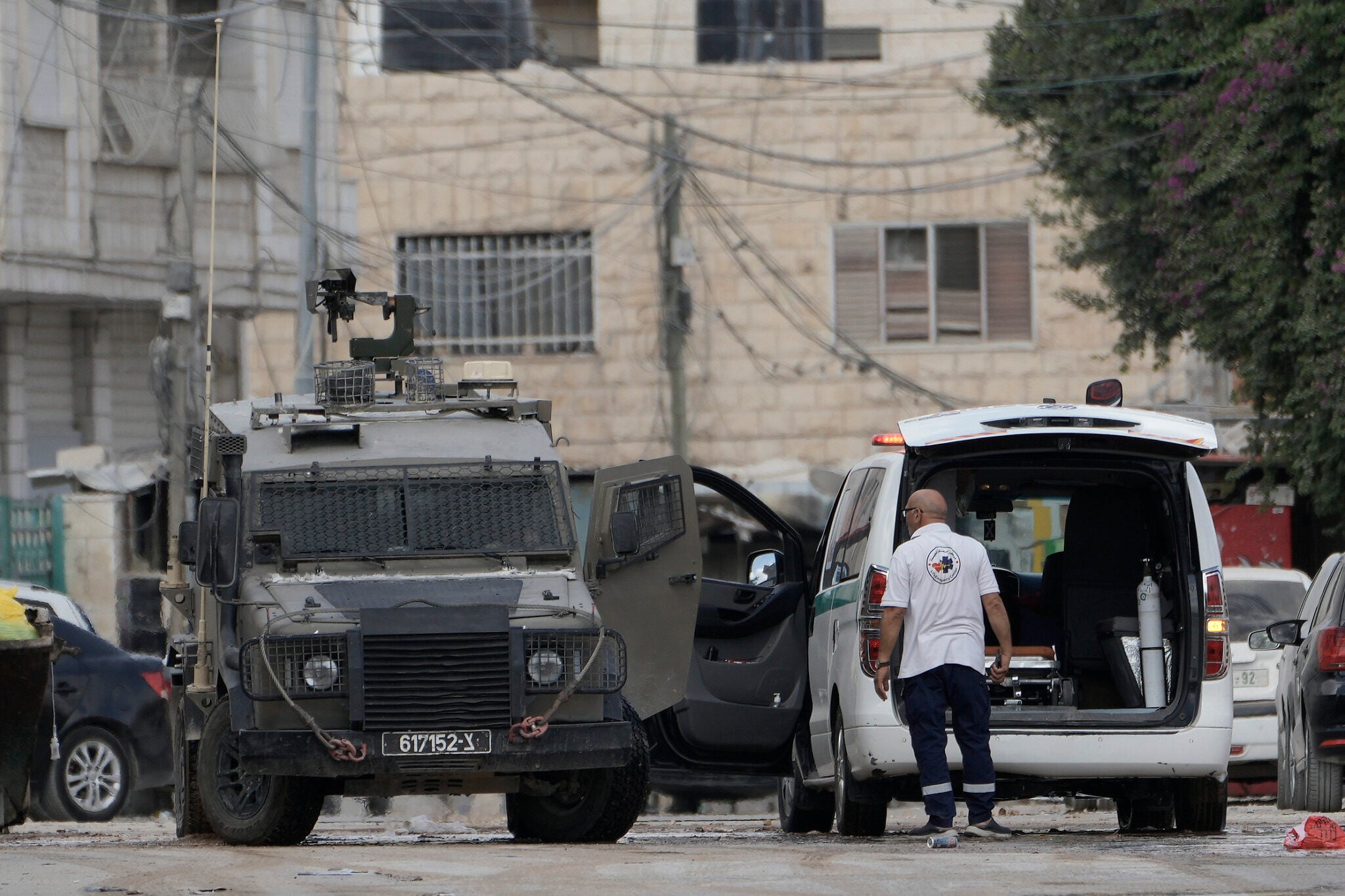
The IDF responded to the medics’ allegations, saying that “the IDF routinely works to ensure freedom of movement and the swift and safe passage of medical personnel throughout Judea and Samaria, in accordance with its commitment to international law and the protection of human life.”
Troops on the ground are instructed to allow the passage of emergency vehicles and medical personnel, including in cases where movement restrictions are imposed in the area, subject to security checks. Particular emphasis is placed on the importance of ensuring that they reach their destinations as quickly as possible and on safeguarding human life.
Every specific allegation brought to the IDF’s attention is thoroughly examined, and in cases where there is suspicion of a breach of procedures, the matter is investigated and addressed accordingly.”
International organizations support the claims and say they have documented an increase in incidents against Palestinian healthcare services in the West Bank and East Jerusalem, ranging from delays caused by checkpoints to the use of force against patients and medical personnel.
According to the World Health Organization, 181 incidents were recorded in 2022, compared with 233 in 2025. In the first 10 months of 2026, there were 157, putting this year on pace for fewer than 190 incidents.
The vast majority of incidents recorded by the WHO occurred while patients were being transported, often consisting of checkpoints or Israeli-imposed delays.
Figures compiled by the Insecurity Insight and the Safeguarding Health in Conflict Coalition show 93 incidents in 2022, a peak of 760 in 2024, and 346 in 2025.
Losing the ‘golden hour’
In health care, the time immediately following an injury is known as the “golden hour,” because it is when medical intervention can be especially important. Medics told PHRI that the Israeli restrictions were causing them to lose more and more of that precious window, with journeys that once took minutes now taking hours.
“Before October 7, you could easily get to the hospital in Nablus in 25 minutes,” Bashar Qaryouti, a paramedic and ambulance driver from Qaryut, a village some 16 kilometers (10 miles) from Nablus, told The Times of Israel. “Now it takes an hour.”
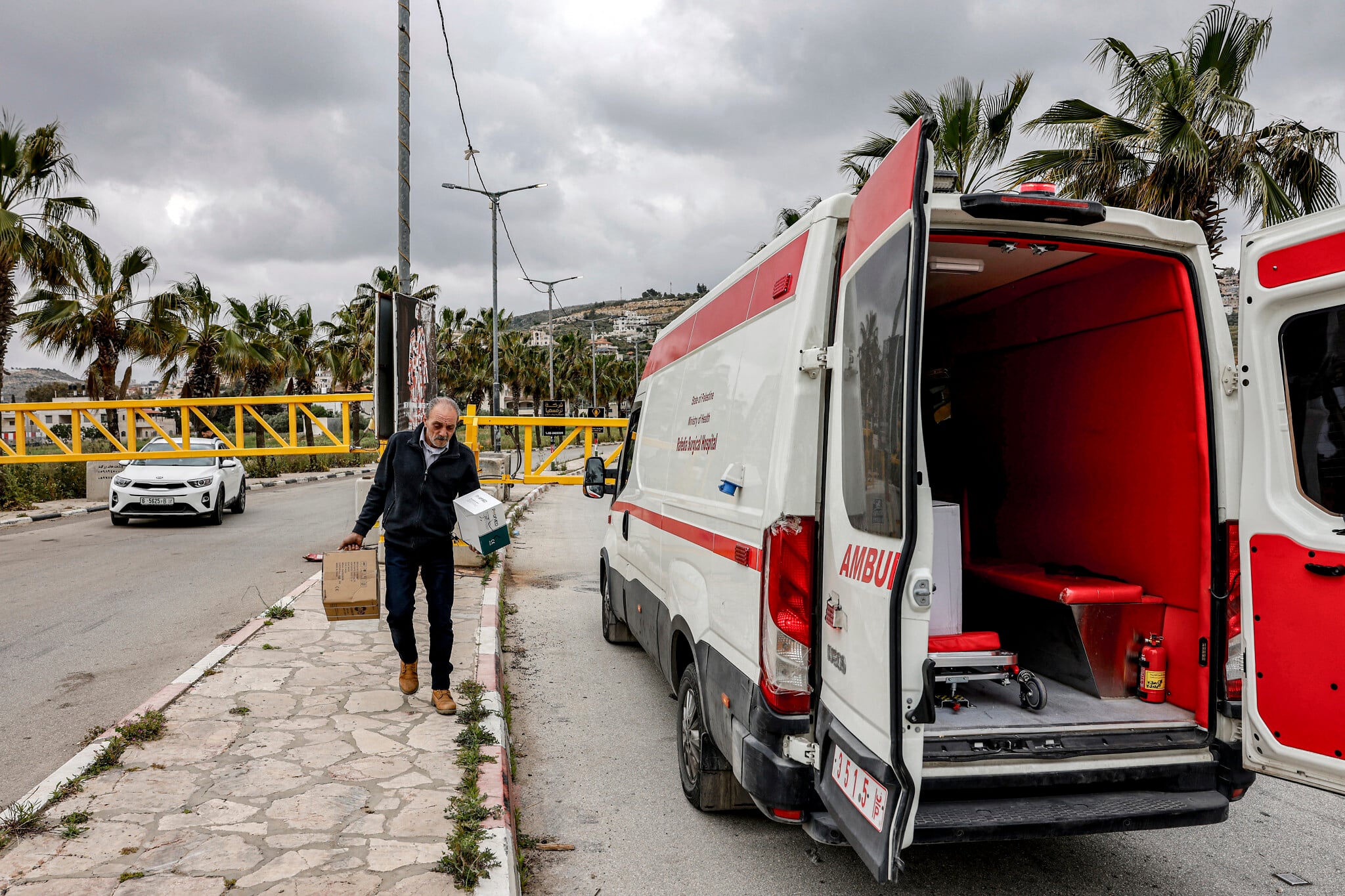
In recent years, particularly since the Hamas-led October 7, 2023, massacre in southern Israel, the number of IDF checkpoints and other movement obstacles in the West Bank has reached a 20-year high.
In the Nablus area, medical workers described five checkpoints that have been newly installed or subjected to tighter closure hours, restricting travel between villages and access to Nablus itself.
West Bank hospitals are generally located in Palestinian cities in Area A, which is under Palestinian Authority security control, but reaching such areas from villages or small towns can often involve passing through Areas B and C, where Israel’s military largely controls movement.
Medical workers interviewed for the report also said soldiers’ treatment of them had deteriorated since October 7. In many cases, those needing medical evacuation were suffering from injuries caused by Israeli troops or settlers, who often claim to be acting in self-defense.
“Since the beginning of the war [in Gaza], if someone is shot and we pick him up and treat him, [in Israel] they see us as terrorists,” Qaryouti told The Times of Israel.
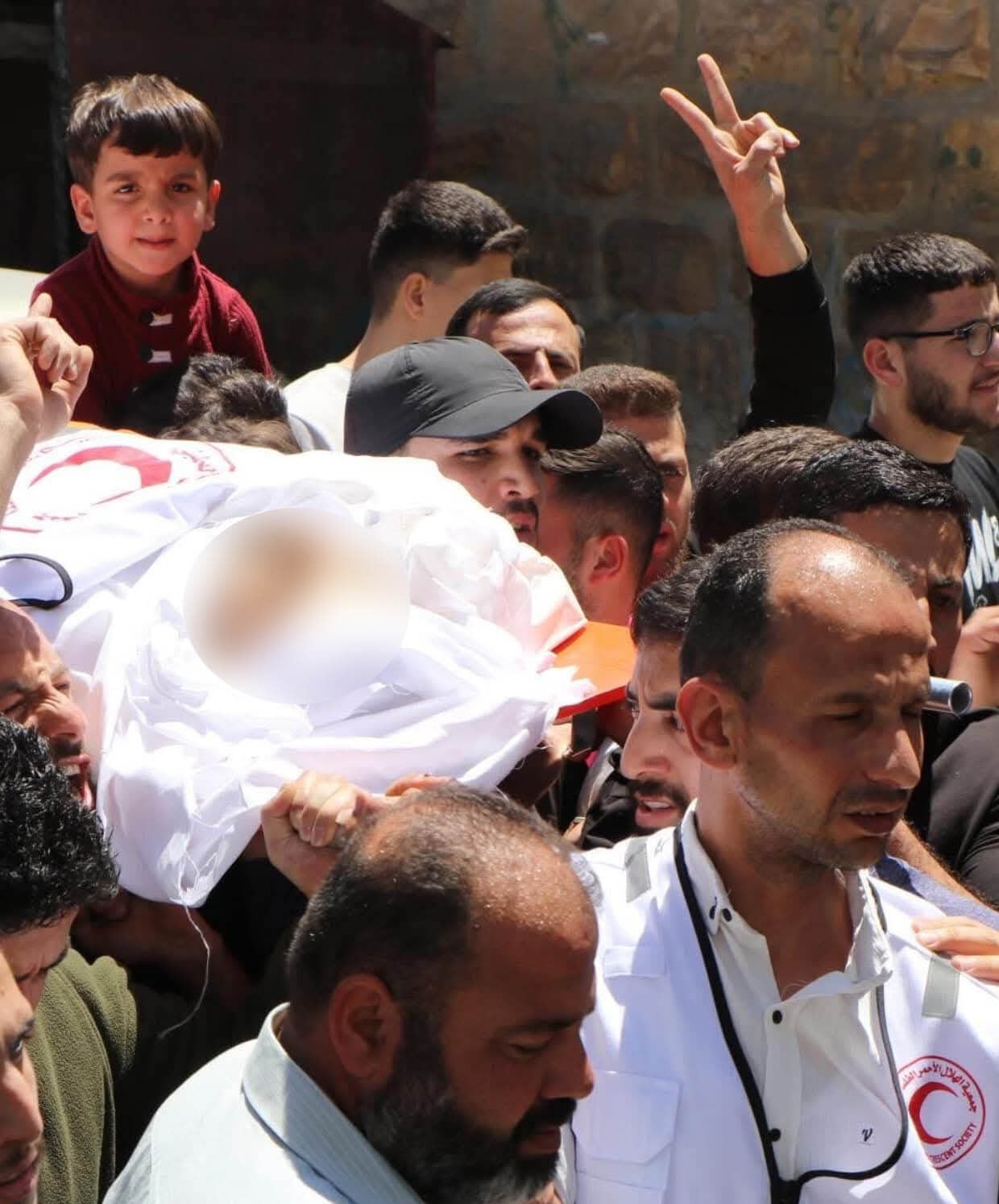
The violence has already claimed the life of an ambulance driver from the Nablus area.
Mohammad Mousa, 49, from the village of Qaryut, was shot dead on April 20, 2024, while working as an ambulance driver.
According to Palestinian reports, Mousa arrived near the village of as-Sawiya after settlers had thrown stones at Palestinians, and was subsequently shot.
Qaryouti told The Times of Israel that testimonies collected by Palestinians showed that the paramedic was shot by settlers, not soldiers.
He said he personally filed a police complaint over the incident, but the case was closed. The police did not responded to an inquiry from The Times of Israel regarding the investigation.
The IDF said that “an investigation was launched by the Military Police Criminal Investigation Division (MPCID), which was subsequently completed. The case is currently under review by the Military Advocate General’s Office.”
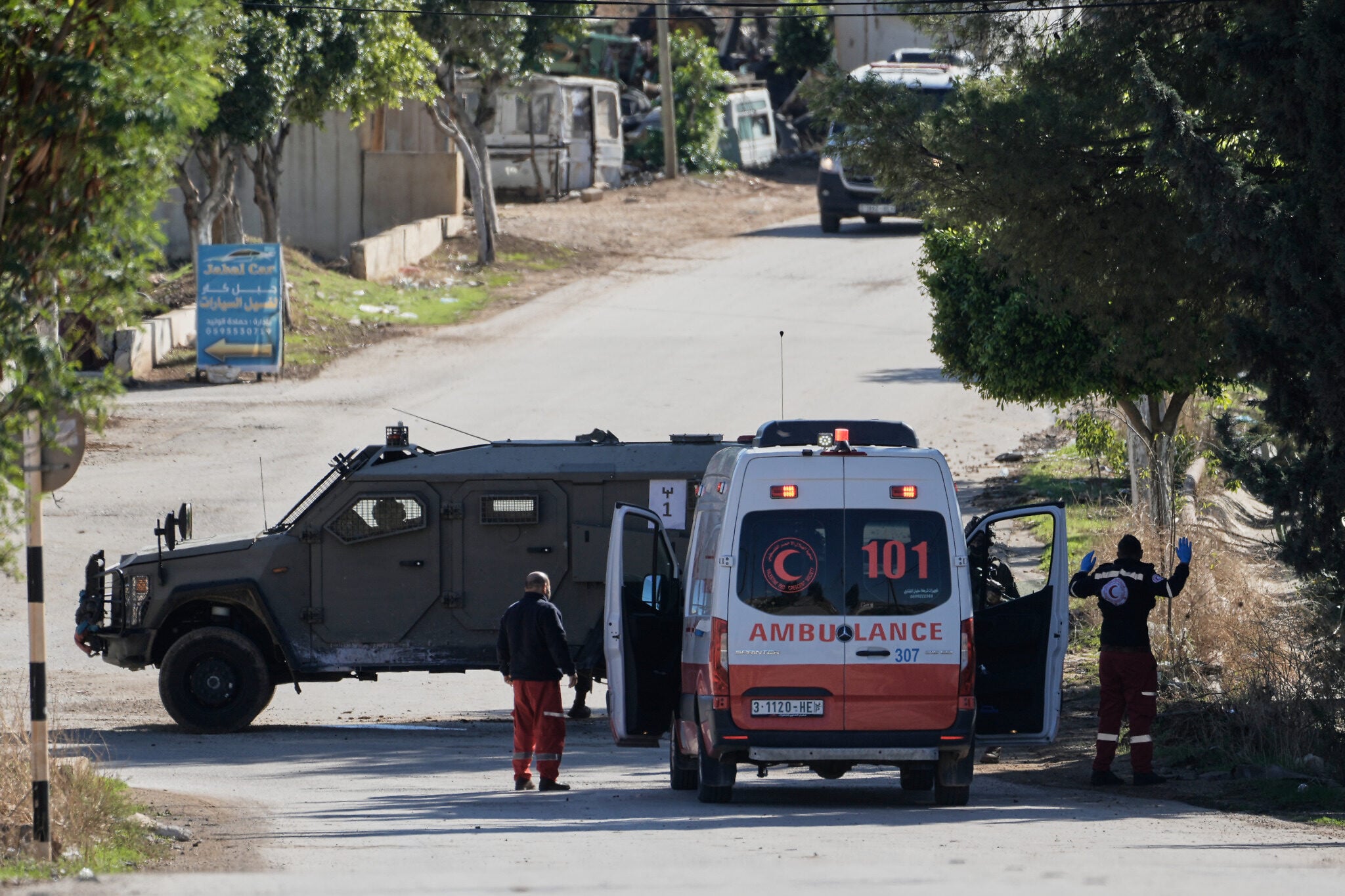
Unlike in Gaza, Israel does not claim that Palestinian healthcare services in the West Bank are controlled by a terrorist organization such as Hamas, or that medical personnel are themselves affiliated with terrorist groups.
However, there have been cases in the past, particularly during the Second Intifada in the early 2000s, in which Palestinian Red Crescent ambulances in the West Bank were documented being used to smuggle wanted individuals and weapons.
Palestinian healthcare services in the West Bank operate through a decentralized system that includes government providers, charitable organizations and private healthcare services.
The Palestinian Red Crescent Society, part of the International Red Cross and Red Crescent Movement, is the largest provider of emergency medical services in the West Bank, operating a substantial share of its ambulances and relying on a large network of volunteers. However, in Areas B and C, local ambulance and medical services also operate, often with little publicly available information about the organizations running them or their funding sources.
In interviews, healthcare workers described being threatened and verbally abused by soldiers, as well as facing stone-throwing and gunfire from settlers while carrying out their duties. Since October 7, the lines between soldiers and settlers have become increasingly blurred, they said, with soldiers sometimes standing by as settlers attacked medical workers and, in other cases, actively assisting the attackers.
Ibrahim, a paramedic and ambulance driver from south of Nablus, described in the report how he was attacked by settlers when he arrived to treat people injured in an incident in Aqraba.
“They surrounded our ambulance and started attacking us… We couldn’t reach the wounded… They attacked us in full view of the soldiers. [Eventually,] we got the wounded into the ambulance, with all its windows shattered, no lights and no mirrors, and fled with them,” he said.
Qaryouti also linked the rise in violence to the proliferation of settler outposts in the West Bank. According to him, 20 new outposts have been established in the Nablus area since October 7.
“If you’re driving along the road in an ambulance, people come down from the outposts to smash the vehicle [with stones] or beat you,” he said.