Israel’s newest, largest submarine arrives, deepening Navy’s stealth capabilities
Twelve years and one scandal in the making, the INS Drakon completes its 23-day journey from Germany with a ToI reporter aboard, carrying secret tech and powered by a system that will allow it to stay underwater for longer
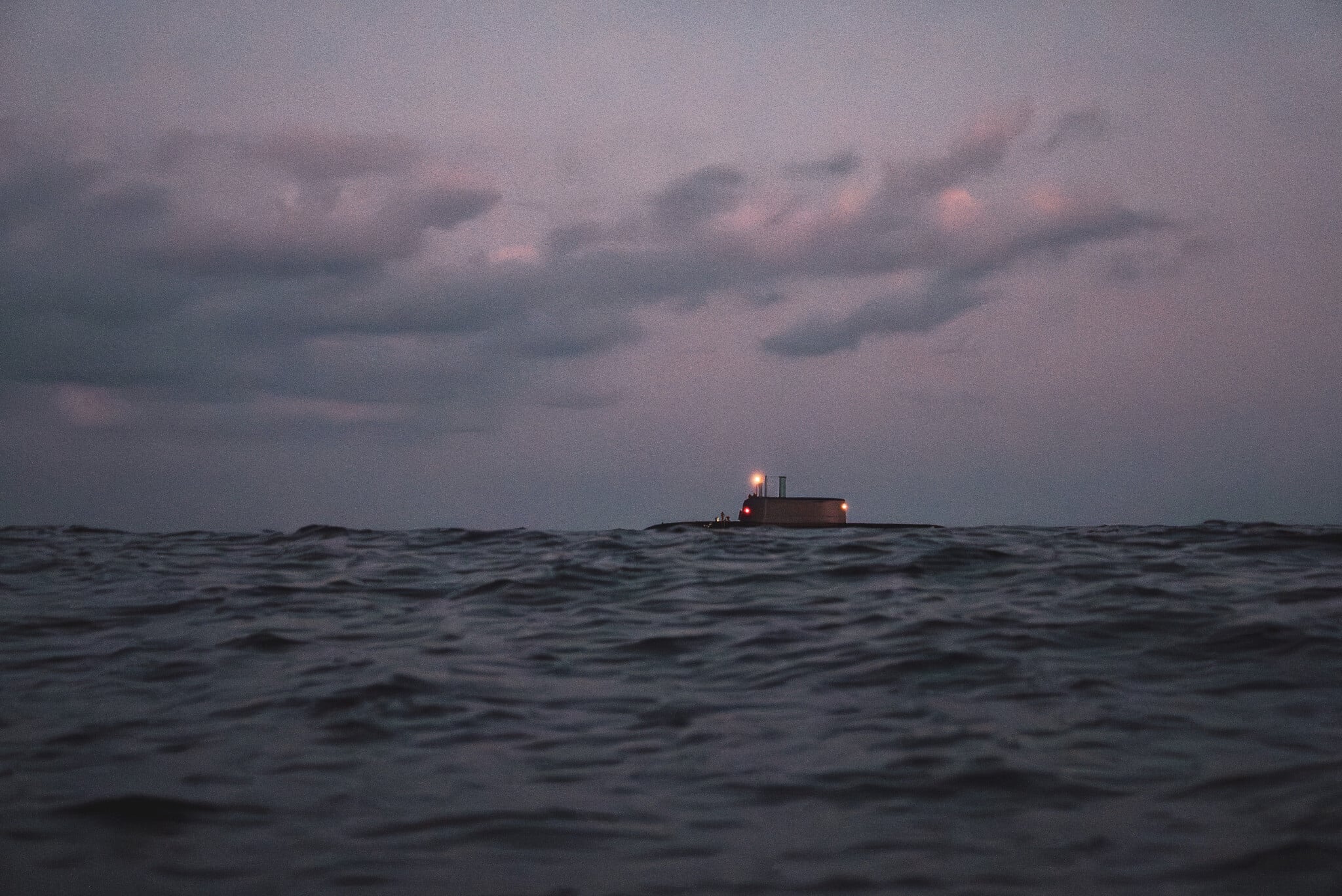
ABOARD INS DRAKON — Just a few nautical miles west of Haifa, the Israeli Navy’s sixth submarine was approaching Israel’s coast on Thursday morning after a 3,792-nautical-mile (around 8,000-kilometer) voyage over the past 23 days from Germany.
At dawn, reporters had boarded a small Defender-class patrol boat and headed out to greet the INS Drakon — or Dragon — on the final leg of her maiden journey to the Haifa Naval Base, where a ceremony was planned in the vessel’s honor.
Before we departed the naval base, the military took away all our electronic devices, from cellphones to key fobs, due to security concerns.
At 74 meters long and weighing a whopping 2,600 tons, the Dolphin 2-class submarine is the largest and heaviest yet in Israel’s service. Her delivery from Thyssenkrupp Marine Systems’ shipyard in Kiel, Germany, comes after around 12 years of planning, construction, and testing.
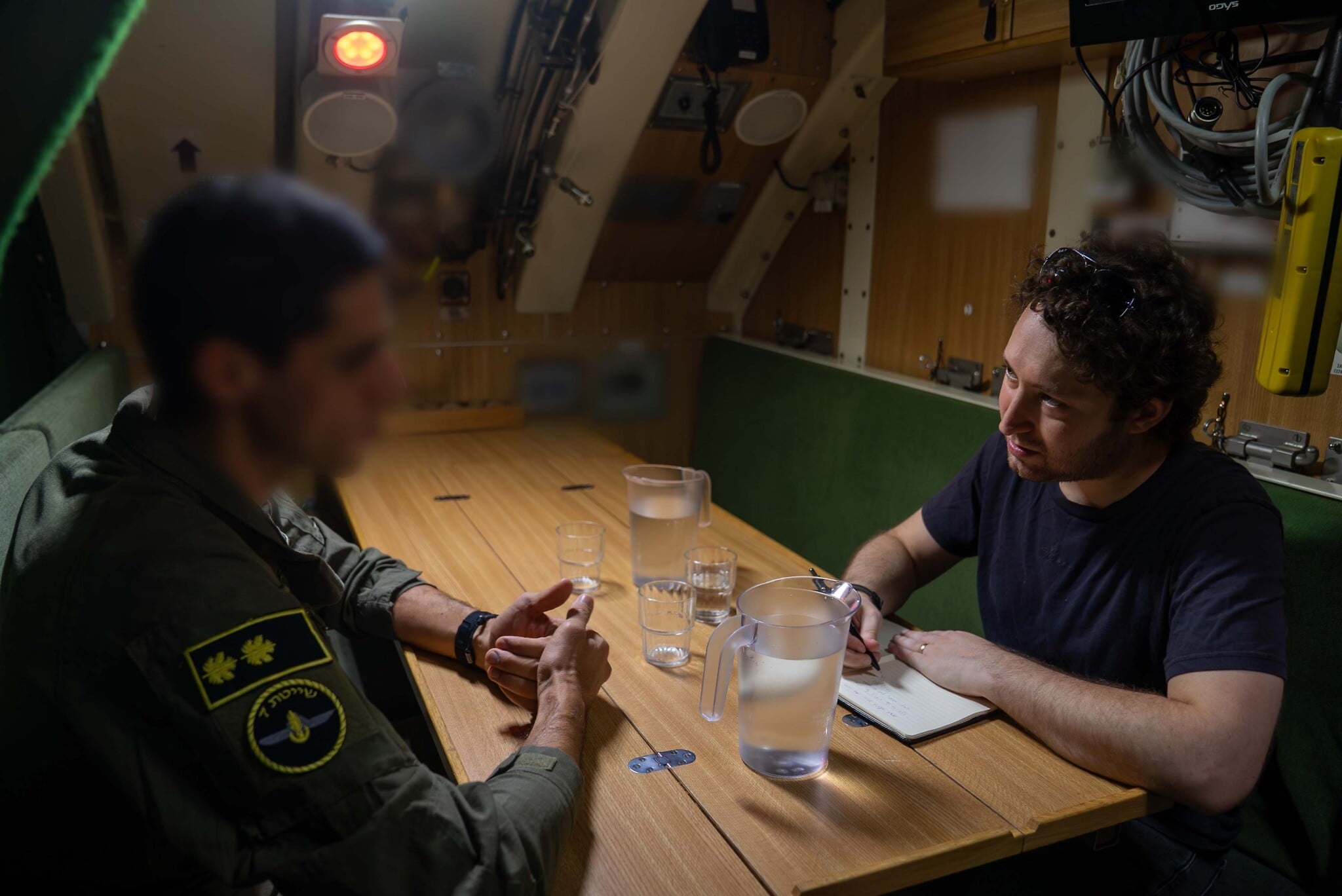
“Nothing could have prepared me for this. It has been an incredibly moving experience,” Cdr. “Ayin,” the captain of INS Drakon, said in an interview with The Times of Israel aboard the submarine.
Ayin, who can only be identified by the initial of his first name in Hebrew, spent the past three years living in Germany amid the construction of INS Drakon. “To complete a three-year journey in Germany, leave the port there and not return — that was a powerful moment. Contrary to what I expected, I was extremely emotional,” he said.
The submarine captain said that the lengthy voyage to Israel over the past three weeks “flew by… Time flies.”
The INS Drakon is one of several vessels purchased from Thyssenkrupp as part of a series of murky deals worth some $2 billion at the center of a wide-ranging alleged corruption and bribery scandal, with accusations leveled against several high-level current and former officials, some of whom are close to Prime Minister Benjamin Netanyahu.
A state commission of inquiry found that Netanyahu pushed for the purchase of this sixth submarine for the Israeli Navy, based on “unfounded assumptions” and in deviation from the needs of the country. He also avoided discussing the economic consequences of the purchase that were presented to him, unilaterally seeking to replace older submarines in Israel’s fleet with new ones by bypassing the standard decision-making process for large military acquisitions, it concluded.
Netanyahu was not indicted in a court case regarding criminal allegations surrounding the purchase, though several of his confidants have been charged.
The submarine’s original proposed name was Dakar, in honor of an Israeli submarine of the same name that sank during her maiden trip to Israel from the United Kingdom in 1968.
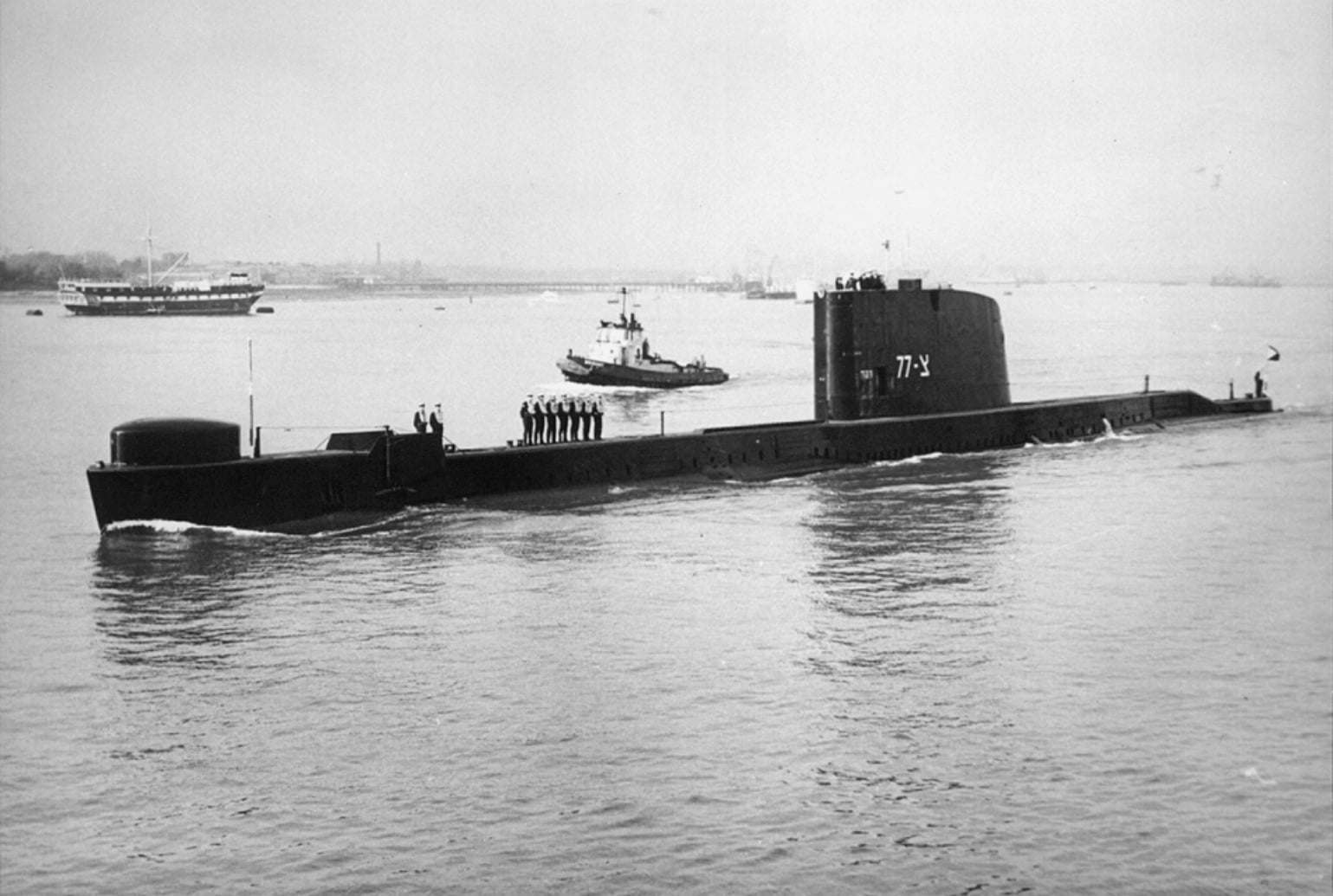
Drakon was meant to be a compromise after some of the families of the fallen sailors from the original Dakar protested the proposal to recycle the name.
En route to Israel, the INS Drakon crew stopped at the spot where the INS Dakar sank.
“We surfaced over the site where the INS Dakar went down,” the submarine captain said. The crew put on their ceremonial white uniforms, and Yizkor, Kaddish and other liturgical passages were read.
The Navy is still planning on using Dakar as the name for the overall class of its future submarines, which are set to replace the three aging first-generation Dolphin-class vessels in service since around 2000.
The first of three Dakar-class submarines is scheduled for delivery in 2031. The Dakar submarines are expected to be significantly larger than the INS Drakon, at 84 meters long and 3,800 tons.
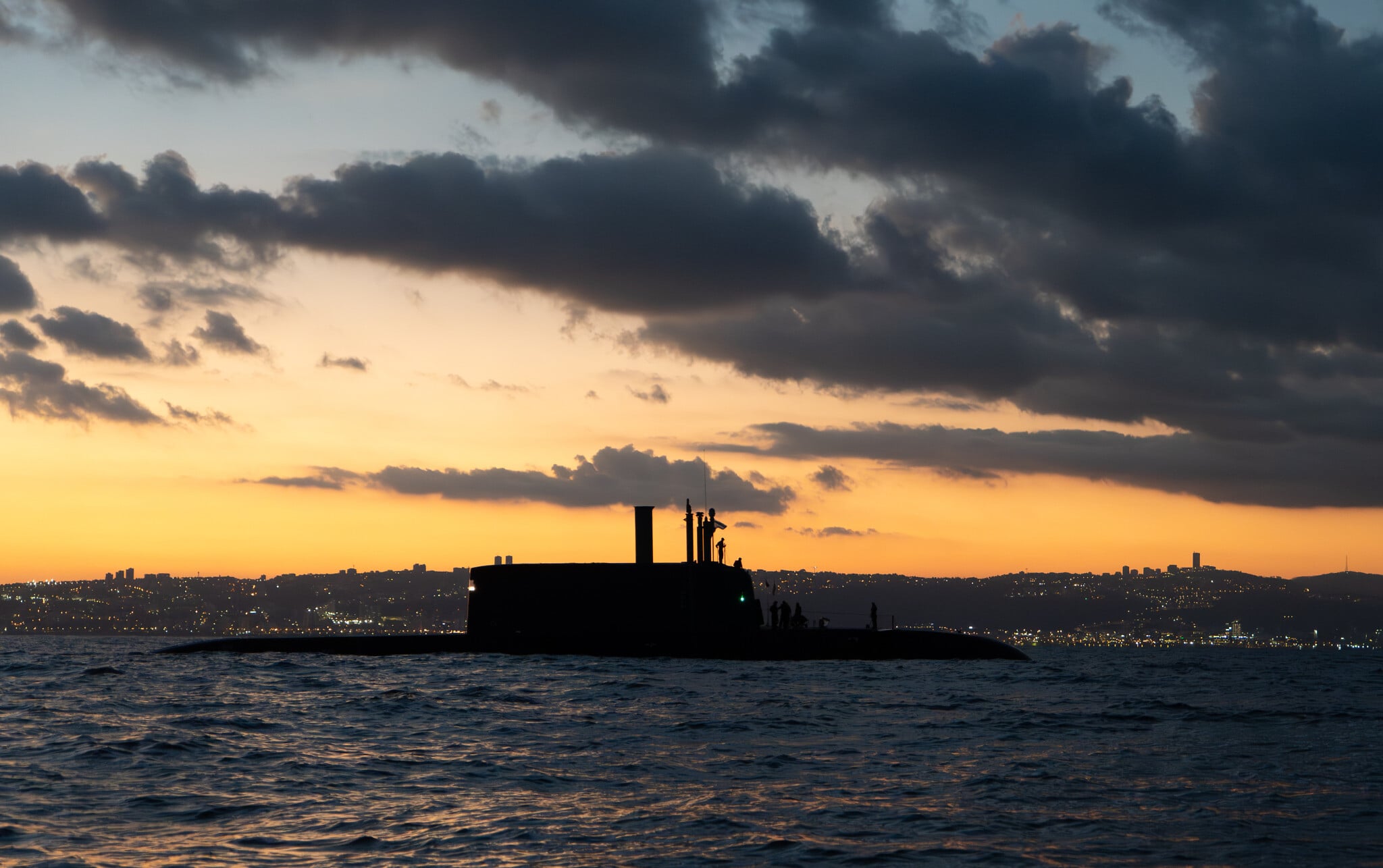
As the third and final submarine in the Dolphin 2-class series, INS Drakon is to be equipped with “innovative and advanced technologies that place Israel at the forefront of global military technology and will enhance the Israeli Navy’s operational flexibility for years to come,” the military said.
The submarine is equipped with air-independent propulsion, or AIP, enabling the crew to remain underwater for extended periods before needing to surface.
“The AIP system is very significant. It increases the level of stealth by orders of magnitude,” Cpt. “Yud,” chief of the Navy’s 7th Submarine Flotilla, told The Times of Israel aboard the vessel.
The flotilla chief said the main benefit of the new submarine, aside from its advanced technologies, is that “it increases the number of submarines we can deploy” at once, and the INS Drakon captain said the vessel “gives the State of Israel capabilities — capabilities that allow us to do much more than we have been able to do in the past.”
The Navy considers those capabilities and advanced technologies closely guarded state-secrets, barring publication of most details related to its submarines’ operations.
The installation of Israeli systems inside the new submarine is expected to take two to three months, and only months later will it be declared operational, according to the military.
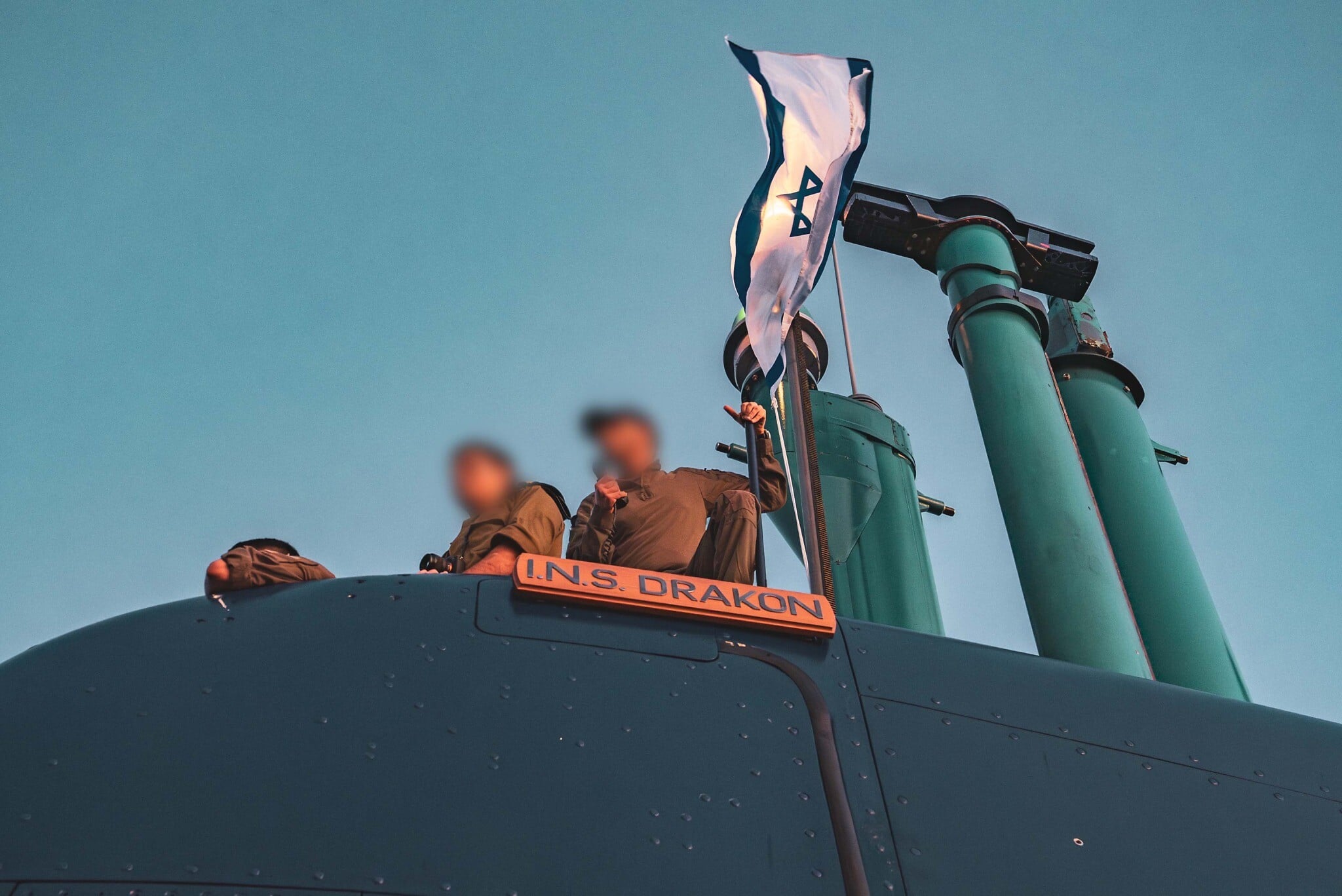
Rear Adm. Guy Levy, a former submariner and the Navy’s current chief of staff, told The Times of Israel that it was a “very moving day” for him. “Exactly 12 years and one day ago, I sailed aboard the INS Tanin submarine to Israel,” he said, referring to the last submarine to be delivered to Israel before the INS Drakon.
“The Navy is growing stronger. This is a powerful platform that increases the Israeli Navy’s stealth capabilities,” Levy said. “It is about maintaining the state’s defensive capability and carrying out the mission of defending Israel.”
The hardest thing
Asked what the hardest part about serving on a submarine is, the senior officers and sailors all said it was the long periods of isolation.
“The isolation is the hardest thing for the younger generation — being without a phone especially. Sometimes news is sent through the communications systems, such as soccer results,” Ayin, the submarine captain, said.
Levy similarly said that “the real difficulty is the isolation — being completely cut off. The moment you disconnect the cables, you are alone at sea.”
My last meal began to surface with me
Even with dozens of sailors aboard operating the vessel’s various systems, the inside of the submarine was far less cramped than I had imagined it would be.
After climbing up a ladder to reach the topside of the vessel, though, seasickness finally got to me, and my last meal began to surface as well. I managed to make it to the edge, throwing up into the sea, mostly.
“Sorry for vomiting on your new submarine,” I said to one of the sailors.
“If it makes you feel any better, I’ve been sick here about a dozen times already,” they responded.
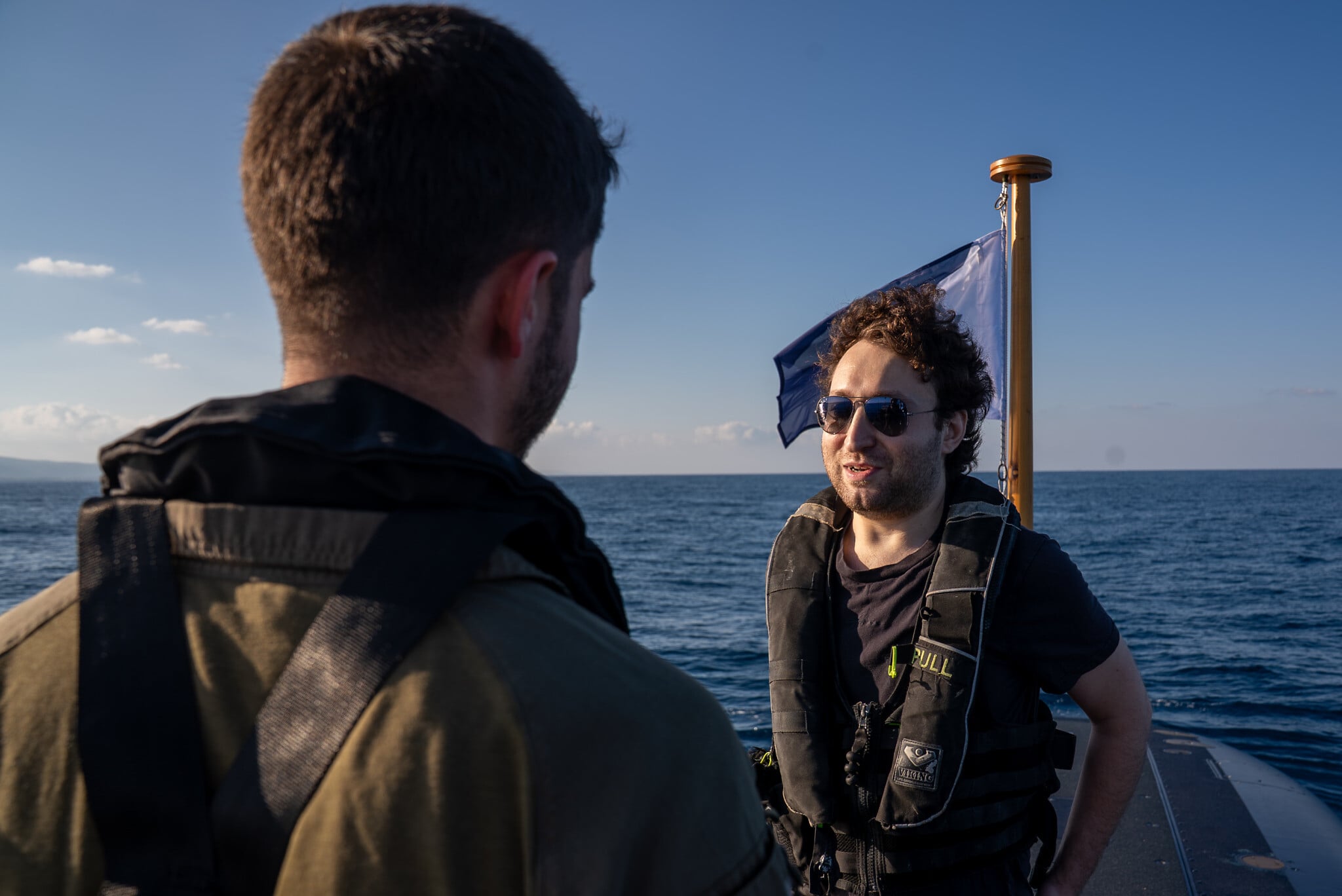
The submarine captain said his crew “is the best human material there is, and they know they are making history.”
“They are trained to operate anywhere they are needed, without being seen,” he said. “It is easy to lead when you have good people.”