Remaining uncounted ballots could shift Knesset seats, but likely not the balance of power
Soldiers, prisoners and diplomats have cast 430,000 to 480,000 yet to-be-tallied votes, but historical trends suggest the 12-odd seats won't break the political stalemate
With most of the votes counted Wednesday following one of Israel’s most consequential elections, Prime Minister Benjamin Netanyahu’s right-wing bloc held a commanding lead over the opposition but remained short of the 61-seat Knesset majority needed to form a government. The final outcome, however, was still uncertain, with hundreds of thousands of ballots yet to be counted and official results not expected before November 4.
Among the votes are 430,000 to 480,000 so-called double-envelope ballots, cast primarily by soldiers, diplomats stationed abroad and prisoners — compared to roughly 460,000 in the 2022 election, according to the Central Elections Committee.
The CEC stressed that the figure remained preliminary, with officials still receiving and processing ballots that have to be included in the tally. Earlier reports had put the number of double-envelope ballots at between 600,000 and 650,000.
Unlike regular ballots, double-envelope votes are counted separately, after election officials verify that each voter has not already cast a ballot elsewhere.
With each Knesset seat estimated to represent roughly 40,000 votes, the outstanding ballots could theoretically reshape the parliamentary balance of power, potentially determining which parties gain or lose seats and whether either bloc can secure a majority.
Experts caution, however, that a dramatic reversal of the overall election results remains unlikely.
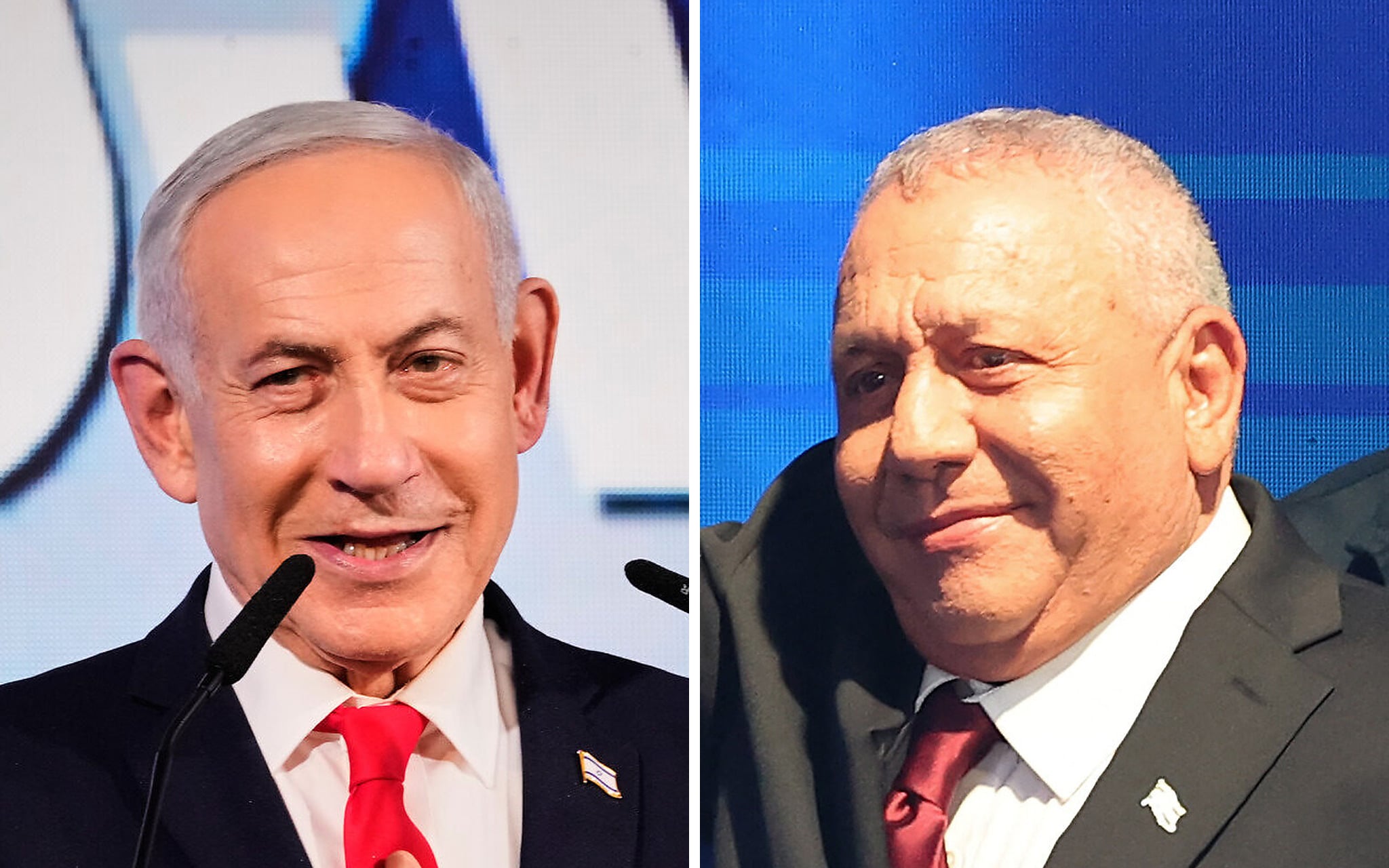
According to current election tallies, neither Netanyahu nor opposition frontrunner Gadi Eisenkot of the Yashar party have a clear path to forming a future government. As of Wednesday afternoon, Netanyahu’s bloc held 53 seats to the opposition’s 48, while the Arab parties Ra’am and the Joint List accounted for the remaining 19.
“When every political bloc is so far from any possibility to establish a coalition… I don’t predict that it will make a lot of difference,” said Assaf Shapira, head of the Israel Democracy Institute’s Political Reform Program.
Double envelopes rarely deliver major surprises
Voter turnout this year was the highest since 1999 at 77.7 percent — or 5,695,682 Israelis. That trend was also reflected in the number of double envelopes.
The Israel Defense Forces said that its voting rate stood at 79.9% this year, a 6.2% increase from the previous election. Meanwhile, the Israel Prison Service placed its turnout at 88.7%, up from 79% in 2022, and 86.7% of Israelis voted at diplomatic postings around the world, according to the CEC, compared to 69.6% in 2022.
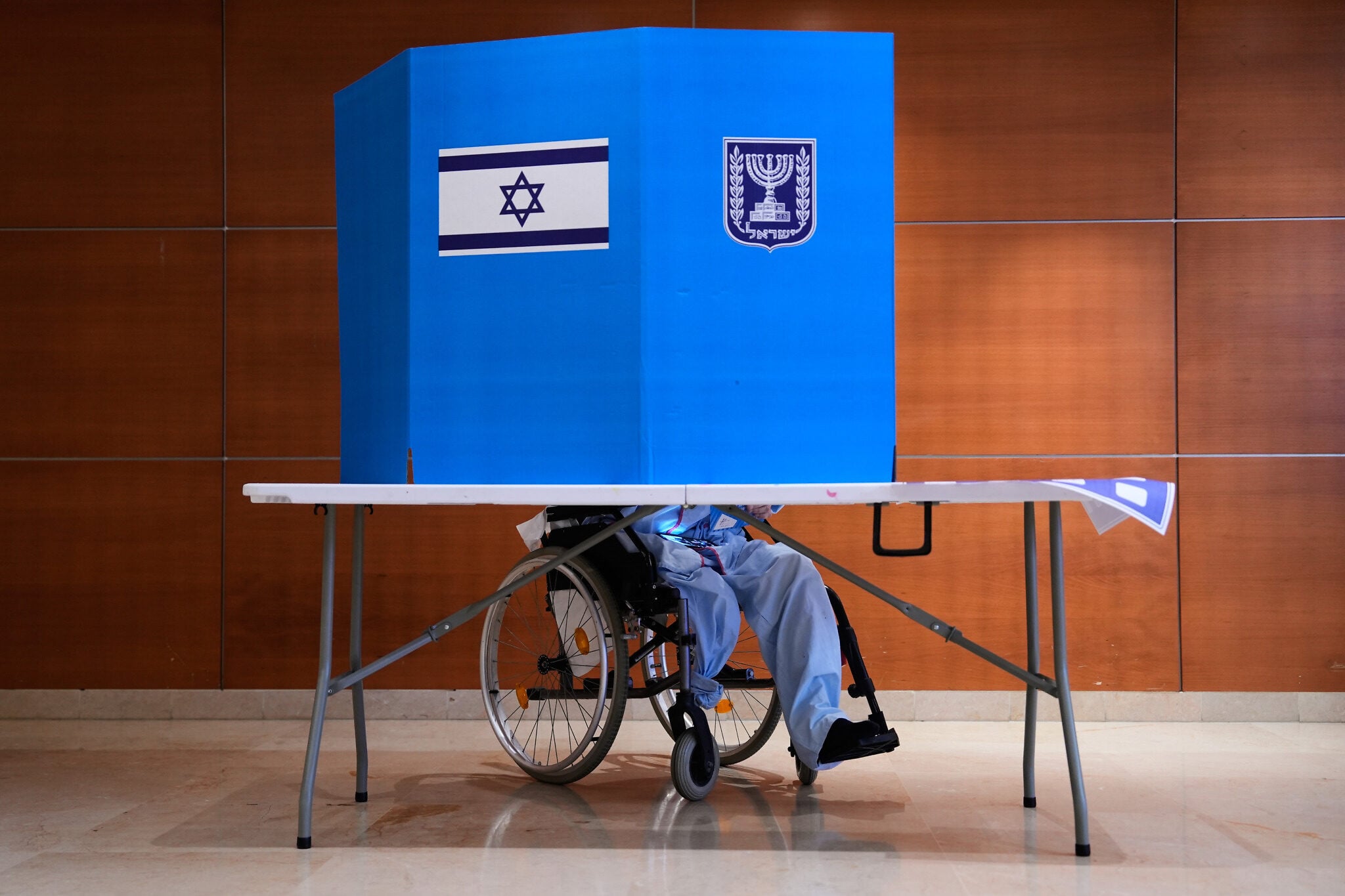
Double envelopes also include votes from medical personnel and those with medical conditions preventing them from reaching their designated polling stations, though it was unclear where voter turnout stood among those demographics.
Historically, double-envelope ballots have broadly mirrored the overall balance between Israel’s political blocs, though they tend to favor Zionist parties at the expense of ultra-Orthodox and Arab ones.
An Israel Democracy Institute analysis of the 2021 election found that in the double-envelope vote, Netanyahu’s bloc received 48.76%, compared to 47.95% of regular votes, while its rivals secured 48.56%, compared to 50.06%.
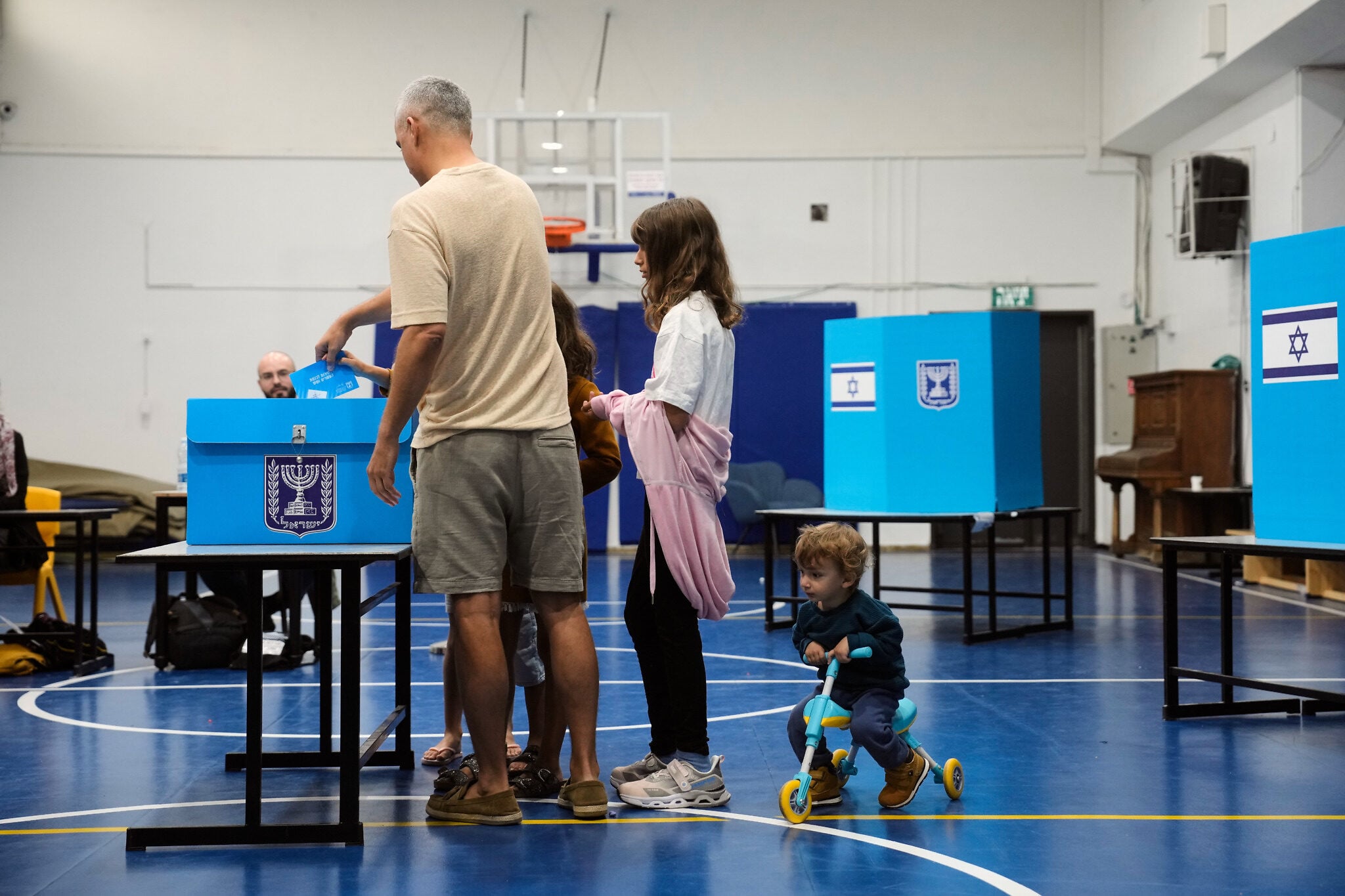
The ballots have occasionally shifted Knesset seats between parties, but they have generally not altered the overall balance of power.
Elad Naveh, head of the CEC’s command center, told the Ynet news outlet on Wednesday that the distribution of double-envelope ballots is generally similar to the nationwide vote, with “no significant deviations.”
Soldiers’ votes offer hope, but few guarantees
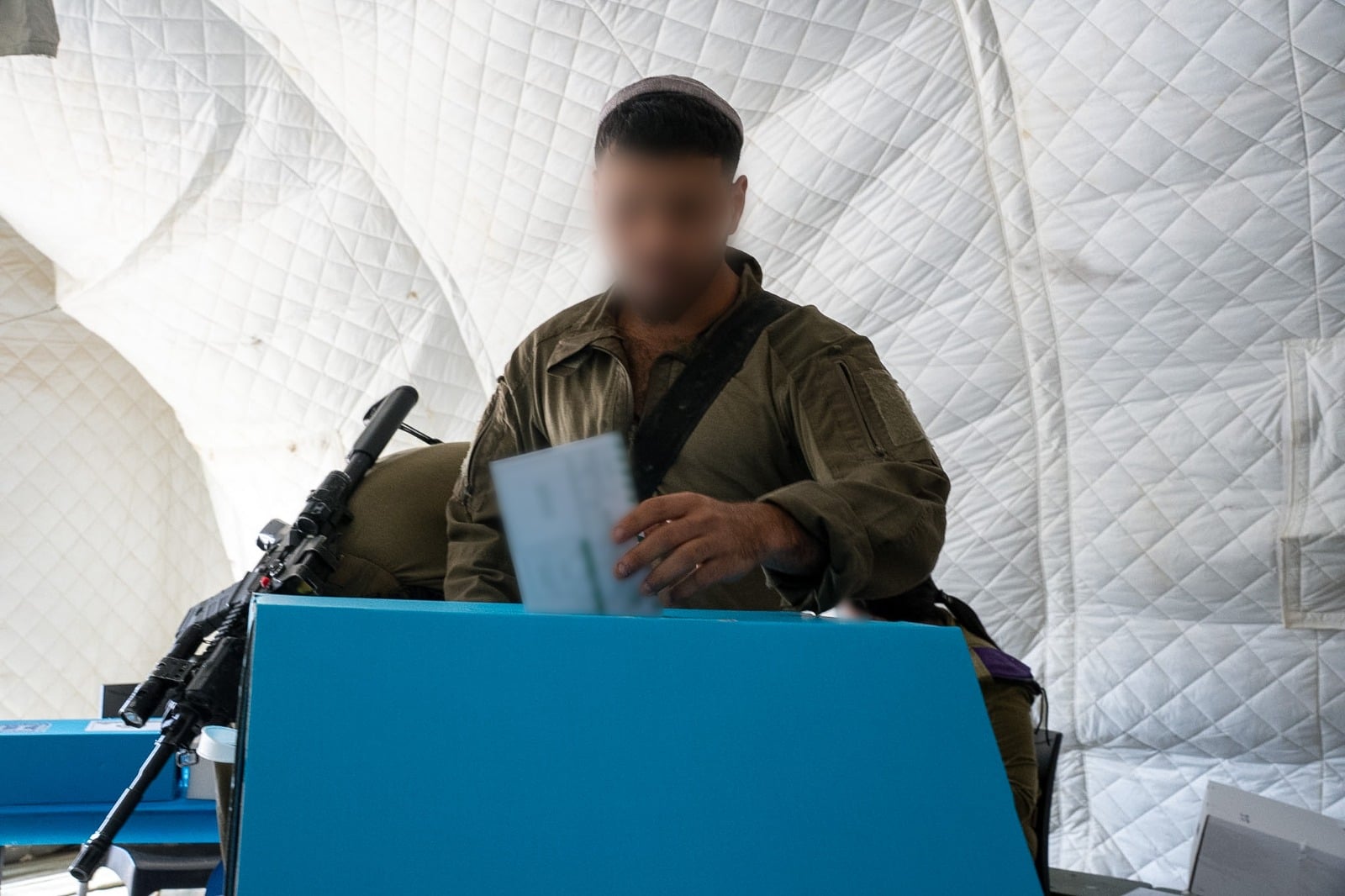
The bulk of double-envelope ballots are cast by IDF soldiers, whose votes have historically favored Zionist parties over Arab and ultra-Orthodox ones.
Troops began voting on October 20, a week before election day, at polling stations set up on military bases across Israel and in areas where troops are deployed beyond its borders, including the Gaza Strip and southern Lebanon.
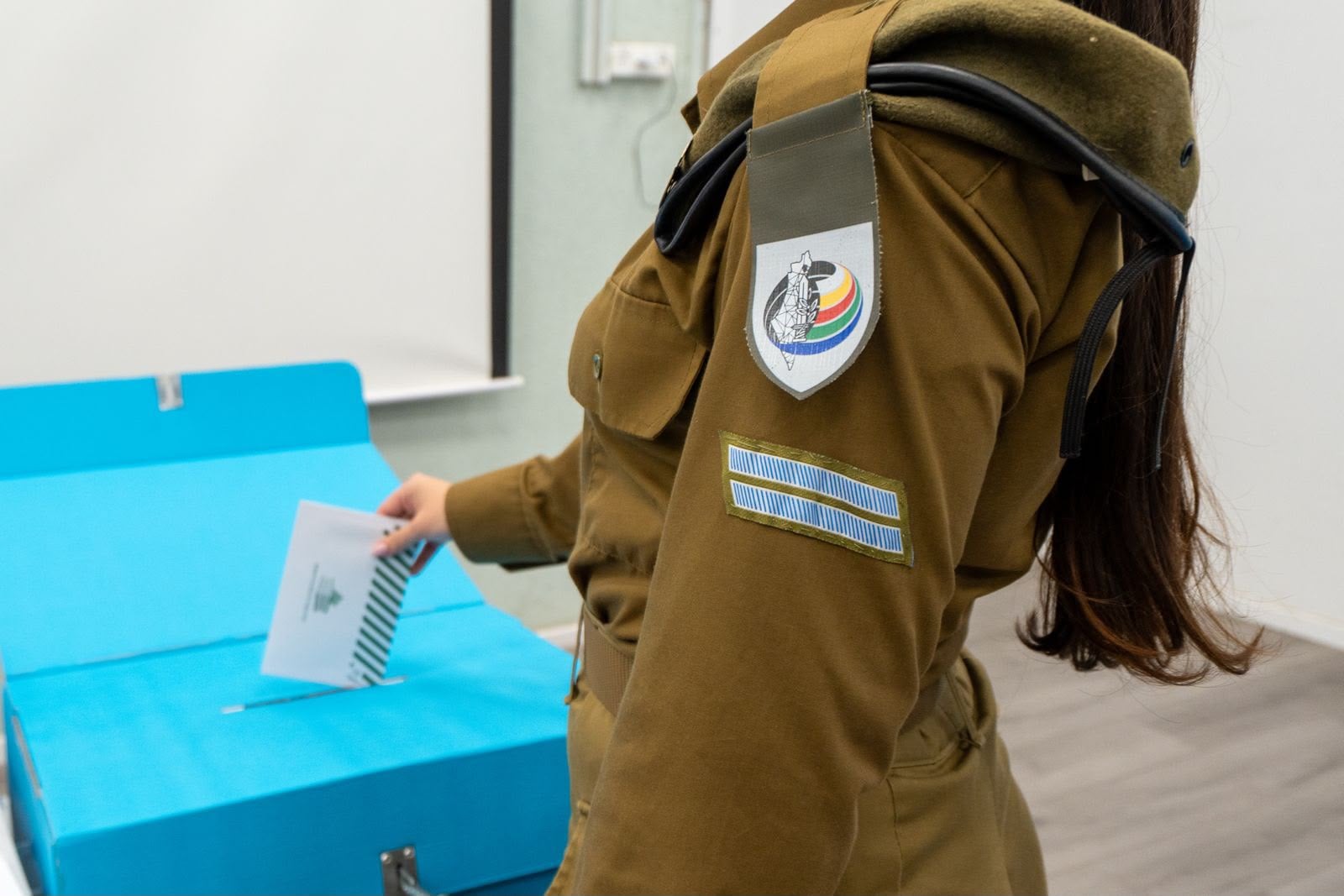
With hundreds of thousands of military ballots still uncounted, politicians on both sides of the political divide have expressed hope that soldiers could bolster their parties’ final tallies.
Far-right Religious Zionism chairman Bezalel Smotrich, a member of Netanyahu’s bloc, suggested on election night that soldiers’ votes could lift his party beyond the six seats projected by exit polls.
Opposition lawmaker Avigdor Liberman, chairman of the right-wing Yisrael Beytenu party, was even more optimistic, predicting that his faction could win as many as 14 or 15 seats, nearly double the seven or eight projected by exit polls, once military ballots were counted.
The Israel Democracy Institute’s Shapira acknowledged that soldiers tend to lean right politically, “because we have many religious soldiers, and also because soldiers and young people in Israel in general tend to be more right-wing.”
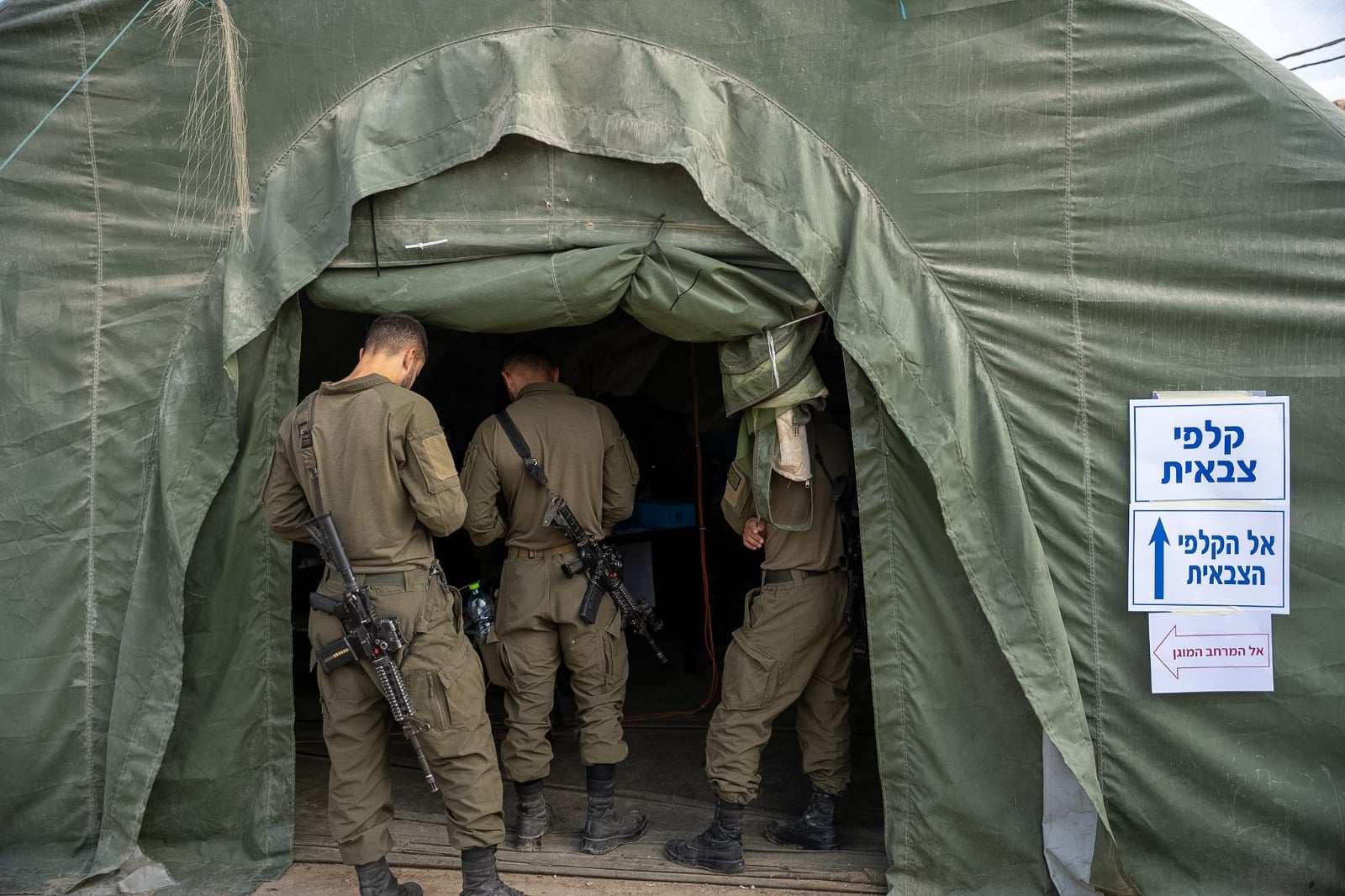
But he was skeptical that the outstanding ballots would deliver the dramatic gains Smotrich and Liberman were hoping for, estimating that military votes would likely shift individual parties’ seat totals by no more than one or two mandates.
Complicating matters further, Shapira noted, some soldiers may have backed smaller right-wing parties that have so far failed to cross the electoral threshold, particularly Yoaz Hendel’s Reservist-Economic party and Ofer Winter’s People of Israel.
Likewise, the contentious issue of ultra-Orthodox conscription, which Netanyahu’s bloc has largely resisted expanding, could influence soldiers’ choices, while the ongoing war has brought an unusually large number of older reservists into the military’s ranks, potentially altering the electorate’s traditional voting patterns.
Prisoners, diplomats unlikely to tip the balance
Prisoners’ votes, on the other hand, are likely to differ sharply from those of soldiers, with many expected to favor Arab parties, according to Shapira.
Arab citizens have historically been disproportionately represented in Israel’s prison population, though prisoners account for a far smaller share of double-envelope ballots than soldiers. Still, their precise voting preferences remain unknown and prove difficult to predict.
Meanwhile, diplomats stationed abroad tend to be more politically liberal and are likely to “lean more towards the current opposition,” Shapira said.
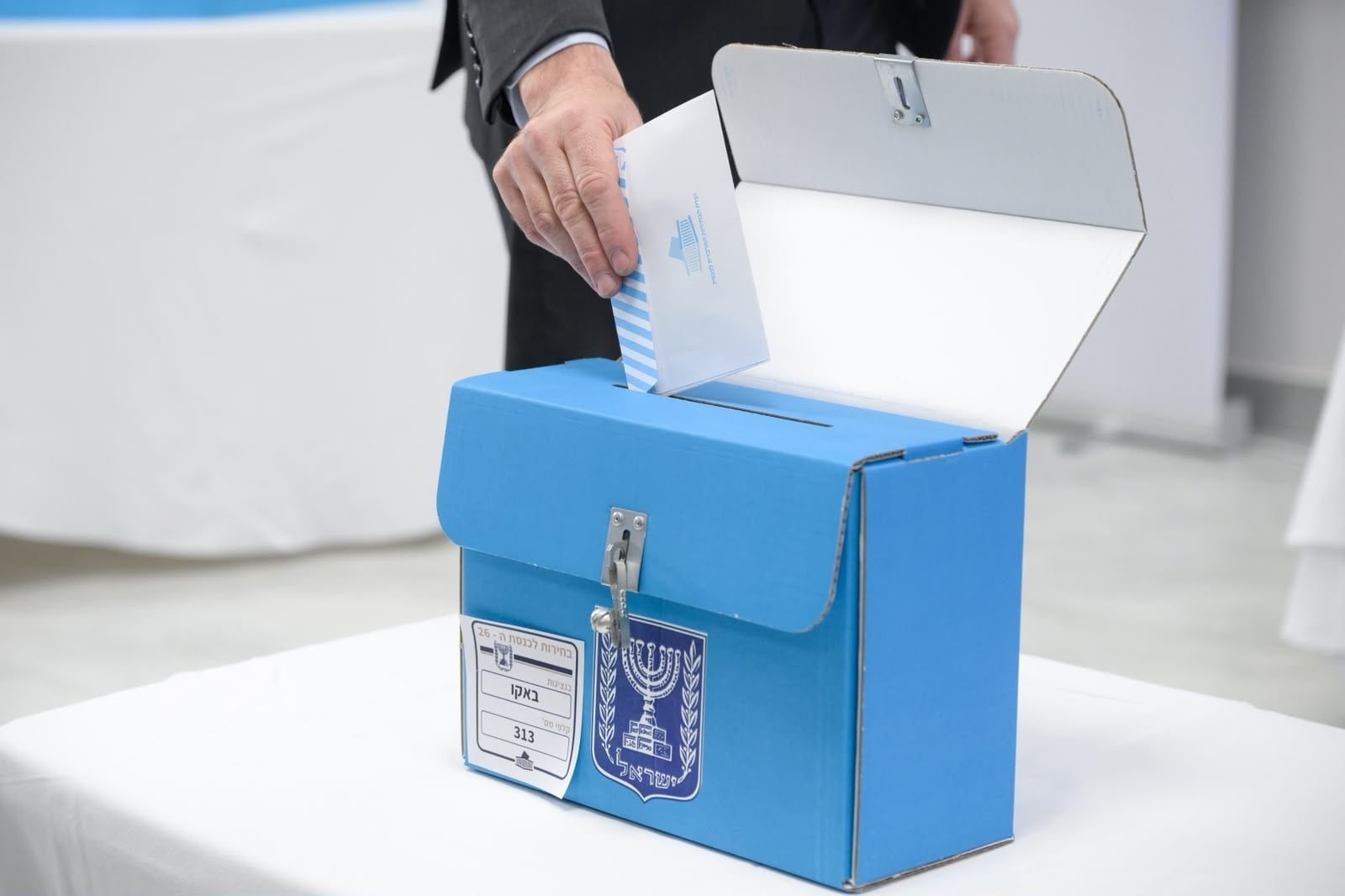
Their impact on the final results, however, will be negligible. According to the CEC, just 4,218 Israelis cast ballots at 101 polling stations across 99 embassies and consulates worldwide — little more than a tenth of the votes needed for a single Knesset seat.
Based on current tallies, Shapira predicted that double-envelope ballots “probably won’t matter a lot” in this year’s closely fought election.
“One seat to the coalition, one seat to the opposition, one less seat to the Arab or the Orthodox parties. It doesn’t really matter,” he said.