Italy approves law against antisemitism that incorporates IHRA definition of term
Opponents claim criticism of Israeli policies and Zionism could be classified as anti-Jewish prejudice, though proponents deny law will do so and note it contains no new penalties
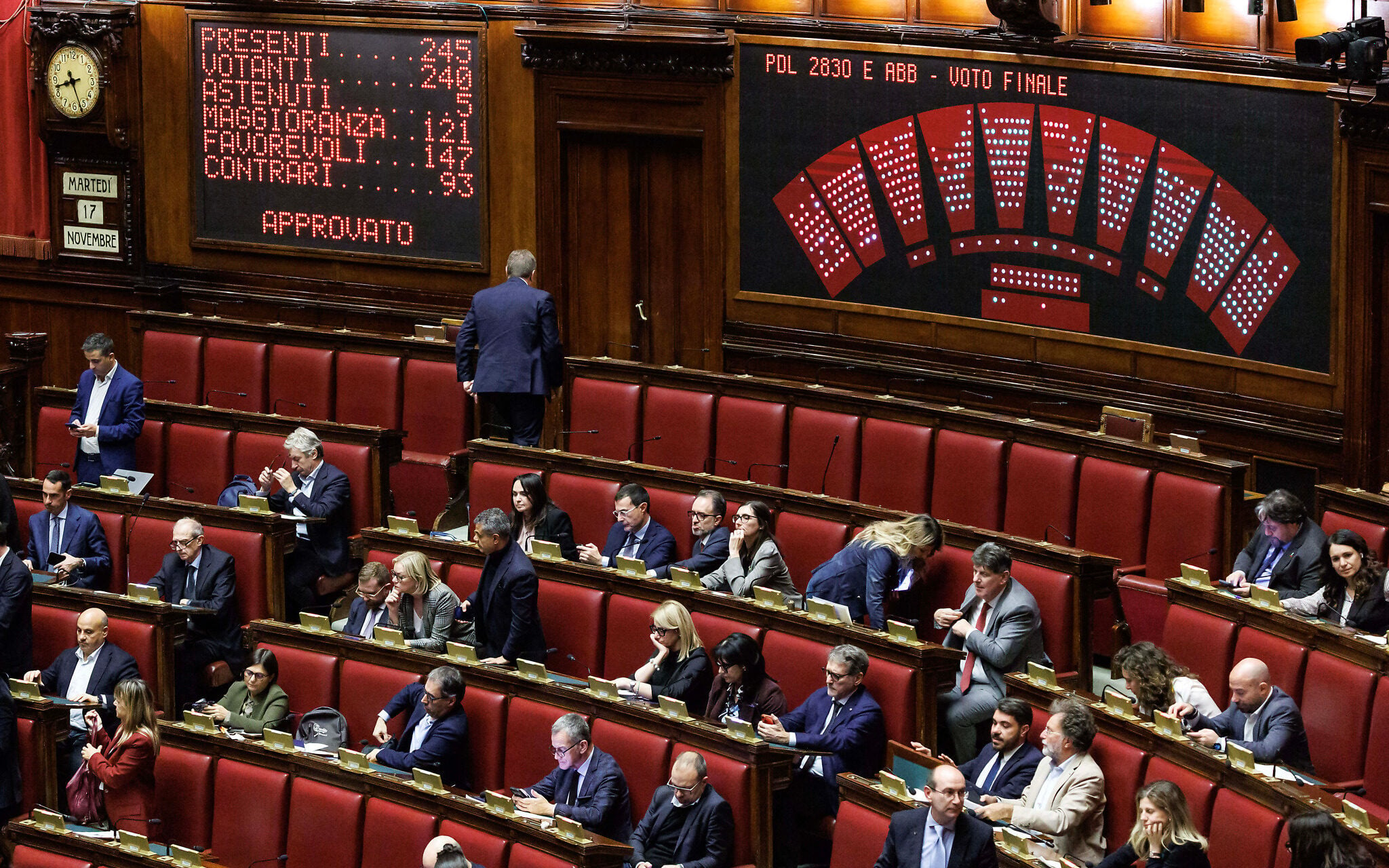
ROME — Italy’s parliament on Tuesday gave final approval to legislation intended to strengthen the country’s fight against antisemitism, but the measure has triggered a bitter dispute over whether it could blur the line between anti-Jewish sentiment and legitimate criticism of Israel.
The measure cleared its final parliamentary hurdle when the Lower House approved it by a vote of 147-93, with five lawmakers abstaining.
Supporters say the bill is a necessary response to a sharp rise in antisemitic incidents and would reinforce tools already used to identify and combat anti-Jewish prejudice. Critics argue that its incorporation of a widely used international definition of antisemitism could end up restricting protected political speech about Israel and the Palestinians.
The debate has taken on added significance since Hamas’s October 7, 2023, attack on Israel and the ensuing war in Gaza, which have fueled both a surge in reported antisemitic incidents across Europe and an increasingly contentious dispute over where criticism of Israel ends and antisemitism begins.
The legislation does not create new crimes or penalties. Instead, it would establish principles for implementing Italy’s existing strategy against antisemitism and formally reference the working definition adopted by the International Holocaust Remembrance Alliance, or IHRA.
At the heart of the dispute is whether criticism of Israel can sometimes cross the line into antisemitism.
“Criticism of the government is absolutely accepted and encouraged. But questioning the existence of the State of Israel is another matter,” said Mario Venezia, president of Rome’s Shoah Museum Foundation and a supporter of the bill.
Venezia noted the legislation would not restrict criticism of Israeli policies and said that proposals for criminal sanctions were removed during parliamentary debate. The bill, he said, is primarily a statement of political commitment against antisemitism rather than a punitive measure.
Opponents say the problem lies in elevating the IHRA definition into legislation.
“The fact that this law anchors all the activities and measures it provides for to this definition constitutes the main problem for us,” said Anneliese Baldaccini, senior head of lobbying and policy at Amnesty International Italy.
Baldaccini said Amnesty has long opposed adoption of the IHRA definition because some of its accompanying examples could be interpreted in ways that restrict forms of political expression protected under international human rights law.
She said critics have pointed to cases, particularly in university settings abroad, where the definition was allegedly used to suppress debate about Israel and the Palestinians.
The disagreement reflects a broader international debate over the IHRA definition, which describes antisemitism as “a certain perception of Jews, which may be expressed as hatred toward Jews.” Examples accompanying the definition include denying Jews the right to self-determination, comparing contemporary Israeli policies with those of Nazi Germany and holding Jews collectively responsible for Israel’s actions.
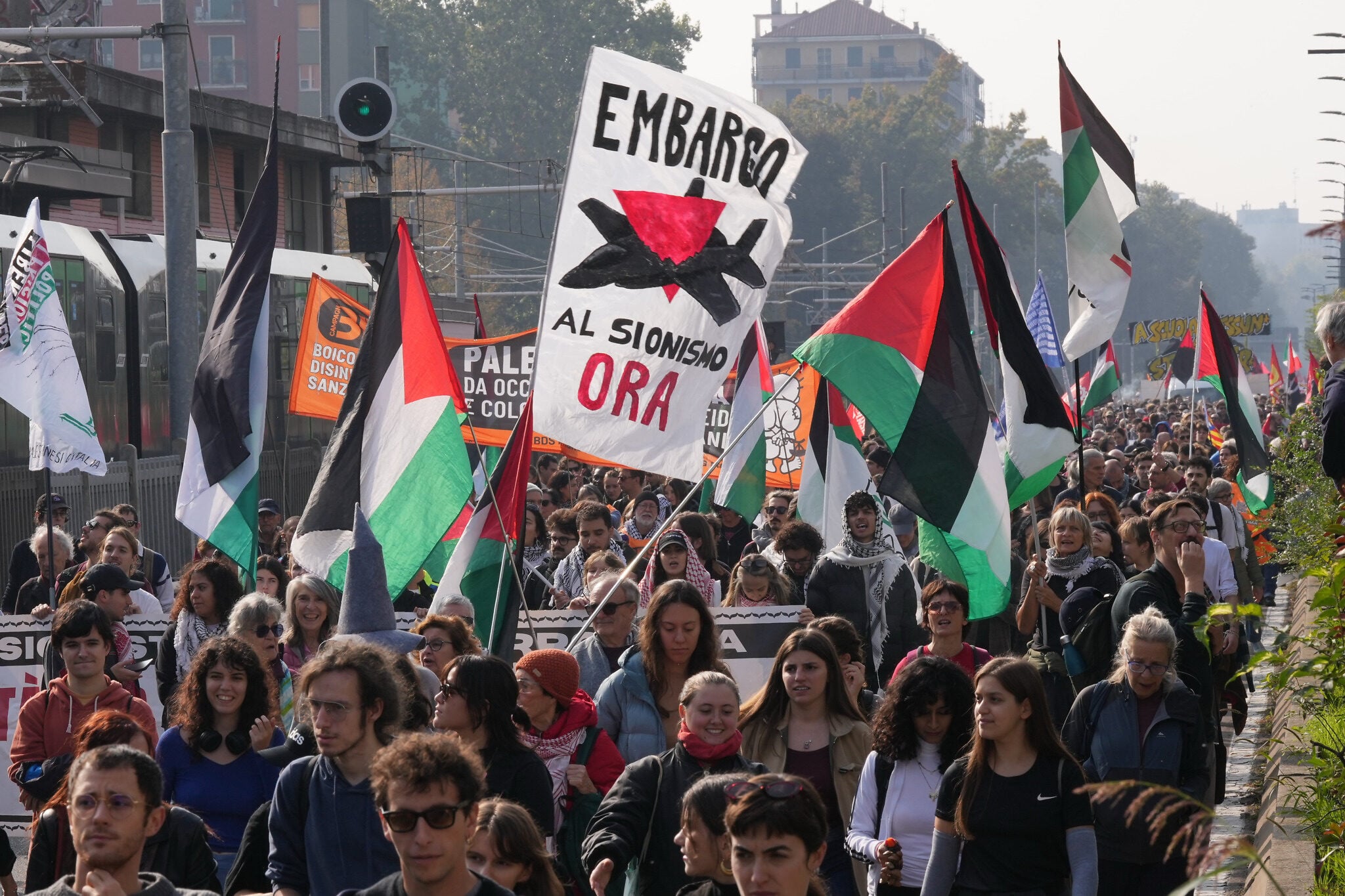
Angelo Bonelli, co-leader of the left-wing Alleanza Verdi e Sinistra (AVS) party, told AFP ahead of the vote he would be voting against the legislation, calling it a “gag law.”
Opposition parties have instead pushed for the 2021 Jerusalem Declaration on Antisemitism — drafted by scholars of antisemitism and Holocaust studies, including many Israeli experts — which seeks to draw a sharper distinction between antisemitism and criticism of Israel. Its guidelines state that support for boycotts of Israel, criticism of Zionism as a form of nationalism and evidence-based criticism of Israeli policies are not, by themselves, antisemitic.
But the issue has divided the opposition, including the main center-left Democratic Party (PD).
Filippo Sensi, a PD senator, has called the bill “balanced” and said nobody would be prosecuted for expressing strong criticism of the Israeli government.
“It saddens me greatly that the fight against antisemitism in our country has become a source of division,” he said.
Giulio Terzi di Sant’Agata, a senator from Prime Minister Giorgia Meloni’s Fratelli d’Italia party, rejected criticism of the new law.
The law “does not limit freedom of speech, political opinions or criticism” of Israel’s government, he said.
The legislation also provides for a three-year national strategy against antisemitism, including measures to monitor incidents, tackle online hate and promote education on the matter.
The debate comes as antisemitic incidents remain at historically high levels in Italy. The CDEC Foundation’s Antisemitism Observatory recorded 963 incidents in 2025, about 10% more than the previous year, more than double the number reported in 2023 and five times the 2022 level. Researchers say similarly elevated levels have continued into 2026.
The clash has exposed divisions within Italy’s center-left opposition and mirrors a wider debate globally over how to combat antisemitism while preserving space for criticism of Israel.
Thousands of entities around the world, including the US State Department, major companies and colleges, have officially recognized the IHRA definition, with groups including the American Jewish Committee supporting it. However, the US Congress has declined to do so.