Jewish heirs seek to halt $180 million Van Gogh auction over alleged Nazi-era forced sale
Fischer family descendants say 1936 transaction was driven by persecution; Sotheby’s says research has not established the painting was sold under duress
The descendants of the Jewish former owners of a Vincent van Gogh painting were asking Sotheby’s to pull the work from an auction scheduled for Wednesday night, arguing that their family sold it under duress from Nazi persecution in 1936, The New York Times reported Friday.
“Châtaigniers en Fleurs,” or “Blossoming Chestnut Trees,” in English, was painted in 1890 and was expected to fetch around $180 million.
The $180 million estimate was the highest for any work being offered during the season’s major art auctions and, if achieved, would surpass the auction record for a Van Gogh. Sotheby’s had also guaranteed the work, assuring the seller of a minimum price.
The painting had entered the Fischer family collection in 1909, when prominent German publisher Samuel Fischer bought it from a Paris gallery. Fischer founded S. Fischer Verlag, whose authors included Thomas Mann, Hermann Hesse and Alfred Döblin. After his death in 1934, his son-in-law, Gottfried Bermann Fischer, took over the publishing house.
As the Nazis tightened their grip on Germany, many writers published by the company were banned. Bermann Fischer subsequently left Berlin for Vienna and attempted to continue publishing their work there.
The family deposited the Van Gogh with art dealer Walter Feilchenfeldt, who ultimately sold the painting to a Paris collector in 1936; it then passed through several owners before being acquired in 1975 by the Argentine collectors whose collection is now being auctioned, the Times reported.
Unveiled: A treasure from Van Gogh’s final days, not seen in public in over 60 years. ‘Châtaigniers en fleurs’ is the centerpiece of an unparalleled collection of Impressionist and Post-Impressionist masterpieces that will headline The New York Sales: https://t.co/47KVWjPy5D… pic.twitter.com/uycV32R3Jw
— Sotheby's (@Sothebys) September 30, 2026
The heirs argue that the family’s circumstances under Nazi persecution were directly connected to the eventual 1936 sale of the Van Gogh. The Nazis restricted what Jews were permitted to take with them when leaving Germany, and the Fischer family was forced to pay the” Reich flight tax,” according to research by the heirs’ attorney, Gunnar Schnabel.
Before its sale, the Van Gogh had also appeared in exhibitions outside Germany. It was shown in Rotterdam in 1933 and in Bern the following year.
Schnabel urged Sotheby’s to prove that the 1936 sale of the paining was sold at market value and that it would have sold even without the pressure created under Nazi rule. “Otherwise,” he wrote in a November 12 email seen by the Times, “no auction may take place.”
Schnabel said his client “is prepared to work toward a fair and just solution in the spirit of the 1998 Washington Principles,” a non-binding set of 11 guidelines on how to approach artwork that was stolen from Jews by the Nazis.
Sotheby’s acknowledged the claim and said it had researched the painting’s ownership history, but had not concluded that the 1936 transaction was a forced sale.
“While our research to date has not established that the painting was sold under duress, we recognize the importance of engaging thoughtfully and constructively with the family and are committed to working toward a mutually satisfactory resolution,” the auction house said according to the report.
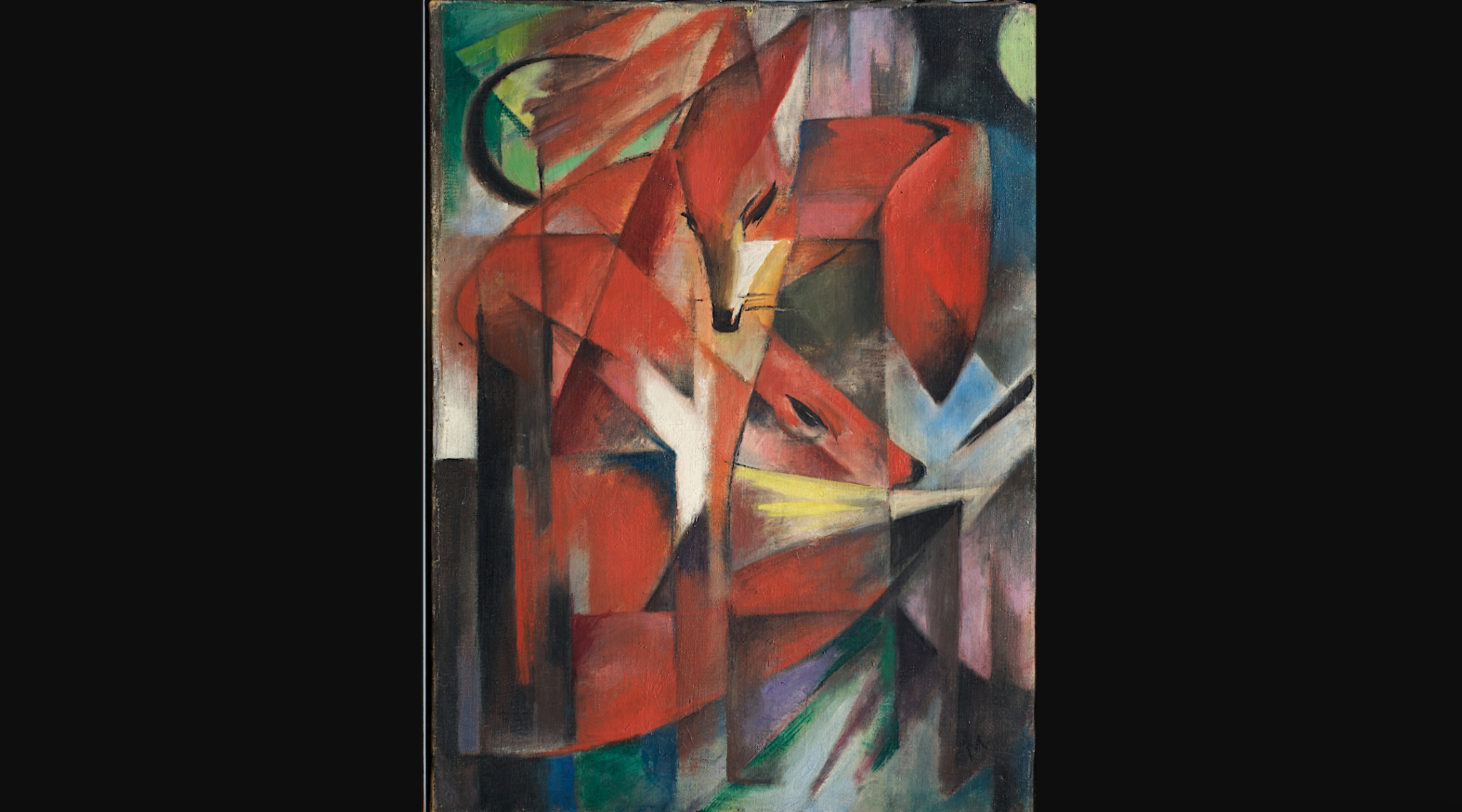
The question of whether a sale outside Nazi-controlled territory can nevertheless constitute a persecution-related loss has arisen in other restitution cases. In 2021, Düsseldorf agreed to return a Franz Marc painting to the heirs of a Jewish owner who sold it in New York after fleeing Nazi Germany, with a German restitution commission finding that the location of the sale did not negate the role Nazi persecution played in forcing him to part with the work.
After World War II, Fischer’s ownership of the publishing house was restored, but he did not seek restitution for his sold paintings in the Netherlands due to lack of a legal basis for compensation for art sales in countries not under Nazi rule at the time of such deals.
The Times noted that restitution practice has evolved in recent years, with greater attention paid to whether Nazi persecution compelled Jewish owners to sell works even outside Nazi-controlled territory
The Fischer family had previously raised similar concerns over another painting entrusted to Feilchenfeldt and sold in 1936. When Christie’s prepared to auction a Cézanne portrait in 2007, Gottfried Bermann Fischer’s daughter Gisela said she would not oppose that particular sale, but explicitly reserved the family’s right to pursue claims over other works her father had sold under duress from Nazi persecution.
“Blossoming Chestnut Trees” had meanwhile remained out of public view for more than six decades. The work depicts a large flowering chestnut tree, with three women carrying parasols walking beneath it as a lone man approaches from the opposite direction.
Sotheby’s had not said whether the painting would remain in Wednesday night’s auction as scheduled.