Knesset advances Oct. 7 inquiry, Haredi draft and premiership bills for Wednesday votes
Eisenkot bloc pushes limits on indicted prime ministers as Netanyahu allies seek to shield draft evaders; new panels include Arab crime committee headed by Ra’am chief Abbas
The Knesset Presidium, which determines the parliament’s weekly agenda, approved a series of bills for preliminary votes on Wednesday, including legislation advanced by the Eisenkot-led bloc to establish a state commission of inquiry into the failures surrounding the October 7, 2023, Hamas-led onslaught and to restrict the circumstances under which individuals facing criminal charges can serve as prime minister, alongside a bill backed by the Netanyahu bloc to prohibit the arrest of ultra-Orthodox military draft evaders.
The bloc led by MK Gadi Eisenkot has faced criticism from bereaved families for failing to prioritize legislation establishing a state commission of inquiry — one of its core promises leading up to the election.
While the bloc has since moved to advance other legislative priorities, including by establishing dedicated committees, it has taken no comparable steps on the inquiry bill.
This is understood to be in part because a state commission of inquiry can only be established by a government decision, meaning an alternative route would require new legislation, a potentially lengthy process in the face of Eisenkot’s limited time to form a government.
The bill concerning the premiership, sponsored by Yisrael Beytenu MK Oded Forer, would bar indicted politicians from being able to form a government and remove a sitting prime minister from office if they are indicted on serious charges involving moral turpitude. It would also repeal a 2023 law passed by Prime Minister Benjamin Netanyahu’s government sharply restricting the circumstances under which a sitting prime minister can be declared incapacitated, widely seen as intended to shield Netanyahu from losing his seat due to his ongoing corruption trial.
Knesset members will also vote on a bill to repeal a law, passed by the previous government, giving the justice minister control over internal investigations of the police.
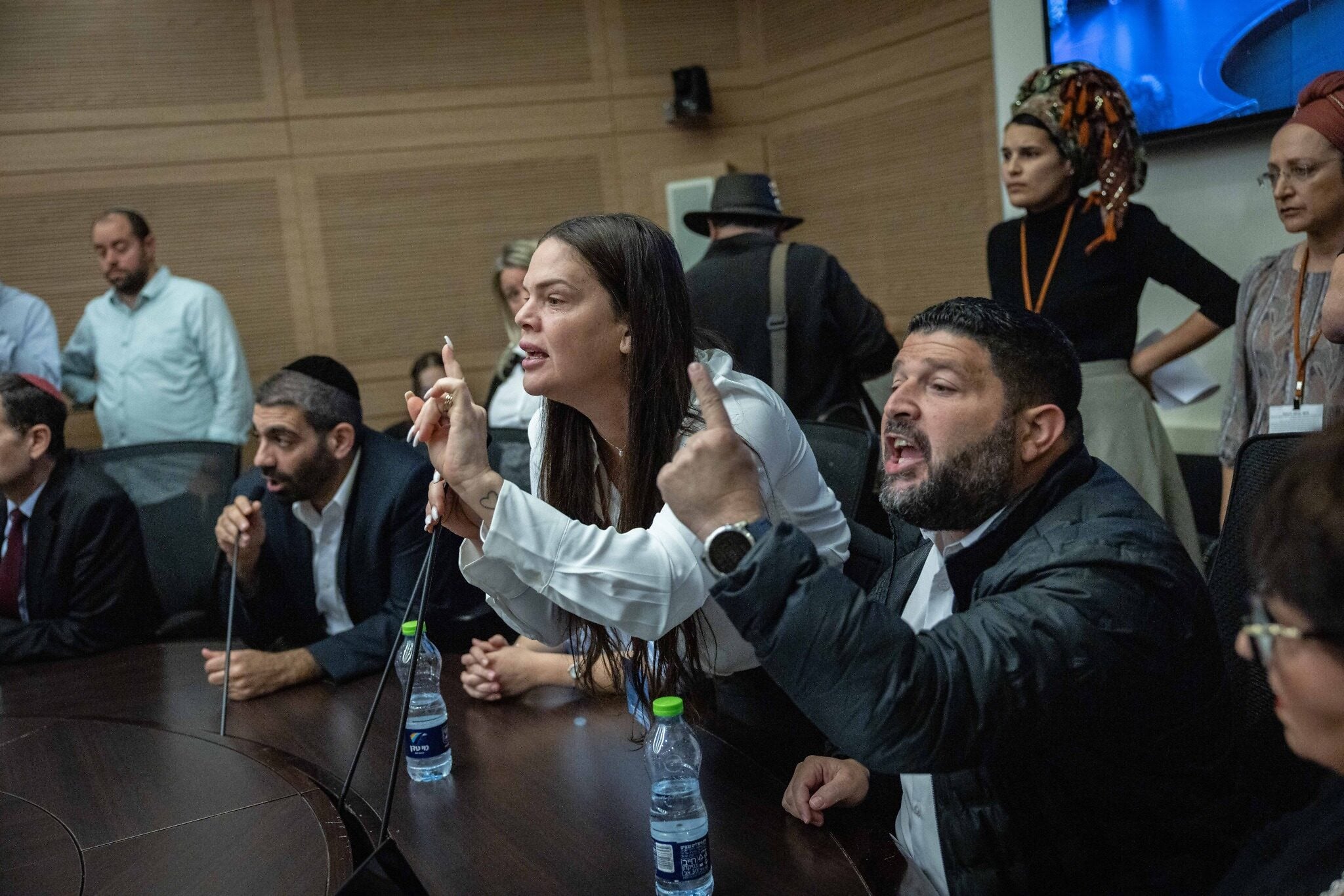
Meanwhile, the ultra-Orthodox parties, with the backing of Netanyahu’s bloc, are set to advance legislation prohibiting the arrest of military draft evaders, potentially presenting a dilemma for Eisenkot’s bloc, which is seeking to secure Haredi support in its efforts to form a government.
A bill tightening restrictions on loudspeakers in mosques, long lobbied for by far-right National Security Minister Itamar Ben Gvir’s Otzma Yehudit, will also be on the agenda.
Separately on Monday, the Knesset Arrangements Committee approved the establishment of five special committees, including four oversight panels, two of which will be chaired by leaders of Arab-majority parties: Ra’am head Mansour Abbas will lead a panel on combating crime and violence in Arab society, and Joint List head Yousef Jabareen will chair the socioeconomic equality panel.
The appointments fulfill a demand made by the Arab-majority parties in exchange for supporting the Eisenkot-led bloc’s parliamentary agenda. The Knesset plenum must still approve the committees.
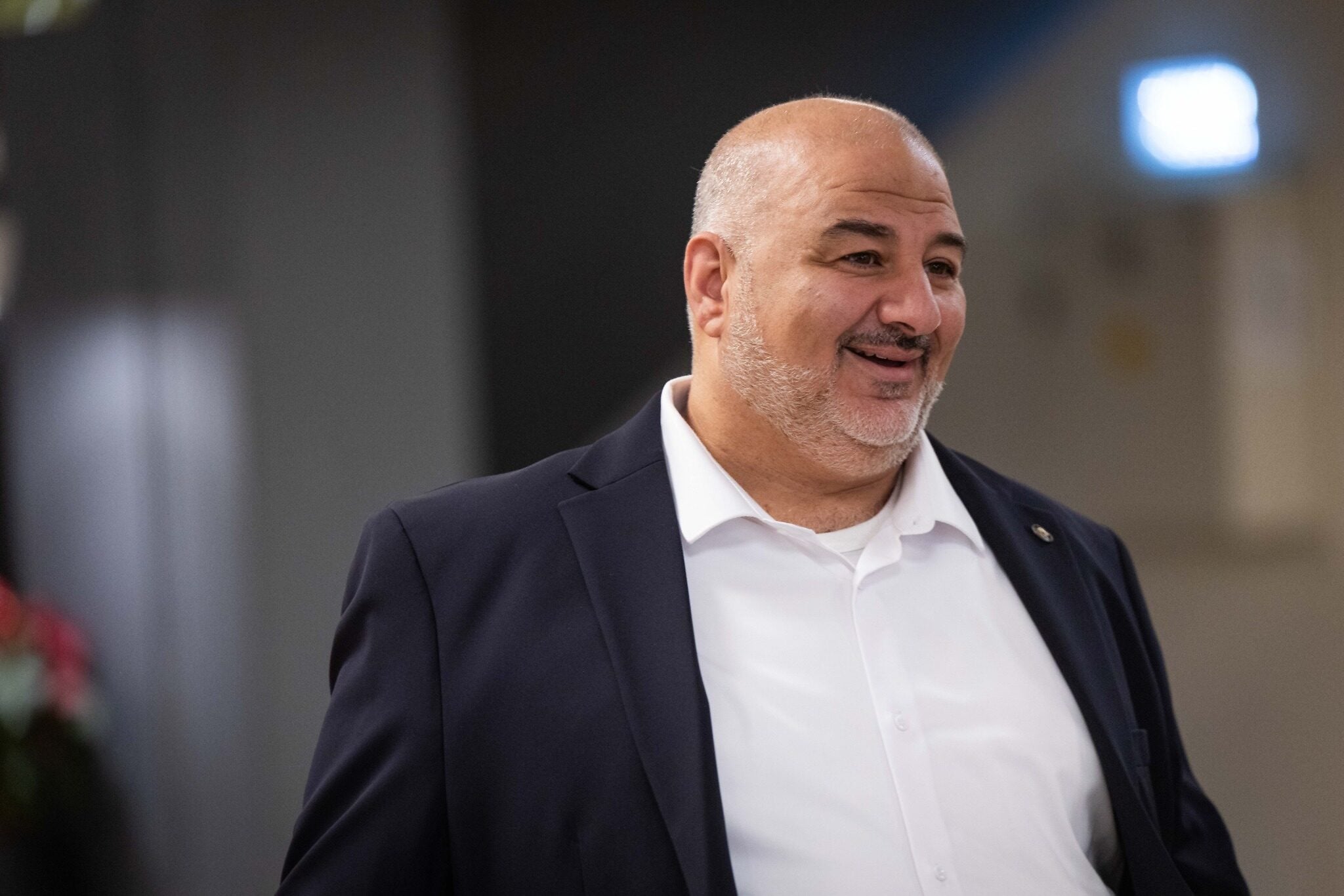
Abbas’s panel will oversee efforts to tackle organized crime, extortion, and illegal weapons, as well as government programs to improve personal security and strengthen law enforcement in Arab towns. Jabareen’s committee will oversee a multi-year plan for Arab towns, programs for at-risk youth, and planning and construction, including industrial zones and residential neighborhoods.
Other new panels include one overseeing implementation of the law establishing a military tribunal for suspects in the October 7, 2023, massacre to be chaired by Yisrael Beytenu MK Yulia Malinovsky, who co-sponsored the bipartisan legislation, and another overseeing the rehabilitation of the Negev and Galilee to be led by B’Yachad MK Noam Tibon. Each oversight committee will have 13 members.
The Arrangements Committee also approved a separate 15-member committee to consider repealing the attorney general law, to be chaired by bill sponsor Democrats MK Efrat Rayten. The bill would restore the attorney general’s authority and independence, reversing a law passed by Netanyahu’s government that permits ministers to disregard her legal opinions and gives the coalition effective control over appointing and dismissing the person holding the position.
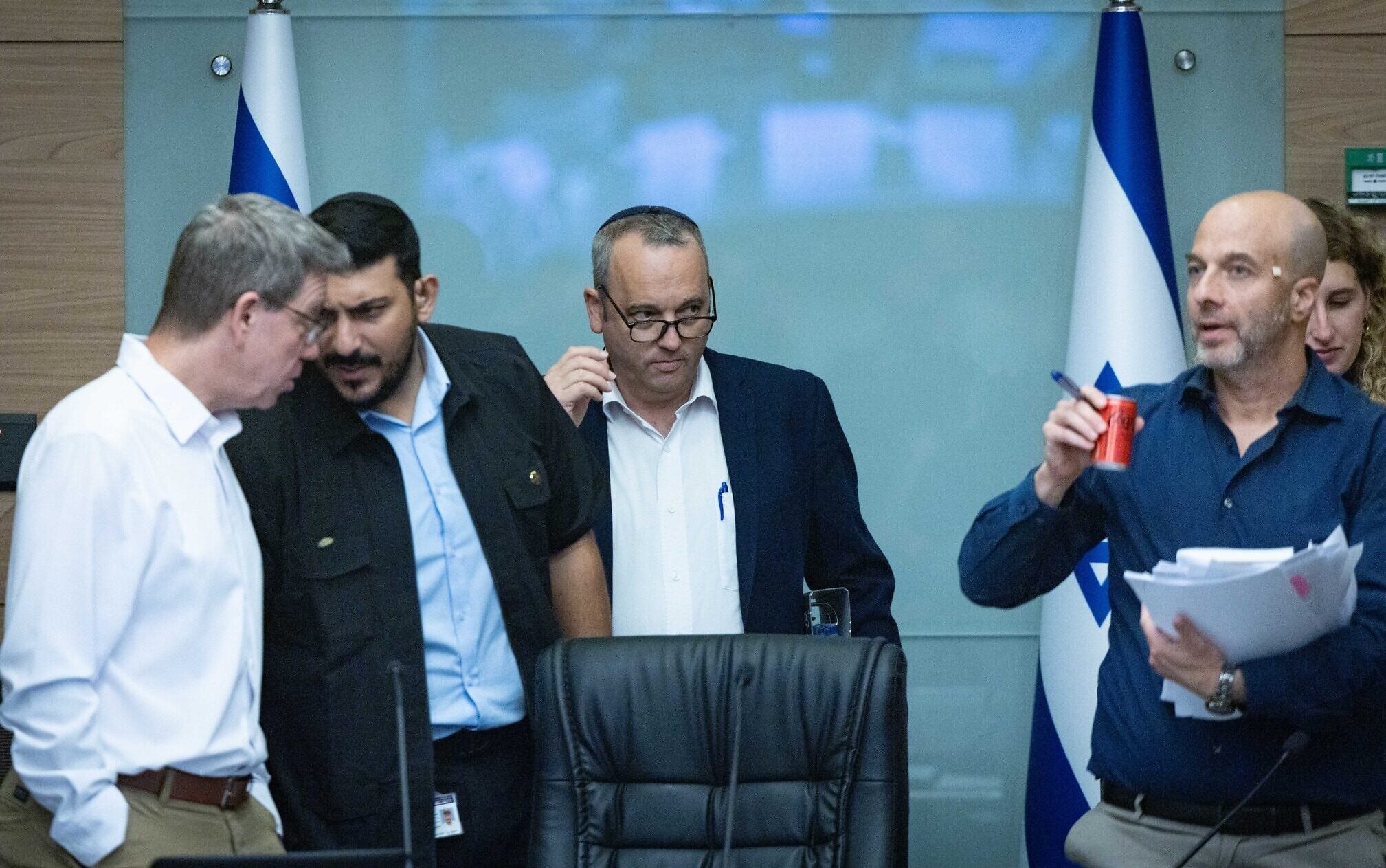
The establishment of the separate committee followed Knesset Legal Adviser Sagit Afik’s decision on Sunday that the bill should be removed from a special committee chaired by Democrats MK Gilad Kariv, which is tasked with repealing the previous government’s judicial overhaul, due to a potential conflict of interest. Kariv is under investigation for alleged leaks of classified information, and the attorney general is to decide whether to indict him or close the case. His committee will continue to consider other bills to reverse judicial overhaul legislation, including one that politicized the appointment of judges.
The Knesset’s temporary special committee tasked with repealing Communications Minister Shlomo Karhi’s controversial media overhaul elected Yashar MK Merav Ben Ari as its chair, with eight votes in favor and two against, after a heated debate.
Karhi’s law, which significantly expanded government control over broadcast media and the news sector, passed in July but has since been partially frozen by the High Court of Justice.
Afik, who repeatedly warned of serious procedural flaws as the overhaul advanced under Netanyahu’s government, sharply criticized the legislative process that was used to pass the law.
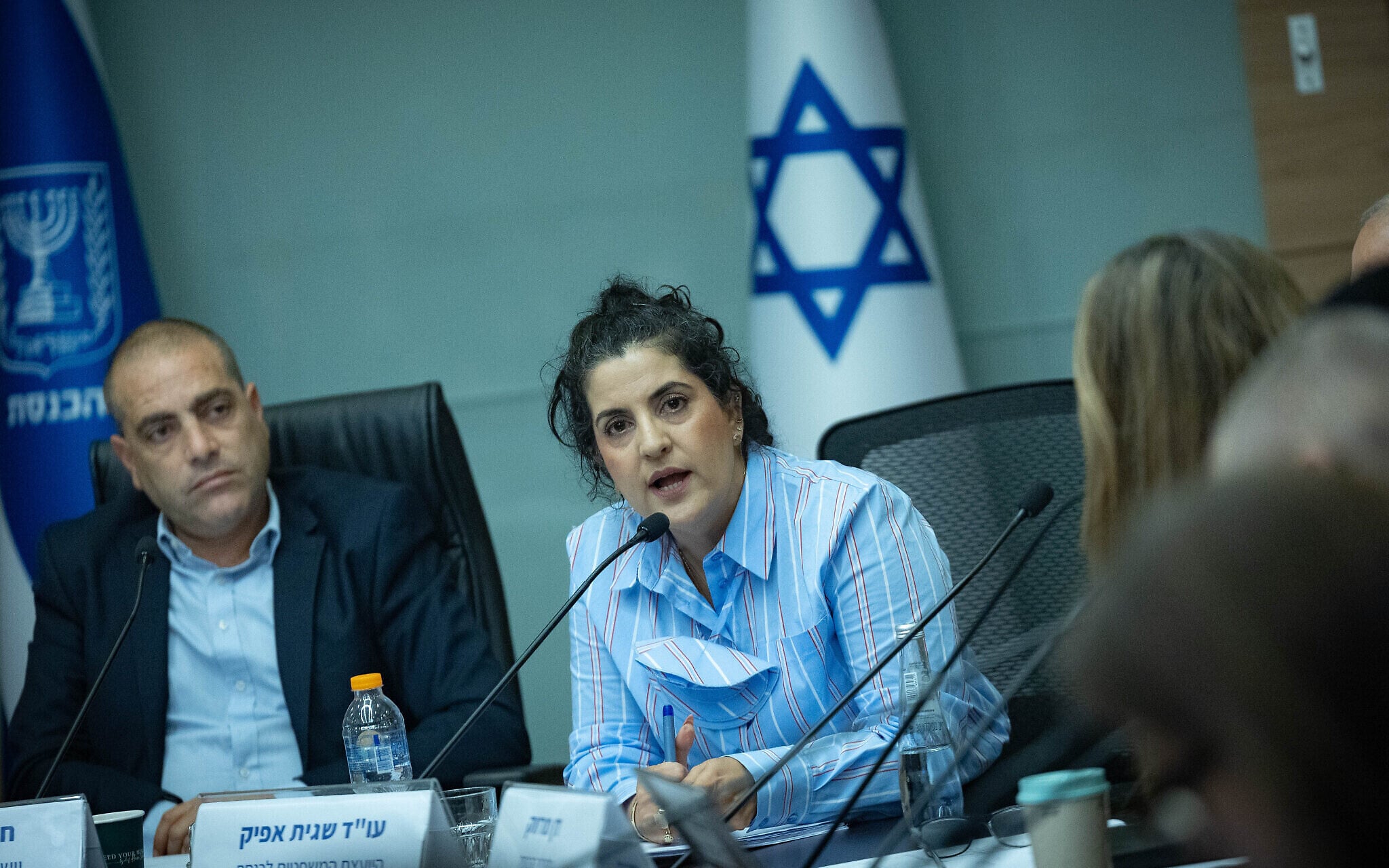
“I have been at the Knesset for 25 years, and I have never seen a legislative process like this,” she said. Afik cited difficulties obtaining professional answers from government ministries and the failure to provide requested economic data. “We did everything we could to help the committee remedy the flaws, but the way it conducted itself did not allow that.”
Karhi interjected, calling Afik a “political adviser.”
A bill sponsored by B’Yachad MK Eitan Ginzburg and other lawmakers would repeal the overhaul and restore the previous regulatory framework. Its sponsors cite serious procedural flaws and insufficient professional and legal scrutiny during the law’s passage.
The bill passed a preliminary reading last week and was assigned to the temporary committee, which is set to begin deliberating on it later on Monday and prepare it for subsequent readings.
Times of Israel staff contributed to this report.