Knesset panel flags national security fears over Zim’s sale to German shipping rival
Lawmakers caution that Zim played a vital role for Israel's economy and security during the war, including with emergency logistics and national military and security planning
The Knesset Economic Affairs Committee on Sunday conducted a heated discussion questioning whether Israel’s national strategic interests will be served if the government agrees to a proposed sale of local Zim Integrated Shipping Services to German shipping giant Hapag-Lloyd.
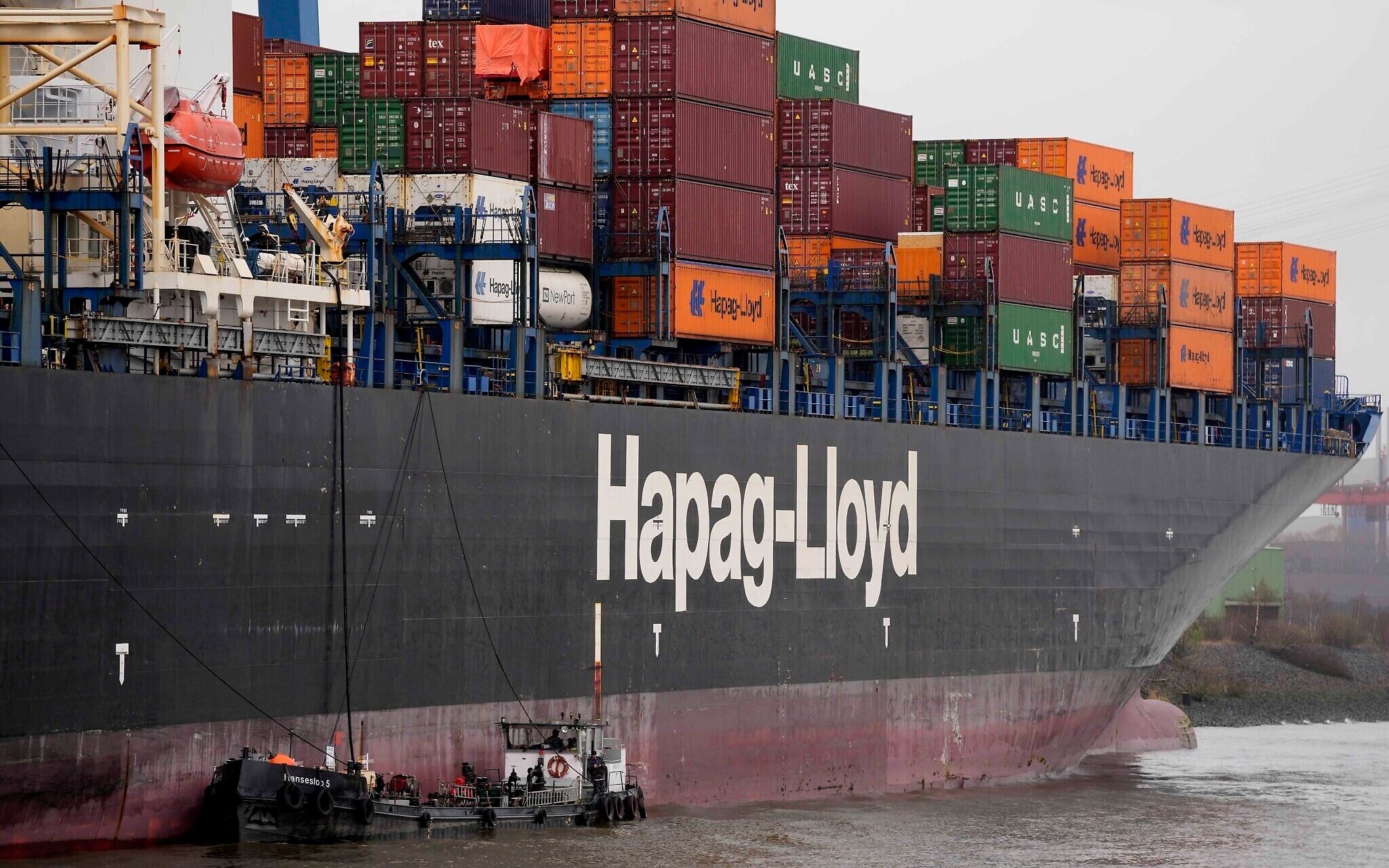
The discussion comes a week after Hapag-Lloyd signed an agreement, alongside Israeli private equity fund FIMI Opportunity Funds, to buy the Haifa-based shipping rival, Zim, in a deal worth $4.2 billion. As part of the deal, FIMI will take ownership of a portion of Zim’s business related to the shipping firm’s Israel operations and form “New Zim.”
With a fleet of 16 vessels, the Israeli container shipping company will be created to serve global trade routes into Israel, mainly between the Eastern Mediterranean and the US. Hapag-Lloyd will take control of Zim’s international operations, including shipping routes between East Asia and the Americas, and between Asian ports.
During the discussion, MK Oded Forer, who initiated the committee meeting, and other participants raised concerns about Israel’s dependence on foreign-owned shipping for critical trade routes, especially during emergencies. Among Hapag-Lloyd’s shareholders are Qatar Holding, a subsidiary of Qatar’s sovereign wealth fund, which owns a 12.3 percent stake, and Saudi Arabia’s Public Investment Fund, which has a 10.2% stake.
Forer said that the structure of the deal raises serious questions about whether a slim and small new Zim will be able to fulfill the national responsibility of an Israeli shipping company.
“Zim is not an ordinary commercial company,” said Zim workers’ committee chairman Oren Caspi. “During wartime, Zim’s vessels served as a vital channel for supplying ammunition, food, and medicine to the State of Israel.”

“If we need to bring containers from Korea, or from India, to Israel, we will still be dependent on Hapag-Lloyd, which means that selling Zim to a foreign shipping company would seriously compromise the state’s ability to act independently in times of emergency,” Caspi warned.
Zim is a strategic national asset, and therefore the Israeli government holds a special state share, also known as a “golden share,” in the shipping company, which, if the transaction is approved by Israeli officials, will be transferred to a FIMI subsidiary. The golden share requires Zim to maintain a presence in Israel, including 11 vessels that must remain Israeli-owned.

Also speaking at the committee meeting, Defense Ministry representative Shai Halperin cautioned that since the Hamas-led invasion and massacre that sparked the war on October 7, 2023, Israel has been facing de facto and silent arms embargoes by European countries, making shipments of military cargo at ports more challenging.
“Since October 7, we are in a security crisis, and Zim has provided a response where needed,” said Halperin. “It is important that we can continue doing this; otherwise, we will not be able to bring here what the IDF and the defense establishment need.”
“Wars no longer end in six days, and therefore it is very important that the State of Israel safeguards its vital security interests,” Halperin emphasized.
When asked by Knesset Economic Affairs Committee Chairman David Bitan whether New Zim will be a lifeline in the next war and will be able to provide for all of the state’s needs, FIMI founder and CEO Ishay Davidi replied: “Yes.”
“Zim has twice been on the brink of bankruptcy in the past and did not meet the conditions of the golden share, while the New Zim company will make money from day one,” said Davidi. “We will not allow for a situation where New Zim would not meet the requirements of the State of Israel.”
“New Zim will meet maritime and economic security needs and will be built as a very strong company with equity of $700 million and no debt at all,” Davidi added.
Bitan concluded the discussion by asking the Israel Companies Authority to conduct a preliminary review with FIMI to verify that New Zim will be able to meet golden share conditions and what guarantees it will provide.
“We would not have entered into the deal if we had not met all the conditions that the state requested,” said Davidi.