Leaked wedding video lays bare luxury that highlights hypocrisy of Iran’s political elites
Islamic Republic riled by leaked footage of Ali Shamkhani, who oversaw harsh repression of 2022 protests, leading his daughter Fatemeh down aisle at lavish, Western-style wedding
THE CONVERSATION via Reuters — A short video of a private wedding went viral in Iran recently, tearing away the country’s veil of piety and exposing hypocrisy and a seeming disregard for the rules by which the theocratic regime requires that most Iranians live their lives.
The wedding in question, which took place in mid-2024 at the luxurious Espinas Palace Hotel in Tehran, was that of Fatemeh Shamkhani. She is the daughter of Ali Shamkhani, a close adviser to Iran’s supreme leader, Ali Khamenei.
She wore a low-cut strapless dress with a western-style bridal veil rather than the full head covering mandated for Iranian women. Many wedding guests also wore modern Western styles, and a lot of the women went without head coverings.
The video displayed images that were starkly dissonant, revealing the significant class and moral divides within the Islamic Republic and contradicting Iran’s values of revolutionary simplicity and Islamic modesty.
That it was Shamkhani’s family wedding made matters worse. A former commander of the regime’s Revolutionary Guards, he is a key power broker in Iran who has the ear of Khamenei himself.
He was also involved in recent years in the savage crackdown on public protests, acting in defense of the same security and morality laws his family was seen so lavishly violating at the wedding celebration.
More than a mere scandal, the event functions as a potent symbol of a systemic crisis. It has highlighted the triple ailments of elite privilege, selective morality and a rapidly eroding social contract between the ruling class and the people of Iran.
Shamkhani is part of a wealthy group at the center of power in Iran that enjoys many privileges but imposes strict religious and moral rules on ordinary citizens.
In recent years, the wealthiest people have become steadily richer. According to Forbes magazine, in 2020 the number of high net worth people in Iran grew by 21.6 percent against a global average of 6.3%.
The emerging ruling elites maintain their wealth through oil revenue, state contracts and shadowy economic activities that enable them to evade sanctions.
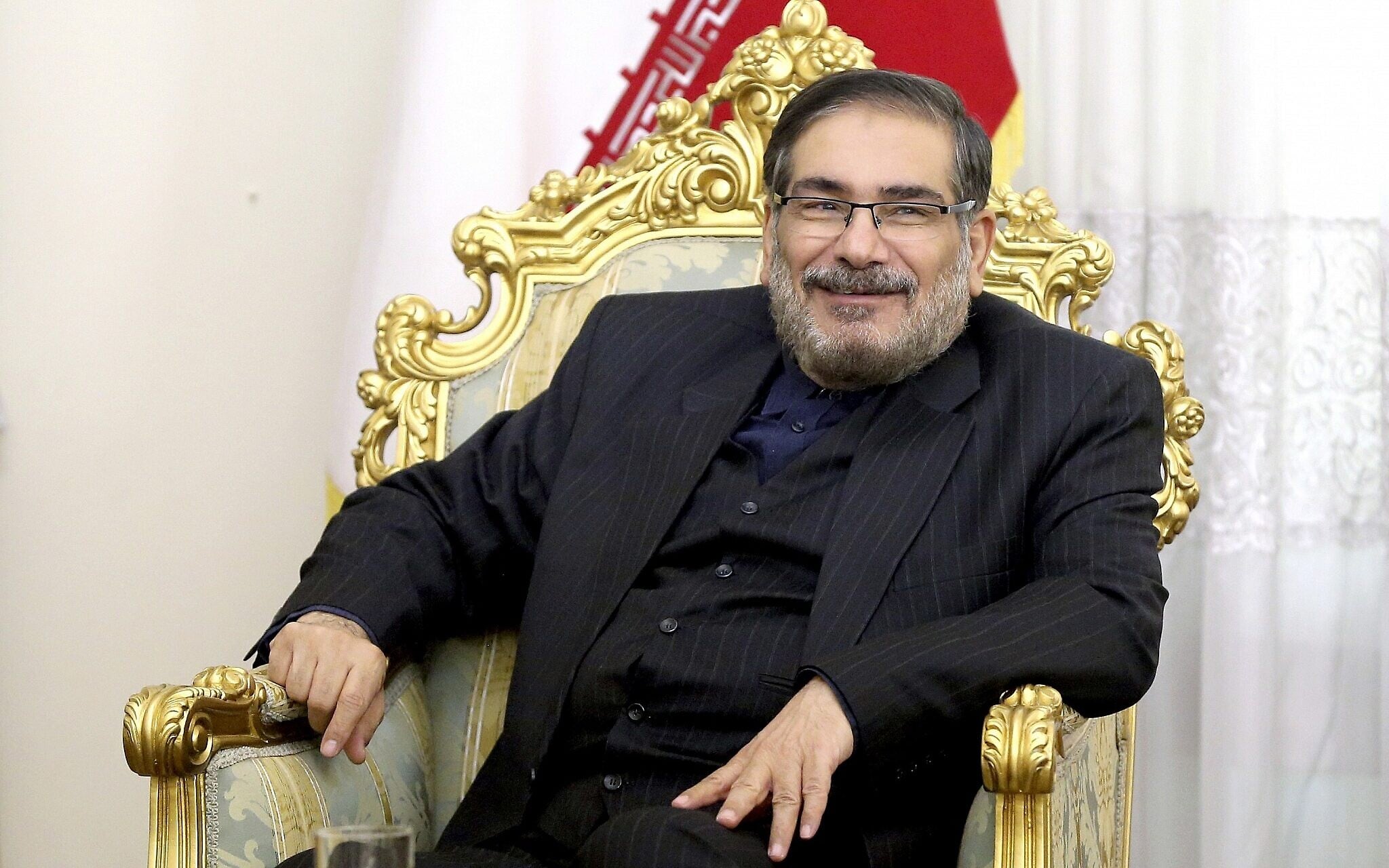
The Shamkhani family itself was identified and sanctioned earlier this year by the US Treasury as controlling a vast shipping empire involved in transporting oil from Iran and Russia in breach of US sanctions.
Meanwhile, millions of Iranians are facing severe economic hardships due to hyperinflation, stagnant wages and currency devaluation. To the 36% of Iranians living below the poverty line, it is deeply offensive to witness senior officials’ families flaunting their extravagant wealth.
Tale of two Irans
Since the 1979 Revolution, Iran has maintained its legitimacy through its mission to reshape public conduct by enforcing rules such as hijab requirements and sex segregation. The state maintains complete authority to regulate female bodies.
So the Shamkhani wedding, with its ostentatious luxury, its low-cut gowns and lack of head coverings, felt to many Iranians as showing complete disregard for laws that the regime’s “morality police” uses to enforce strict rules on ordinary women. The rules exist to control, but they do not apply to those at the top of the tree.
This incident is significant in the context of the “woman, life, freedom” protests of recent years. These were sparked in 2022 by the death in custody of Mahsa Amini, a young Kurdish woman who had been arrested for not wearing her hijab properly. Since then, many Iranians, particularly young people, have openly defied the hijab law.
In response, the government has stepped up its enforcement efforts. But Iran is struggling to address significant shifts in generational attitudes and a substantial decline in its legitimacy.
The state is attempting to establish a degree of control that may be impossible to achieve. It cannot force millions of women, who have courageously rejected a law, to return to compliance.
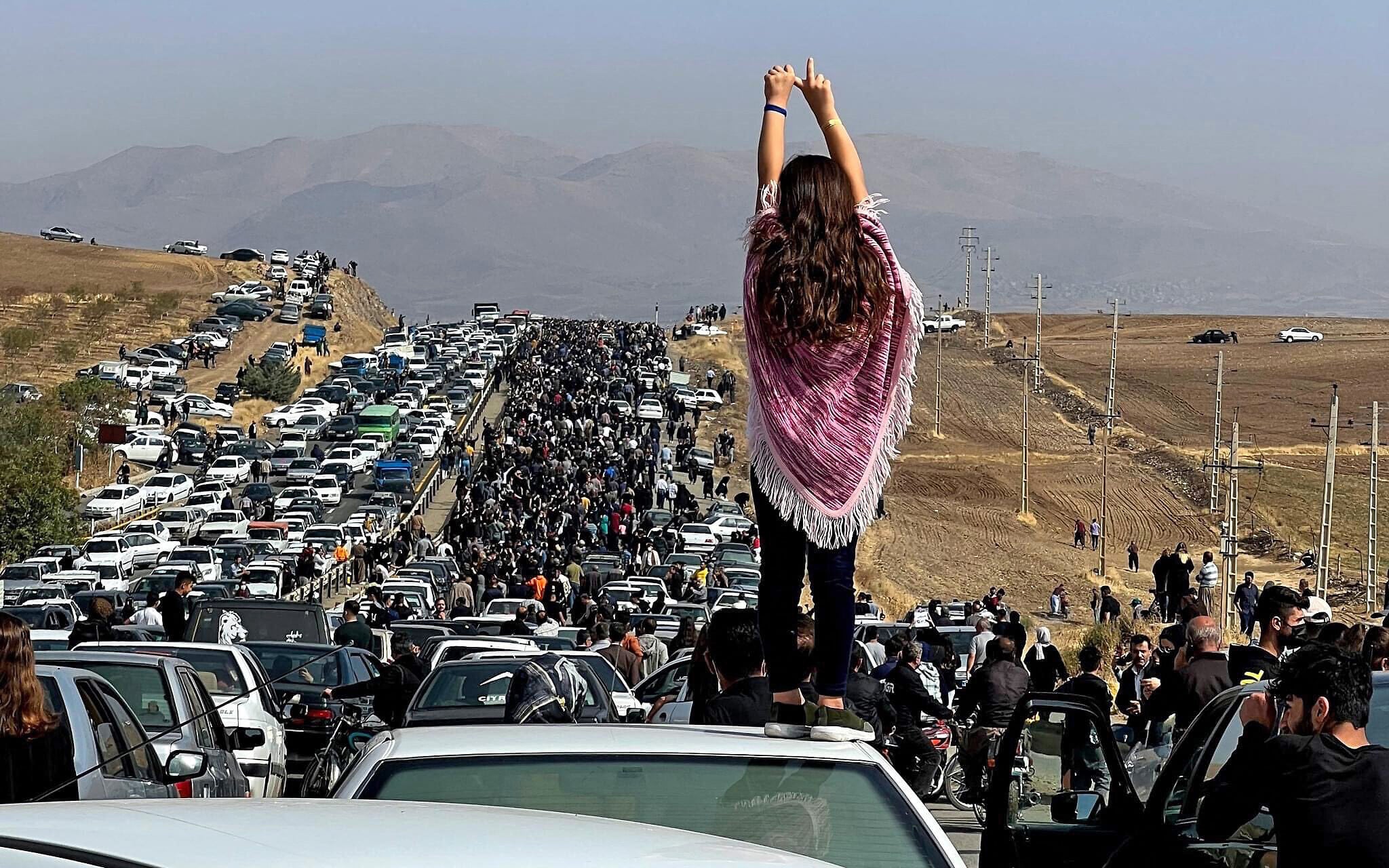
The continuing defiance of Iranian women is a powerful sign that the identity of Iranian society has evolved beyond the state’s ability to dictate it.
Additionally, the viral nature of the leaked video is significant. In an era characterized by the prevalence of smartphones and encrypted messaging applications, the regime finds itself unable to exert control over the narrative.
The video spread rapidly inside Iran, prompting a great deal of outrage and extensive commentary criticizing the powerful elites.
Infighting at the top
There has also been some speculation that the leaking of the Shamkhani wedding video is part of a power struggle at the top.
It’s been reported that the supreme leader has appeared in public only very rarely since the 12-day war with Israel and the US airstrikes on Iran’s nuclear installations in June.
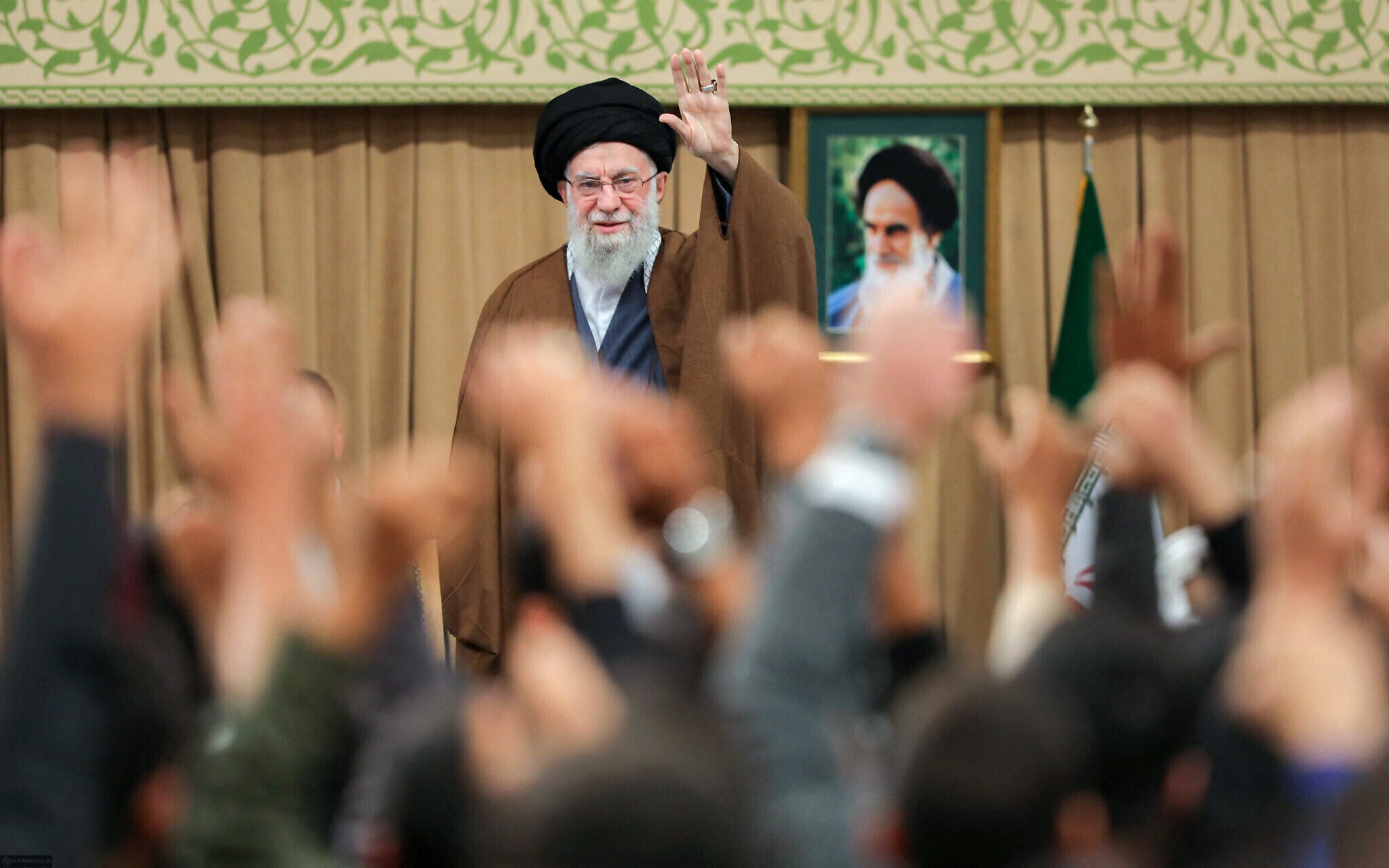
Meanwhile, there are signs of political infighting as rival factions jockey for position.
Prominent among those are Shamkhani and former president Hassan Rouhani. The pair have clashed openly over issues such as the 2015 nuclear deal with the United States, which Rouhani presided over for Iran.
Rouhani has also been accused by Shamkhani’s faction of mismanagement in office. There has been speculation that the leaking of the video may have been sanctioned by the former president as a power play.
The disunity has been made worse by resentment among many Iranians who observe the apparent excesses illustrated by the Shamkhani wedding.
For the regime’s critics, the video emphasizes Iran’s growing inequality, corruption and hypocrisy.
Events like this are more than just news – over time, they can weaken the social and political foundations of Iran. When the ruling families disregard the rules, those rules begin to lose their authority.
Dr. Farhang Morady is a reader in International Development at the University of Westminster in London, where he has taught and researched international political economy and development for nearly 30 years.
The Conversation is a collaboration between academics and journalists that publishes stories on science, health, politics, environment and more.