‘Librarian of Auschwitz’: Holocaust survivor Dita Kraus dies at 96
Kraus survived Terezin Ghetto, Auschwitz, Bergen-Belsen before moving to Israel in 1949; book published in 2012 brought story of concentration camp's secret library to wider audience
Holocaust survivor Dita Kraus, who inspired the novel “The Librarian of Auschwitz,” died on Friday at the age of 96, her son, Ron Kraus, announced in a statement on Facebook on Saturday.
Kraus was born in 1929 in Prague to law professor Dr. Hans Polach and his wife Elisabeth and did not know of her Jewish heritage until Germany occupied the Czech Republic in 1939. Shortly after, her father lost his job, and her family was evicted from their apartment as part of the persecution of Jews.
When Germany invaded Poland that same year, Kraus was sent to the countryside “until the storm blows over,” according to Yad Vashem, but was brought back to Prague the following year and educated by private tutors.
In 1942, Kraus and her family were deported to the Terezin ghetto in the north, where they had to contend with overly crowded conditions, little food, and heavy workloads.
Still, the children in the ghetto received as broad an education as they could get from a group of Jewish teachers, including sports instructor Fredy Hirsch, who was Kraus’s teacher in Auschwitz as well.
Kraus’s family was sent to Auschwitz in 1943 and was placed in the camp for Czech families, and her father died months later at the camp.
Dita was forced to shout the news through a wall to her mother, who was being kept in isolation after falling ill.
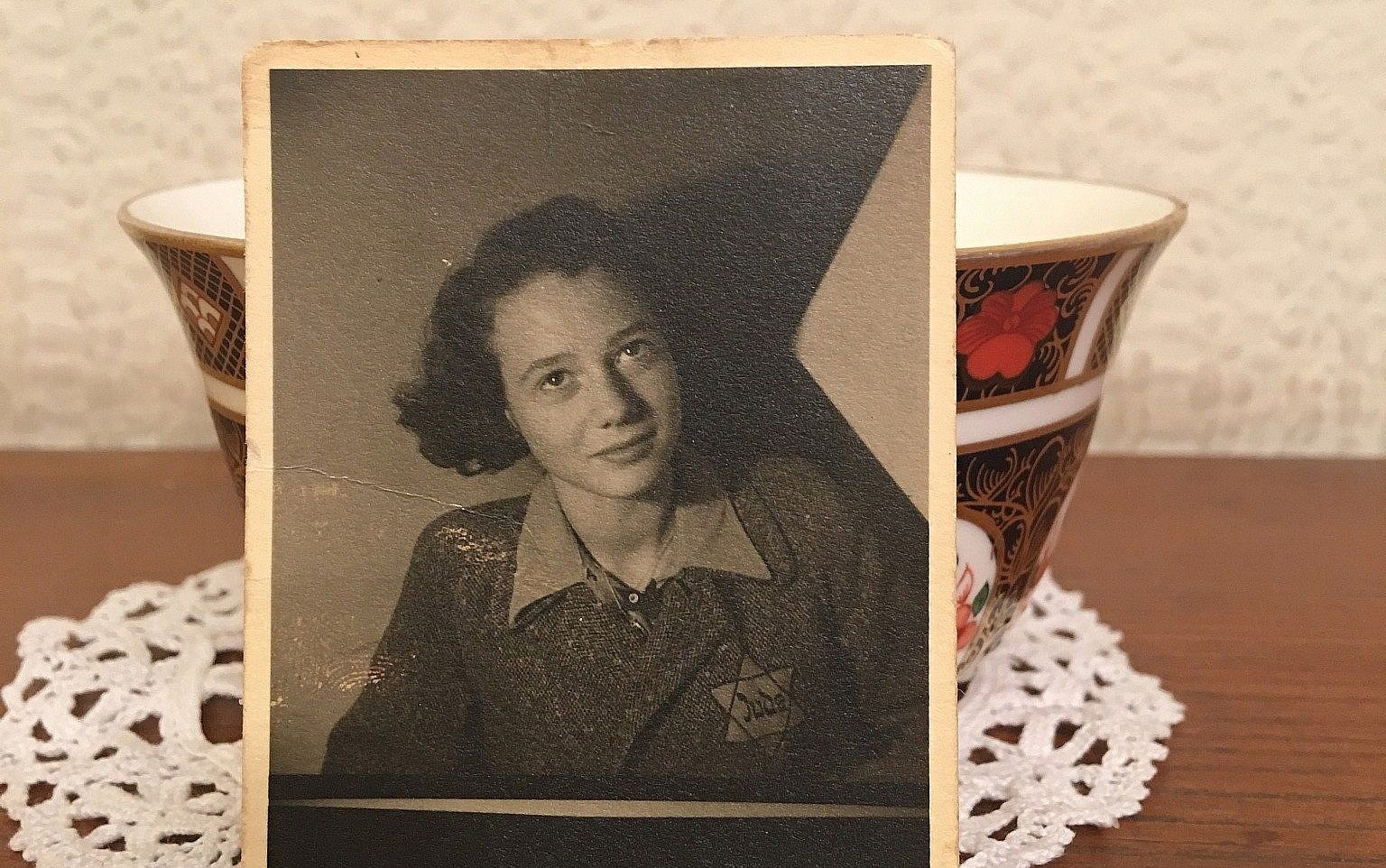
At Auschwitz, she continued to receive some form of education led by Hirsch, who ran the children’s block in the camp and organized a group of instructors, including Otto Kraus, whom she later married.
She was also put in charge of maintaining a handful of books that had been found in people’s luggage and became a small secret library for the children in her block.
Spanish writer Antonio Iturbe would later come across a reference to the library in Alberto Manguel’s 2005 book, “The Library at Night,” and contacted Kraus to learn more. Iturbe’s book, “The Librarian of Auschwitz,” was published in 2012 and was heavily based on her story.
Kraus said in 2019 that each transport from Terezin to the family camp in Auschwitz was given six months to live, and in March of 1944, half the children in the block were murdered by the Nazis. Hirsch died under mysterious circumstances too. Dita and her mother knew that their transport would be the next to be murdered, but instead, they were sent in July by SS doctor Josef Mengele, the “Angel of Death,” to Hamburg to be assigned to a work camp.
From there, the two were sent to Bergen-Belsen, where they both caught typhus. While Kraus survived the deadly disease, her mother died of it in June 1945, only two months after they were liberated.
Now an orphan, Kraus returned to Prague, where she reunited with her grandmother and aunt as well as Otto, whom she married soon after.

In 1949, the couple and their oldest (and then, only) son emigrated to Israel, and the couple spent 30 years teaching at the Hadassim Youth Village.
Kraus was also a painter, focusing on floral images, and a writer. Her memoir, “A Delayed Life,” was published in 2020 by Penguin Random House.
Otto passed away in 2000.
The couple is survived by three children and four grandchildren.
Her grandson, Udi, wrote on Facebook on Saturday that she had “a larger-than-life personality — painter, writer, teacher, and so much more than I can put into words.”
“From the day I was born, she was a central part of my life, my spiritual guide, and my best friend. I loved her with all my heart. Rest in peace, dear grandma,” he wrote.
Czech Foreign Minister Jan Lipavský also paid tribute to Kraus on X on Saturday, writing that he was “deeply saddened” to hear of her death.
“Our brave compatriot and Holocaust survivor. I fondly remember our meetings and her eternal life spirit, through which she won the hearts of all those around her. My sincere condolences to her family and loved ones,” he wrote.