Likud seeks to delay election certification over interference probe — and is rebuffed
Elections committee chair rejects demand, having already said vote was conducted properly; in shift, Netanyahu says he's open to forming a 'broad national government,' under his leadership
Prime Minister Benjamin Netanyahu’s Likud on Monday pushed to delay the official certification of the election results scheduled for Wednesday, as the party continued to claim that the vote had been “stolen” by non-Zionist Arab parties.
Noam Sohlberg, the Supreme Court justice overseeing the elections, swiftly rejected the demand.
Likud is reportedly considering opposing the formal approval of the results by the Central Elections Committee (CEC) plenum on Wednesday morning. The CEC vote is a formality — the committee is legally obliged under Basic Law: The Knesset and the Knesset Elections Law to publish the results within eight days — although the consequences of a refusal have never been tested. The certified results are to be presented to President Herzog later Wednesday.
The effort to delay certifying the results came amid an investigation into suspicions of foreign interference in the October 27 election. The CEC, chaired by Sohlberg, on Sunday stressed that even if proven, the allegations are not significant enough to alter the outcome, and said that the elections were “conducted properly.”
The claims center around allegations that Qatar, or other foreign powers, secretly funded efforts to boost Arab voter turnout and influence the election. The allegations have not been substantiated, and the Shin Bet and Mossad are expected to soon complete their probe.
On Monday, Likud lawyer and CEC member Ilan Bombach wrote to committee chair Sohlberg to request an urgent meeting of the committee before the vote is certified, to ensure that all members were updated on the “serious suspicions of foreign interference.”
“The seriousness of the suspicions, combined with the lack of clarity regarding their nature and scope, make it impossible for the presidency and the Central Elections Committee to publish the certified results as if nothing has happened,” Bombach wrote to Sohlberg, according to a copy of the letter obtained by Channel 12.
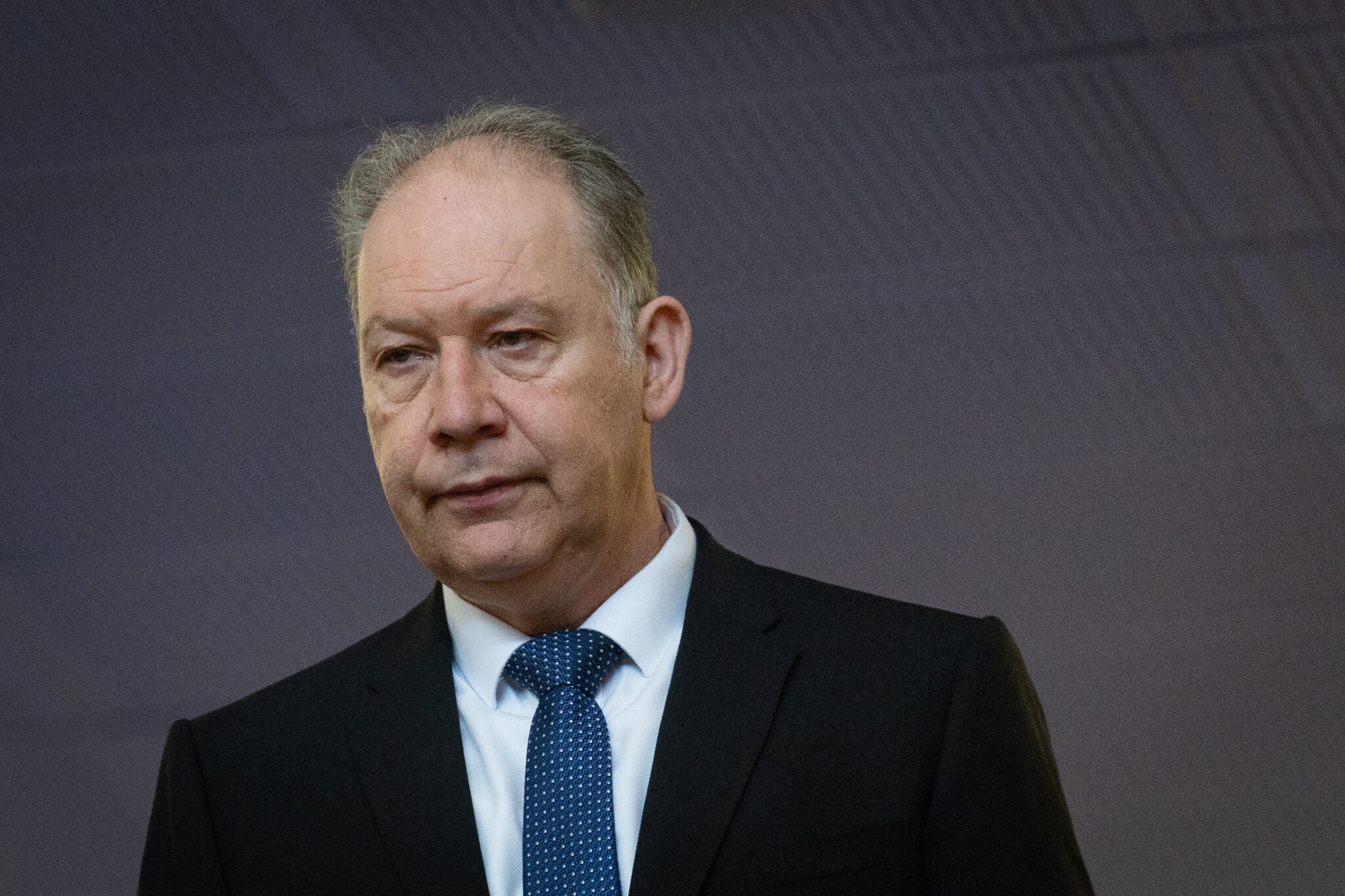
Sohlberg rejected Bombach’s request to put off certifying the results, writing in response that “the Central Elections Committee has no authority to withhold the certification of the results, nor does the committee have the authority to intervene in an ongoing investigation.”
Delaying publication, Sohlberg said, could lead to extending the term of the outgoing Knesset, contrary to democratic principles. “Any outcome whereby the committee’s presidium or its plenum decline to publish election results that have been received, and thereby extend the term of a Knesset that has completed its allotted term, contradicts fundamental democratic precepts,” he wrote. At the same time, he made clear that the investigation is continuing.
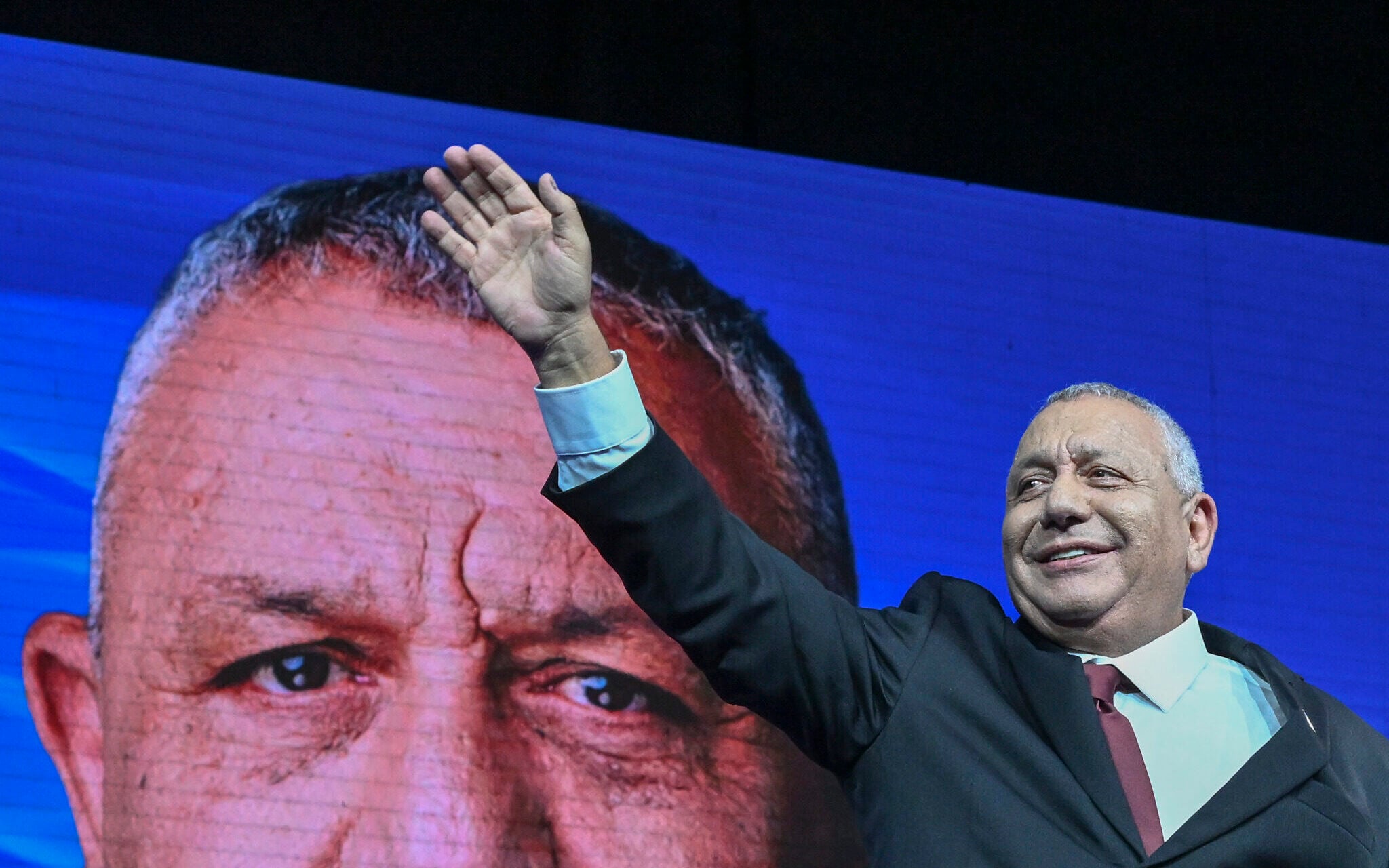
Yashar party chairman Gadi Eisenkot accused Netanyahu and his party of a “destructive and violent campaign of delegitimization against the election results.”
These efforts, Eisenkot said, are “a direct assault on Israeli democracy” and proof of the “grave danger posed by the continued rule of Likud and Netanyahu.”
“This current offensive is the last resort of those who understand the magnitude of the defeat they have suffered,” said Eisenkot.
B’Yachad No. 2 Yair Lapid said that Likud’s bid to delay the certification of the election results showed the party understands it has lost. “They are pulling out all the stops — staging protests, concocting conspiracy theories and challenging the outcome of democratic elections,” he charged.
“This is an attempt to dismantle Israeli democracy, and we will not let it happen,” Lapid vowed. “In a democracy, the winners form the government and the losers head to the opposition. That is what will happen.”
Likud responded by claiming that Eisenkot and the opposition were trying to stop “the truth from coming to light regarding the grave suspicions… concerning the contamination of the Israeli election by foreign elements.”
PM pushes ‘broad’ unity government, including same members as last one
As Likud continued to challenge the legitimacy of the results, Netanyahu said Monday evening that he was open to the formation of a “broad national government.”
Insisting he must be the leader of such a government, Netanyahu said that he would not abandon the far-right and ultra-Orthodox parties that make up his outgoing coalition.
The post marked a possible departure for Netanyahu, who in a speech to Likud supporters early on October 28, hours after voting ended, vowed to establish “a strong, national, right-wing coalition.”
In a post Monday night on X, Netanyahu declared that the Israeli public “does not want a government that depends on Ra’am or the Joint List.” He claimed that the two Arab parties “support terror and reject the existence of the Jewish state.”
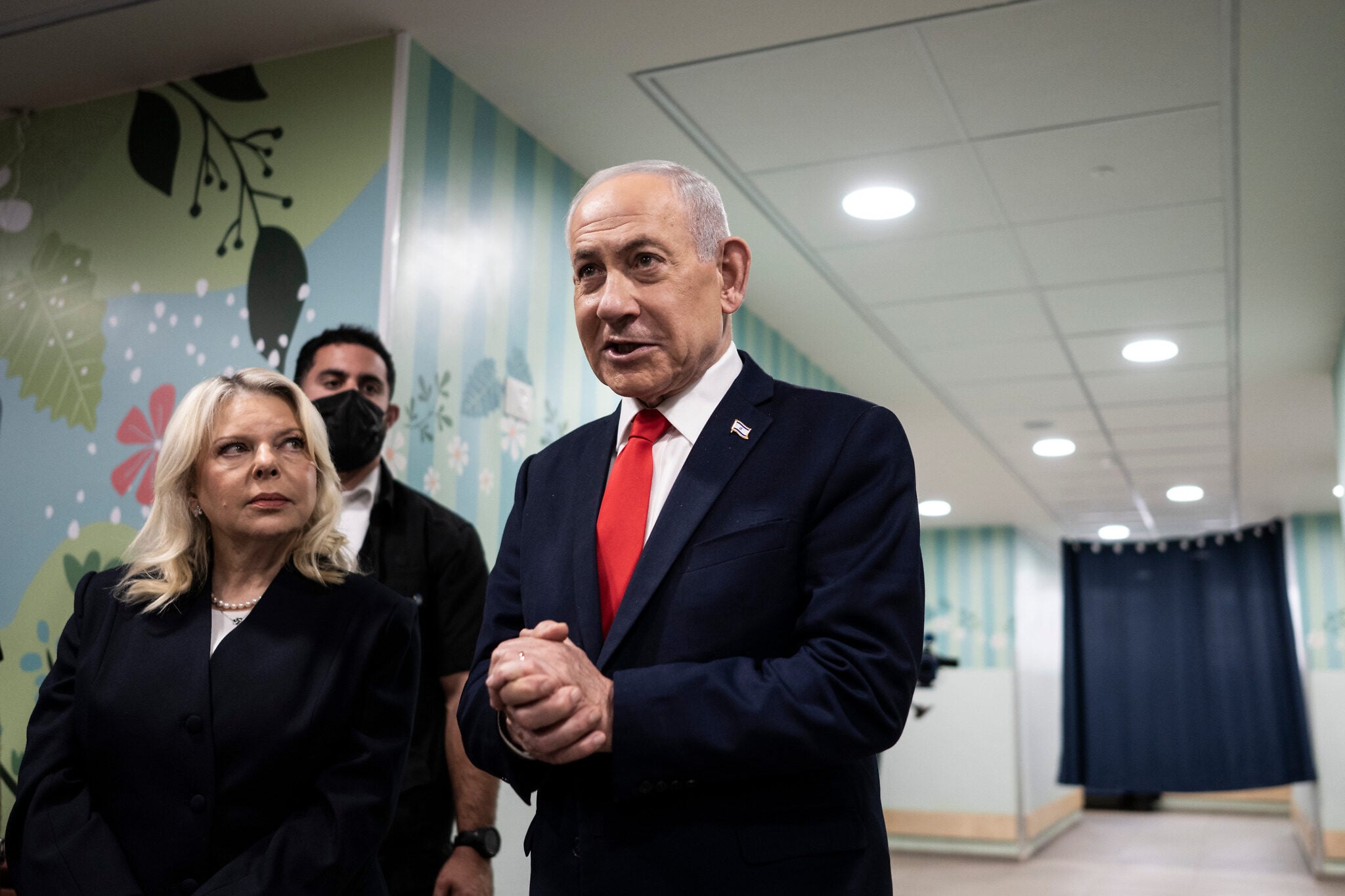
“From the very first day, our hand has been extended to form a broad national government,” he said. “A clear majority of the Jewish public chose Likud as the largest party, and chose me, as prime minister, to lead the next government.”
While Likud received the most seats — 27 — in last week’s election, the pro-Netanyahu bloc lost its governing majority, winning a combined 53 seats.
The other 67 seats are split between Jewish-led parties, which took 48 seats, and the Arab-led parties, which won 19.
“We are aiming to form a broad government with our partners and with all parties that are willing to join, provided they do not support terrorism,” Netanyahu concluded.
All four of the Zionist opposition parties, Yashar, B’Yachad, The Democrats, and Yisrael Beytenu, have ruled out sitting in a government led by Netanyahu.
Joint List leader: Opposition must face ‘political reality’
Meanwhile, the leader of the Joint List, the largest Arab-majority party in the incoming Knesset, told AFP Monday that it was time for reluctant opposition members to acknowledge the “political reality” and join forces to unseat Netanyahu.

After both main camps were denied a majority in last week’s vote, Yousef Jabareen said opposition holdouts “must deal with the political reality and the numbers in the Knesset. Given the current parliamentary arithmetic, Netanyahu’s government… cannot be replaced without coordination with the Joint List.”
Jabareen said he had met with Ra’am party leader Mansour Abbas on Monday, and would meet the following day with The Democrats’ Yair Golan, the veteran left-winger who is the only member of the opposition bloc publicly to urge a governing partnership with the Arab-led parties.
“The political landscape is now clear: The opposition parties do not have a majority to pass legislation without the Joint List. We are therefore saying that we are willing to extend our hand in support in legislation and decisions that serve our political project and program.”
Times of Israel staff and AFP contributed to this report.