Mellanox founder warns Israel will be in ‘serious trouble’ without a new government
Eyal Waldman accuses Netanyahu government of 'taking the country down,' weakening democratic checks, and driving international isolation; says a new coalition is key to fixing it
Prominent entrepreneur Eyal Waldman, said a change in government is essential to ensuring that Israel’s vaunted tech industry and human capital remain in the country.
“The current government we have is one of the worst we’ve ever had in Israel,” said Waldman, founder of Mellanox, the chipmaker acquired by Nvidia, speaking at Birthright Israel’s international business summit in Tel Aviv. “We have to take the current government of Benjamin Netanyahu out; if not, we will be in serious trouble.”
Although Israelis went to the polls less than a week ago, the question of who will lead the next government remains unresolved. The parties opposed to Netanyahu collectively hold 67 of the Knesset’s 120 seats, compared to 53 for the premier’s right-wing and ultra-Orthodox bloc. However, deep ideological divisions and conflicting campaign pledges leave the opposition without a clear path toward forming an alternative government.
Waldman accused the Netanyahu government of “taking the country down,” challenging democratic principles, and driving international isolation that harms the growth of companies seeking to work and invest in Israel.
“We see the international response and reactions, which is a big issue,” warned Waldman, a vocal critic of the government.
Waldman pointed to mounting pressure in Western countries to impose economic sanctions over the government’s policies in Gaza and and the West Bank. In response to a wave of settler attacks on Palestinians and massive settlement construction approved by Netanyahu’s hard-right government, the UK in September announced a ban on trade with Israeli settlements, and 12 Western countries announced similar plans to impose or support restrictions.

“It was a very tough four years for all of Israel, and now a government must be formed without Netanyahu, and then we can start fixing the country and working with our neighbors,” Waldman told The Times of Israel on the sidelines of the Tel Aviv summit. “Once we have a change in government, we will be much more acceptable around the world, and it’s going to be much easier for tech startups to raise money and grow in Israel.”
Waldman’s appeal came amid growing concerns that the threat of sanctions could accelerate a trend of local startups and tech firms moving operations outside of Israel, draining the nation of engineers, tech personnel, and managers.
Much of the resilience of Israel’s economy over three years of regional war was driven by its tech sector, a pillar of the economy that contributes about 20 percent of GDP, makes up about 50% of total exports, and generates significant tax revenue.
“The main reason behind Israel’s resilient economy… is the unique human capital, which is unlike anywhere else in the world,” Finance Ministry Budget Commissioner Maharan Frozenfar told the business summit, which brought together 350 investors, entrepreneurs, senior executives and philanthropists from over 15 countries.
Critics have also accused the Netanyahu-led government of failing to advance much-needed growth-enhancing reforms, whether in education, health or public transportation, over the past four years.
Frozenfar said the Finance Ministry was preparing a plan for the next five years to strengthen the economy, regardless of which government takes office.
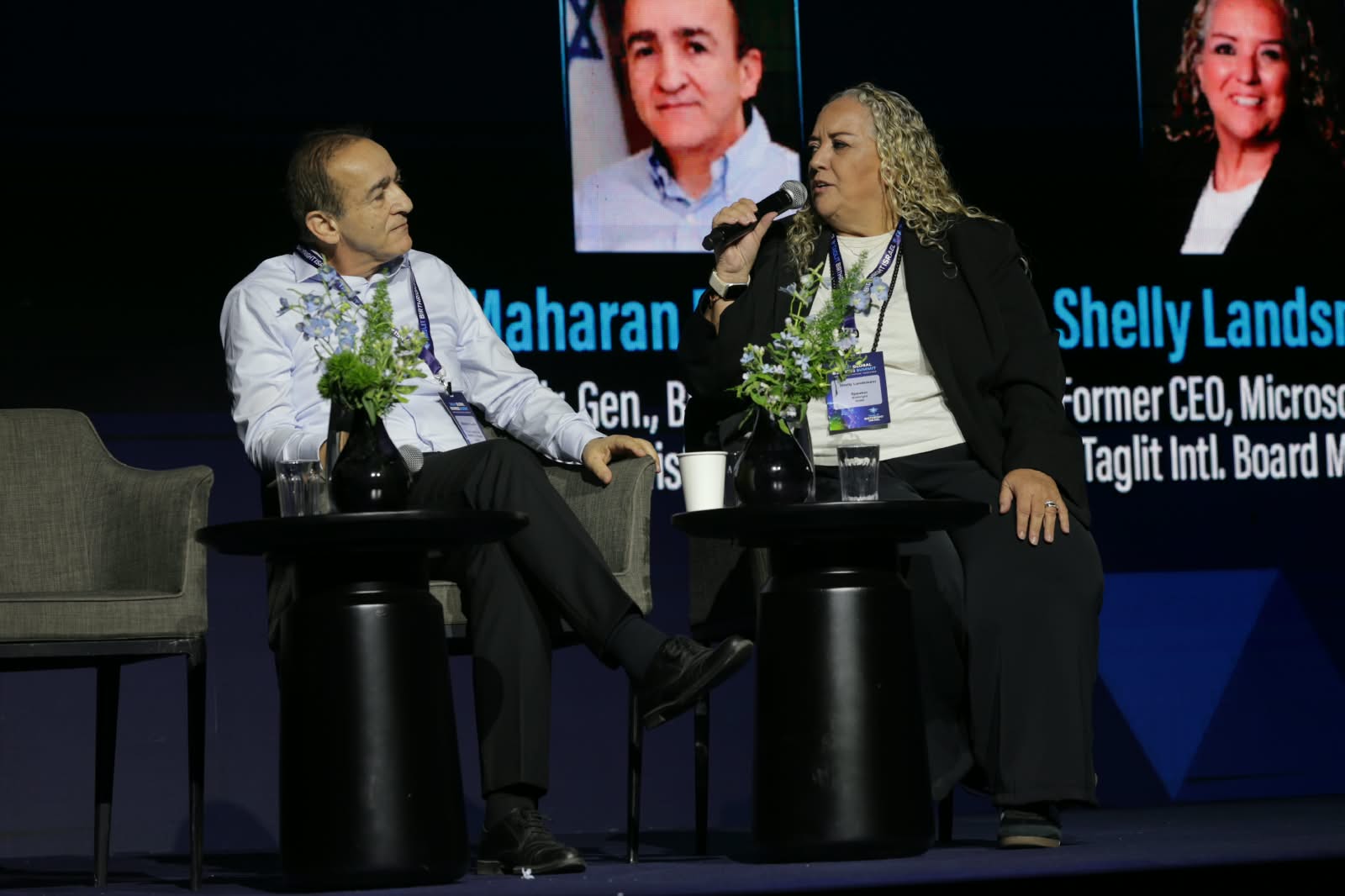
The plan will focus on investments in the tech and AI sectors, quantum technology, infrastructure and transportation, and small and medium-sized companies, he said.
“Hopefully we will have a different government with a much better leadership that will start improving all aspects of our lives, especially education levels, which have gone down,” said Waldman, whose daughter was murdered in the Hamas massacre at the Nova music festival on October 7, 2023.
Waldman added that a coalition without Netanyahu could unlock diplomatic solutions to regional disputes.
“We need to resolve the issues with Lebanon and Syria, which I believe is doable,” he said. “We need to bring Saudi Arabia into the Abraham Accords and then address the Israeli-Palestinian conflict, which I also believe can be resolved.”