Michigan Senate race puts Jewish voters at center of Rogers-El-Sayed battle
Mike Rogers brands Abdul El-Sayed ‘anti-Jew' after interview; progressive Jewish groups mobilize to defend Democrat and argue a Republican victory carries its own risks
WHITE LAKE, Michigan (JTA) — Former US Representative Mike Rogers did not have to go very far back in time to find a new example of how, in his view, his opponent is a danger to the Jewish community. Twelve hours would do.
Rogers recalled an interview that had aired the previous night on ABC. “He basically said that Israel now is just not an ally — matter of fact may be the enemy — of the United States of America,” the Republican nominee for US Senate in Michigan told the Jewish Telegraphic Agency on Tuesday morning.
The “he” in question was, of course, Abdul El-Sayed, the former county health director and polarizing Democratic nominee for the state’s open Senate seat. The night before, El-Sayed had told ABC that Israel was “not actually our friend.” He also recently told MS NOW that “the government of Israel has done nothing but use us.”
Rogers, by contrast, told JTA that Israel is “the best ally we have in the Middle East. They have Western values baked into their political system.” He proudly noted that far-right commentator Tucker Carlson has attacked him for his pro-Israel views.
Remarks like the ones El-Sayed recently made, Rogers continued, clarify his view of his opponent: “There’s so much evidence. It’s pretty hard to say that this guy is anything but anti-Jew.”
For Rogers and the Republican Party writ large, El-Sayed’s hardline criticism of Israel has thrown them an unexpected gift in a tough race that could help determine who controls the Senate after the November midterms.
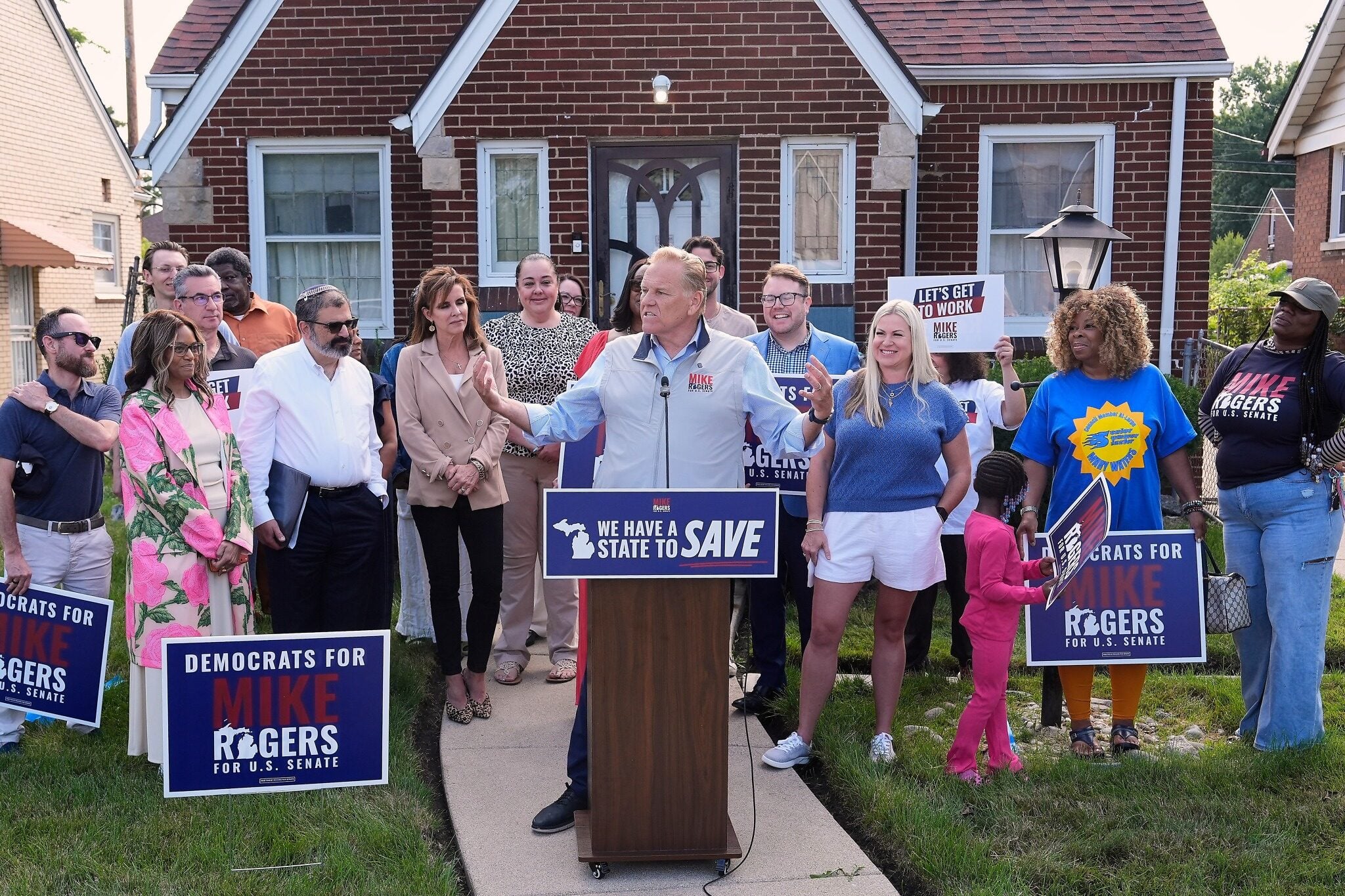
That opportunity runs through Michigan’s Jewish community. At a recent rally in the state, Vice President JD Vance echoed that criticism, accusing El-Sayed of being “obsessed” with Israel.
“He’s 10 times more interested in what’s happening in Palestine than in Port Huron,” Vance, whose own views on Israel have concerned many conservative Jews, told the crowd. “He’s way more interested in what’s happening in Gaza than he is in what’s happening in Grand Rapids.”
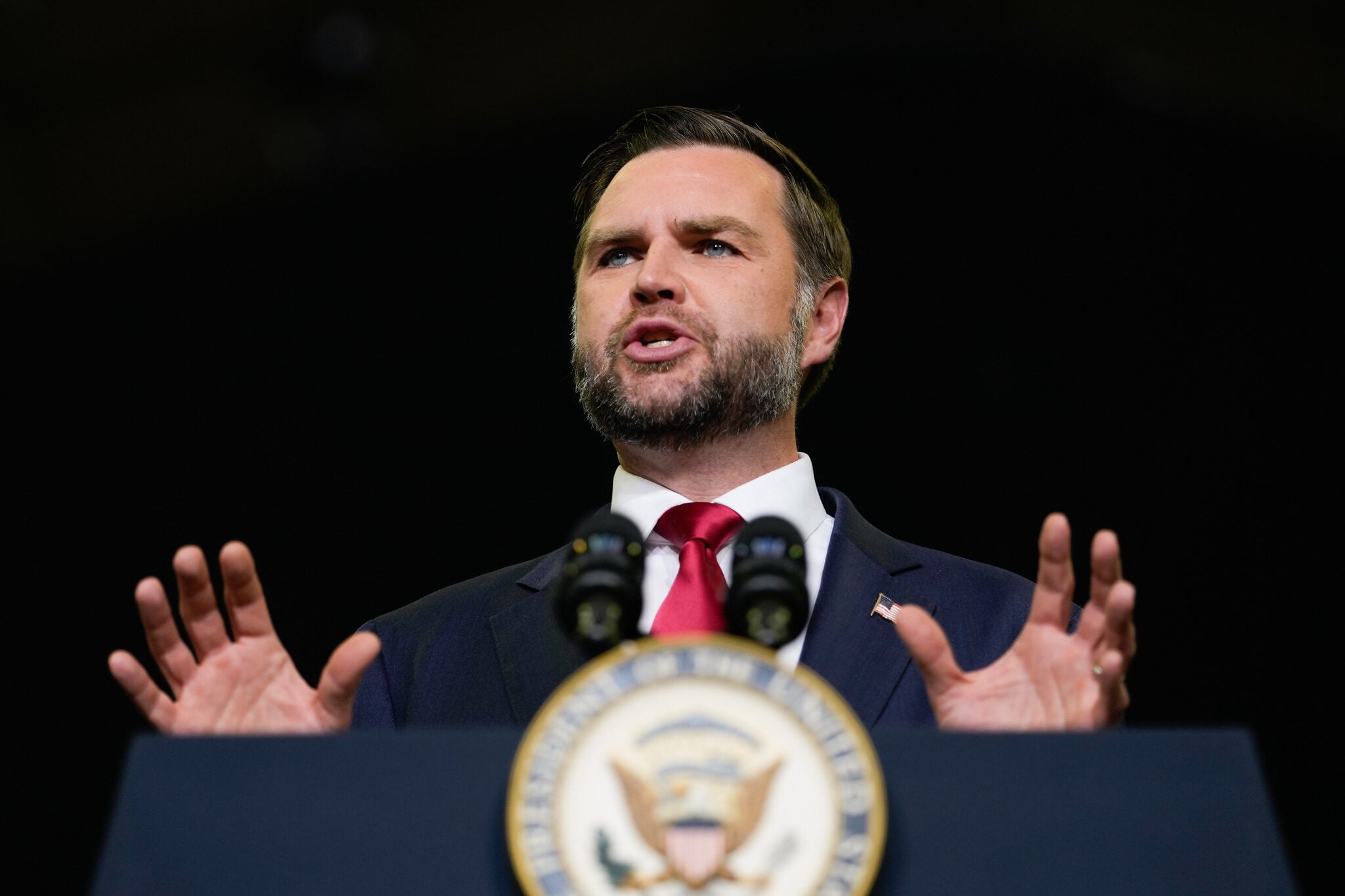
Another recent Trump administration event, held at a Michigan synagogue, mostly discussed antisemitism. Neither Senate candidate’s name was mentioned from the stage. But Jews who attended the event told JTA they were scared of the prospect of a Senator El-Sayed. “I pray he does not get in,” one attendee, Sharon Matlen, said.
Rogers, a former congressman who lost the 2024 Senate race to Elissa Slotkin, a Jewish Democrat, by fewer than 20,000 votes, hopes to convince enough of the state’s estimated 100,000 Jewish adults and other traditionally Democratic blocs to vote for him in the election in two weeks’ time. He’s confident of his chances.
“I think the alternative is so bad, and they looked at us and said, ‘He’s not that bad,’” the candidate said. “And trust me, I think that’s a good place for us to be.”
Rogers positions himself as a common-sense Republican, one whose chief concerns are improving child literacy, rebuilding manufacturing jobs and lowering utility rates. Drawing on his military background, he insists he doesn’t have a problem with the fact that El-Sayed is Muslim: “I wore the uniform of the United States so you can pray any way you want.”
Local rabbi Asher Lopatin, who briefly went on leave from his role directing Jewish communal relations in Ann Arbor to stump for Rogers, has called him “a caring, sensitive man.”
Rogers is also trying to make inroads with Black communities, as well as other ethnic and faith-based groups. At a Tim Hortons in this tony Detroit suburb, an Iraqi Christian couple came out from behind the counter to take selfies and profess their support.
But among his potential new voters, it’s the Jewish community Rogers has made the most overt appeals to. His outreach has included meeting with various Jewish clergy and community leaders and hosting a meet-and-greet Sunday night in a heavily Orthodox Jewish neighborhood, catered by a kosher BBQ joint. And he and Texas Senator Ted Cruz will be appearing together in Detroit next week for an event spearheaded by the Republican Jewish Coalition titled, “Who Will Keep Us Safe?”
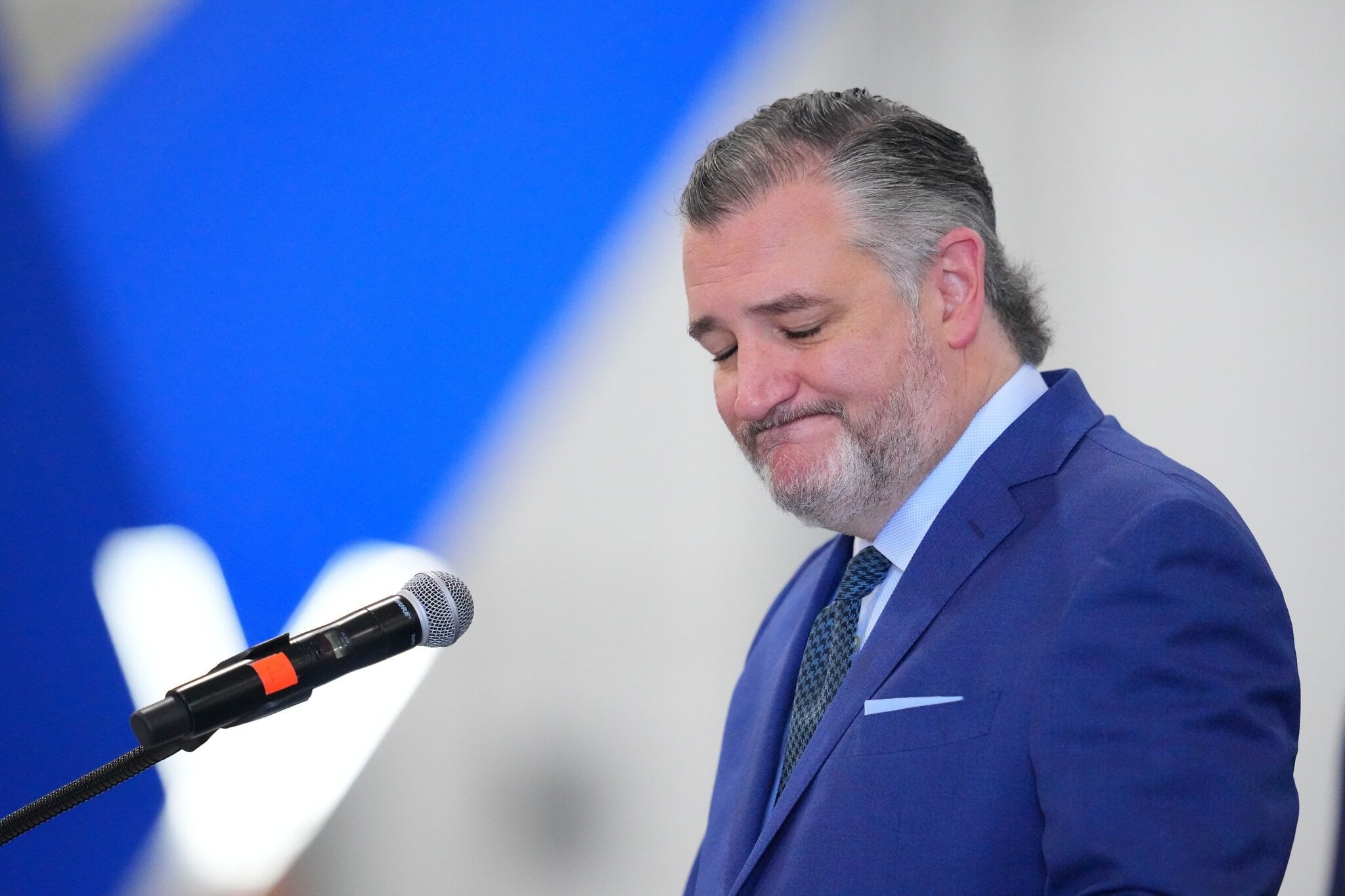
Hundreds of Jews, including several prominent community leaders and lifelong Democrats, have already signed a pledge to vote for Rogers. El-Sayed’s association with left-wing streamer Hasan Piker and linking of the spring attack on Temple Israel to Israel’s war in Lebanon have troubled some Jewish voters.
But others, even those deeply worried about El-Sayed and his movement, still can’t bring themselves to support the current Republican platform. A new progressive canvassing campaign is targeting Jews in the Detroit suburbs to persuade them not to vote for the GOP candidate.
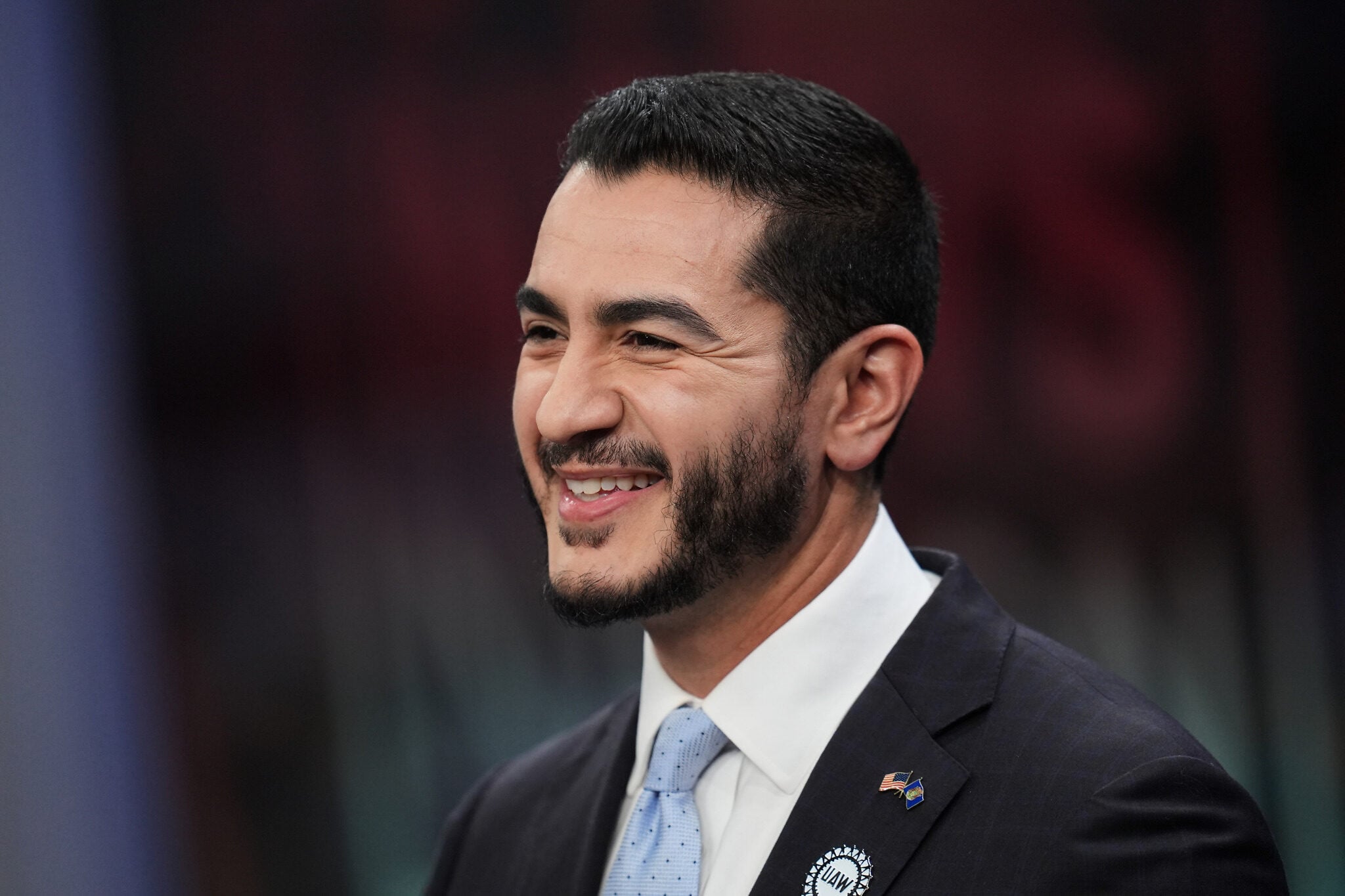
“We’ve been doing a lot of listening to people’s concerns and anxieties,” said Amanda Berger, a progressive Jewish activist from California who is leading Seed the Vote’s Jewish canvassing efforts for El-Sayed in Michigan.
But the volunteers’ goals, Berger told JTA, are then “to pivot to the question of, what will it mean to you, or what will it mean to the Jewish community, or what will it mean to your neighbors, if Mike Rogers is elected and Trump is unchecked for another two years.”
Elaine Driker, a prominent Detroit Jewish community leader, was no fan of El-Sayed. Yet after seeing so many of her peers sign the pro-Rogers letter, Driker signed a Jewish letter pledging to vote for El-Sayed.
She then went a step further, hosting Daniel Biss, a progressive Jewish congressional candidate from Illinois, and 50 Jews at her house Monday night for a dialogue about El-Sayed. One in attendance, Susan Ruttenberg, admitted that though she had already cast her vote for the Democrat, “I’m uncomfortable with him.”
Biss holds Israeli citizenship and told the group he believes “that the Jewish people have a legitimate claim to the land where the state of Israel has been established.” He conceded, “Some of the ways that Abdul has spoken about antisemitism have landed imperfectly with some people.”
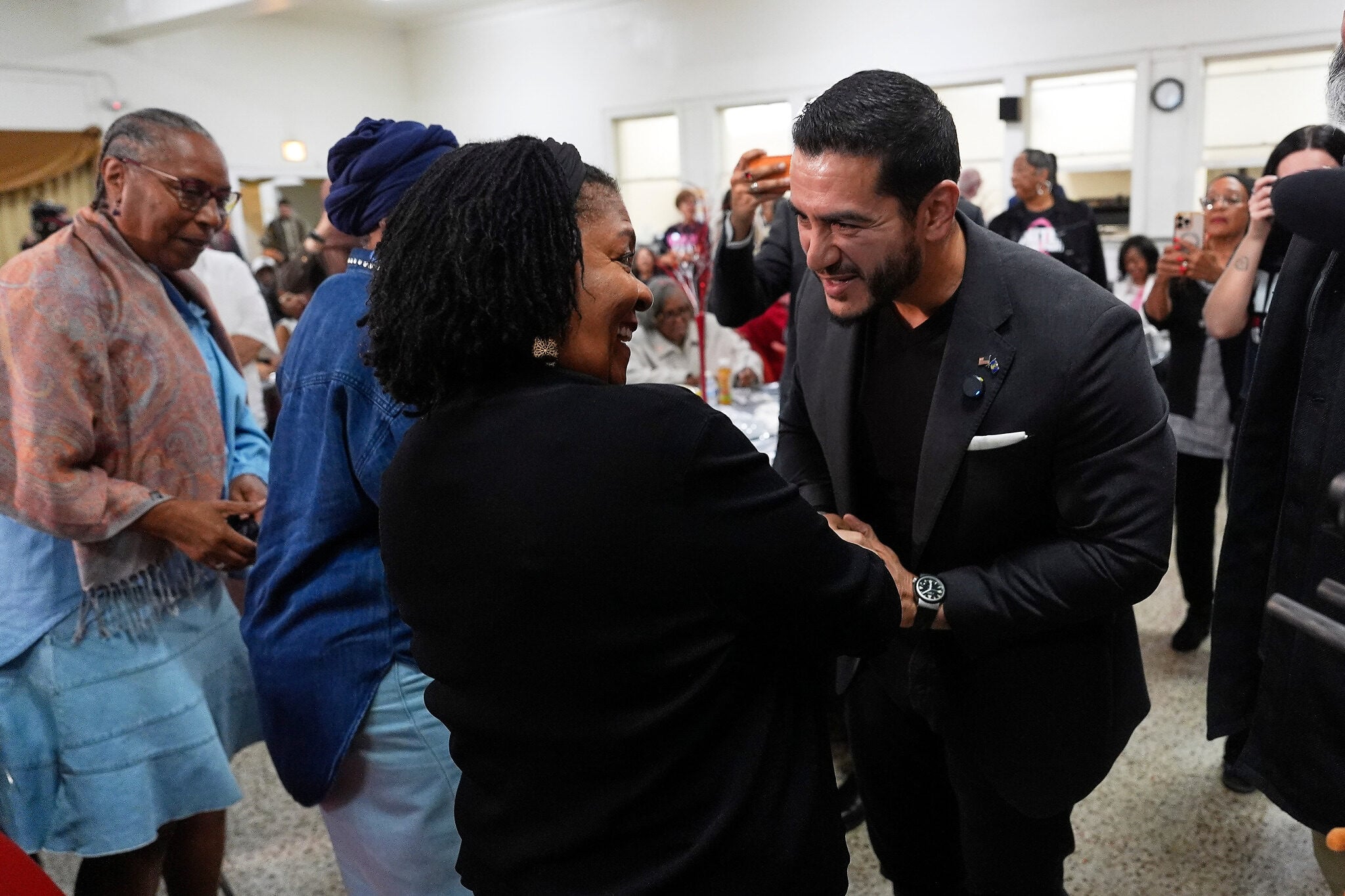
Yet Biss insisted, “I think he’s shown a willingness to learn and grow.” He also warned the crowd against what he called “the political narrowness of the organized Jewish community.”
It was one of several such small-room Jewish conversations about the race that have taken place in recent weeks. Others have featured New York congressional candidate Brad Lander and Vermont US Representative Becca Balint. Michigan state Senator Mallory McMorrow, who dropped out of the Senate primary that El-Sayed eventually won, will speak at another.
The events are intended “to breathe some air into the possibility that Abdul is not scary, that he is not antisemitic,” said Stacie Chaiken, an organizer with Michigan Jews for Democracy, which is also putting on the meet-and-greets. The coalition’s open letter of Jews pledging to vote for El-Sayed has topped 950 signatures to date.
To win over more Jews, Rogers will make his case by acknowledging what other Jews have told him is a deep fear for where the country is headed.
“They’re afraid for what kind of America their children will live in,” Rogers told JTA of the Jews he’s spoken to on the campaign trail. El-Sayed is building a “movement,” the Republican said, arguing that such a movement bodes poorly for Jews: “You have to remember, if elected to the Senate, this is just the beginning for them.”
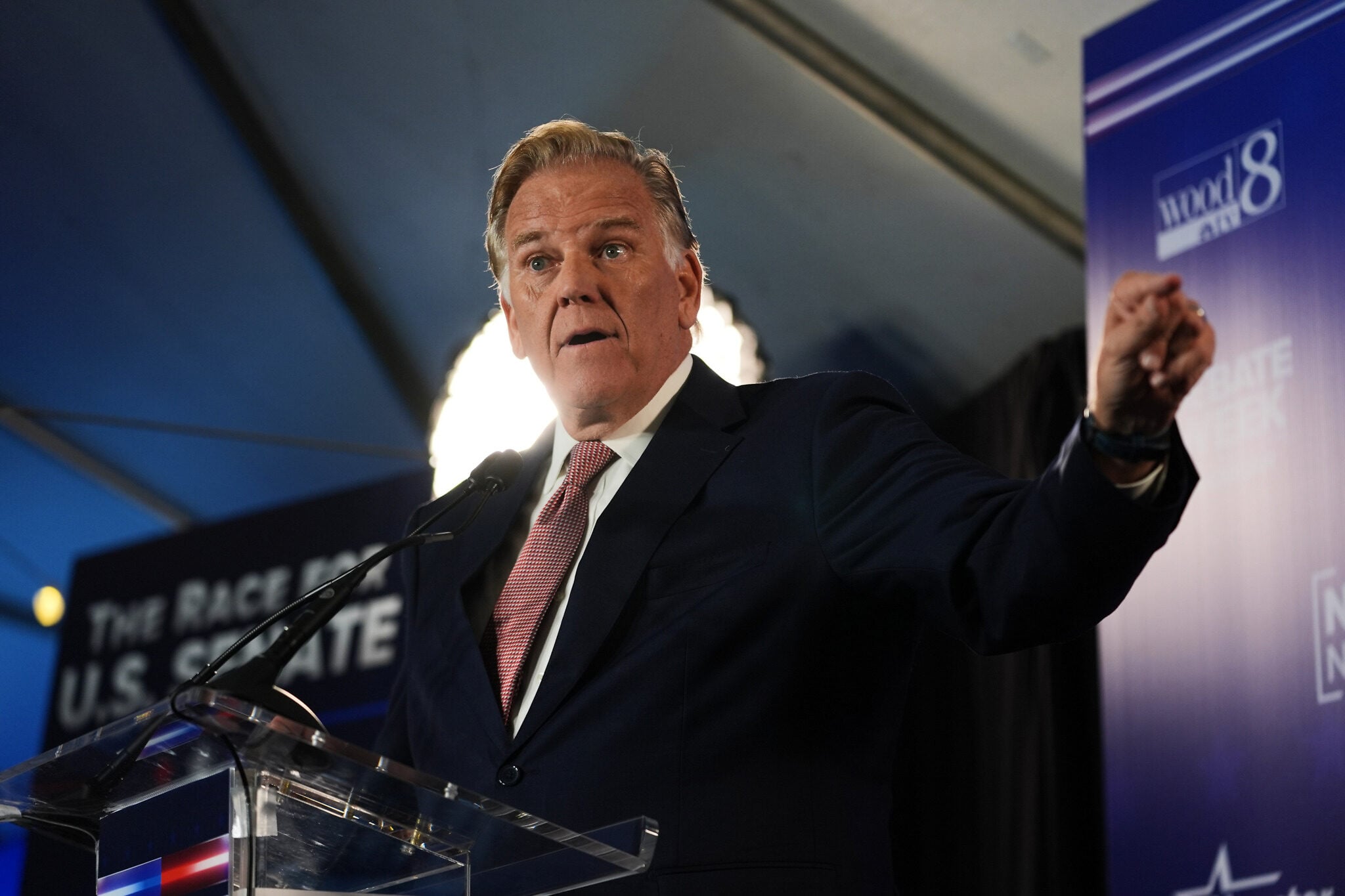
Rogers repeatedly brought up his opponent’s “ideology” and “extremism.” He sought to link El-Sayed to the Muslim Brotherhood, echoing a growing GOP line of attack. Republicans have cited resurfaced tweets by El-Sayed’s half-sister describing their mother’s activism in the movement in the early 1970s.
El-Sayed has disavowed the group and accused questioners of invoking Islamophobic tropes.
Rogers also said he doubted the sincerity of El-Sayed’s August apology to the Jewish community for his “hurt people hurt people” remarks regarding the March attack on Temple Israel — a similar sentiment other Michigan Jews have shared with JTA.
“That’s not an apology,” he said. “That says, ‘I’m sorry I said it then. Maybe I should have said it later.’ I don’t buy that.”
The Rogers campaign is additionally arguing that El-Sayed’s rhetoric has activated a deeper antisemitic contingent on the left. A Rogers campaign staffer, who is Jewish, posted to X Tuesday morning that El-Sayed is “a raging antisemite who is responsible for the hate and vitriol Michigan Jews face daily,” with a link to his ABC interview. That staffer, Abby Ronson, told JTA that she received death threats because of the tweet after progressive commentator Mehdi Hasan went after her.
I’ve said it before and I’ll say it again. Abdul El-Sayed is a raging antisemite who is responsible for the hate and vitriol Michigan Jews face daily. https://t.co/3rYtSzVG32
— Abby Ronson (@abbyronson) October 20, 2026
El-Sayed has strongly rejected any allegation that he is antisemitic, saying he loves Judaism and that “AIPAC and Israel are not the same as Judaism and the Jewish people.” Some of the state’s top Jewish Democrats, including Slotkin and state Attorney General Dana Nessel, have endorsed him; others, including congressional candidate Jeremy Moss, have not.
But Rogers also hopes to tell more of Michigan’s Jews who he is — beyond simply not being El-Sayed. There’s someone else, he said, who he’s not: the deeply unpopular Republican president.
“I’m not Trump. And I don’t plan to be Trump when I get to Washington,” Rogers said. He listed issues he has broken with Trump on, including the joint US-Israeli war in Iran, which Rogers formerly supported but now wants wrapped up: “I argue we met our objectives. Don’t hang out there very long.”
If such a view puts him at odds with Israeli leadership, he said, they will politely hash it out. “Every once in a while, we’re going to disagree with our allies. I don’t see this as a problem.”
Still, when it comes to issues of concern to Jewish voters, Rogers said he’s more aligned with Trump than not. He “absolutely” approves of the president’s campaign against campus antisemitism, which has drawn criticism and legal action for pulling billions of dollars in funding from various universities in order to pressure them to sign settlements.
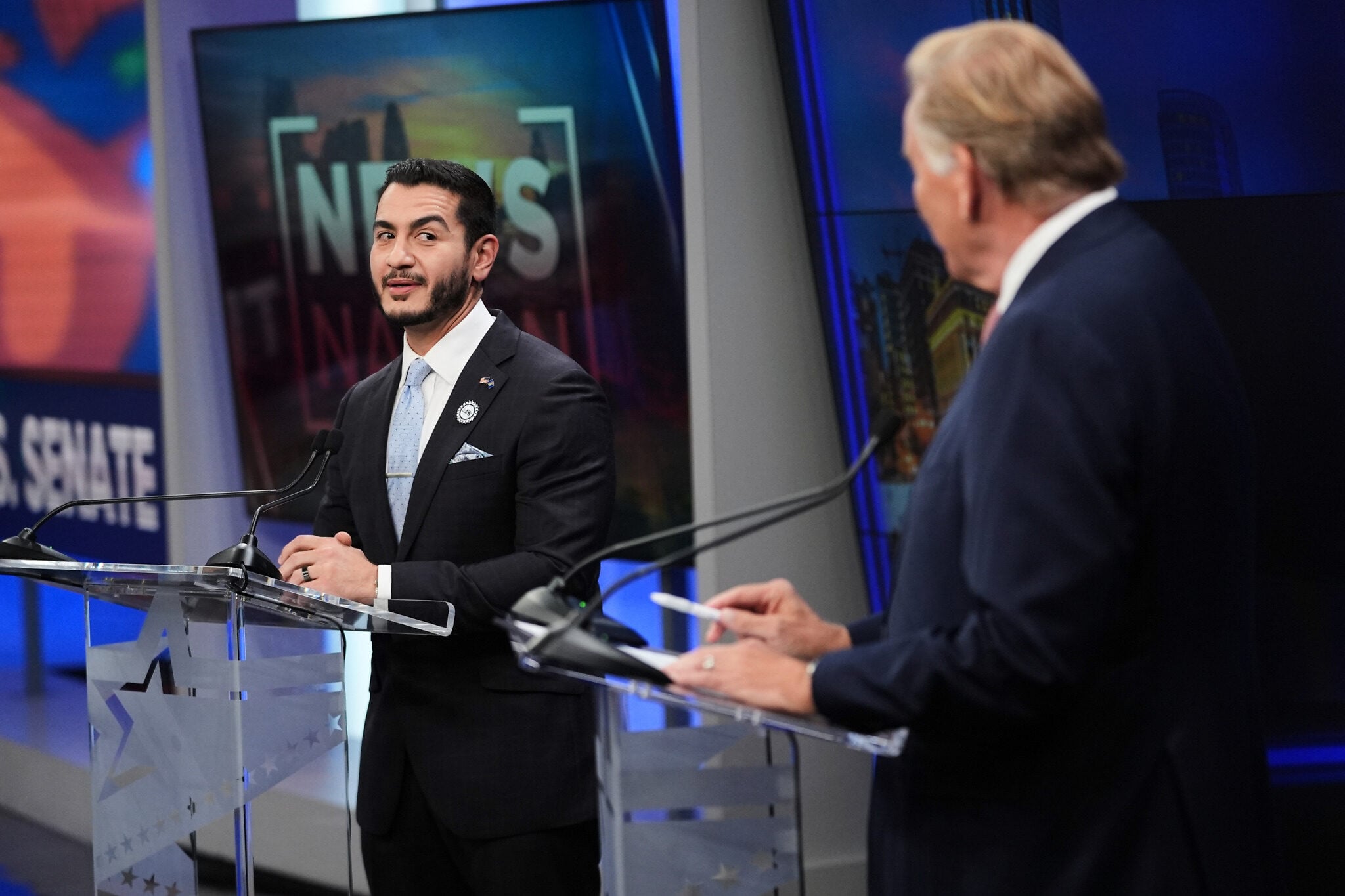
If the government wanted to do the same to the University of Michigan, the state’s top research school that has been embroiled in a stream of antisemitism controversies of its own, Rogers — who donned Michigan gear for a TV ad running in the state — would support it.
“I wish there were a better way, but nothing else is working,” he told JTA. “Hell, their professors are talking in ways that would be shocking about an ally to the United States, and they’re buying into this ‘oppressor versus oppressed.’ It’s the craziest thing I’ve ever seen. The whole thing is anti-American. We’re going to get it fixed.”
Rogers dismissed as “a made-up story” reports that his allies had asked the pro-Israel lobbying group AIPAC not to advertise publicly on his behalf, reportedly because they feared its involvement could hurt his campaign.
“What I’ve always said is, if anybody wants to help defeat the most extreme candidate from his Democratic Socialists of America ties to his very, I think, hateful, angry, riddled contempt for Israel and Jews, welcome,” Rogers said. “I’ll take anybody that wants to help.” El-Sayed is not a DSA member, but he has spoken at the organization’s events and received campaign support from its members.
Recently, an AIPAC-linked super PAC, the United Democracy Project, spent about $95,000 against El-Sayed, according to federal elections filings. That expenditure took the form of mailers targeting the Jewish community.
Rogers insists his fight against El-Sayed is bigger than the candidates. Voters, he said, are concerned with what the Democratic Party’s treatment of Jews says about the coalition’s direction in general.
“I can’t tell you how many people tell me that they’re so disappointed in their party,” he said. “And if you can bring yourself to diminish one set of people or one ethnic group of people in Michigan, what stops you there? I argue, nothing.”
Yet many of the Michigan Jews trying to convince their neighbors to vote for El-Sayed are making the same argument — in a different order — about Republicans. The GOP’s demonizing of certain immigrant groups and LGBTQ people, progressive Jews argue, could lead back to antisemitism.
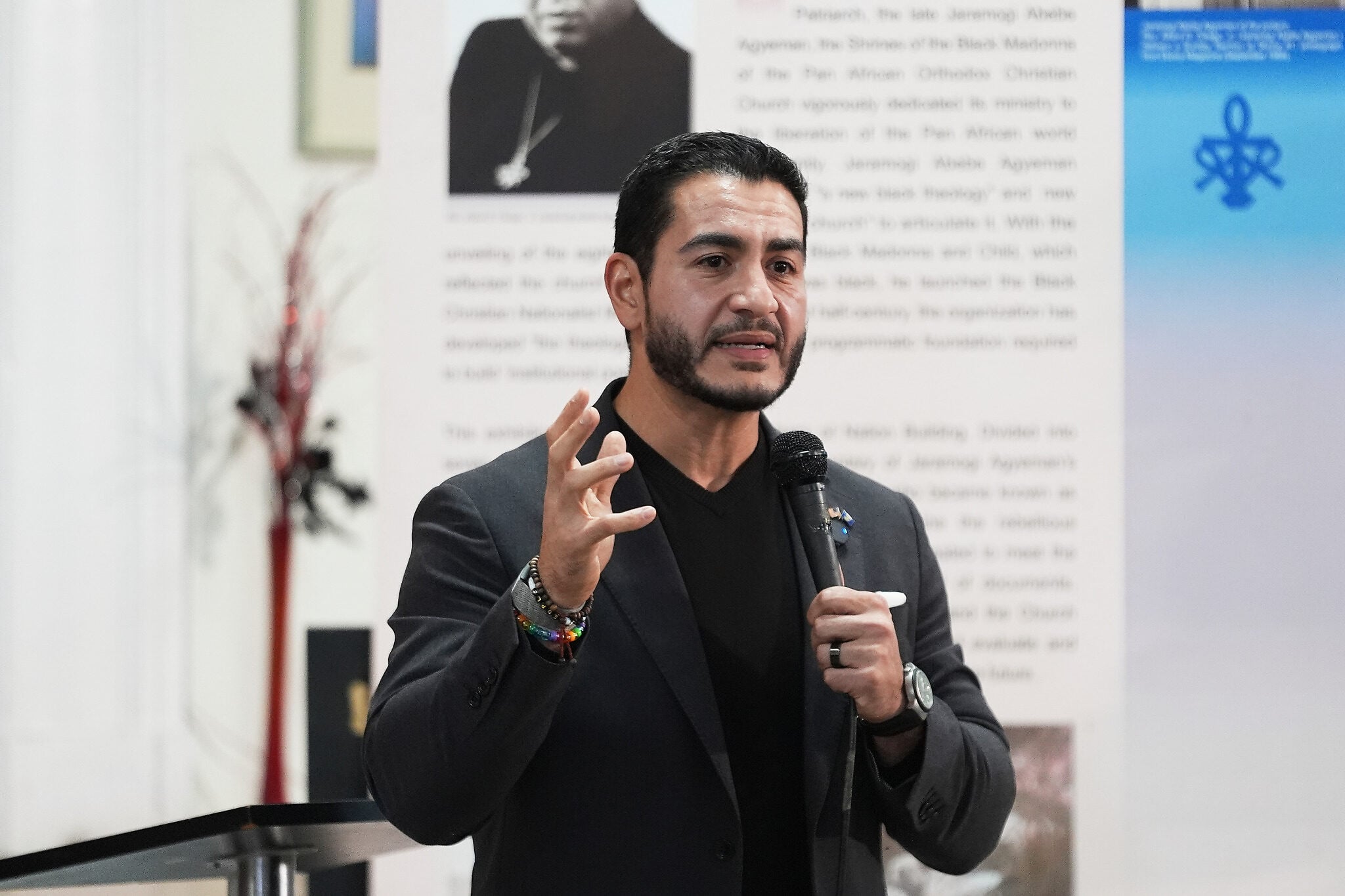
“A society that abandons pluralism in an effort to attack someone other than the Jews is surely going to be coming for the Jews pretty soon,” Biss told the assembled crowd on Monday.
Rogers rejected the premise that Republicans are doing the same thing. “I don’t equate them at all,” he said. “It may be a legitimate concern. But if you have somebody that wants to eliminate, you know, ‘from the river to the sea,’ last I checked, that’s just about every Jew that lives in Israel. There’s no more clear, brighter line than that.”
On his way out the door to speak at the Detroit Economic Club, Rogers was asked if he had any last message for American Jews.
“Keep the faith,” he said, before driving away.