Morocco gears up for elections after mass migration attempts, deadly youth protests
27 parties will compete for 395 parliamentary seats on Wednesday, as Moroccans contend with key issues including poverty, healthcare, education
CASABLANCA, Morocco (AP) — More jobs. Higher wages. Less inequality. Better housing, schools, hospitals and infrastructure.
Those are among the main concerns for Moroccan voters as they head to the polls Wednesday to elect a new parliament.
The next government will oversee billions of dollars in investment as Morocco prepares to co-host the 2030 FIFA World Cup, prompting some to describe it as the “World Cup government.” A soccer boss could even emerge as prime minister.
Morocco’s new political leadership will mainly face pressure to address everyday concerns, while operating alongside a powerful monarchy that retains decision-making authority in strategic affairs.
Here is what to know about Morocco’s first parliamentary elections since deadly Gen Z-led protests erupted nearly a year ago and July’s mass border crossing into the Spanish territory of Ceuta left dozens dead.
Morocco’s economy is strong but jobs are scarce
Morocco’s economy is growing and attracting foreign investment, and new industries are developing. It has also become Africa’s most-visited destination.
The kingdom is a close US ally and maintains strong ties with Western capitals. It is among the few Arab countries that have diplomatic relations with Israel.
Behind the medieval palaces, glistening seas and breathtaking mountains that draw tourists from around the world lies an uncomfortable reality: Development remains uneven across the country, economic growth is not creating enough jobs, and 12.7% of Moroccans live in relative poverty.
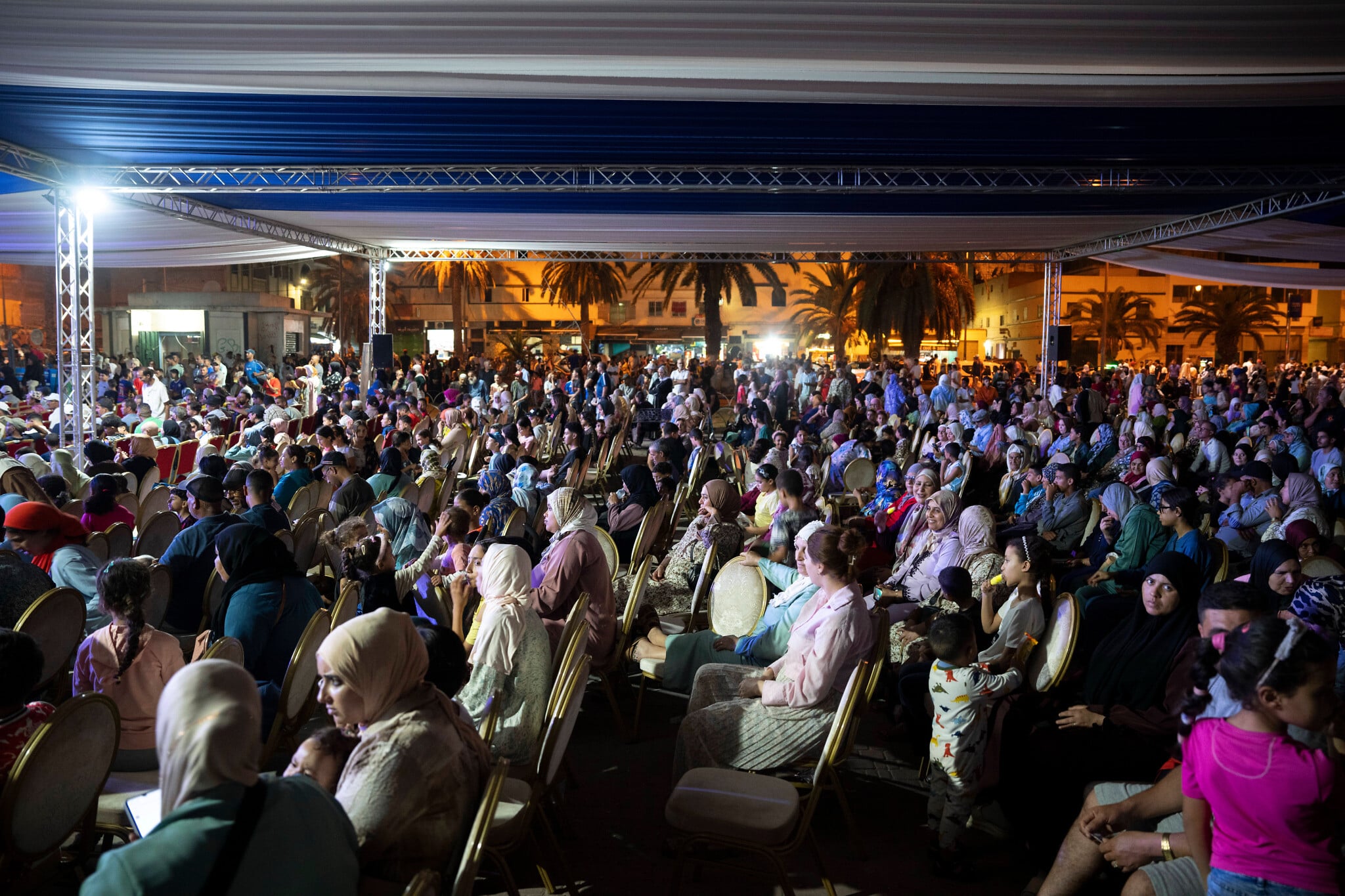
Politicians say they have heard these grievances and have proposed solutions in their election manifestos. Many young Moroccans in particular say they have heard such promises before.
Parties make pledges for schools, hospitals and housing
A total of 7,288 candidates from 27 political parties are competing for 395 seats.
The RNI party, part of the current governing coalition, has promised a guaranteed monthly minimum wage of 5,000 dirham ($525) and to create 1 million jobs.
Another member of the governing coalition, the PAM party, said it would exempt salaries below 15,000 dirham ($1,575) from taxes and pledged 100,000 housing solutions for young people.
The Istiqlal Party wants to speed up treatment at public hospitals. The opposition left-wing PPS aims to cut the school dropout rate in half and tighten anti-corruption rules.
The moderate Islamist PJD party aims to narrow economic disparities between major economic hubs like Casablanca and other regions.
Next PM could be soccer boss or first woman in the job
Morocco’s constitution requires the king to choose the prime minister from the top-performing party in legislative elections.
Since no single party is expected to capture an absolute majority, the winner will need to build a coalition government. Portfolios are split among the political allies, but the palace traditionally keeps key posts such as defense and foreign affairs under royal control.
“The government’s overall policy platform is set by a circle of advisers close to the king, who retains ultimate power,” said Hamish Kinnear, a UK-based risk analyst focusing on North Africa and the Middle East.
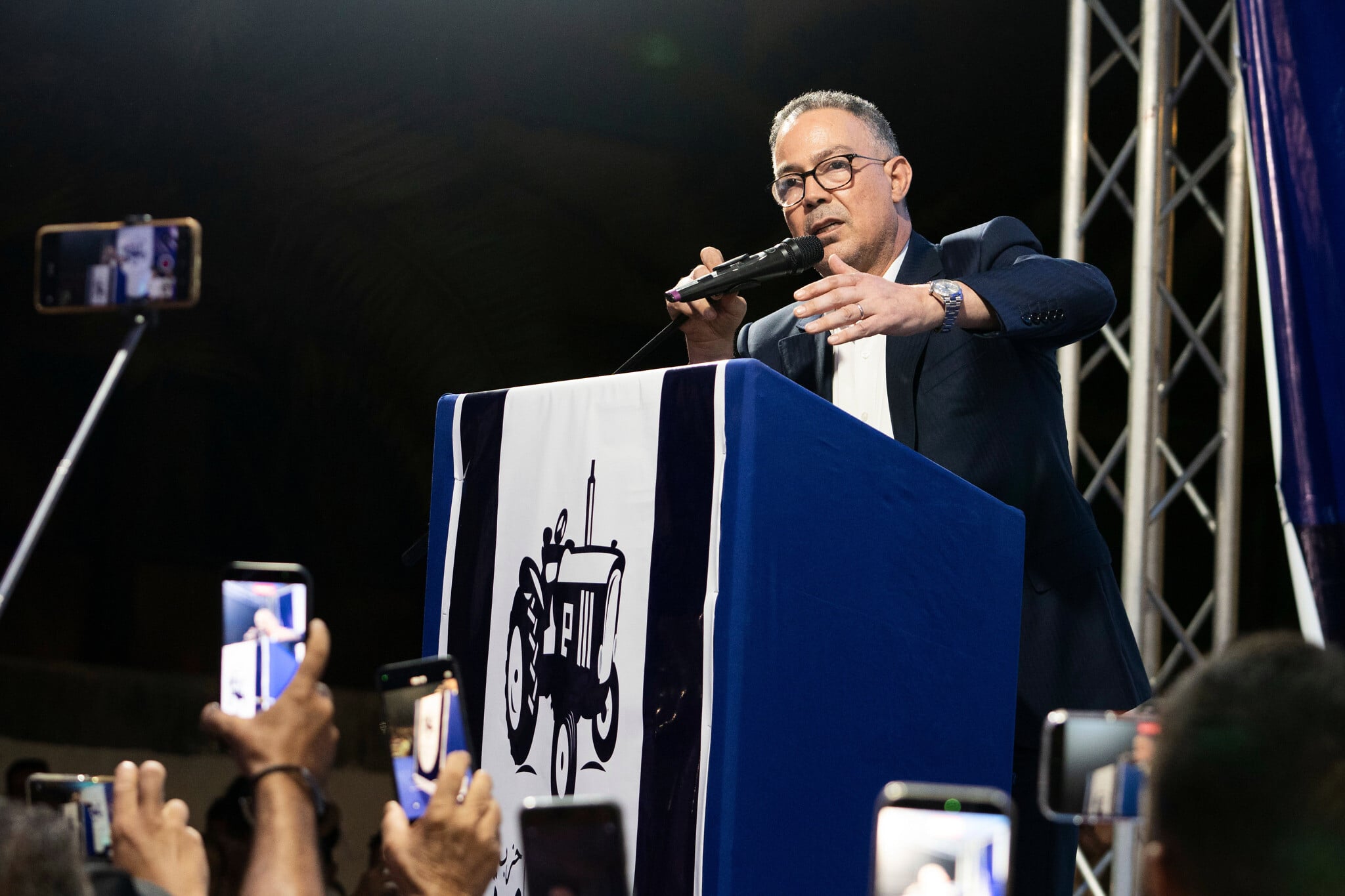
Traditionally, the king has named the leader of the party that comes first as prime minister. But in recent months, attention has turned to other possibilities, such as Faouzi Lakjaa, president of Morocco’s soccer federation, who recently joined the PAM party as a member of its political bureau but is not the top party official.
Lakjaa, 56, who also oversees Morocco’s budget, has been buoyed by Morocco’s recent soccer achievements.
Yet at a rally last week, PAM members rooted for another candidate.
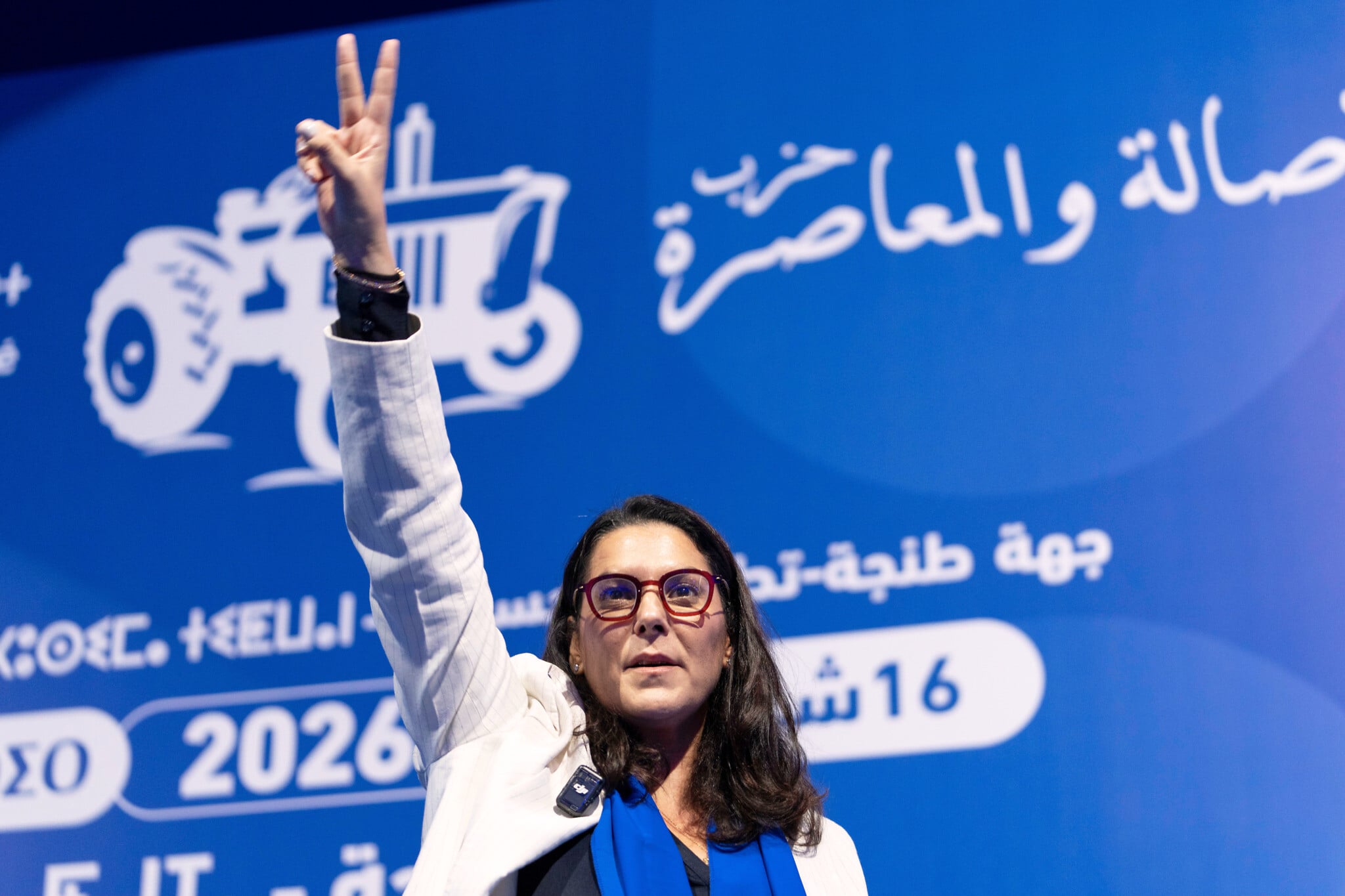
“We want a woman as prime minister,” many shouted, referring to Fatima-Zahra Mansouri, 50, mayor of Marrakesh and minister of urban planning. If PAM wins the election and she is named, she would be Morocco’s first female prime minister.
Another potential contender is Nizar Baraka, head of PI and minister of water. The grandson of a leader of Morocco’s colonial-era independence movement, Baraka’s supporters see his party as a defender of Moroccan values.
Former Prime Minister Abdelilah Benkirane, leader of the moderate Islamist PJD, is seeking a comeback after the party’s sharp defeat in 2021, when it went from 125 seats to 13.
Young Moroccans who tried to reach Ceuta divided over vote
Young Moroccans are especially frustrated as the vote approaches. Youth unemployment reached 37% in 2025, while 2.9 million Moroccans aged 15 to 29 were not in education, employment or training, according to government figures.
Rather than joining traditional politics to make their voices heard, some have turned to street protests and attempts to leave the country. Their anger was evident in last year’s deadly Gen Z protests and the mass crossing into Ceuta this summer.
Ayoub Lasli, a lifeguard from Casablanca, was among the young Moroccans who swam into the Spanish exclave in July, hoping to find better job prospects.
Lasli doesn’t plan to vote.
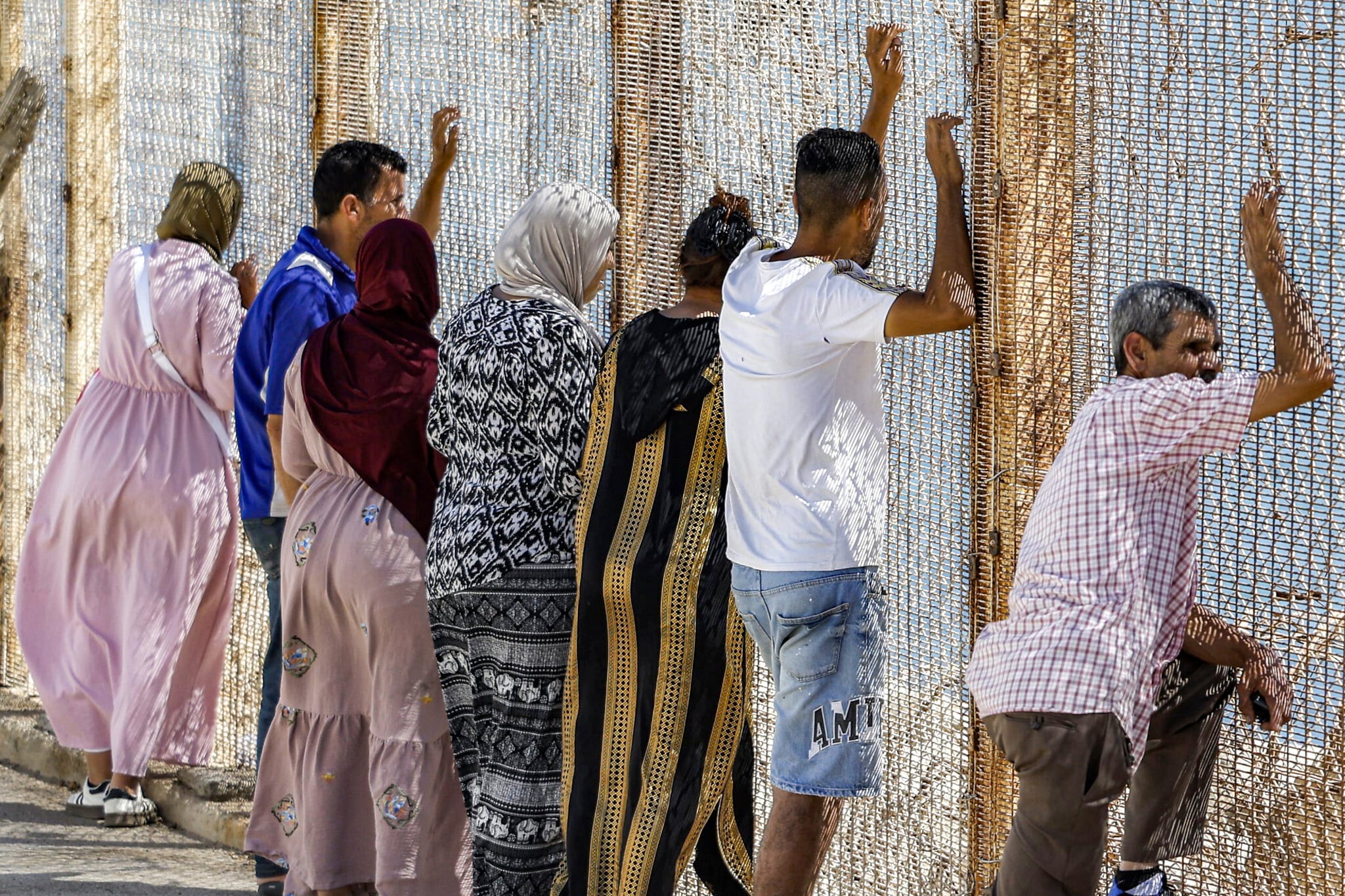
“I don’t care about politics and elections, and I don’t want to care,” he told The Associated Press.
Others who made the same attempt, such as 23-year-old Ayoub Belaidi, have a more nuanced view.
“Following the Gen Z movement, if young people’s voices are truly heard, change will happen,” he said. “Voting needs to improve the lives of Morocco’s youth.”
Voter turnout remains a key challenge
Of the 26.7 million Moroccans of voting age, 15.8 million are registered voters. Turning 18 is not enough to vote; citizens must register on the electoral rolls — a bureaucratic hurdle for many.
The number of registered voters has declined 9.7% from the 2021 elections even as the population has grown.
Though opinion polls are banned in the North African kingdom, observers expect participation to be low.
“Turnout is a key barometer of public engagement with the state,” said Kinnear.