Mother of slain teen rejects Women of Wall plan to pray in daughter’s name
Instead, Rina Ariel calls for people to ascend to Temple Mount and pushes to rename Mughrabi Gate for Hallel, killed in stabbing attack
Rina Ariel, mother of a teen slain by a Palestinian terrorist in her own bedroom in the West Bank settlement of Kiryat Arba last week, said she opposed a plan by the Woman of the Wall to dedicate a prayer service Thursday to her 13-year-old daughter.
“I am hearing about this for the first time from you,” Ariel told Haredi radio station Kol Hai on Tuesday, as she expressed her disapproval of the plan for a Thursday prayer service in honor of her daughter of Hallel Yaffa Ariel.
“We really want everyone to see our pain, and we appreciate the prayers of a woman, but from our perspective things should be done in a halachic way and definitely not in other ways,” Ariel, who is Orthodox, said.
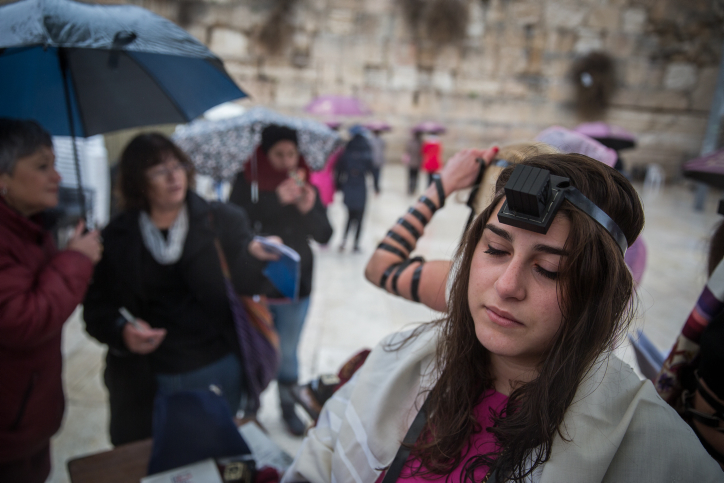
The Women of the Wall works for the right for women to pray at the Western Wall, Judaism’s holiest prayer site. The site is administered by ultra-Orthodox authorities who have a monopoly over religious affairs in Israel and oppose mixed-gender or female-led prayers.
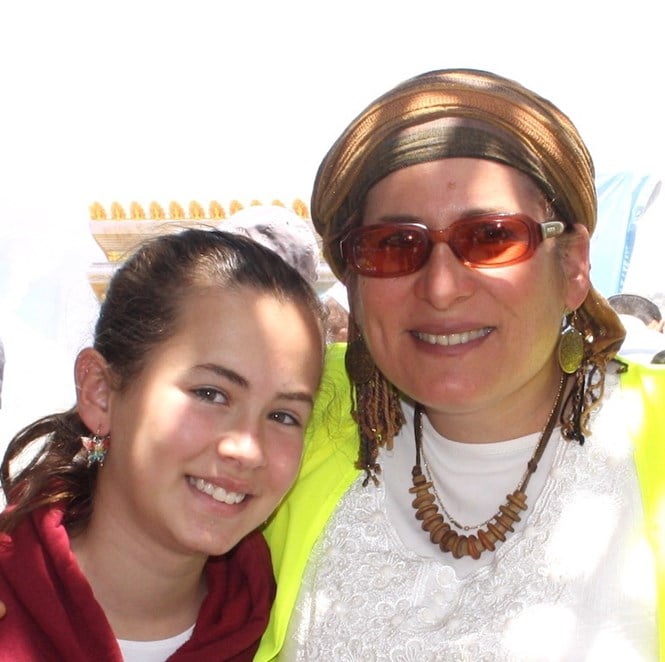
The Women of the Wall announced on Sunday that it would dedicate its next service for the new month to Hallel Ariel.
But the bereaved mother said she did not want her daughter’s name used to further the agenda of the Women of the Wall.
“Hallel has become the daughter of the entire nation. and not just our own daughter. But we really want her to be just our daughter,” she said.
Ariel had an alternative suggestion for those wishing to show solidarity with the family and the memory of her daughter. She called for people to ascend to the Temple Mount next Tuesday.
She also requested that the gate leading to the Temple Mount be renamed after her daughter. “The people decided on the name of the Mughrabi Gate. Let the people decide on a new name,” Ariel said, when asked whether she thought the government would approve such a change.
The Mughrabi Gate is the entrance used by non-Muslims to the Temple Mount. The Gate was probably built in the 12th century. It was named after the residents of the adjacent neighborhood, who had come to Jerusalem from Maghreb or Morocco in the days of Saladin.