Myanmar calls landmark Rohingya genocide ruling ‘unfair’ as refugees expect action
ICJ orders reparations, safe returns for the Rohingya community; refugees call ruling a ‘victory’ but demand enforcement; Malaysia says 10,000 Rohingya will be resettled in Turkey
Myanmar’s government on Friday rejected as “unfair” the landmark ruling by the United Nations’ top court that found the country committed genocide against its Rohingya minority, as refugees welcomed the judgment and urged the international community to ensure it is enforced.
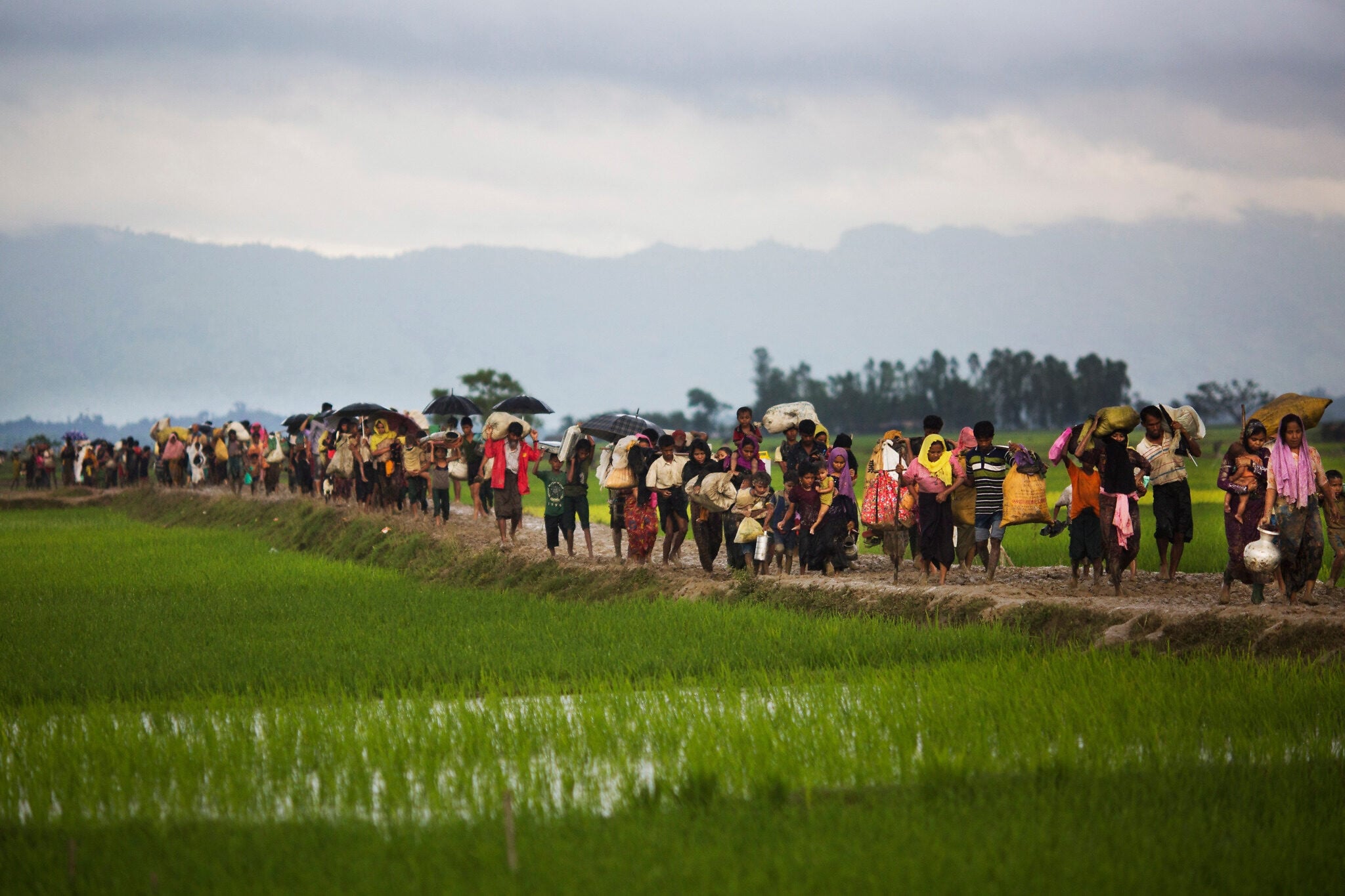
The ruling renewed focus on the fate of the Rohingya more than nine years after Myanmar’s 2017 military crackdown drove hundreds of thousands across the border into Bangladesh. More than a million Rohingya now live in Bangladesh, while governments across the region continue grappling with how to house, repatriate or resettle members of the persecuted Muslim minority.
Myanmar’s government has denied committing genocide, claiming it acted against insurgents in the 2017 military operation in northern Rakhine state.
Khine Khine Soe, spokeswoman for Myanmar President Min Aung Hlaing, noted the International Court of Justice decision handed down Thursday had been the result of a nine-to-six vote of the judges.
“Not all 15 judges agreed with the decision,” she told reporters in the capital Naypyitaw. “So it was not a decision made unanimously. I would say that it was unfair.”
The spokesperson said Myanmar had made “every effort” to address all questions brought up in court and “did our best to fulfill our obligations and address the issues in accordance with international standards.”
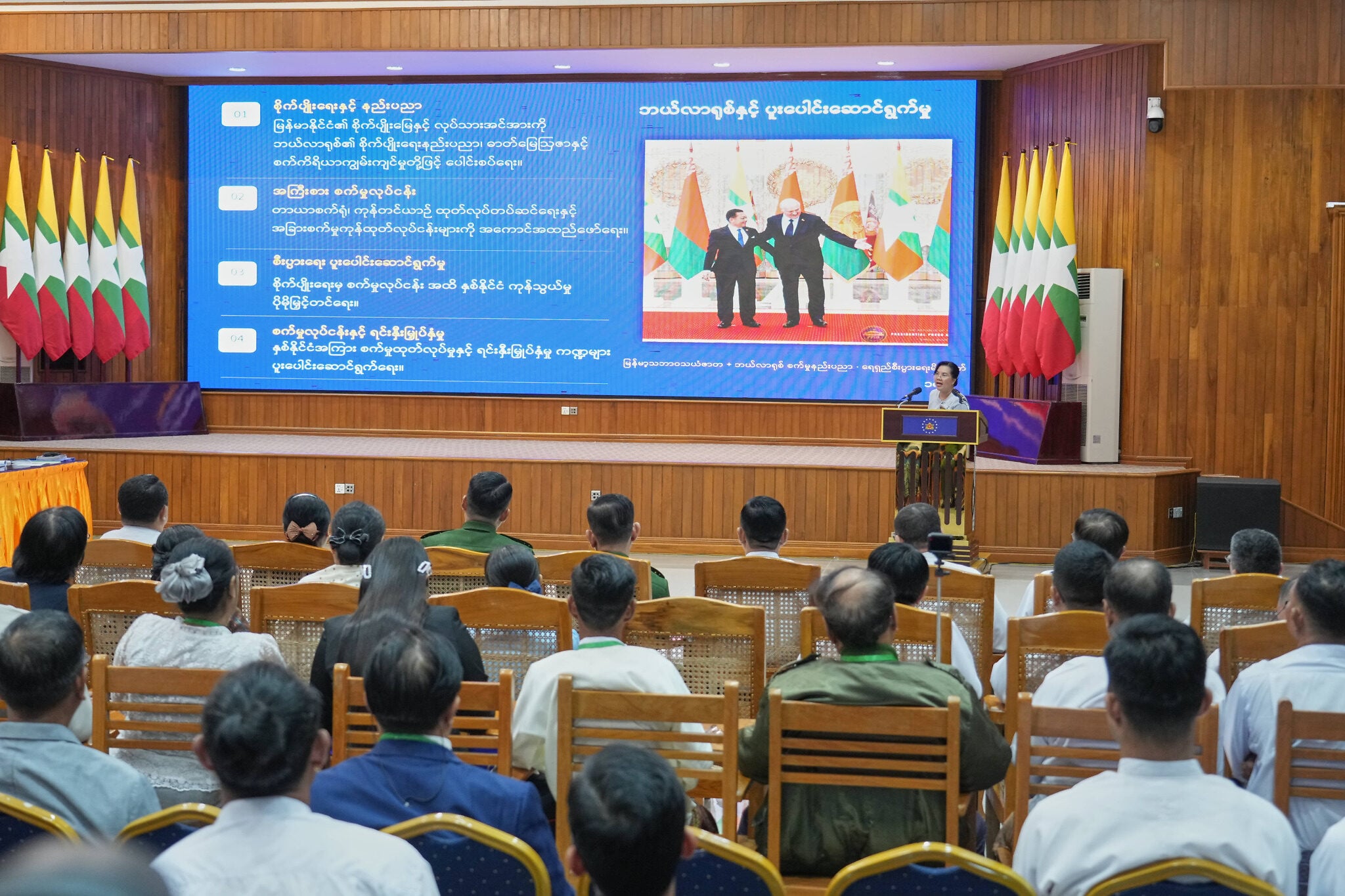
The current president, Min Aung Hlaing, was the military’s commander in chief and was in charge of the 2017 operation.
The campaign led to accusations that security forces committed mass rapes and killings and burned thousands of homes.
Ordered to allow Rohingya to return home
The court said that evidence showed Myanmar forces killed about 10,000 Rohingya. Under the 1948 convention, to establish that genocide occurred, the court had to find that there was an intent to destroy the Rohingya “in whole or in part.”
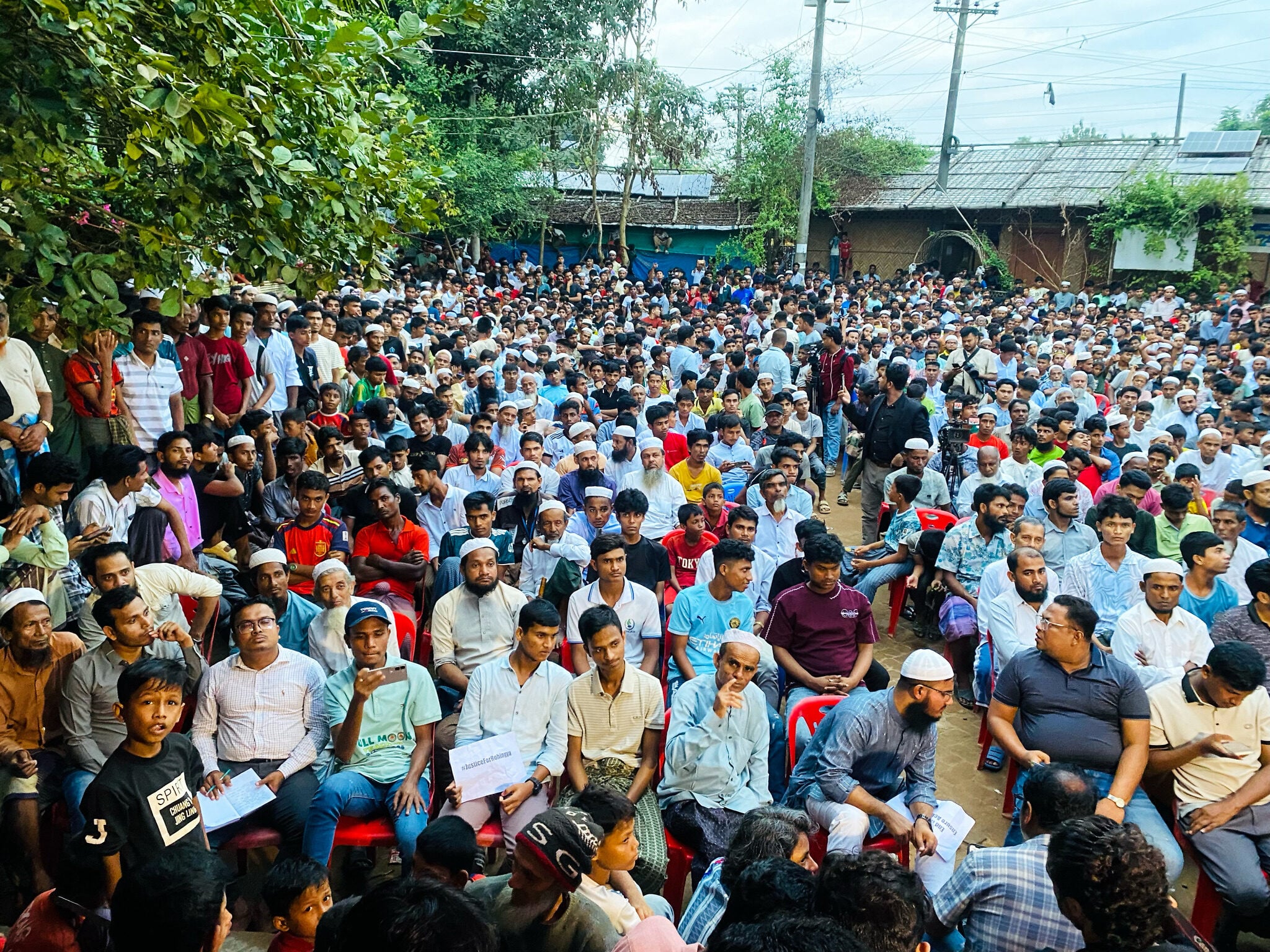
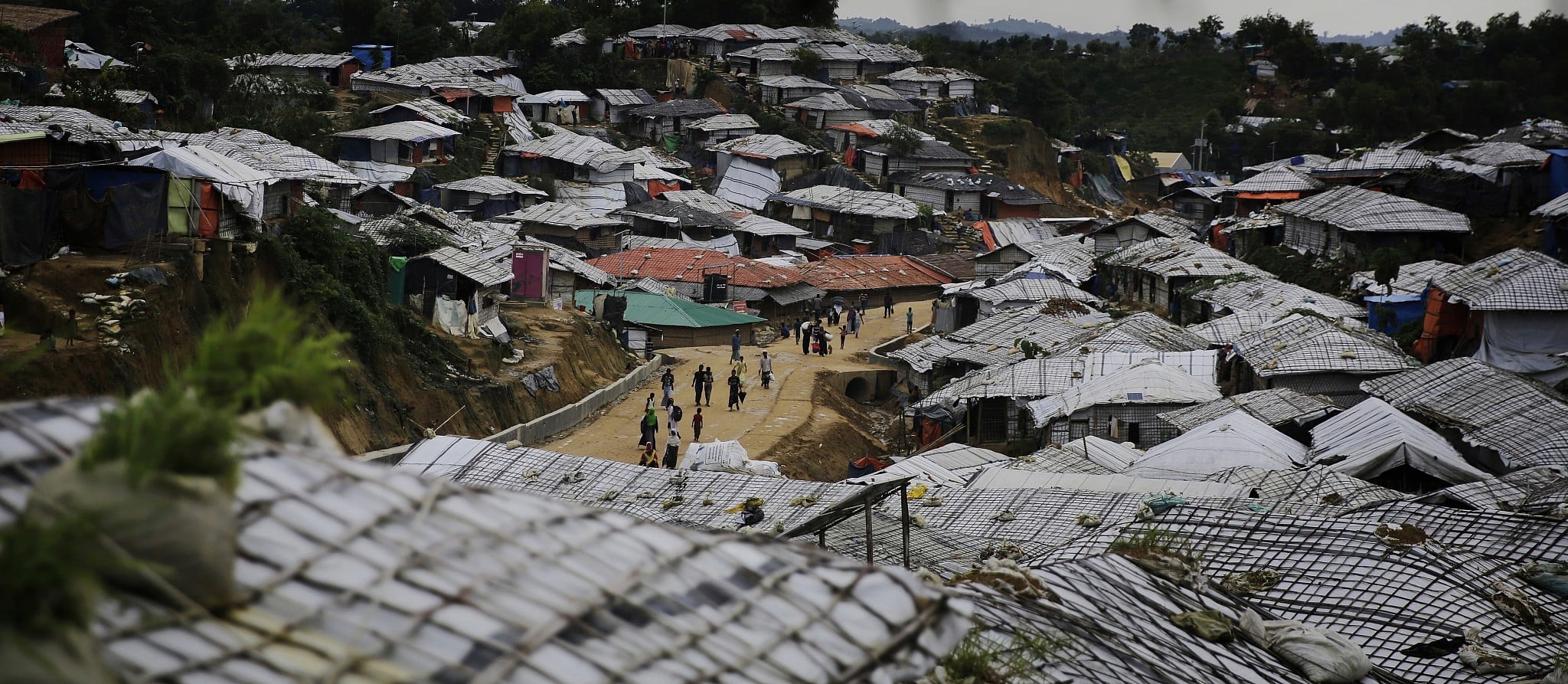
Amid the denials, hundreds of Rohingya refugees in Bangladesh sat in front of a big screen at their sprawling camp in Cox’s Bazar, watching the news of the ruling in The Hague, Netherlands.
For many, the historic verdict represented a “small victory” — offering a glimmer of hope that someday they would be able to return safely to their homes in Myanmar, across the border from Bangladesh.
Only then, some said, will they be “fully satisfied.”
The International Court of Justice ordered Myanmar’s military-supported government to allow the Rohingya to return home safely, to pay reparations to the Rohingya Muslims, and to prosecute those suspected of having committed genocide.
The government spokeswoman did not address these demands when speaking to reporters, stating that the court’s decision and judges’ opinions were more than 300 pages long and would need to be assessed.
“Since these are legal documents, we will need to take our time and study them carefully,” she said.
It remains to be seen how much of the ruling can be implemented. The court’s rulings are final and legally binding, but it has no way to enforce them beyond reporting noncompliance to the UN Security Council.
‘Not an end’ to the refugees’ ordeal
At the refugee camp in Cox’s Bazar, Rohingya refugees told The Associated Press of their concerns.
Mohammad Rofik, a Rohingya community leader at the camp, said the verdict was “a victory” for them as it recognized the genocide and the suffering of their minority in the Buddhist-majority nation, but that it was “not an end” to their ordeal.
“Justice has started,” Rofik said, adding that the Rohingya still have “a long way to go.”
For Sayed Ullah, another Rohingya community leader, the verdict was a historic recognition that the Rohingya are a distinct ethnic group.
“Myanmar denies the existence of the Rohingya, but now the court made it clear,” he said.
“The Rohingya have their own distinct culture, their own language, their own land and everything else that defines an ethnic group,” Ullah said. “We, the Rohingya, have all the characteristics of a distinct ethnic group.”
Other refugees reacted sharply, saying that the international community should punish Myanmar authorities.
“The court has stated and established that genocide was committed against the Rohingya people,” said Mohammad Osman, a Rohingya refugee. “Based on this ruling, the entire Rohingya community is calling on … (the world) to impose severe punishment on Myanmar.”
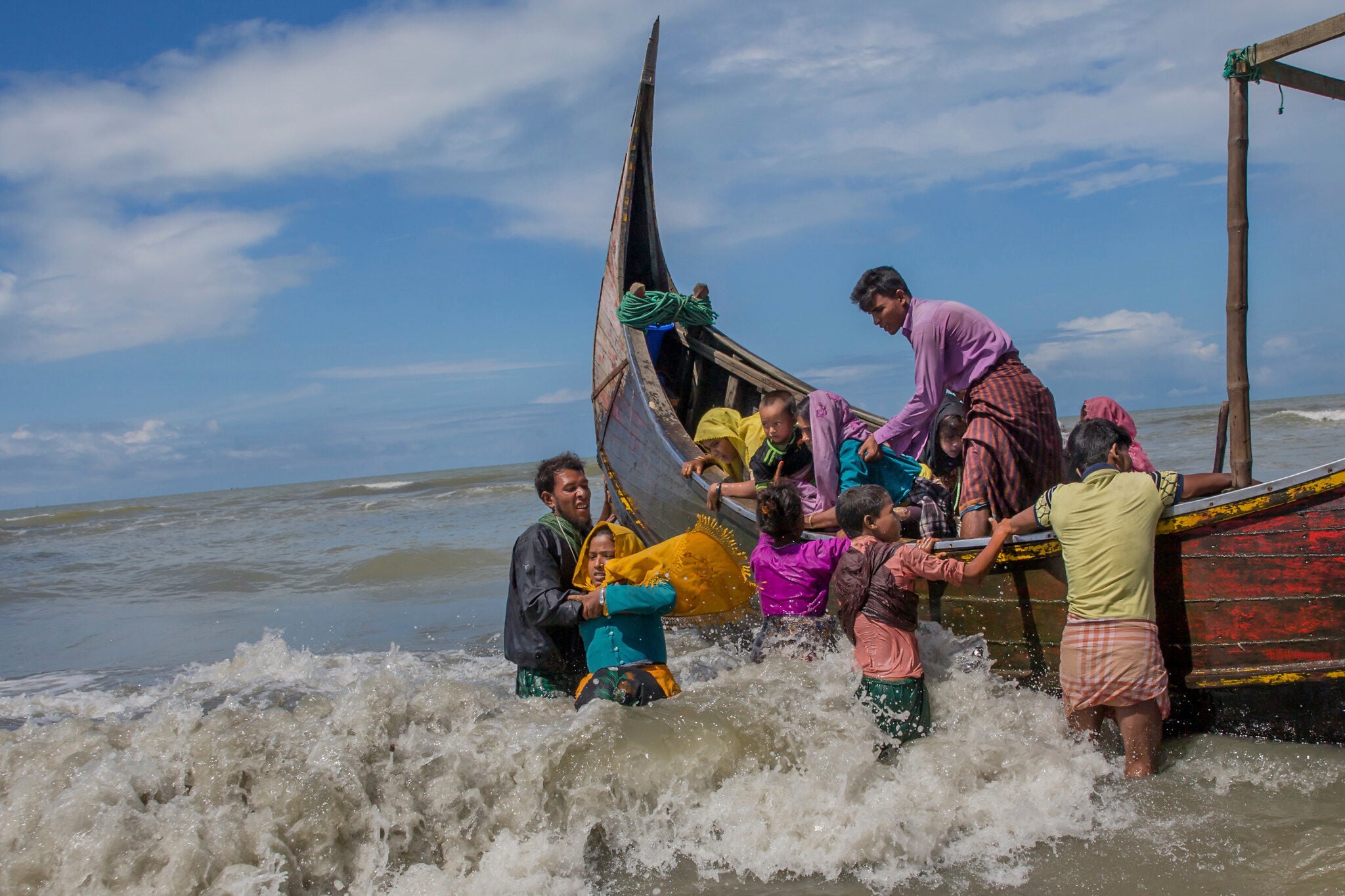
About 1.2 million Rohingya refugees now live in Bangladesh, primarily in crowded camps across Cox’s Bazar district, where they endure harsh conditions marked by fire hazards, infectious diseases, monsoon landslides, inadequate sanitation, and strict work restrictions.
Malaysia working to resettle 10,000 Rohingya in Turkey
Bangladesh has been urging the international community to help repatriate the refugees.
Against that backdrop, Malaysia said Friday it was seeking to resettle 10,000 Rohingya refugees in Turkey as part of efforts to address the long-running regional refugee crisis.
The announcement by Deputy Prime Minister Ahmad Zahid Hamidi came a day after the UN’s ruling.
“Following my recent official working visit to the Republic of Turkey, the Cabinet has agreed to a proposal to resettle 10,000 Rohingya refugees from Malaysia to Turkey through a structured skills training program,” Ahmad Zahid said.
“I put forward this proposal as part of the government’s efforts to address the situation of Rohingya refugees in Malaysia in a more coordinated, effective and humane manner,” he said.
Rohingya refugees will undergo a Technical and Vocational Education and Training (TVET) program in Turkey, which would last three to six months.
The training will focus on practical skills that are in demand among employers across various industries in Turkey, Ahmad Zahid said.
Malaysia in late September sent back around 1,500 Myanmar nationals as it launched a plan that rights groups say may endanger migrants by returning them to the war-torn country.
Kuala Lumpur said the group agreed to “voluntary” repatriate from detention centers amid an uptick in anti-migrant sentiment in Malaysia.
The government said in October it would seek clarification from authorities in Myanmar over reports that hundreds of migrants recently returned to the country were being held in detention.

Rohingya make up two-thirds of the 190,000 Myanmar refugees and asylum seekers in Malaysia, according to the United Nations.