Nepal warns of possible fresh flooding as communities grapple with devastation
Death toll passes 800 with 3,000 still missing, as rescuers scramble to find survivors of Wednesday's flood; residents begin to return to ruined homes; mass burials begin
DHADING, Nepal — Authorities in Nepal warned of possible fresh flooding on Sunday and urged residents in flood-affected districts to remain on high alert after water levels rose in the Bhotekoshi River.
Flood warning notices were sent to people’s phones early Sunday as rescue crews worked to clear a major highway connecting Kathmandu to one of the areas worst hit by Wednesday’s catastrophic floods, which killed at least 800 people and left more than 3,000 missing in Nepal and Tibet.
The flood was triggered by a glacier collapse that unleashed a catastrophic mudslide across the Himalayas on Wednesday.
The latest warnings came after Chinese authorities informed their Nepalese counterparts of increased water flow upstream, according to Dharam Raj Uprety, chief executive of Nepal’s National Disaster Risk Reduction and Management Authority.
The Chinese state news agency Xinhua, citing the country’s water resources ministry, said a new lake formed after Wednesday’s floods high in the mountains had largely drained.
But Xinhua said the ministry warned that a crater located 5.6 kilometers (3.5 miles) upstream, which held an estimated 1.4 million cubic meters of water, still posed some risk and required close monitoring.
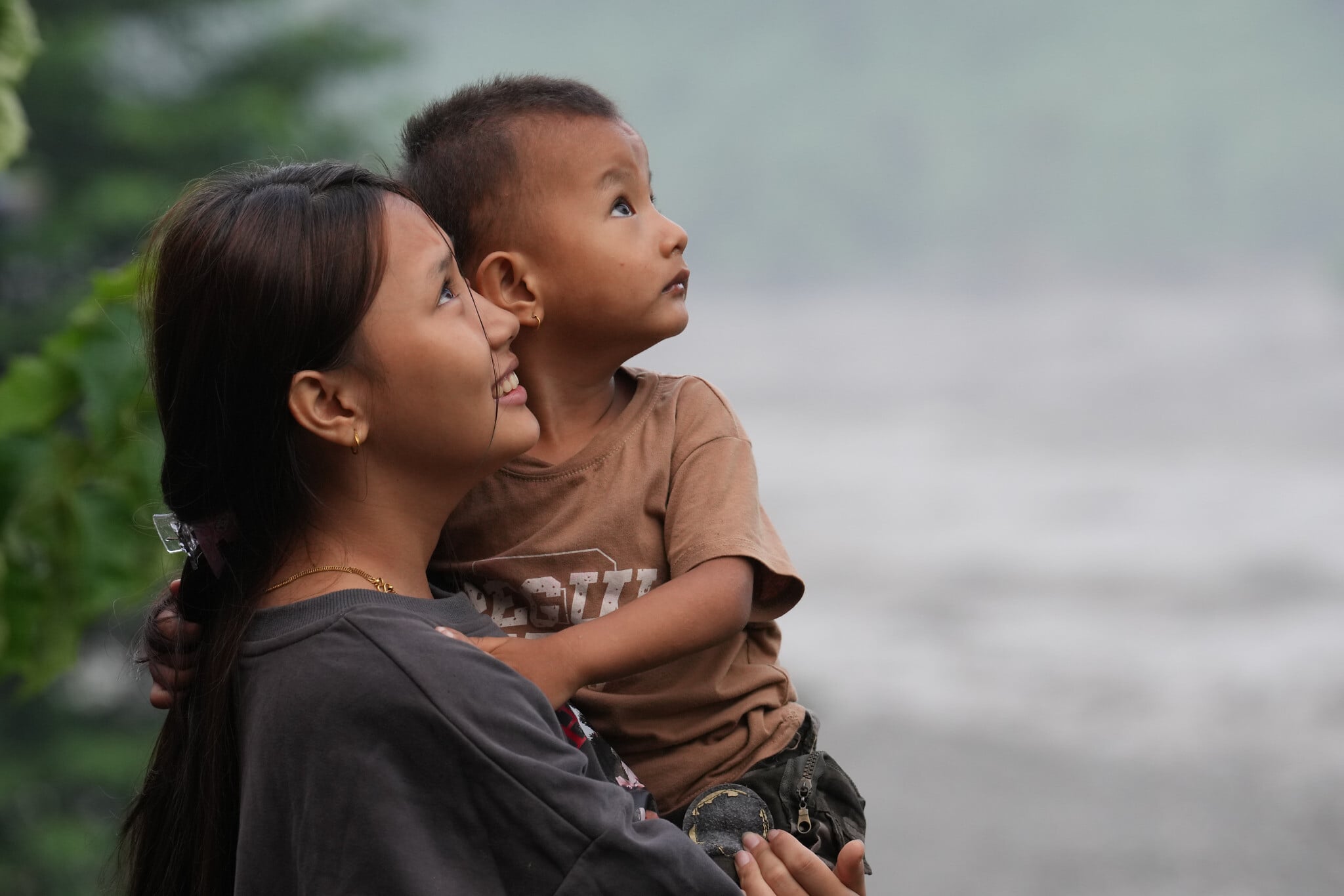
Nepal’s disaster agency said Sunday the death toll had climbed to 788 with 2,502 missing, while Chinese authorities reported 16 deaths and 546 missing on the Chinese side of the border.
Rescuers in both countries were racing on Sunday to find the thousands of people missing, as they faced challenging weather conditions and rising water levels.
Local police in Nepal told Reuters that residents and rescue workers had moved to higher ground after the Trishuli River’s water levels rose in recent hours following fresh rainfall, raising fears of additional flooding.
Rescue operations have been suspended several times since Friday because of bad weather and concerns that a lake formed across the Nepal-China border by the disaster could trigger fresh flooding after it began overflowing into Nepal’s Lhende Khola and Trishuli Rivers.
The missing include hundreds of people from over a dozen countries who were in the region to work, visit the mountains or make a pilgrimage to a sacred peak. On Sunday, Chinese state media said 261 foreigners were missing in Tibet, including over a hundred Nepalis and others from around the world.
Hundreds said to be trapped inside tunnel
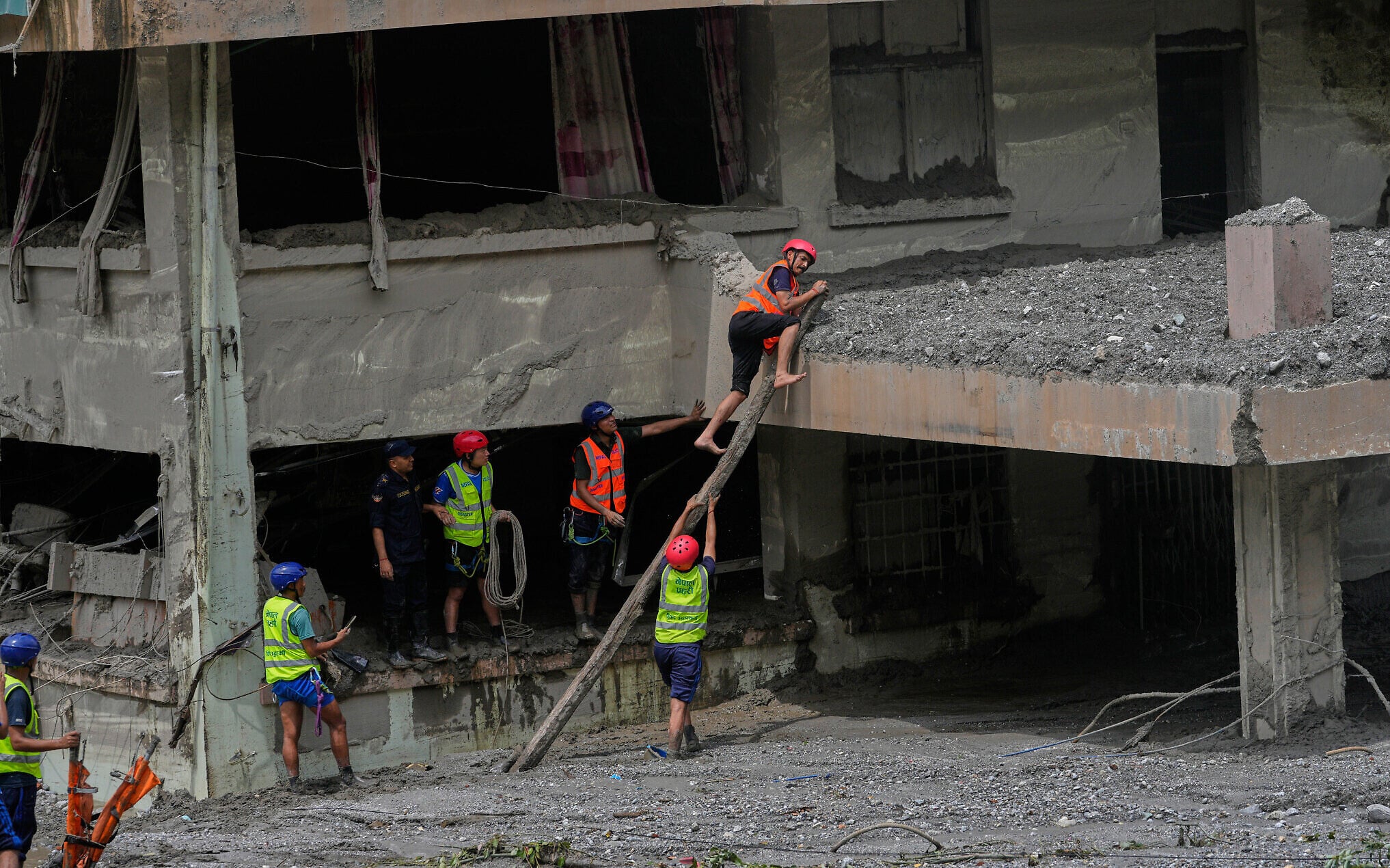
In Nepal, rescue efforts have increasingly focused on five hydropower projects inundated by the floods, including the Upper Trishuli complex, where authorities said on Friday they received information that around 350 people could be trapped inside a tunnel. About 10,000 Nepali troops have been deployed alongside specialist teams from China and India.
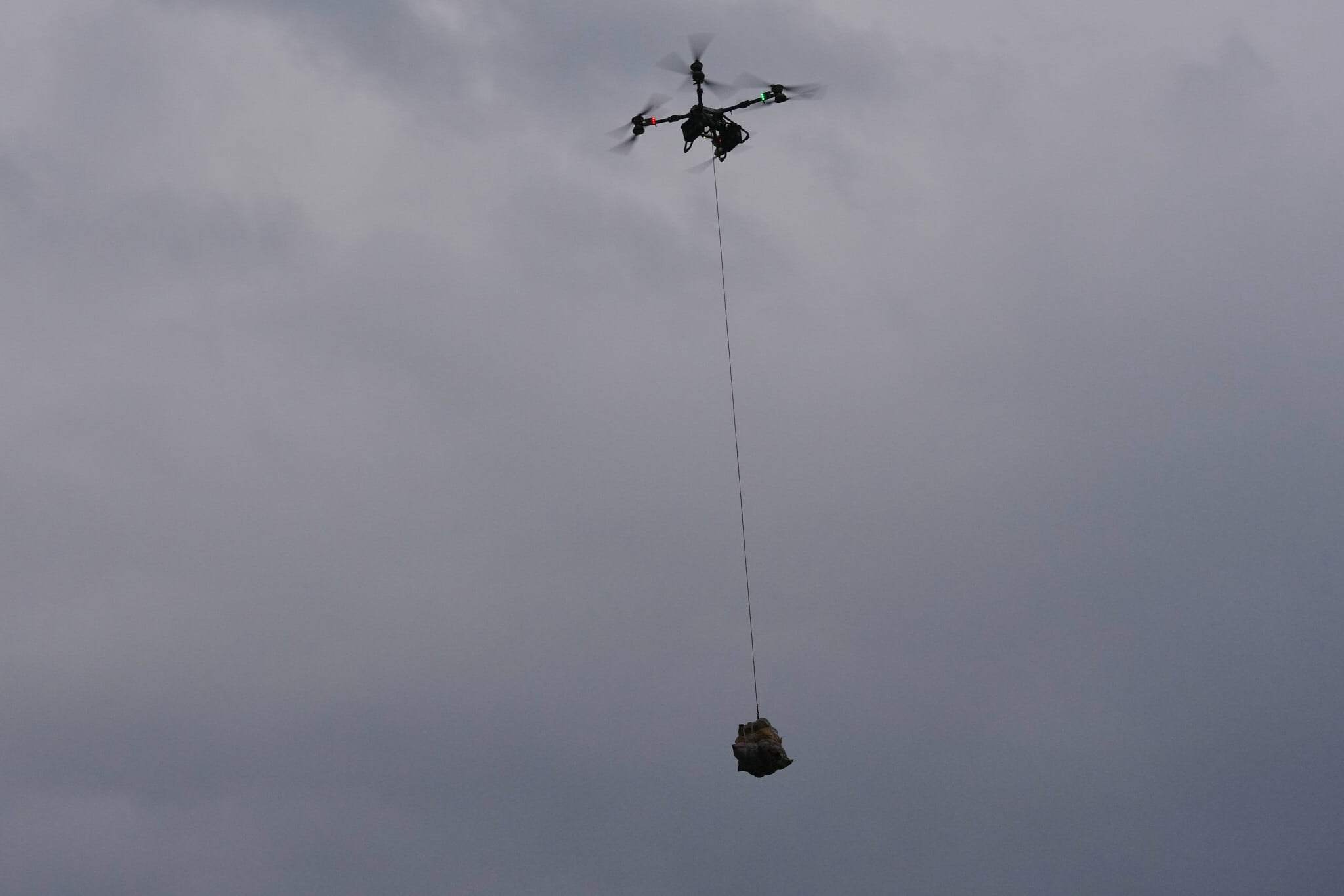
Nepal’s military airlifted heavy machinery to the remote site on Sunday and rescuers reached the entrance of one tunnel, beginning to clear debris blocking access. Authorities said teams carrying oxygen supplies and cameras would enter once access was secured.
“It’s very tough because there’s a lot of debris and we cannot blast things to make our way through,” said Dharam Raj Uprety, chief of Nepal’s national disaster management authority.
Lok Bahadur Chhetri, a spokesperson for Nepal’s foreign ministry, said Nepal required international assistance in specialized areas, including tunnel rescue operations, DNA testing, refrigerated storage for bodies and forensic identification of decomposed remains.
Mass burials of unidentified bodies begin in forest
Days after desperate relatives moved between hospitals, morgues and relief centers searching for loved ones, authorities in Nepal began mass burials of hundreds of unidentified victims whose bodies had started to decompose.
In Chitwan district, about 200 kilometers (125 miles) from the disaster zone, authorities dug hundreds of graves in a forest at Devghat for bodies swept downstream from the flood-hit Rasuwa region.
“We were left with no other option,” said Ganesh Aryal, chief district officer of Chitwan. “Our concern was the risk to public health posed by the rapid decomposition of the bodies.”
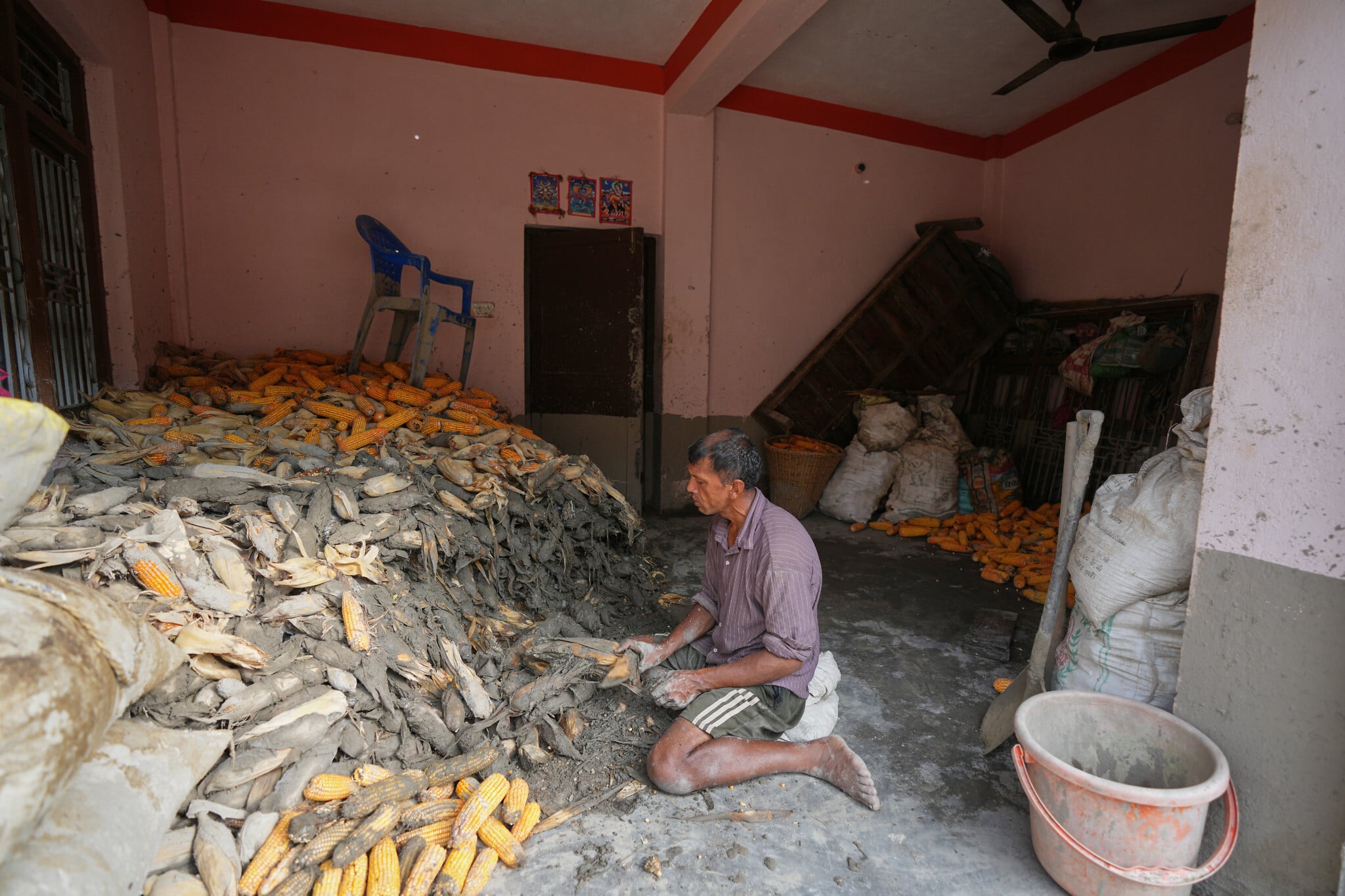
Authorities buried 96 unidentified bodies on Saturday and planned to bury more than 100 others on Sunday as recovery teams continued retrieving victims from rivers and debris. DNA samples were collected and burial sites carefully documented in the hope that families may still be able to identify relatives later.
“Of the bodies we have recovered so far, more than half are beyond recognition,” police officer Anil Thapa told Reuters. “Many have no visible faces. In some cases, only hands or legs remain; in others, only parts of the body are available.”
Survivors are returning to what remains of their homes
In Dhading, one of the worst-hit regions in Nepal, some residents began returning to ruined homes to see what can be salvaged.
Residents sat in homes with walls washed away by the floods, shoveling sludge-like mud and rubble off balconies or window frames. Others scanned the ground for items they could pick out of the mud and rinse off. One man had returned for his chickens, which he found alive. He tied them up and put them in the cabin of his truck.
“Everything is finished. Nothing is left. Not even our home,” Sharmila Tamang, a Dhading resident who was trying to salvage items from her home, told The Associated Press.
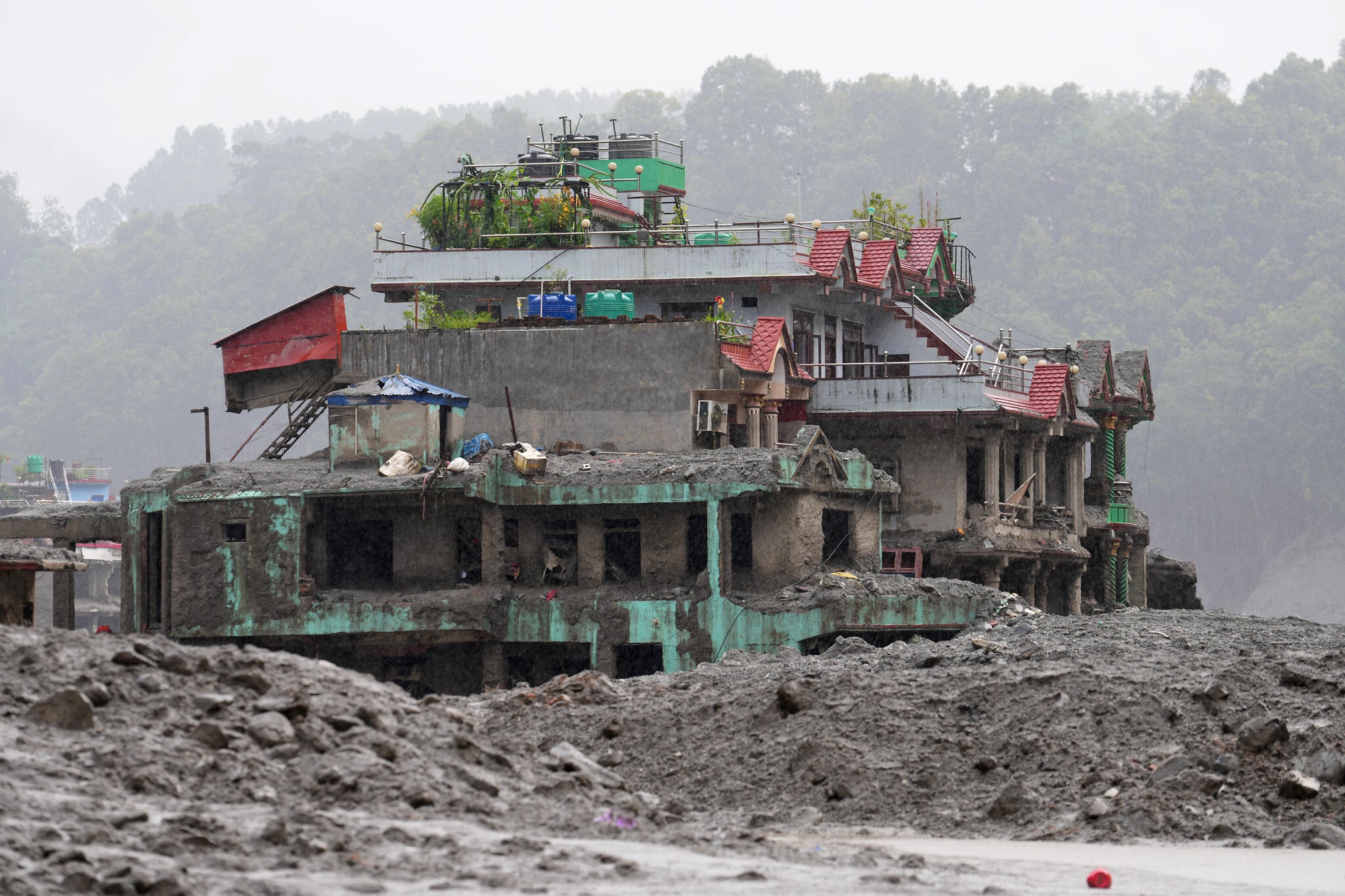
At a key power plant that was severely damaged by the floods, workers started inspecting the facilities Sunday to survey the destruction. The plant serves over 20,000 people across four districts.
In the town of Galchhi, a group of residents sought higher ground on a nearby bridge and watched as the river roared by. Some pointed to enormous rocks washed downriver during the earlier floods, while others standing on a suspension bridge were warned off with whistles.
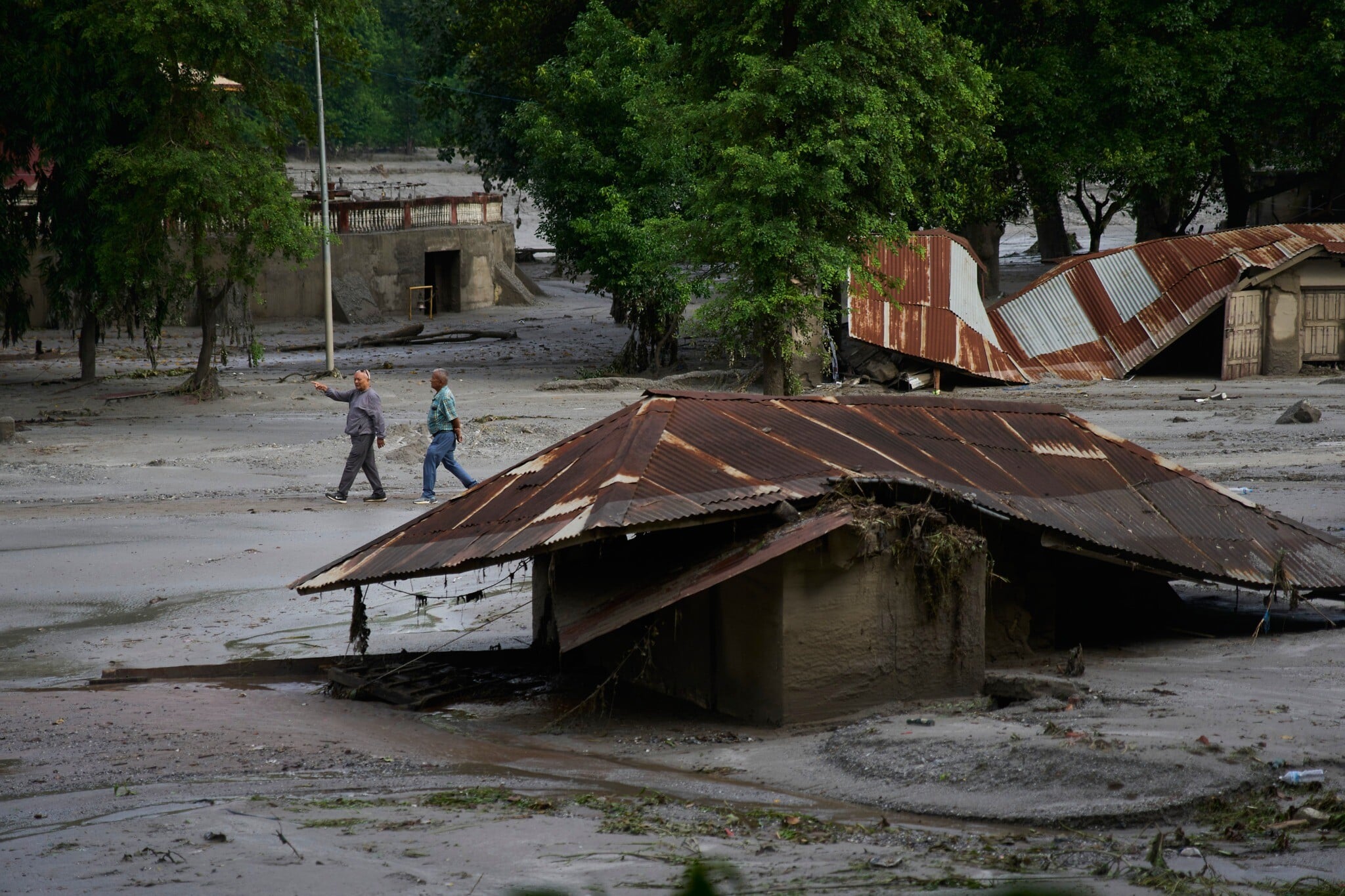
Along the river, homes, vehicles and farm tractors could be seen jutting from the thick gray-brown sediment that enveloped entire villages in some areas. Parts of rice terraces along the riverside had dropped into the river after landslides hit them.
Residents are receiving constant flood warnings
Homes and businesses left intact after the flooding were still without electricity on Sunday, as twisted power line poles and wires lay tangled in the mud.
Residents of flood-hit villages said they were struggling to make sense of near-constant alarms they’ve received since the initial floods.
“Sometimes they say a flood is coming, then we have to run again to higher ground, even at night. There is also rain,” said Govind Shreshta, a resident. “It’s really difficult for me. I have a 72-year-old father and 70-year-old mom. I must carry them and I am exhausted. It’s going on like this for those who are still alive.”
Large concrete and smaller suspension bridges were destroyed, leaving communities on the other side of the river with less easy access.
“Those who are there are now stuck there. Those who are here are stuck here. It’s going to be very difficult,” said Sattan Singh Tamang, 47, who was working near a bridge when Wednesday’s floods came.
Minister says Nepalis have become victims of climate change
Scientists who studied satellite images said the flood occurred when bedrock underneath a glacier high in the Himalayan region had collapsed, taking part of the glacier with it. The rockfall was so extreme that it registered as a magnitude 5.2 earthquake.
The rocks and melted water then swelled the rivers in the valleys below, causing a torrent of water that swept buildings, bridges and earth downstream in Tibet and Nepal.
Nepal’s foreign minister called for a global response to climate change, saying Nepal was bearing a disproportionate share of its impact.
“Despite having only 0.1% contribution to the global emissions, people of Nepal have become major victims of climate change,” Shisir Khanal said Saturday.
Scientists have said it is too early to draw a direct connection between global warming and Wednesday’s catastrophe. However, they said that as Earth’s temperature rises because of human activities such as burning oil, gas and coal, the chances of such disasters increase, especially in the Himalayan mountains, which are warming considerably faster than many other parts of the world.
Meanwhile, Malaysia’s Prime Minister Anwar Ibrahim said Sunday his country will send a search-and-rescue team to Nepal to assist with relief efforts and help evacuate Malaysians affected by the disaster.
Malaysia has also pledged $1 million in financial aid to Nepal, he said in a statement.
An Israeli aid group, NATAN Worldwide Disaster Relief, was also sending a team to Nepal to assist with the relief effort.
Times of Israel staff contributed to this report.