Netanyahu boasts of Likud renewal, but his new slate is a faded copy of the old
With voter turnout at a low 53%, the prime minister’s rigged primary sidelined independent voices in favor of loyalists and handpicked political functionaries
The Likud primary can be neatly summed up by the sunny – and entirely false – statement issued on Tuesday by party chairman Prime Minister Benjamin Netanyahu after the results were published.
“The Likud slate reflects renewal and the integration of new forces at the top of the list,” Netanyahu wrote.
No, it doesn’t. The Likud slate is a faded copy of the previous one, boasting neither renewal nor new forces, and above all, representing a sharp decline in both quality and moral standards.
The top 10 spots still feature, just as they previously did, Energy Minister Eli Cohen, Defense Minister Israel Katz, Knesset Speaker Amir Ohana, Justice Minister Yariv Levin, and Transportation Minister Miri Regev.
To these is added the reserved slot for Foreign Minister Gideon Sa’ar — a former senior Likud member who defected to form the rival New Hope party, spent years vowing never to sit with Netanyahu, and has now returned to the Likud fold in exchange for a guaranteed political lifeline. This makes Sa’ar a glaring symbol of bad politics, opportunistic defection, and the blatant political horse-trading of the current generation.
Familiar, lackluster faces fill the second 10 spots on Netanyahu’s slate as well.

The list includes the semi-anonymous coalition whip Ofir Katz, Education Minister Yoav Kisch, Culture and Sports Minister Miki Zohar, Diaspora Affairs Minister Amichai Chikli, Regional Cooperation Minister Dudi Amsalem, and MK Moshe Saada.
And of course, this group also includes that oh-so-charismatic, handpicked candidate, Tourism Minister Haim Katz.
Haim Katz is a formidable behind-the-scenes power broker who commands massive influence over the Likud Central Committee and the powerful Israel Aerospace Industries workers’ union. But he’s also someone Likud members would have happily pushed down to an unrealistic spot alongside his political proxy, MK Eti Atiya, who was ousted from the slate on Tuesday.
Katz was handed the reserved No. 18 spot only after striking a dubious quid pro quo with Netanyahu over the party’s reserved slots – a mechanism in the Likud constitution that allows the chairman to reserve specific places on the Knesset slate for candidates of his choosing, bypassing the democratic primary vote entirely and diluting the power of the rank and file.
Normally, Netanyahu would receive three such slots to fill at his discretion. This time around, the premier cut a deal with Katz: He received eight reserved slots in the top 30, but included Katz among them.
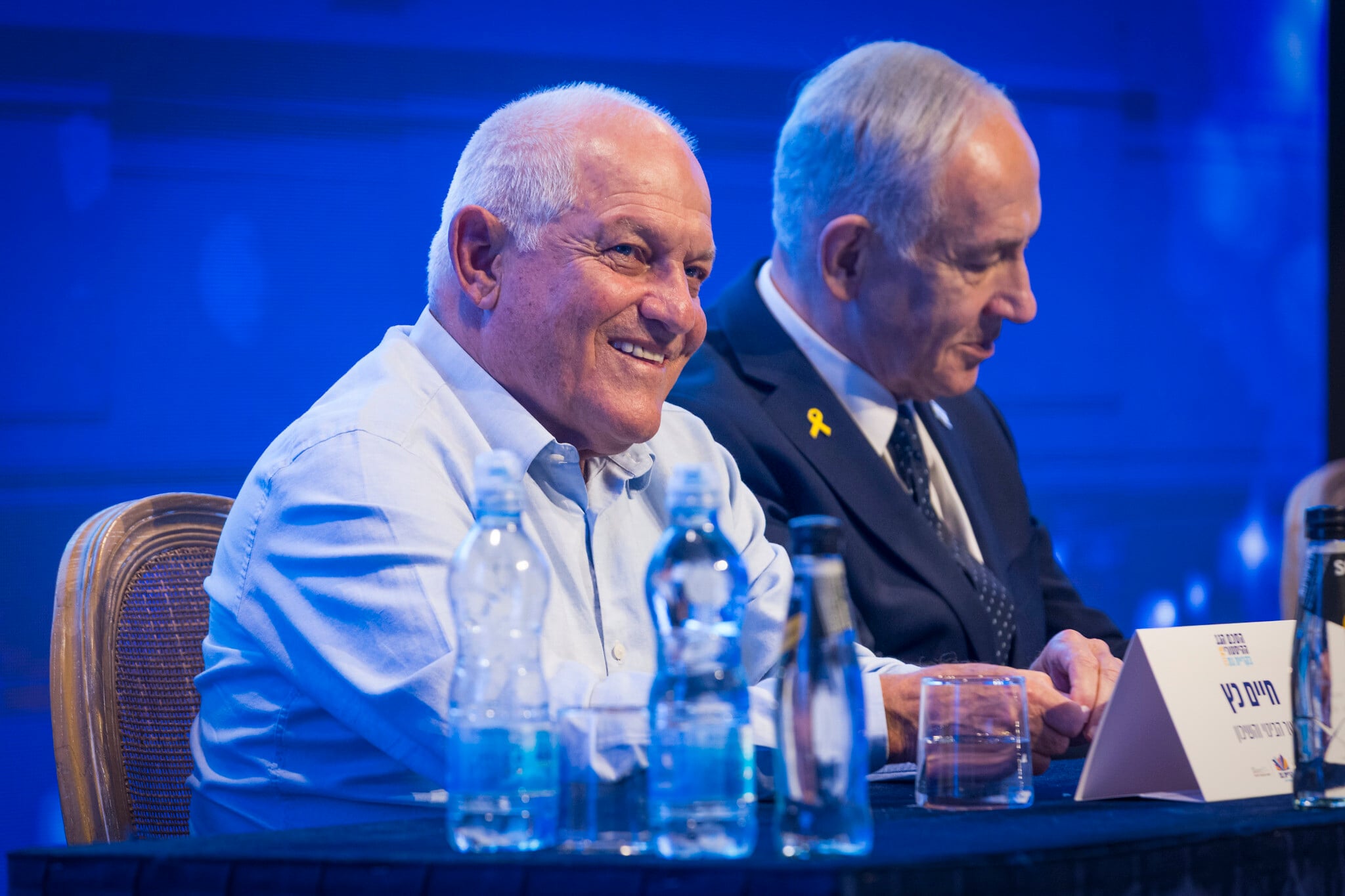
The activities of Katz, who serves as chairman of the Likud Central Committee and of the party’s constitution committee, help explain why participation in Monday’s Likud primary was so dismal. Only 53% of registered party members bothered to go to the polls.
The wheeling and dealing that preceded the vote, orchestrated by Netanyahu, Katz and others, included repeated attempts to undermine the confidence of the party’s rank and file in the primary process and even to cancel the primary and install a committee headed by Netanyahu to choose the slate, along with various other schemes designed to orchestrate a list of candidates most convenient for Netanyahu.
With eight slots ultimately reserved for Netanyahu’s handpicked choices, and constant meddling over the framework for composing the rest of the slate, the rank-and-file Likud members realized the game was rigged and that their ability to choose freely and exercise real influence had been reduced to an absolute minimum — so almost half simply stayed home.
There was also no attractive new national or security figure on the ballot who might have drawn potential voters to the polls.
After the Likud primaries in March 1996 — en route to Netanyahu’s first victorious campaign for prime minister, a time when he built a broad, dynamic coalition by recruiting highly popular generals and prominent Sephardic working-class leaders — he took the stage at the Tel Aviv Convention Center and praised Likud members including Maj. Gen. (res.) Yitzhak Mordechai, who had just joined Likud and won first place in those primaries.
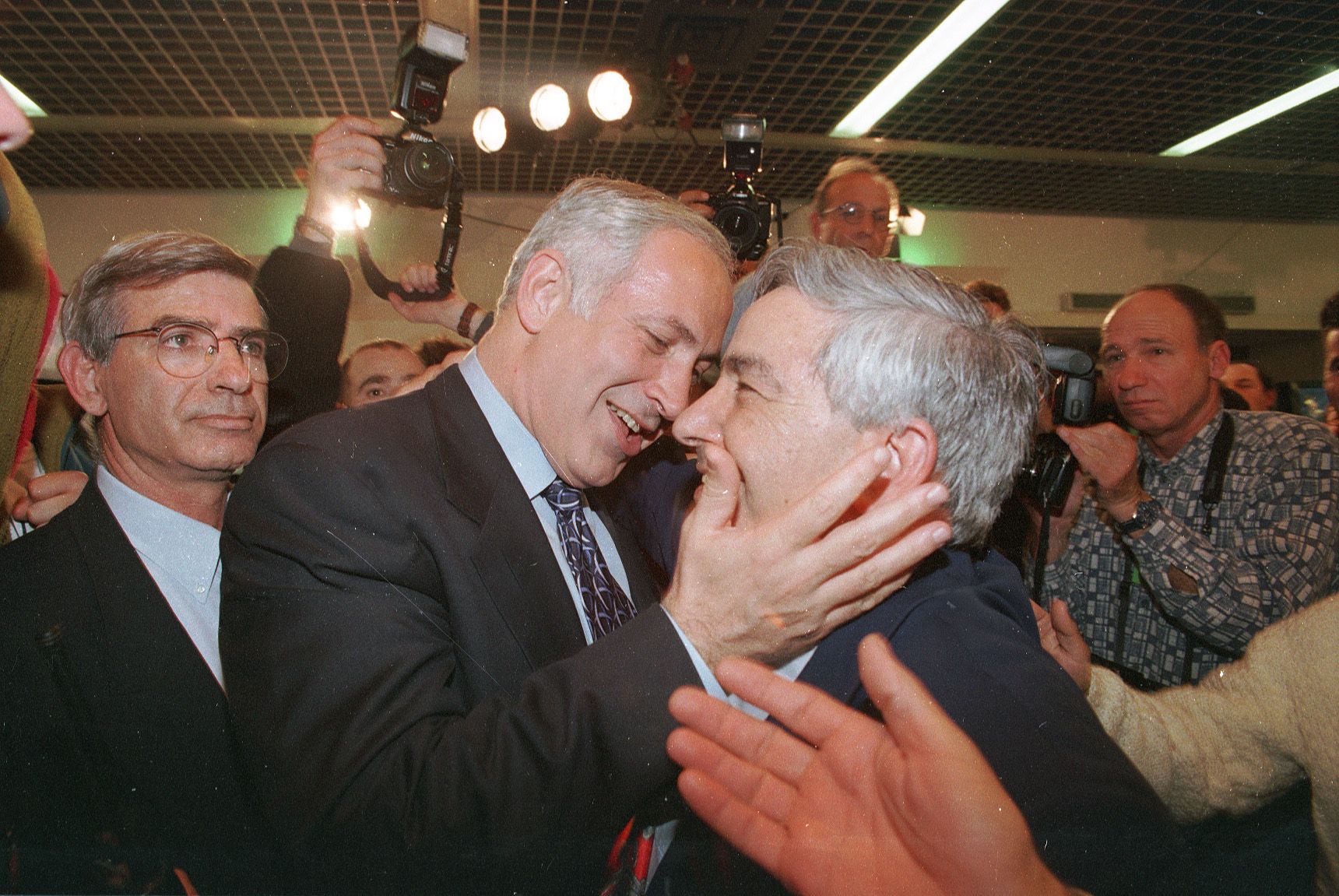
“You have elected an excellent leadership,” Netanyahu declared at the time. “Yitzhak Mordechai, Benny Begin, Dan Meridor, Ariel Sharon, Tzachi Hanegbi – this is excellent leadership.”
It is difficult to imagine Netanyahu delivering that same kind of speech today and presenting with equal enthusiasm the “excellent leadership” Likud elected this week.
Over the years, the prime minister eliminated any serious candidate who threatened him, leaving himself surrounded by mediocre loyalists who do his bidding — people even he cannot genuinely boast about or seriously describe as “leadership.”
Netanyahu, who took over the Likud leadership in 1993; Maj. Gen. Mordechai; Moshe “Bogie” Ya’alon, who joined in 2008 and captured eighth place in that primary; and others — they all represented a kind of new promise for Likud in their respective eras.
The only outsider to arrive this time is Deputy Minister Almog Cohen, a firebrand, far-right lawmaker who recently split from National Security Minister Itamar Ben Gvir’s extremist Otzma Yehudit party following internal disputes. Cohen’s transition to Likud marks the notable switch of a radical, extreme right-aligned voice into the mainstream ruling party.

Cohen received a coveted campaign video featuring the prime minister — something granted to only a handful of candidates – and was elected to the No. 14 spot on the Likud slate. For now, he is the only new face in Likud with the exception of tech entrepreneur Oren Dobronsky, who was handed the reserved No. 11 spot.
“Prime Minister Netanyahu thanks Likud members who voted according to common sense rather than deals,” Netanyahu said in a statement to those who participated in the primaries. Could there be a greater insult to the voters’ intelligence?
Netanyahu was the chief dealmaker here. He seized control of the slate at the expense of Likud voters and did not allow them to vote according to common sense. Netanyahu circulated hit lists targeting Economy Minister Nir Barkat, MKs David Bitan and Tally Gotliv, and others, meddled in the regional contests after pushing those slots farther down the list, and demanded votes for his own candidates, who ultimately won.
And finally, as Netanyahu wrote in his statement: “The prime minister also greatly appreciates those who did not succeed in entering the slate and intends to integrate them into efforts to secure a Likud victory.”
Of course. Netanyahu has enormous appreciation for Barkat, Avi Dichter, Ze’ev Elkin, Nissim Vaturi, May Golan, Hanoch Milwidsky, and all the others he deliberately pushed off the slate, and now he will give them alternative jobs in the Likud campaign.
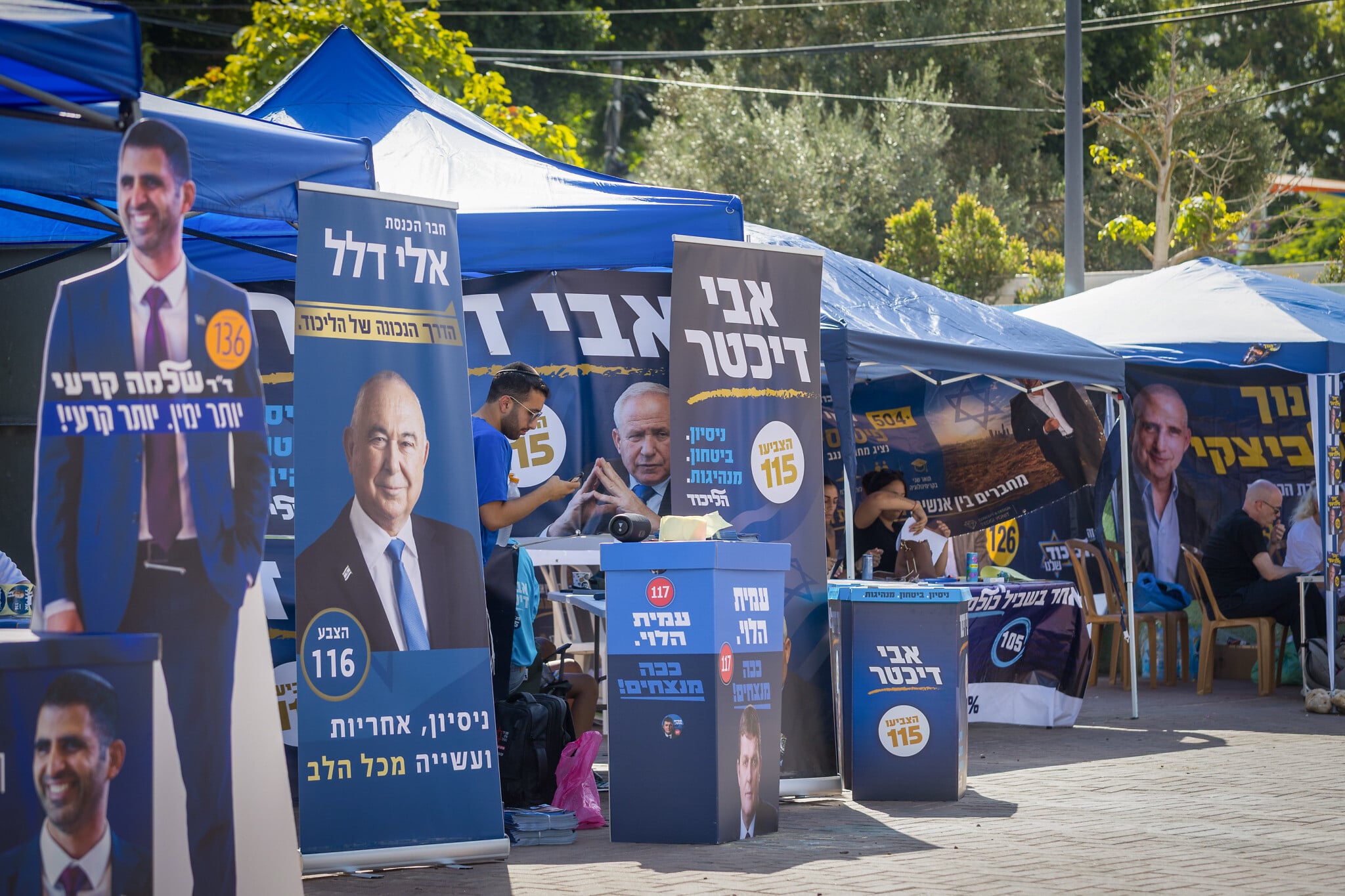
Those who, according to Netanyahu’s own logic, caused serious damage to Likud in the Knesset are now supposed to help return Likud to power in the election? Come on. This is a new, cynical maneuver by Netanyahu aimed at preventing the primary losers from fleeing to other parties with their state campaign-financing units.
Under Israeli electoral law, public campaign funding is allocated to parties based on the number of sitting MKs they have. From the moment the Knesset passes a bill to dissolve itself and sets an election date, any MK can legally break away to another party – and take their financial “unit,” worth millions of shekels in public campaign money, with them.
That is exactly how veteran Labor Party lawmakers — including Shimon Peres, Haim Ramon, Dalia Itzik, and Eli Ben-Menachem — defected to Ariel Sharon’s newly established Kadima party between late 2005 and early 2006, each carrying a lucrative sack of public campaign money with them.