Netanyahu isn’t acting like he won the election. Here’s what that could mean
By claiming the election was 'stolen,' Netanyahu could be setting himself up for success in a repeat vote. But he might also recognize his days of majority government are ending
In the two days since Israelis cast ballots, there’s been a yawning gap between the results and the way Prime Minister Benjamin Netanyahu is talking about them.
The final vote tally, while inconclusive, indicates that barring drastic change, Netanyahu will stay in power indefinitely. Nobody has a clear path to a coalition, so the incumbent remains, possibly through multiple rounds of elections. And after the wars, catastrophe and domestic strife of the past four years, Netanyahu could reasonably count that as a victory.
Except that Netanyahu isn’t acting like a victor. Yes, he crowed that his party was the largest, but as he himself knows well, that doesn’t guarantee another term. He spent much of his election night speech militating against a Jewish-Arab opposition government — recognition that his opponents, however fractious, have the majority.
Moreover, in the days since then, he has protested that the election was “stolen” and that the vote was illegitimate. He’s demanded investigations and lashed out at his opponents.
Usually, the candidate who won doesn’t claim that his election was stolen, and doesn’t try to delegitimize the vote. Yet Netanyahu is in power and will probably stay in power. So what’s going on here?
A likely possibility is that Netanyahu, by demonizing his opponents, is laying the groundwork for a repeat election in the coming months, in which he may improve his showing. But he may also realize his coalition is fraying, and that while he will remain at the head of the government, his days of effectively governing may be numbered.
Bibi’s forever campaign
Netanyahu is Israel’s grandmaster of political strategy, and it seems like he’s still in campaign mode.
The “stolen election” claims — based on an investigation into foreign interference — are squarely focused on the Arab parties, which scored a historic high of 19 seats in the Knesset on Tuesday. Since Wednesday morning, aside from thanking foreign leaders for their congratulations, every single one of Netanyahu’s posts on X to date has attacked the Arab parties or claimed they stole the election.
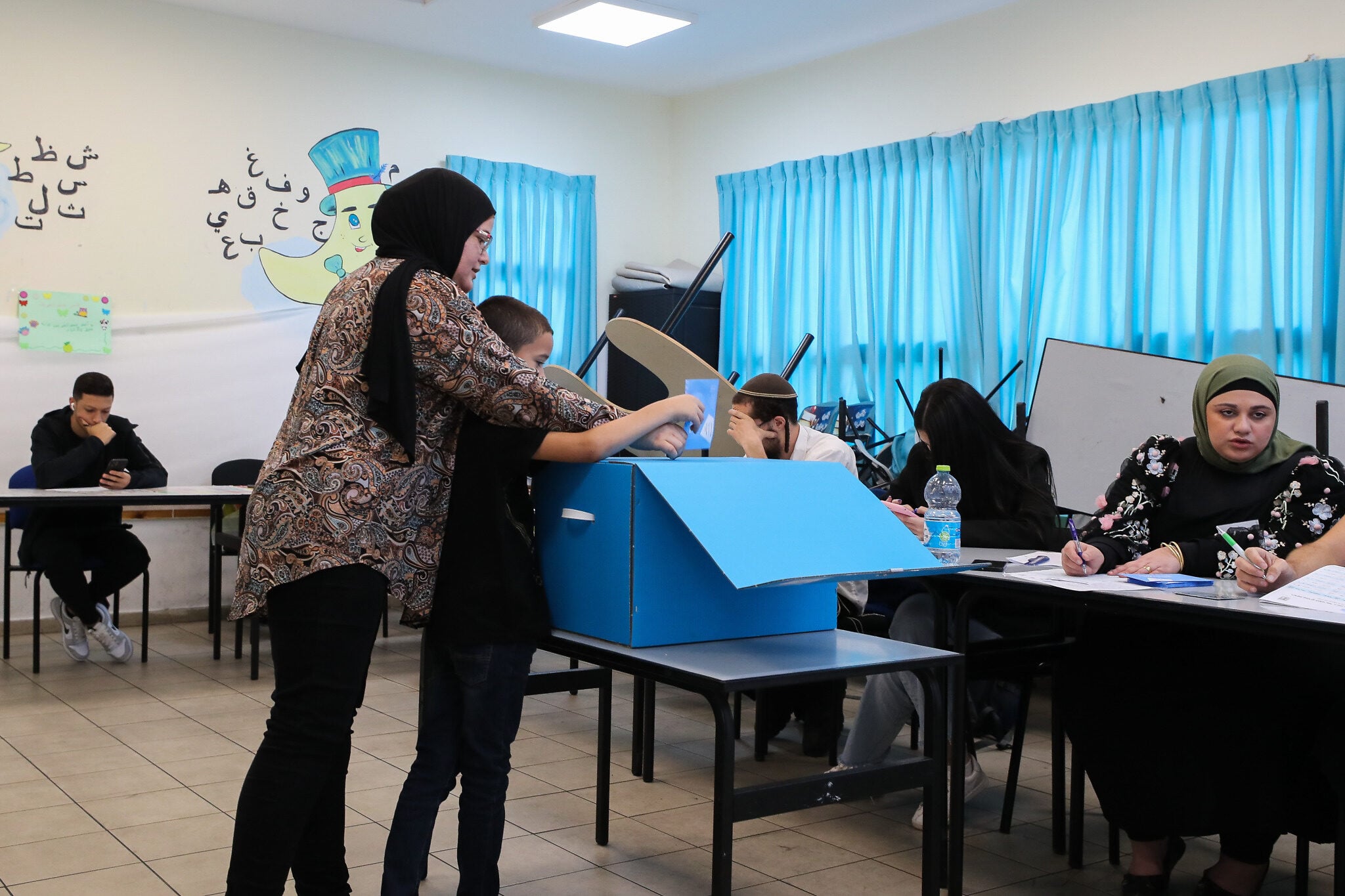
To be clear, Israel’s election authorities as well as the Shin Bet have indicated that any interference was limited and that the election was not, in fact, stolen. But Netanyahu’s characteristically relentless drumbeat of demonization serves two purposes:
First of all, it works to delegitimize the prospect of the opposition unseating him with a Jewish-Arab coalition. Chances for such a government were slim to begin with, because most of the Jewish-led opposition factions said they wouldn’t partner with Arab parties.
But if Netanyahu manages to convince part of the opposition’s voters that those parties didn’t even win their seats honestly, it makes a Jewish-Arab government even less tenable.
That, in turn, sets the prime minister up for success in a repeat election. The stolen election claim could simultaneously chill Arab turnout while firing up Netanyahu’s base. The Jewish-led opposition, meanwhile, would be forced to walk a rhetorical tightrope: criticizing Netanyahu’s claims without appearing to ally themselves with the Arab parties, which many Jewish voters distrust.
Right now, Netanyahu’s bloc has 53 seats in the Knesset, eight short of a majority. If the “stolen election” campaign gets Netanyahu to 57 or 58 next time around, that could be close enough for him to work some electoral alchemy and form yet another coalition.
A prime minister with no government
On a deeper level, however, Netanyahu’s behavior since the vote might indicate that while he knows he’ll keep his job for the time being, he may have lost his government forever.
The way most analysts are breaking down the result is simple: Netanyahu’s bloc — the current coalition of right-wing and Haredi parties — has 53 seats. Jewish-led, or Zionist, opposition parties have 48. Arab parties, also opposed to Netanyahu, have 19.

But there’s another way to look at the results. A lot of election commentary has focused on whether parties are Zionist — generally defined as believing in and defending a Jewish state. And if you break down the results by that metric, the distribution is different.
The Jewish-led opposition parties would still have 48 seats. But in Netanyahu’s bloc, only 40 seats belong to openly Zionist parties: Likud, and the far-right Religious Zionism and Otzma Yehudit.
The rest of the Knesset, 32 seats, is made up of Haredi and Arab parties, all of which staunchly oppose mandating service in the Israel Defense Forces, and many of which are ambivalent on the idea of Jewish statehood. That includes the Ashkenazi Haredi United Torah Judaism, whose senior spiritual leader has expressed regret that Palestine didn’t come under Arab control in 1948.
That means only 88 of the Knesset’s 120 seats are explicitly Zionist. And most of them belong to Netanyahu’s opponents. Even if Netanyahu’s bloc were to include the Sephardi ultra-Orthodox Shas party, which claims to be moderate on the question of IDF service, it would still total only 46, slightly behind the Jewish, anti-Netanyahu camp.
It’s worth noting that because turnout was so high in this election, the results are a pretty accurate cross-section of the country. This is who Israelis are, for better or worse.
Where does that leave Israel, and where does it leave Netanyahu?
For more than a decade, the prime minister has relied on the right and Haredi voters to keep power. But that bloc has now shrunk and is fracturing over its internal contradiction: whether to force Israel’s growing Haredi population to enlist in the military, or whether to formally enshrine the service exemptions it has long enjoyed.
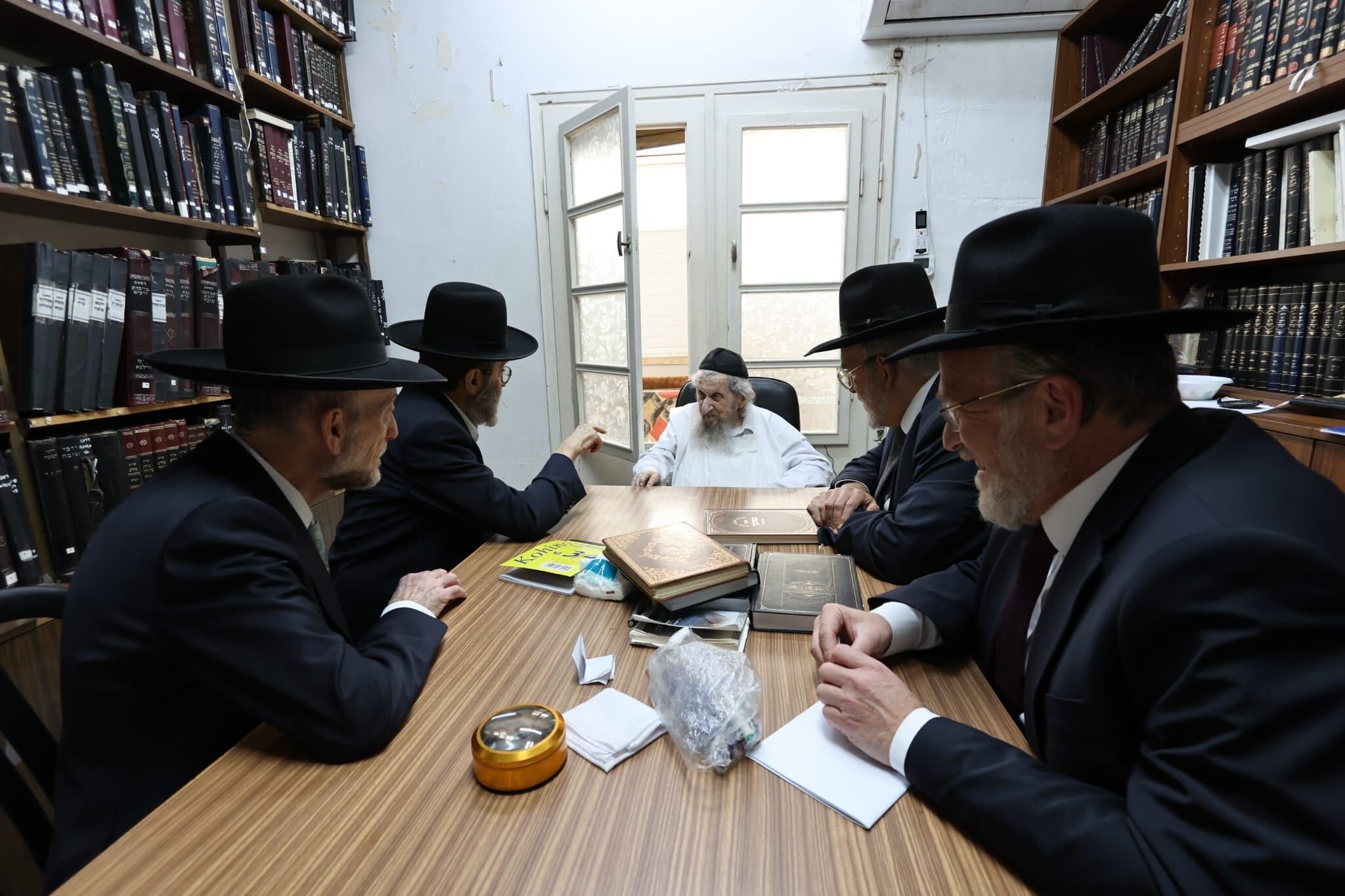
Most Jewish Israelis want everyone to enlist, but Haredi parties have demanded the exemptions. Even if Netanyahu stays in power, he will do so with a minority of the Knesset, not enough to pass the draft exemption law his ultra-Orthodox partners say they require. How long will they stick with him?
To be sure, Netanyahu’s opponents also won’t pass a draft exemption law, and almost certainly won’t persuade the Haredim to switch camps. What that means is that, if the deadlock continues, Netanyahu will stay prime minister, but without a majority government, and without the ability to pass legislation that would keep his key partners by his side.
That situation could last a while. But Netanyahu is 77. If he can’t form a functioning majority government in the next year or two, will he ever have one again?
That could explain why Netanyahu is reacting to the results like a fighter on the ropes, rather than the reigning champion — why he’s insisting that the vote count, as it stands, can’t possibly be legitimate.
It might be a play ahead of the next election. Or it might be the public realization that the alliance he once led is dissolving into the cracks of a fragmented country.