Netanyahu, other officials summoned to testify in state inquiry over submarine affair
Former Mossad head Yossi Cohen, ex-defense chief Moshe Yaalon among those summoned under warning; IDF chief Zamir, ex-president Rivlin also to give testimony, but not as suspects
Prime Minister Benjamin Netanyahu and other former senior officials were summoned Wednesday to give testimony to the state commission of inquiry into the so-called submarine affair, which is investigating suspicions of failings and corruption in Israel’s multibillion-shekel purchase of German-made vessels.
In January, the commission issued its findings, including “systemic failings” in the acquisition of naval vessels under a previous Netanyahu-led government. It also determined that the sale of naval vessels to Egypt by Germany with Israel’s approval endangered national security.
The testimony is set be given behind closed doors and will provide five individuals issued with warnings over the affair in 2024, including Netanyahu, the opportunity to defend themselves against the possibility of being found responsible for failings in the matter.
The other former officials issued with warnings who were summoned Wednesday to give testimony by the commission were former Mossad director Yossi Cohen, former defense minister and IDF chief of staff Moshe Yaalon, former navy commander Ram Rothberg, and former National Security Council official Avner Simchoni.
IDF Chief of Staff Lt. Gen. Eyal Zamir, Israeli Navy chief Vice Adm. Eyal Harel, and former president Reuven Rivlin were also summoned, among others, to give testimony, though they are not suspects in the case.
In 2024, the state commission of inquiry into the affair, headed by retired Supreme Court president Asher Grunis, issued warnings to Netanyahu, Yaalon, Cohen, Rothberg, and Simchoni that they could be negatively affected by the findings of the commission.
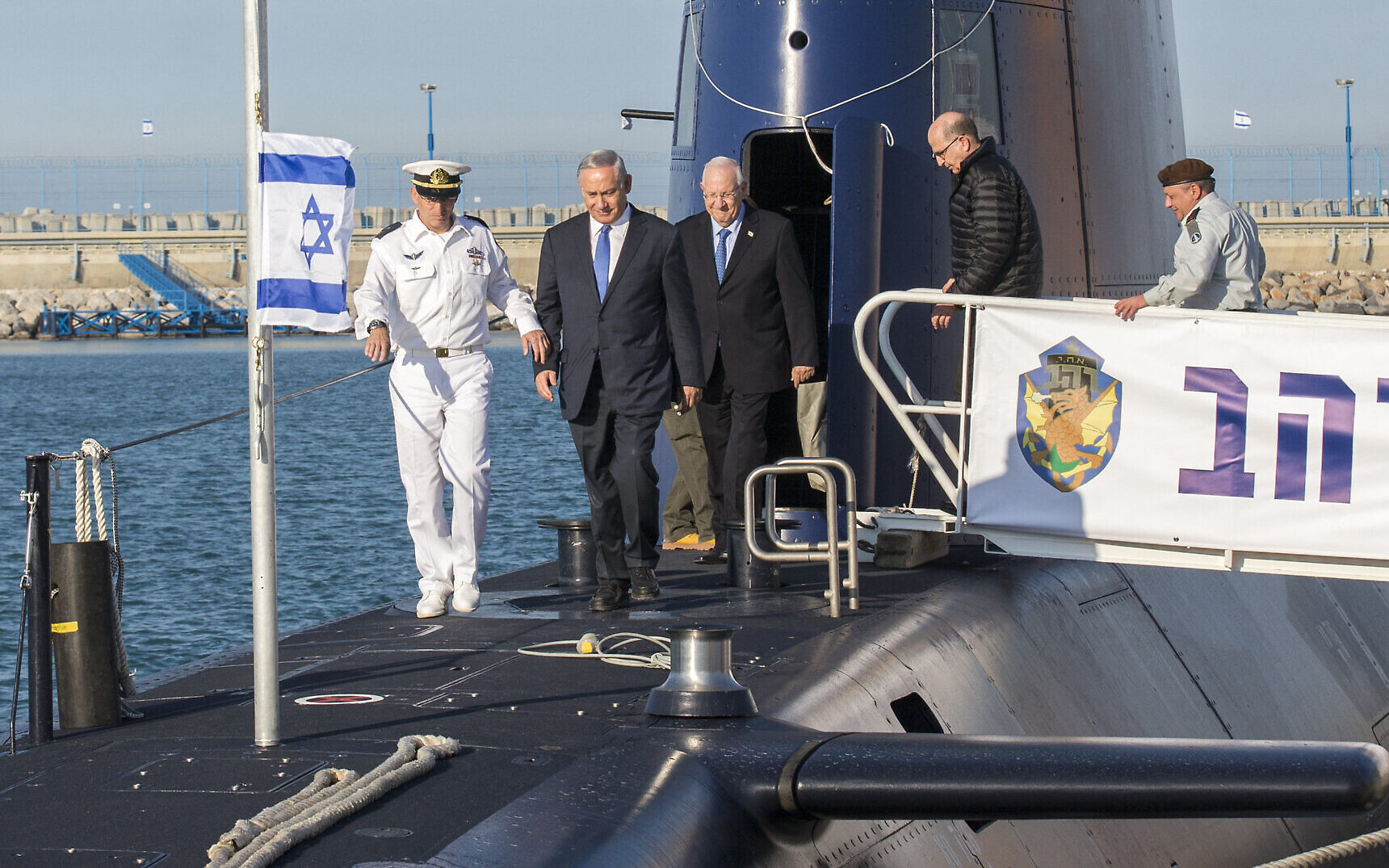
Personal responsibility for the failings will only be attributed by the commission after those issued with warnings have had a chance to defend themselves.
The affair, also known as Case 3000, revolves around allegations of a massive bribery scheme in the multibillion-shekel purchase of naval vessels from German shipbuilder Thyssenkrupp in the early 2010s. The case led to a number of indictments against close confidants of Netanyahu, but not the premier himself.
Israel purchased the vessels from Thyssenkrupp in a series of murky deals worth some $2 billion that have been under scrutiny for possible corruption and bribery.
The state commission of inquiry was established in 2022 during then-prime minister Naftali Bennett’s tenure, to examine submarine and naval vessel purchases that occurred on Netanyahu’s watch and the sale by Thyssenkrupp of submarines and naval vessels to Egypt with Netanyahu’s apparent approval.
Netanyahu has denied all wrongdoing in relation to the affair, including that he had approved the 2014 deal between Germany and Egypt, and called the probe a witch hunt by the media and by the government that briefly unseated him in 2021-2022.