Netanyahu’s fearmongering campaign is designed solely to save himself
Faced with losing power, Netanyahu is wielding threats of disaster while pushing for a unity government. But the 'change bloc' is adamant: There will be no partnership with him
Prime Minister Benjamin Netanyahu released a video on Saturday night that says it all. Netanyahu sees an alternative government taking shape before his eyes, and faced with the horrifying prospect of having to vacate the Prime Minister’s Office soon, he pull out the familiar weapons from his political arsenal.
First, Netanyahu unleashes his fearmongering threats, targeting the potential outside supporters of Gadi Eisenkot’s emerging centrist coalition — the Islamist Ra’am party and the Arab-majority Joint List.
Netanyahu portrays these Arab factions as Hamas sympathizers, enemies of Judaism and backers of radical Islam who aim to destroy the Jewish state from within.
According to Netanyahu, we are on the brink of national annihilation if Ra’am and the Joint List provide outside parliamentary support for a minority government headed by Eisenkot.
“This is national suicide,” “We won’t survive,” “Our very lives are at stake,” Netanyahu declares with great emotion, underlining that he personally would share this terrible fate.
“The streets of Jerusalem and Tel Aviv will burn like the streets of Paris and Brussels,” he warns.
Second, Netanyahu promises, and will continue to promise, anything that will enable him to avoid finding himself in the parliamentary opposition when the next government takes office.
In the immediate aftermath of the election — in which his Likud emerged as the largest party, with 27 of the Knesset’s 120 seats, but his bloc lost its majority, ending with only 53 — the prime minister promised to build a strong, right-wing government that would include all the parties in his outgoing coalition. These include far-right lawmakers Bezalel Smotrich and Itamar Ben Gvir — whom he privately despises but politically relies upon — as well as his long-time Haredi allies, Aryeh Deri’s Shas party and United Torah Judaism. He invited the parties in Eisenkot’s “change bloc” to join that right-wing government, under his leadership, of course, as though the left-wing Democrats party could possibly have anything in common with Ben Gvir’s radical Otzma Yehudit, to give just one example.
But in Saturday night’s video, Netanyahu drastically changes his tune. This time, and for the first time, he publicly proposed a broad national unity government rather than a narrow “strong, national, right-wing government,” falsely claiming that this is what he has always sought.

“This is the will of the people and the need of the hour,” Netanyahu said. But it is, in fact, primarily his own desperate political need, that of President Isaac Herzog (whom he unsuccessfully enlisted to aggressively advance the unity idea), and perhaps also of most of his right-wing voters who fear losing power.
Later on Saturday night, soon after Netanyahu released his anguished video, Herzog announced that he would task Eisenkot with forming a government, after the former IDF chief of staff received the support of 67 members of the new Knesset — the 48 members of Eisenkot’s bloc, and the 19 from the two Arab parties, the Joint List and Ra’am. UTJ, in a semi-departure from Netanyahu’s embrace, did not recommend anybody to Herzog as prime minister.
If Eisenkot moves closer to forming his intended government, Netanyahu will undoubtedly come forward with additional, more tempting offers. One of them will certainly be an equal power-sharing rotation of the premiership.
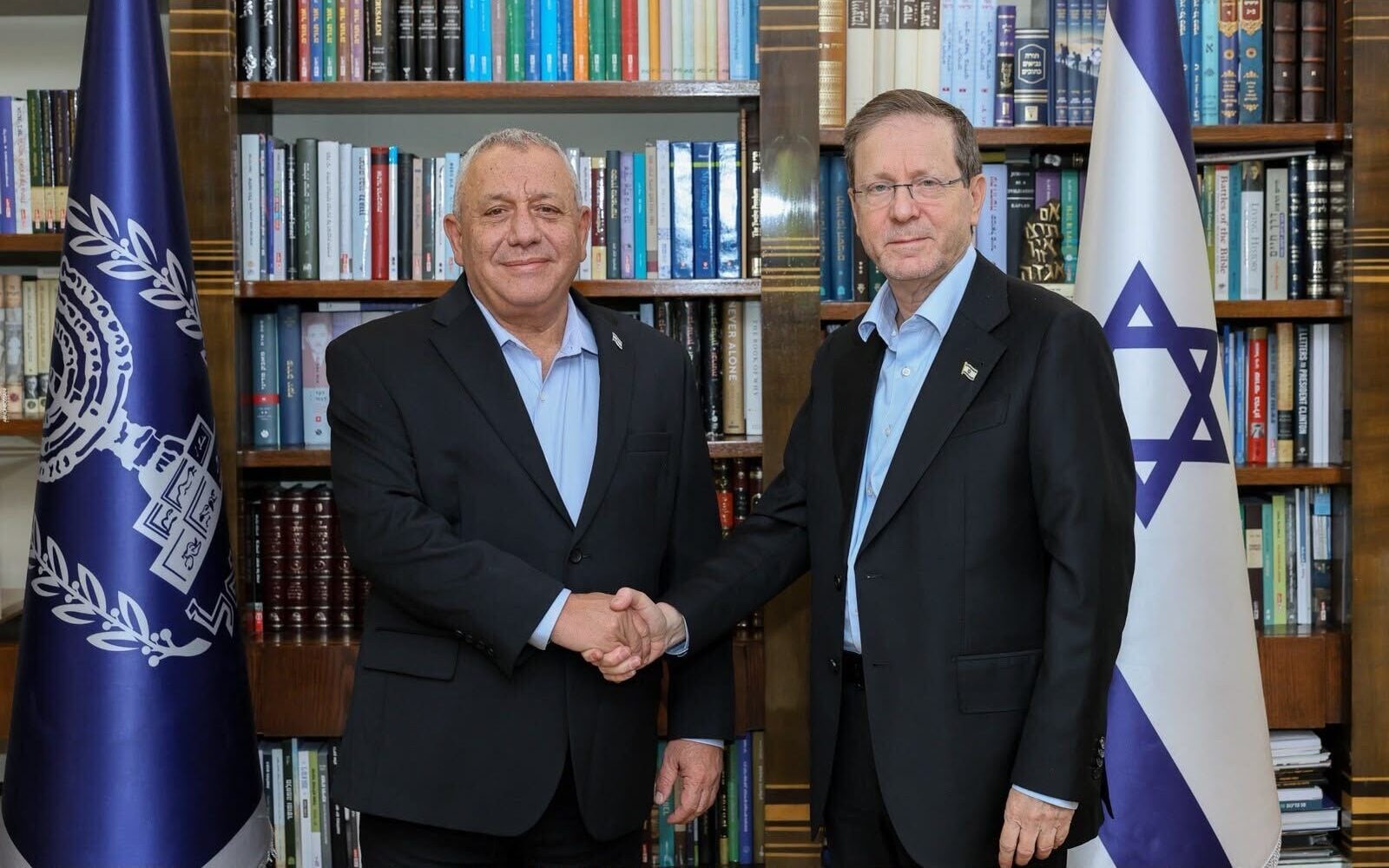
Last week, a senior Likud minister who spoke with The Times of Israel proposed dividing the role as follows: Eisenkot would serve as prime minister in the first year, Netanyahu would return in the second, and after that Netanyahu would receive a sweeping presidential pardon for his ongoing criminal corruption charges and become president of Israel himself for a seven-year term.
It is highly likely Netanyahu himself will propose such a power-sharing formula sooner or later, but it has absolutely no chance of succeeding.
After everything they have been through over the past five years — including Netanyahu repeatedly violating previous power-sharing deals — the senior leaders of the anti-Netanyahu change bloc will not sit in a government with him.
“Any idea of a unity government with Netanyahu, in any form, is idiotic even by Israeli standards,” one of the change bloc’s senior leaders told The Times of Israel on Saturday. “There is no government with Netanyahu. There won’t be one. It’s a fairy tale that only Herzog still believes in.”
But Netanyahu will not give up. This is not the battle of our lives; it is the battle of his life. He will continue his relentless efforts to fend off defeat throughout the 42 days Eisenkot has to form a government (the initial 28-day mandate granted by the president, plus a standard 14-day extension).
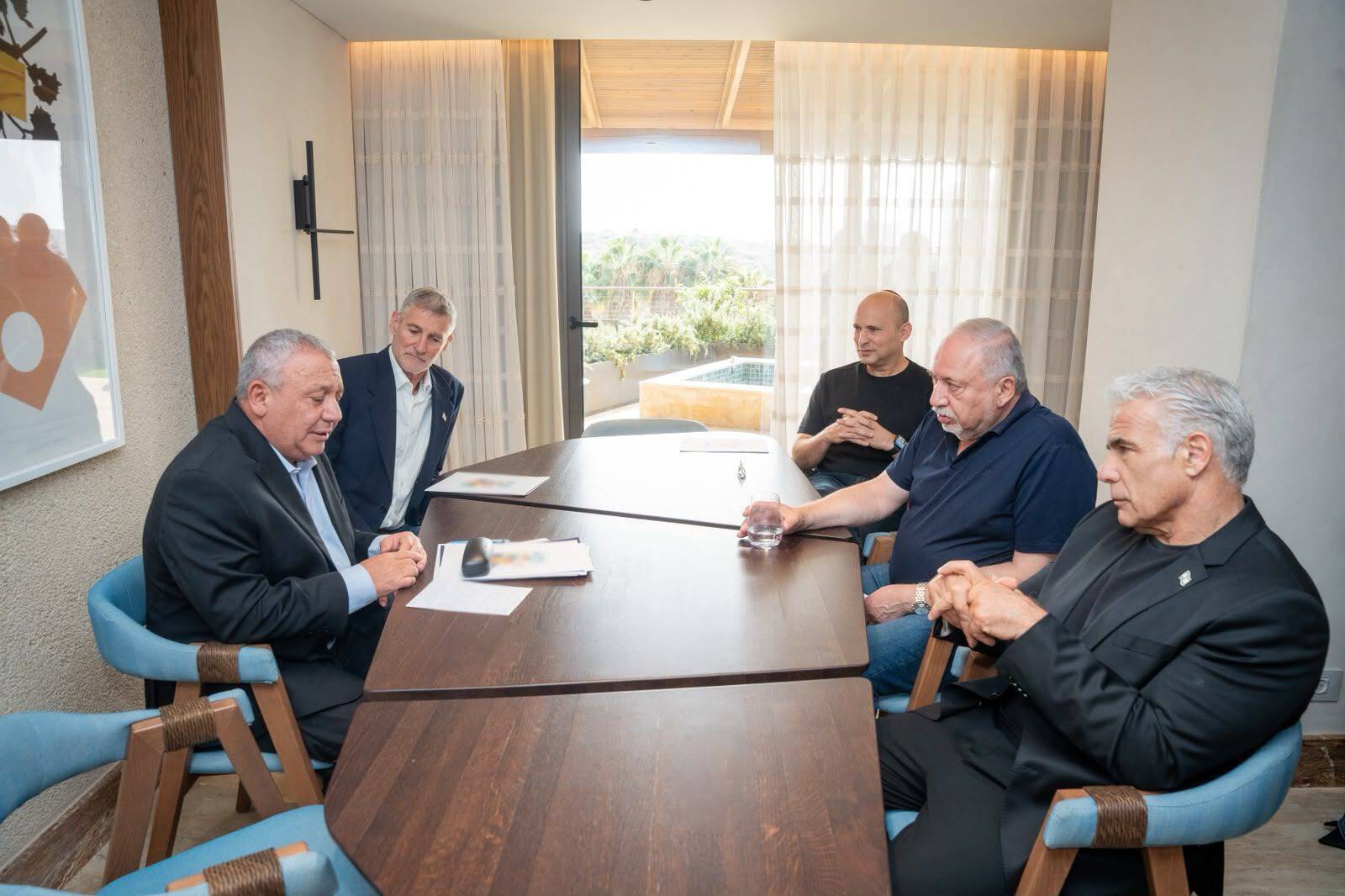
Netanyahu is desperately hoping, and doing his utmost to ensure, that Eisenkot fails, and that the presidential mandate to form a coalition then passes back to him, even though he will inevitably fail to build a viable government with the 53 Knesset seats his bloc currently holds.
The attacks will also become increasingly personal. On Saturday night, Netanyahu’s top media adviser Topaz Luk tweeted: “Eisenkot will try to form a government with the backing of terror supporters, and the main thing is that the members of the ‘Anyone But Bibi’ cult don’t throw him onto the political scrap heap where they dumped his predecessors.”
Netanyahu’s campaign of fear and vilification will continue and may even prove politically effective, although Eisenkot remains determined to establish a “national emergency government.”
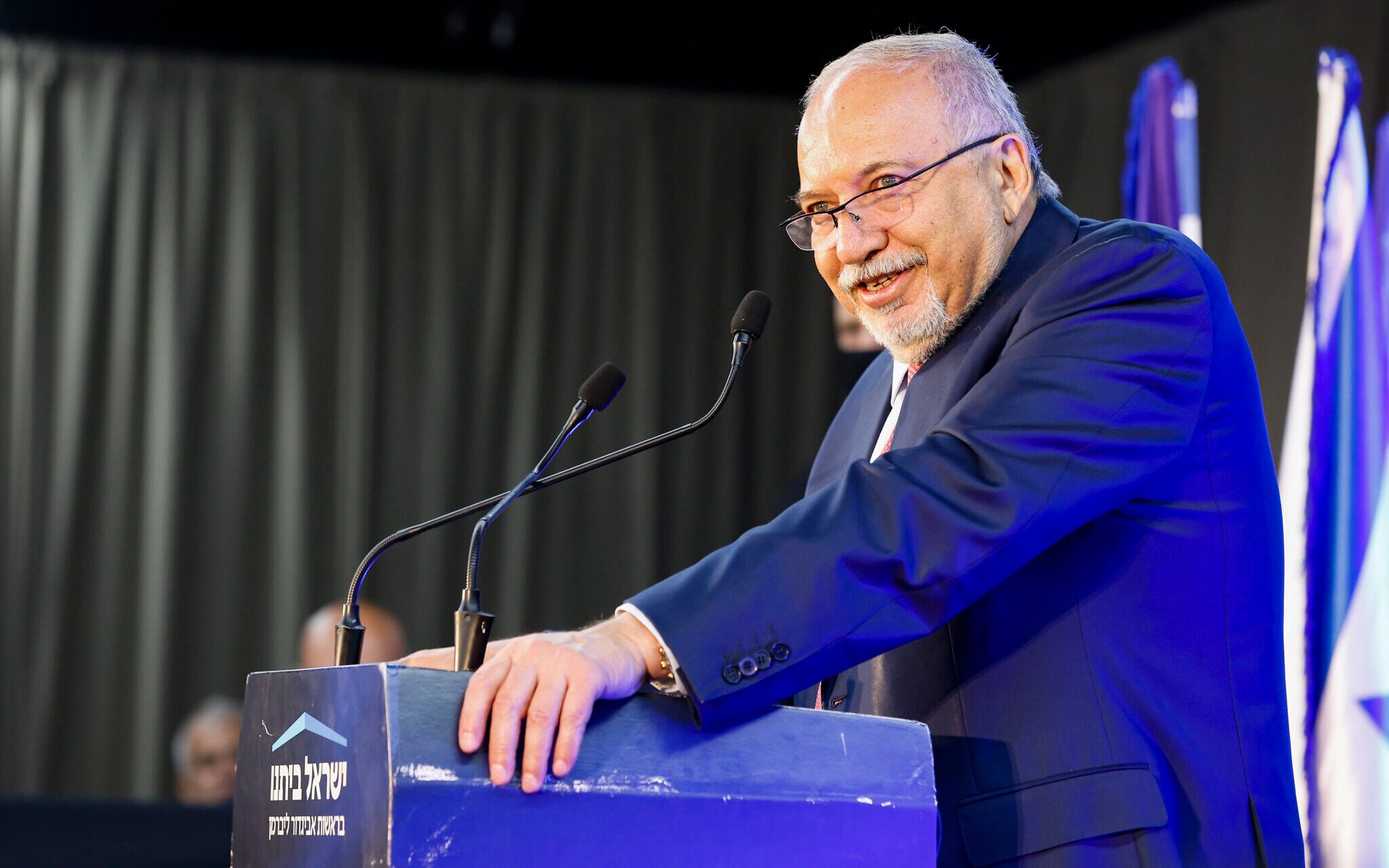
For now, the primary person throwing a wrench into Eisenkot’s plans is Yisrael Beytenu chairman Avigdor Liberman.
On Friday, Liberman announced, again, that he would vote against any government dependent on Arab lawmakers’ votes. He’s not the only one in the change bloc holding to that line; even within Yashar, Eisenkot’s own party, there are voices who strongly oppose relying on Arab support for the government.
Stunningly, however, Liberman also declared that he was now willing to back “painful compromises” over the drafting of ultra-Orthodox young men, having hitherto insisted on conscription for all, and dropped his veto on a coalition with the ultra-Orthodox parties.
Like Netanyahu, Liberman is waiting and hoping for Eisenkot to fail to form a government over the next 42 days. But if both Eisenkot and Netanyahu fail, Liberman will aim to try his hand at forming a government during the subsequent 21-day period where any lawmaker can attempt to secure the signed backing of 61 Knesset members.
Utilizing this third opportunity to form a coalition — as provided by Israeli law to avoid quickfire repeat elections — Liberman will seek support from Likud, the ultra-Orthodox parties, and the far-right Religious Zionism.
Liberman’s associates told The Times of Israel over the weekend that he is genuinely and resolutely unwilling to join any government involving the Arab parties. They also insisted that he is not engaged in any secret maneuvering with Netanyahu. And that “there is a real chance Liberman will be prime minister by the end of January.”
Well, not if Eisenkot, or Netanyahu, can help it.