New digital archive opens window into New York’s rich and vibrant Jewish past
The National Library of Israel has digitized nearly five decades of The New York Jewish Week, adding to the library's effort to preserve historic Jewish papers from around the world
JTA — A bagel famine. A record-breaking gathering of Orthodox Jews at Madison Square Garden. Jewish treasures discovered in a crumbling synagogue basement.
These may sound like the trappings of an especially quirky history of Jewish New York — and they are. But such unusual episodes also offer a unique window into the lives, concerns and changing identities of New York’s Jewish community, from the time it was founded in 1654 to the present day.
And now, the history of New York’s Jewish community is easier than ever to explore. The National Library of Israel has digitized nearly five decades of The New York Jewish Week, New York’s leading Jewish newspaper, making its archives free and accessible to the public for the first time through the library’s Historical Jewish Press collection.
The archive offers a record not only of the major events that shaped Jewish life in New York, but also of the everyday issues, personalities and cultural shifts that animated the community.
To celebrate this milestone, the National Library of Israel and The New York Jewish Week will host an exclusive evening exploring what the newly available archive can tell us about New York’s Jewish past — and how it can help inform the present.
The free event, “The Pages of Our Past: Digitizing New York’s Jewish Stories,” will take place Tuesday, Nov. 17, from 7:30 p.m. to 8:45 p.m. at Hebrew Union College-Jewish Institute of Religion in Manhattan. The panel discussion will feature Gary Rosenblatt, who served as The New York Jewish Week’s editor and publisher for more than half of the newspaper’s half-century of history; current New York Jewish Week journalists and Eyal Miller, manager of the National Library of Israel’s Historical Jewish Press project. A streaming option will also be available for those who are unable to attend in person.
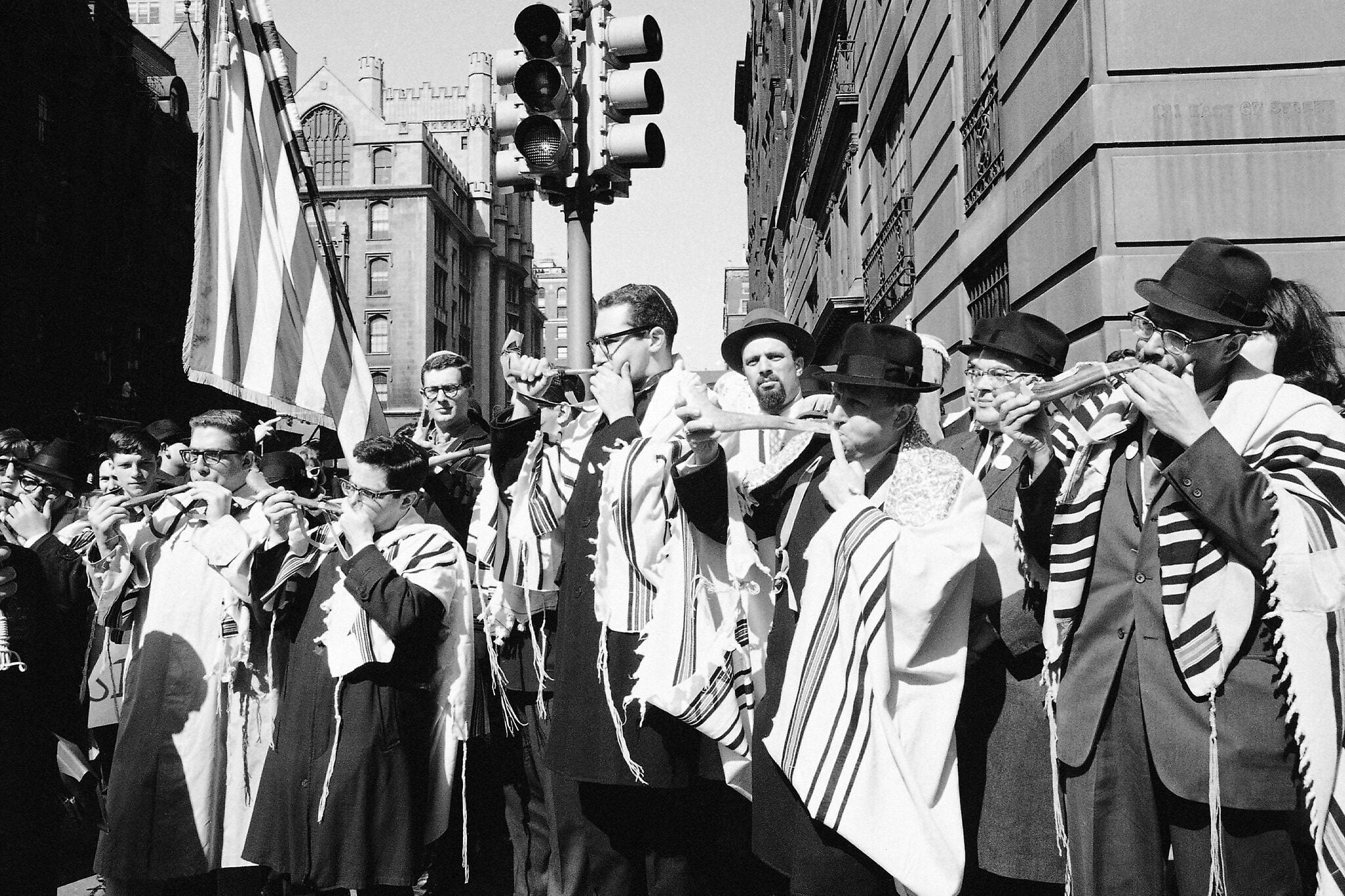
The digitization of The New York Jewish Week, which was previously published as The Jewish Week, is part of a much larger effort by the National Library of Israel to preserve historic Jewish newspapers from around the world, and to make its archives free and accessible to the public.
Launched more than 20 years ago, the Historical Jewish Press project has collected newspapers in 30 languages, with publications dating as far back as the late 17th century. The recent addition of The New York Jewish Week — which renowned Brandeis University historian Jonathan Sarna has called “the most important American Jewish newspaper of its time” — opens a new window onto the experiences of generations of Jewish New Yorkers.
The November 17 event is not the only way the New York Jewish Week and the National Library of Israel are honoring New York’s rich and vibrant Jewish history. The two organizations are also partnering on a new email series, “9 Moments That Made Jewish New York What It Is Today.” The series takes readers through nine surprising, sometimes strange and often overlooked moments in the city’s Jewish past.
The stories in the email series cover centuries of Jewish life in New York, beginning with the arrival of 23 Jewish refugees from Recife, Brazil, in New Amsterdam in 1654 to a modern-day controversy over whether the city’s tap water was kosher. Each installment looks beyond the “moment” itself to explore what it says about the larger Jewish community — how it responded to change, built institutions, negotiated its place in the city and helped shape New York’s identity.
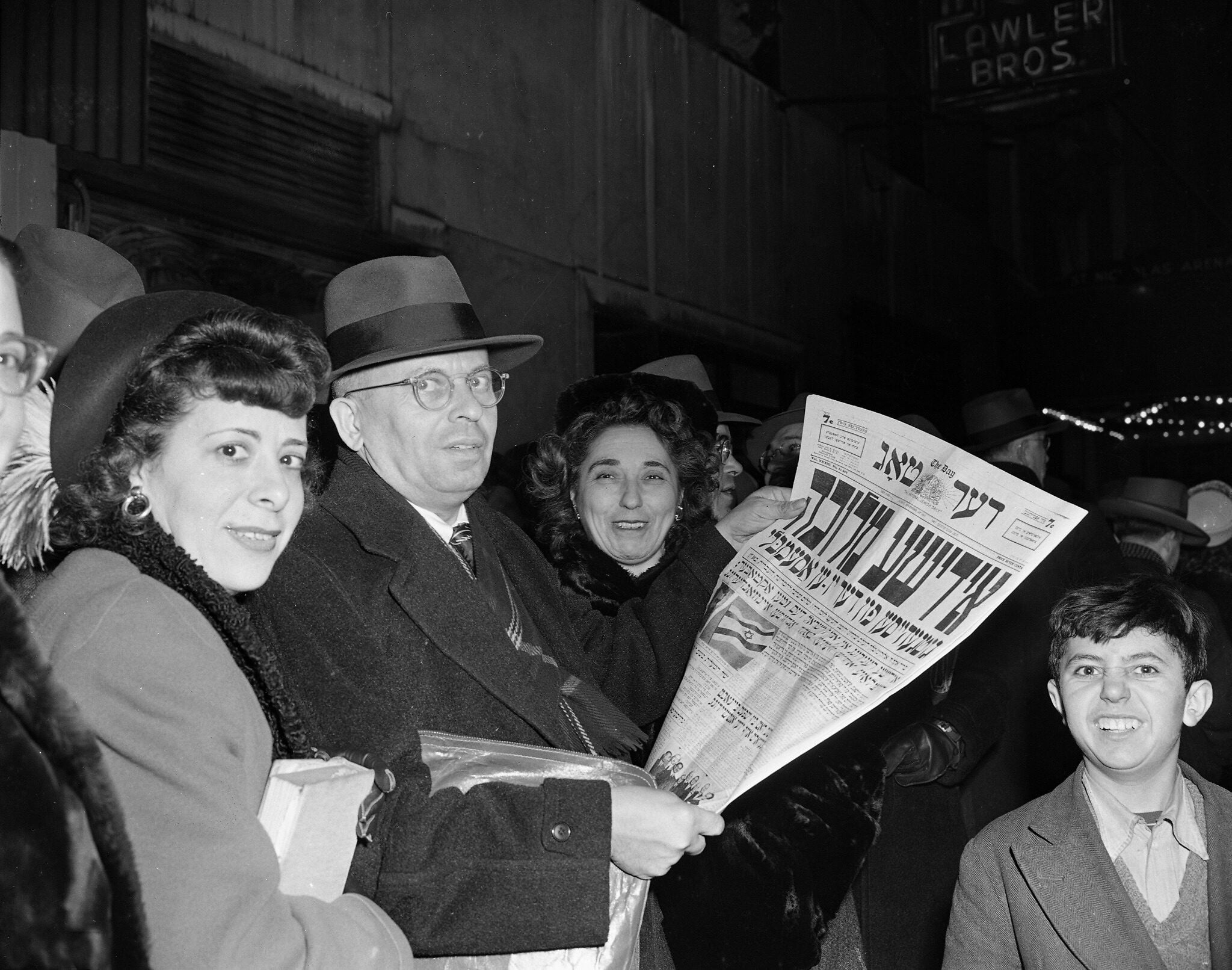
At a time in which New York Jewry is facing both rising antisemitism and deep internal divisions, together the email series, the event and the newly digitized newspaper archive offer an opportunity to both learn from the past and bring the community closer together.
The New York Jewish Week is owned by 70 Faces Media, publisher of the Jewish Telegraphic Agency.