New York play delves into Jewish families’ generational divides over Israel
Playwright Debbie Goodstein's 'Blue Violinist Over West End Avenue' portrays a son bringing home an anti-Zionist girlfriend, opening fissures and raising questions
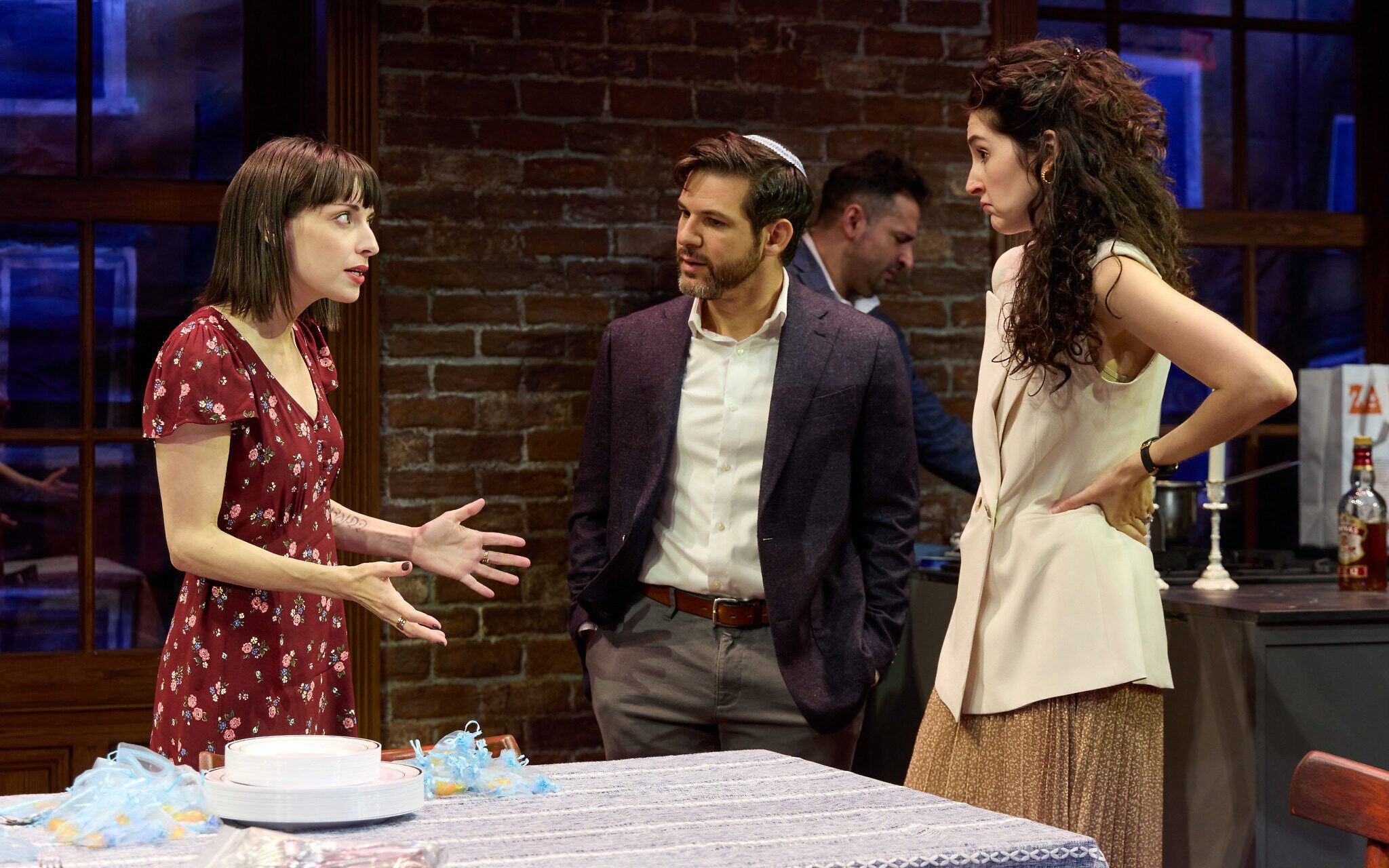
NEW YORK — On Manhattan’s Upper West Side, a Jewish family’s youngest son brings his new girlfriend, a Harvard student, home to an engagement party.
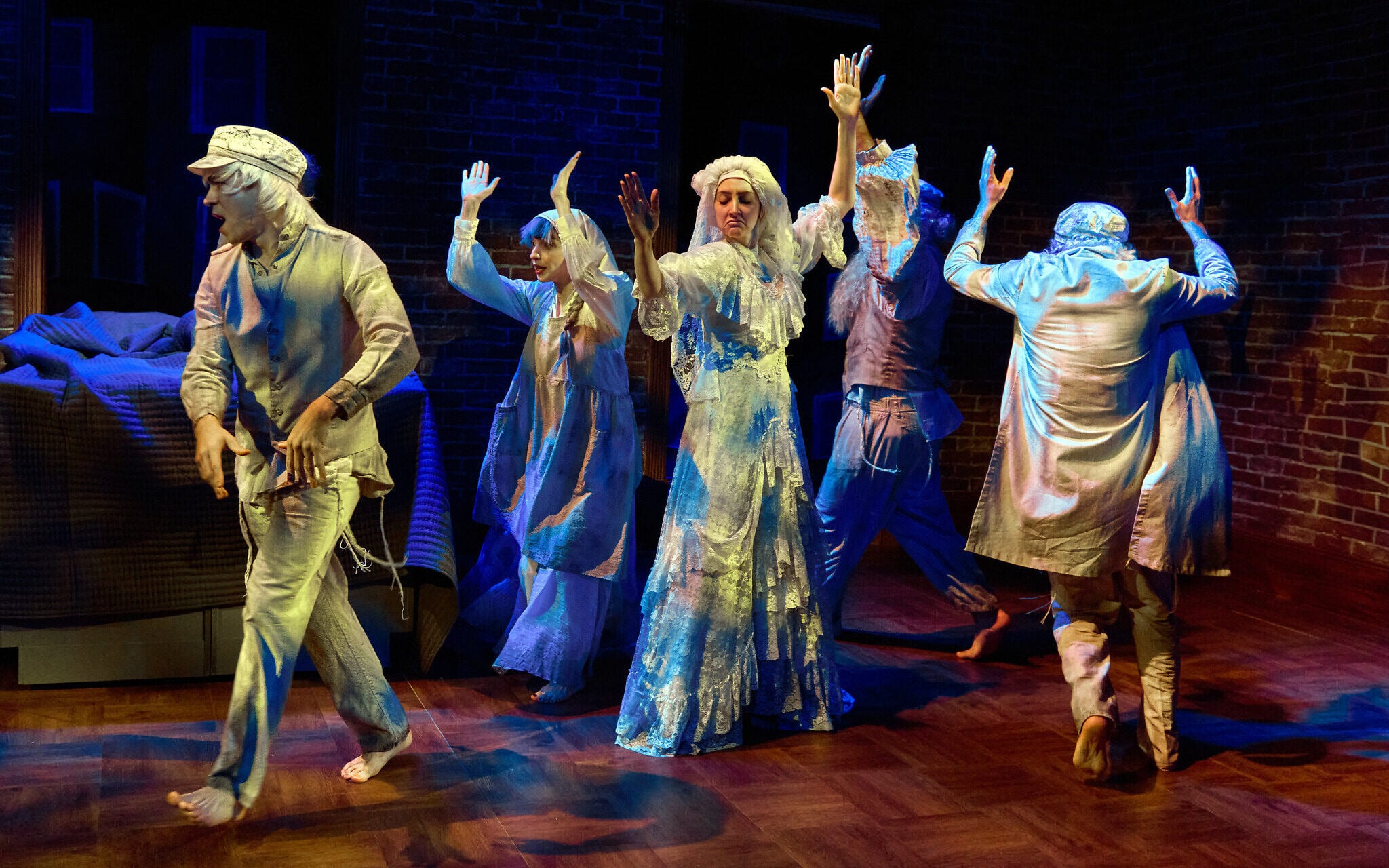
The girlfriend is an anti-Zionist campus organizer, and the left-leaning son, in love with her, is questioning his own political beliefs about Israel, opening a divide with the Stein family’s older generation. An enigmatic blue violinist watches over the fraught gathering.
The family drama is the subject of a new play, “The Blue Violinist Over West End Avenue,” that playwright Debbie Goodstein hopes will be cathartic and raise questions for audiences grappling with similar divides.
Goodstein described the play as a “contemporary ‘Fiddler on the Roof,’” about a Jewish family dealing with the “growing divide” between generations.
“I started writing this play as a labor of love and fear,” she said. “My love for the Jewish people, and Jewish life in America that we’ve all been lucky to have, but also my fear of where it was going.”
Goodstein, who lives in New York City, conceptualized the story before the October 7, 2023, terror invasion of Israel, when her children came home from college and reported that Jewish classmates were turning against Israel while on campus, and that pro-Israel students had been silenced by peer pressure.
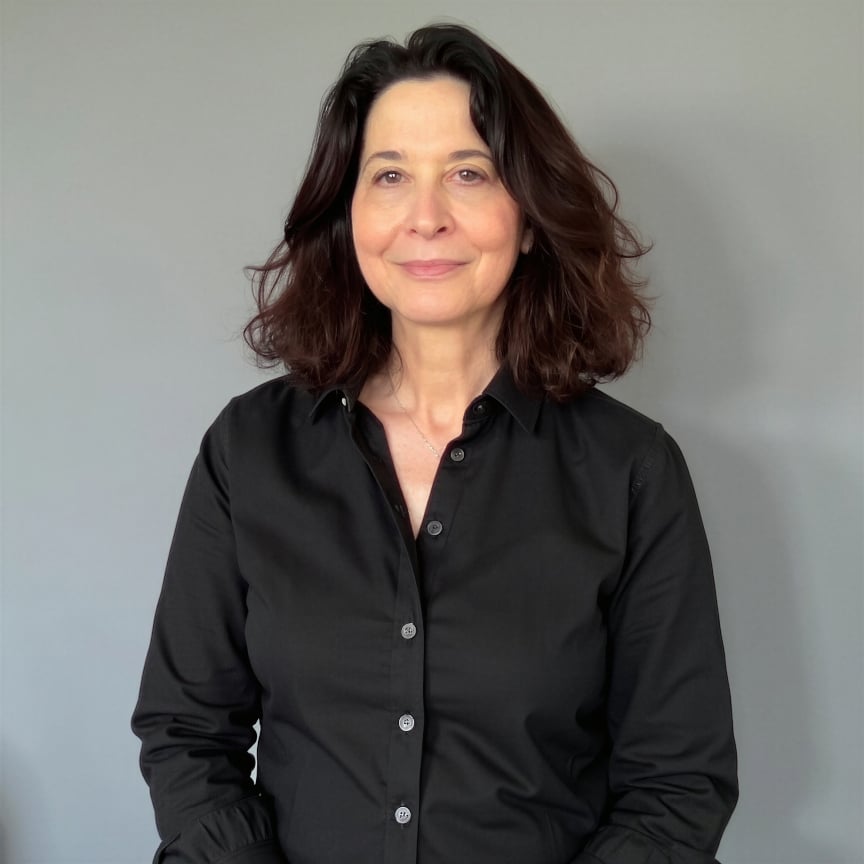
While Goodstein’s own children remain attached to Israel, younger members of her extended family are struggling with questions over their Jewish identity and Israel, she said.
At her son’s graduation from Brown University, many of the students wore pro-Palestinian paraphernalia. Goodstein brought a pro-Israel sign, and, while other attendees whispered their support, they declined to take pro-Israel placards she offered.
“I think that’s where we are right now. I think people are afraid to defend Israel,” she said.
Goodstein’s mother survived the Holocaust by hiding in an attic for two years, and her husband’s mother survived Auschwitz. She remains deeply attached to Israel, while holding criticisms of Israel and the Netanyahu government, and sympathizing with Palestinians. She blames leadership on both sides for the conflict.
“We hold onto our feelings about Israel dearly and have a very different view of Israel and our Jewish identity than the newer generation seems to,” she said. “Israel is a place that I will always love.”
The play takes place in 2023. The first act takes place over a weekend, before the Hamas invasion, and the second act takes place over a month, after the start of the war.
For the play, she developed the character of Jenna, the son’s anti-Zionist girlfriend, by speaking with an anti-Israel activist from Brown University. Goodstein’s son made the connection.
“I really wanted to understand her, and I think I understood her better, and the responses I’m getting suggests that she’s a very believable character and very, in her own way, compassionate, and people know her,” Goodstein said.
The real-life activist, who is Jewish, spoke at the university graduation while wearing a keffiyeh, is “somewhat anti-Zionist” and spent time in the West Bank, Goodstein said.
The two spent hours talking on the phone, coming up with the character’s biography and viewpoint together. Goodstein said she benefited from the conversations because “this is not my point of view; I don’t come from that world.”
“She’s lovely. We had great conversations,” she said. “I don’t know if we resolved anything, but there was more of a connection and a sense of understanding. Digging in our heels is not going to do anyone any good.”
Goodstein hopes those lessons will carry over to audiences, stating that education and communication are the two pillars for bridging generational divides.
She believes younger people need “more education” about the conflict and that some Ivy League students do not know the history.
“We have to continue to communicate. It’s very complicated. These issues are very complicated. We’re all coming from different point of views. Different generations, different timelines, and we have to hear each other.”
The off-Broadway play opened late last month and is showing until December 5 at the Theatre Row complex in Manhattan.
The “blue violinist” in the play’s title is a reference to a Marc Chagall painting that he created after moving to the US. While Tevye in “Fiddler on the Roof” represented how precarious Jewish life was in Europe, the blue violinist, “who’s floating and happier,” seemed to Goodstein to represent Jews’ “80 years of, basically, good fortune in this country.”
But, she said, the blue violinist was “floating kind of naively — that we think everything’s fine when it may not be.”
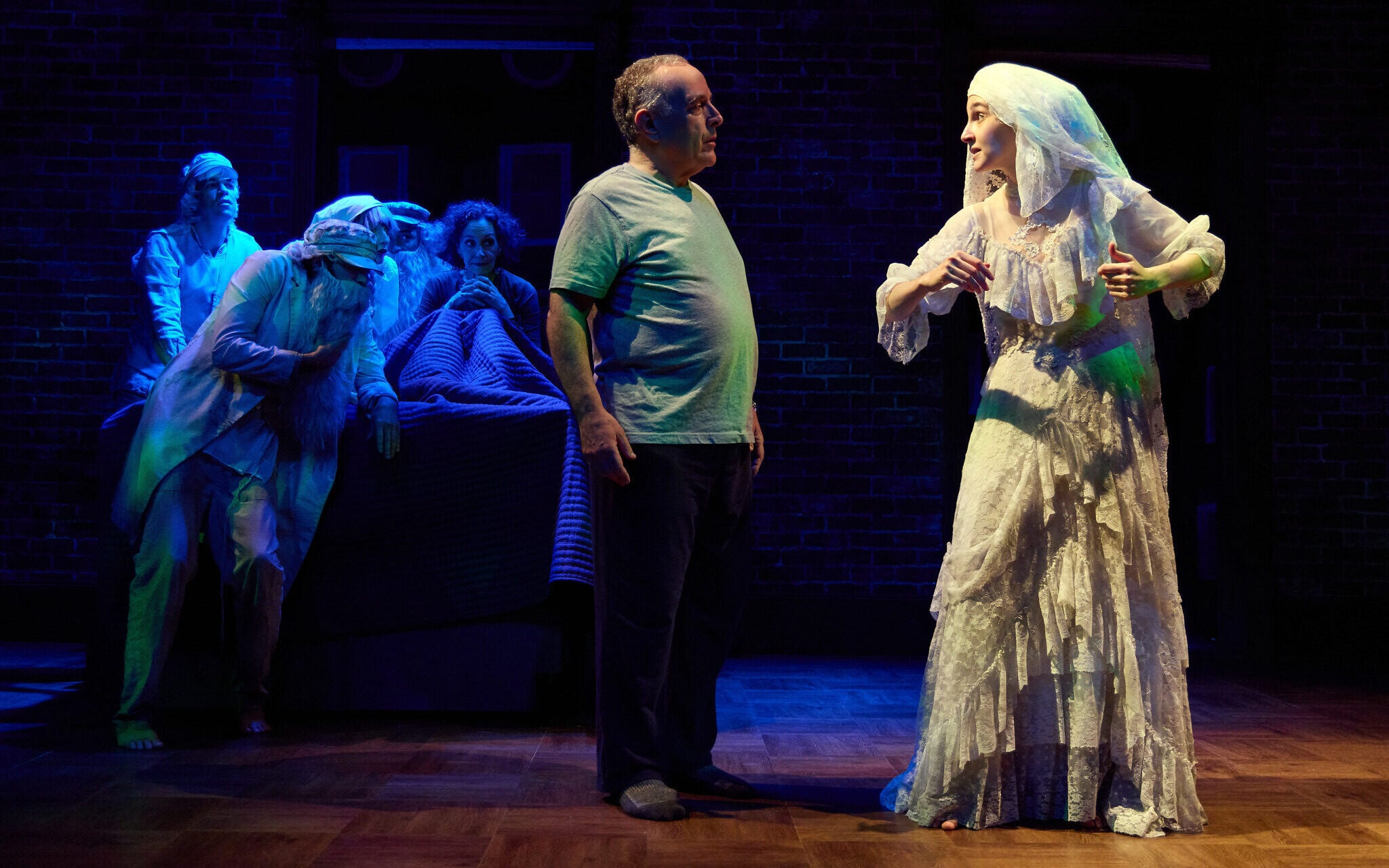
“The blue violinist and Tevye’s fiddler kind of represent the Jewish soul in a way, and the Jewish history,” she said.
Goodstein added that the show is “unapologetically Jewish,” with depictions of Shabbat prayers.
Goodstein said the response among Jewish audiences has been “extraordinary,” receiving standing ovations, and that “people are relating to it,” while non-Jews have connected with its depictions of prayer and familial divisions.
The play is a cathartic outlet for Jews, she said, but mostly, it raises questions there aren’t easy answers for.
“It’s all the frustration and fear and anger and confusion, and here it is on stage,” Goodstein said.
“The questions are, ‘Where do we go from here? With all these divisions and the world trying to pull us apart, how do we keep family as the main thing in our lives?’” she said.
“How do we stay connected to family and stay connected to Israel, which I think is very important, and part of the people who we are?”