Nine said killed in Saudi strike on Houthis as sides continue trading fire
Riyadh says six injured in Iran-backed rebel attack, two soldiers killed in helicopter crash; Egyptian parliament postpones vote on aiding Saudi effort as Houthis issue threats
Saudi Arabia and Houthi rebels traded fire Sunday, with Saudi airstrikes reportedly killing at least nine in Yemen, and a Houthi strike injuring at least six in Saudi Arabia.
The strikes come as Yemen’s civil war has reignited after four years of ceasefire, with the Iran-backed Houthis targeting airports and energy infrastructure in Saudi Arabia on a near-daily basis. Saudi Arabia has responded with airstrikes and is courting military support from its regional allies, most recently Egypt.
On Sunday, one airstrike in Yemen’s northern province of Saada killed at least nine people, including five children and two women, the Houthi-run Health Ministry said.
Spokesperson Anees al-Asbahi said in a statement that the strike hit a house in the Sahar district and also wounded 19, including 11 children. Some were in critical condition, he said.
Al-Asbahi blamed Saudi Arabia for the strike. There was no immediate comment from the Saudi government.
Earlier Sunday, a Houthi projectile injured at least six people in southern Saudi Arabia, after it struck a residential area in Najran near the border with Yemen, according to the kingdom’s civil defense agency.
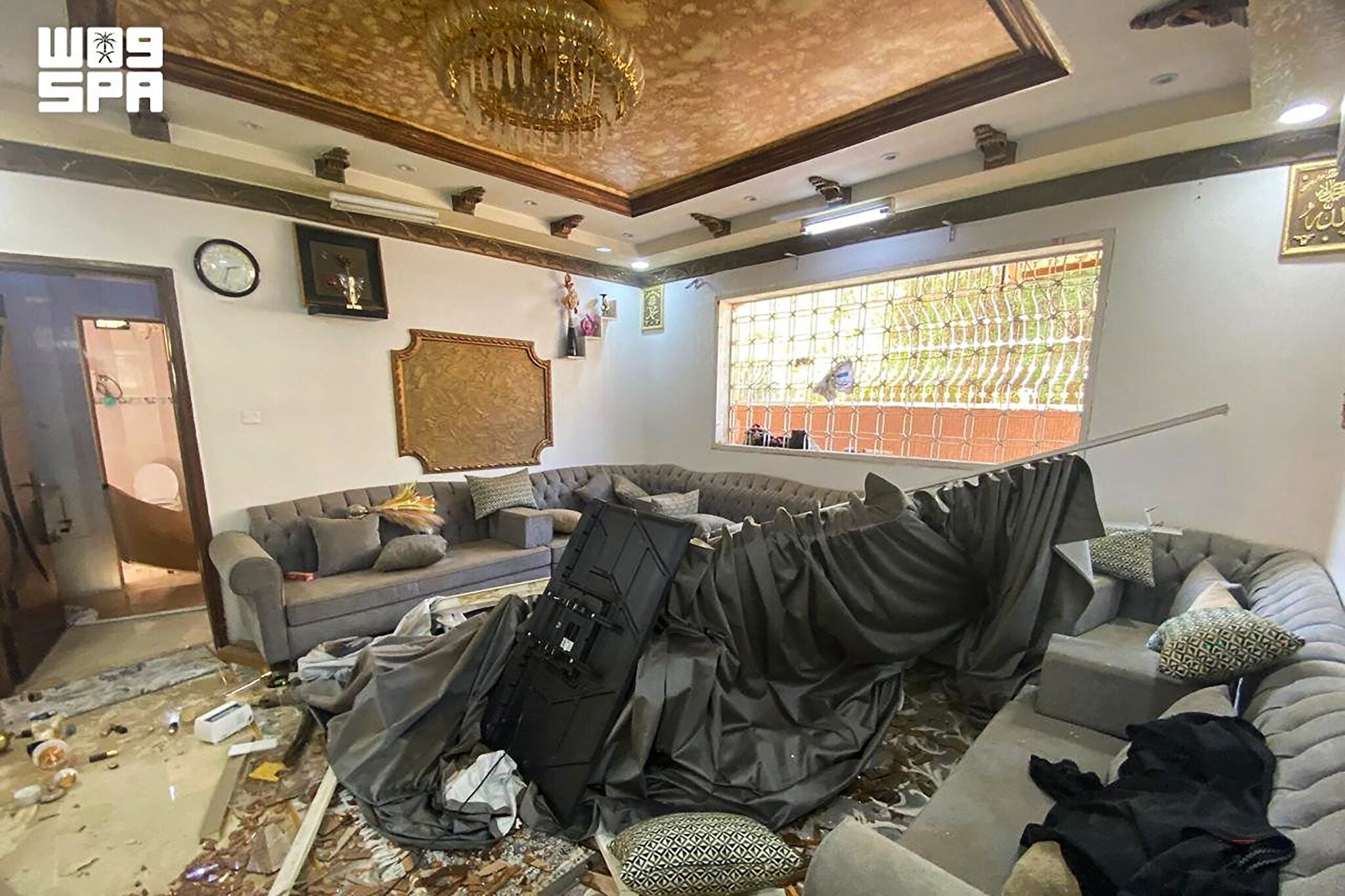
“On Sunday, civil defense in the city of Najran responded to the fall of an enemy projectile launched by the terrorist Houthi militia at a residential site, resulting in six citizens being injured and material damage to three homes and three vehicles,” the civil defense said on X.
Saudi Arabia also announced that a helicopter gunship crashed in the kingdom’s southwest, killing its two-member crew.
A Saudi military spokesperson said the helicopter crashed due to a technical malfunction near Najran, in an area that had been caught up in fierce fighting with the Houthis.
Saudi-led coalition spokesman Maj. Gen. Turki al-Maliki made the statement hours after the Houthis claimed to have downed the Saudi helicopter.
Egypt postpones vote on aiding Saudi effort
Also on Sunday, Egypt’s parliament postponed a vote on President Abdel Fattah el-Sissi’s request to authorize military support for Saudi Arabia, two lawmakers told AFP, with deliberations set to continue on Monday.
The session was convened after Sissi asked lawmakers to approve support for Saudi Arabia’s defense if requested by the kingdom.
“The session was extended to give all lawmakers the opportunity to speak and express their views,” lawmaker Ibrahim Kholeif told AFP, adding that parliamentarians were mostly in support of the move.
Another member, Maha Abdel Nasser, said proceedings would resume Monday “to allow all lawmakers to be heard.”
Egyptian media reported that deliberations would continue into Tuesday.
Both lawmakers said no details were being discussed about what form Egypt’s military support for Saudi Arabia could take.
Sissi on Saturday requested parliamentary authorization to help defend Saudi Arabia “if requested,” saying it was “inconceivable” for Cairo to stand by as Saudi Arabia’s security and stability are threatened.

The decade-plus war between the Houthis and a Saudi-led coalition supporting Yemen’s internationally recognized government reignited in July.
The Houthis seized Yemen’s Red Sea coastline in September and have since launched attacks on Saudi Arabia, including state oil giant Aramco and Riyadh’s international airport, where 13 people, including Egyptians, were killed a week ago.
On Saturday, Sissi called for an end to the fighting and said Egypt was not seeking to “confront or attack anyone. We are speaking only about defense.”
Houthi threats to Egypt
Egypt’s constitution requires the approval of both parliament and the National Defense Council — which includes the leaders of Egypt’s security apparatus — before troops can be deployed on combat missions abroad.
Shortly before the parliamentary session, the council, chaired by Sissi, approved providing Saudi Arabia with “all necessary and available forms of support” to help defend its security, territorial integrity, and Islamic holy sites, the presidency said.
Potential military involvement would constitute a break from Egypt’s historically conservative foreign policy, which has prioritized protecting its own national security.
For years, Cairo has positioned itself as a regional mediator with channels open across conflict lines, including with Hamas, Israel and Iran.
In response to Sissi’s call on Saturday, Houthi parliament speaker Yehia Ali al-Rai addressed a letter of warning to his Egyptian counterpart.
“Egypt’s slide down this path would pose a grave danger to its own national security and internal stability before anyone else’s,” he wrote, according to the Houthis’ Saba news agency.
Throughout this year, as its Gulf allies have come under attack in the war between Iran and the US, Cairo has repeatedly preached caution. The Arab world’s largest military did not issue a response even when its own Damietta port was struck by an unidentified drone in July.
It has not joined the Mecca defense pact signed by Saudi Arabia, Turkey and Pakistan in August — according to experts, to maintain its strategic autonomy.
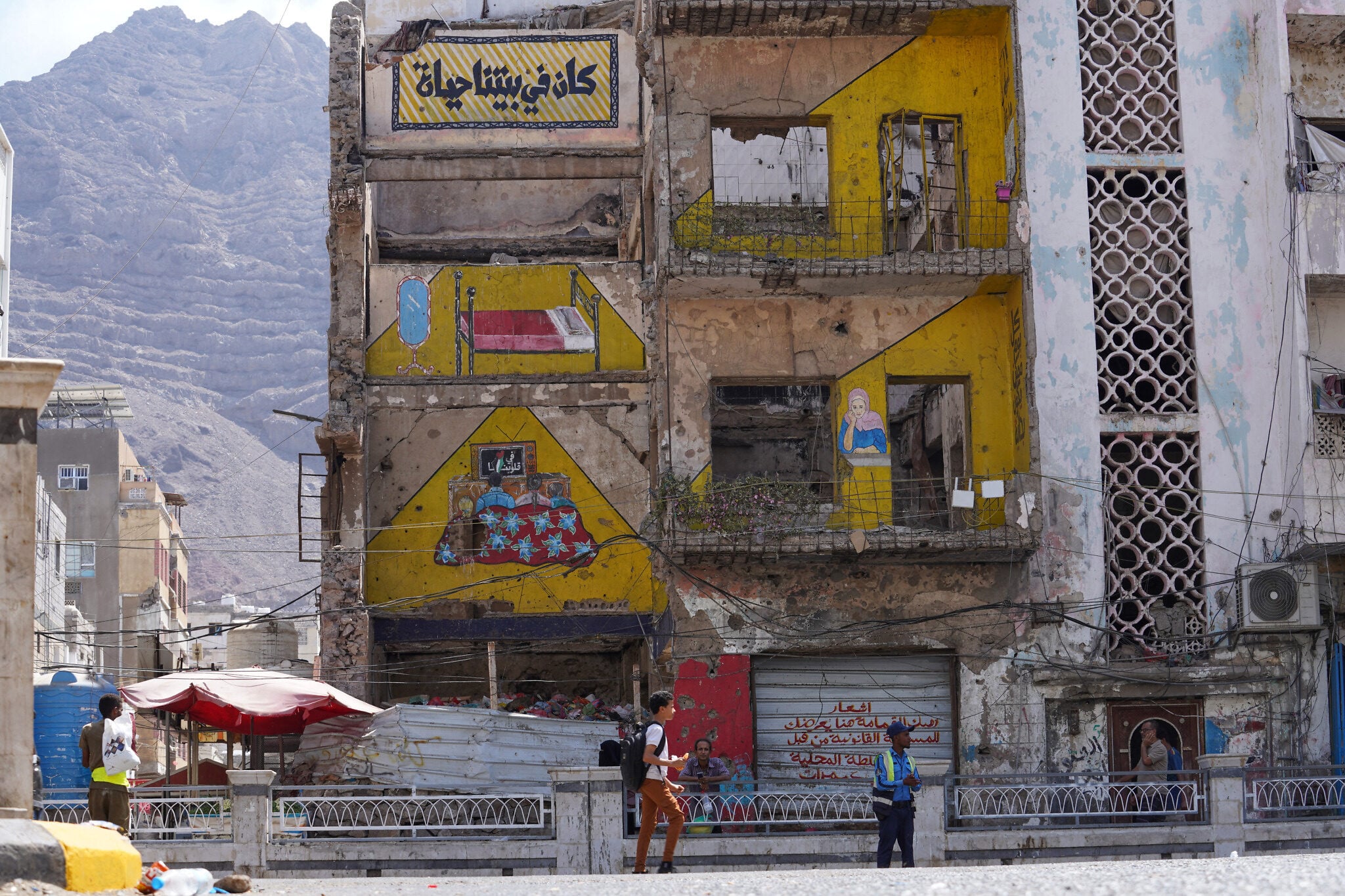
But Riyadh is one of Cairo’s strongest allies, and a key financial backer to Sissi’s administration for over a decade. Egypt joined the Saudi-led coalition in Yemen in 2015, contributing naval and air forces and deploying warships to the Red Sea and Bab el-Mandeb Strait.
Along with Saudi Arabia, Egypt is hardest hit by disruptions through Bab el-Mandeb, the southern gateway to its Suez Canal, revenues from which have not recovered since Houthi attacks began in 2023.
Military expert Samir Farag told AFP that Egyptian assistance could take several forms, ranging from intelligence, military advisers, ammunition and spare parts to weapons, and, ultimately, troop deployments.