One in five Israelis ‘still struggling to function’ since Oct. 7 – new study
Study finds women have higher levels of severe impairment in daily functioning due to their mental health, with 32% of women, 18 to 35, reporting significant distress
One in five Israelis continues to report severe impairment in daily functioning due to mental health since Hamas’s October 7, 2023 attack, according to a study released Sunday, with women particularly affected.
The study was conducted by the National Mental Health Barometer, an ongoing project sponsored by Clalit Health Services’ Research Institute, the American Jewish Joint Distribution Committee, and Myers-JDC-Brookdale Institute in Jerusalem.
The findings, based on a nationally representative sample of Israel’s population and updated through May 2026, show that while most of the population is recovering, a significant number of people continue to experience psychological distress.
Women reported higher levels of mental health-related functional impairment than men, three years after Hamas-led terrorists stormed southern Israel, killed 1,200 people, and kidnapped 251 people into Gaza.
In the three years since, Israel has also been in a constant state of war, with combat in Gaza and Lebanon seeing thousands of Israelis evacuated from their homes near the borders. There have also been two rounds of fighting with Iran,, which targeted most of the country with missiles.
“The findings show that alongside a steady increase in the proportion of people receiving mental health treatment, psychological distress is becoming chronic for a significant part of the population and is accompanied by deep functional impairment,” Prof. Ran Balicer, deputy director general and head of the innovation division at Clalit Health Services, said in a statement.
Unprecedented level of exposure
The study found an extraordinary level of exposure to significant trauma according to international standards.
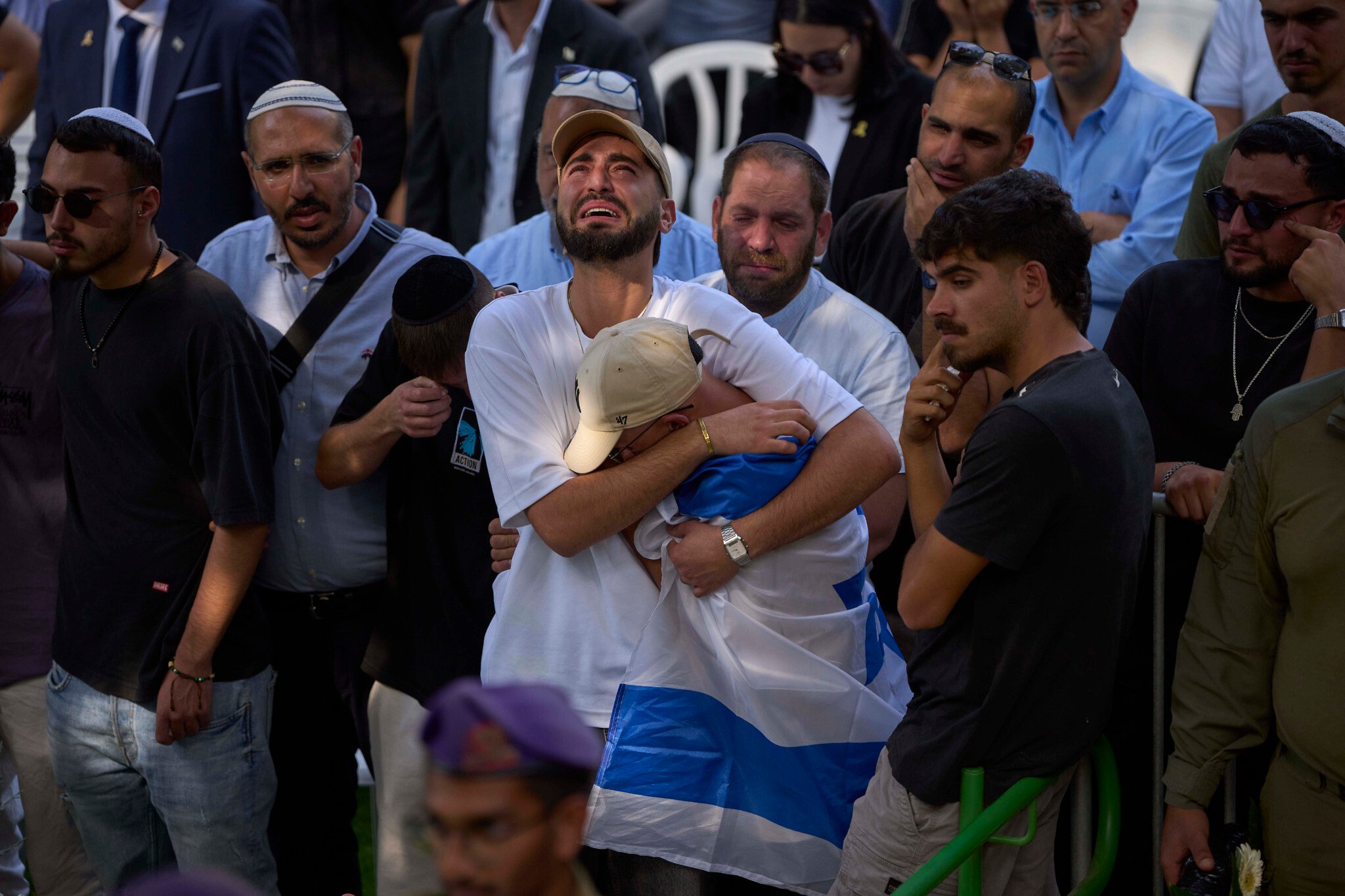
Approximately 15% of all respondents described themselves as being at the highest level of personal exposure, meaning they were personally present at the events of October 7, 2023, or closely knew someone who was injured or killed during the subsequent fighting.
The researchers describe this as a dramatic and unprecedented level of exposure compared with other national trauma events worldwide. In comparison, following the September 11, 2001, attacks in the United States, approximately 4% of the population experienced direct exposure.
“The data once again demonstrate just how unprecedented October 7 was globally in terms of the scale of the population’s exposure to trauma, both directly and indirectly through exposure to disturbing videos and media content,” Balicer said. “This helps explain the findings regarding the intensity of the national trauma and its lasting effects.”
The study also found that the risk of psychological distress and impaired functioning was not limited to people who experienced the events directly. A strong and significant association was found between exposure to disturbing content in the media and videos and reports of post-traumatic stress, anxiety, and depression symptoms.
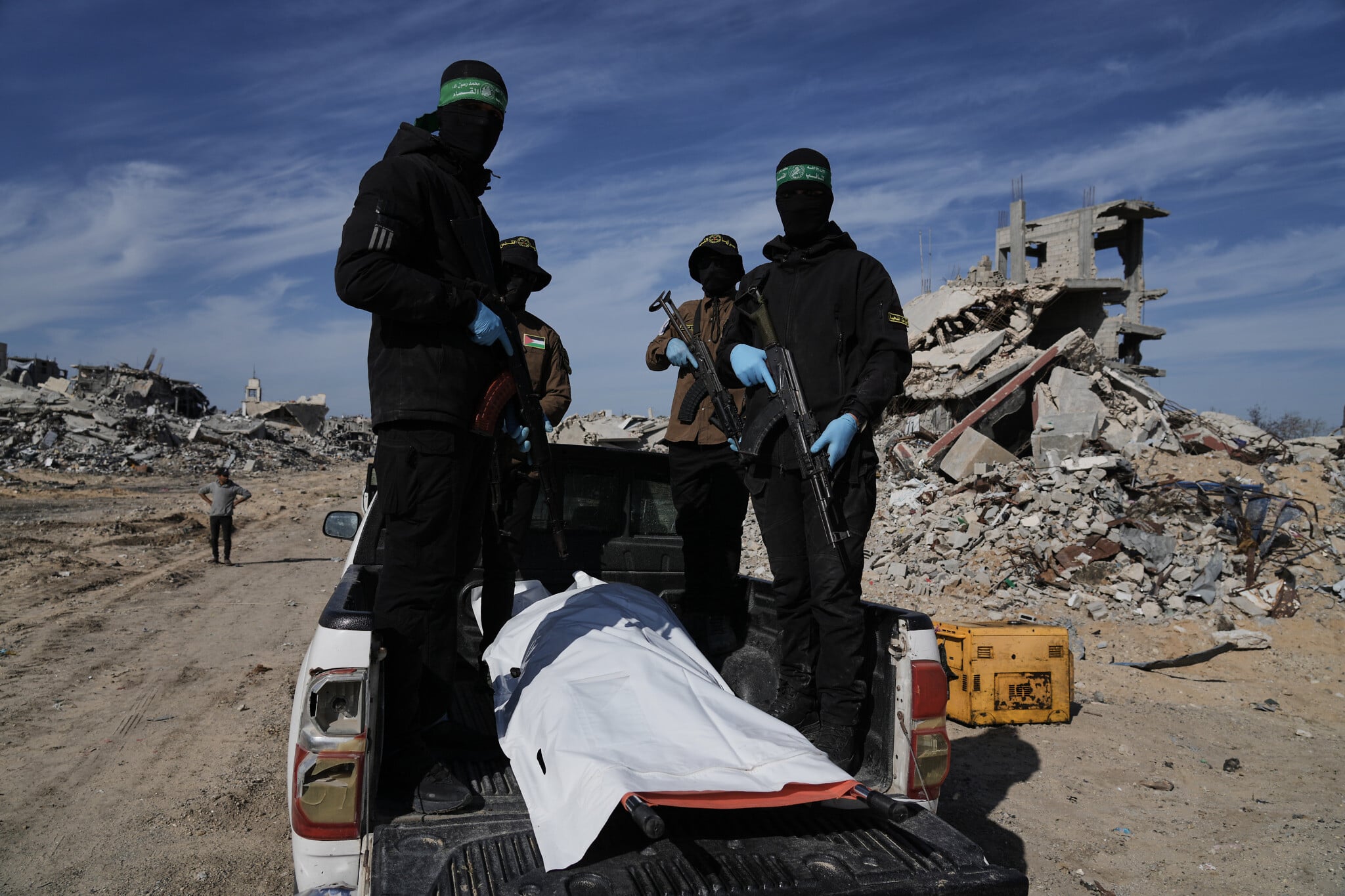
While the study cannot establish a causal relationship, the findings reinforce recommendations to avoid unnecessary exposure to disturbing images and videos in the media whenever possible.
Women continue to report significant distress
The study also found that people who feel they lack sufficient support from their family or community are at greater risk of experiencing psychological distress and impairment in functioning related to their mental health.
The highest rate was recorded among women aged 18 to 35, with 32% reporting impaired functioning, compared with approximately 20% in the overall sample. Approximately half of those who reported significant symptoms of anxiety, depression or post-traumatic stress continue to report significant distress.
Among women under 35, approximately one third also exceeded the clinical threshold for symptoms of anxiety, depression or post-traumatic stress, compared with lower rates among older women and men.
The study examined five dimensions of functioning — functioning at home, work and school, leisure activities alone or in social settings, and maintaining close relationships.
Respondents said they went to work and maintained their household, but they reported difficulty maintaining relationships, forming new connections, and sustaining close relationships.
Fifty percent reported that their leisure activities had been affected, while 35% said they had difficulty forming and maintaining close relationships.
Fifty percent cited support from family and friends as helping them cope, while approximately 40% cited hobbies, sports, and routine.
30% reported a need for mental health treatment
The study found a significant increase in symptoms of anxiety, depression and post-traumatic stress following the October 7 attacks. Approximately one-third of the population crossed the clinical threshold in at least one of these three areas during the monitored period.
Among those, approximately 50% returned to the normal range for anxiety symptoms, compared with only 38% among those who crossed the clinical threshold for post-traumatic stress.
More than 60% of those who experienced significant post-traumatic stress symptoms continued to report substantial symptoms, experiencing chronic suffering long after exposure to the events.
Approximately one-third of the population reported feeling a need for mental health treatment. Among those who cited a treatment need, approximately half did not seek care. Of those who did not seek treatment, 23% said they wanted to cope on their own, while 17% said they were not interested in the mental health treatment offered by the healthcare system.
The study found that 66% of respondents perceived their level of family support as high, while 39% perceived the support they receive from their community as high. Conversely, 31% reported that they did not receive a high level of support from either family or community.
The researchers found that a stronger sense of support was associated with greater resilience and fewer reports of significant psychological distress.
“As we expected, most of the population is recovering,” Hadar Samuel, an expert researcher on the health policy team at the Myers JDC Brookdale Institute, said in a statement.
However, Samuel said that there is a “substantial core of people who continue to struggle.”
“The findings underscore that the response cannot rely solely on the mental health system,” she said. “Family, community, and social connections are an integral part of the resilience infrastructure. Alongside expanding treatment services, strengthening these networks may be an important component of helping the public cope with the consequences of the war.”